Freight Forwarding
What Is Freight Forwarding? A Simple Guide for Singapore Businesses
Key Takeaways
Freight forwarding is the organised coordination of cargo, carriers, documents, customs processes and delivery. For Singapore businesses, a clear process helps control both landed cost and operational risk.
- A freight forwarder arranges the movement of goods but is not usually the carrier.
- Air, sea, road and rail each suit different combinations of urgency, volume and cost.
- Accurate invoices, packing lists, transport documents and declarations support smoother customs handling.
- A useful quote should show the full expected cost, not only the headline freight rate.
- The right forwarder provides clear ownership, timely updates and a sensible contingency plan.
What freight forwarding means
Freight forwarding is the coordination of an international shipment from the point where goods are collected to the point where they are delivered. It can involve transport planning, carrier bookings, consolidation, storage, handling, customs documentation and delivery arrangements. The forwarder normally works with carriers and other service providers rather than moving every shipment with its own vehicles or vessels. This freight forwarding in Singapore overview is useful for seeing how these moving parts connect.
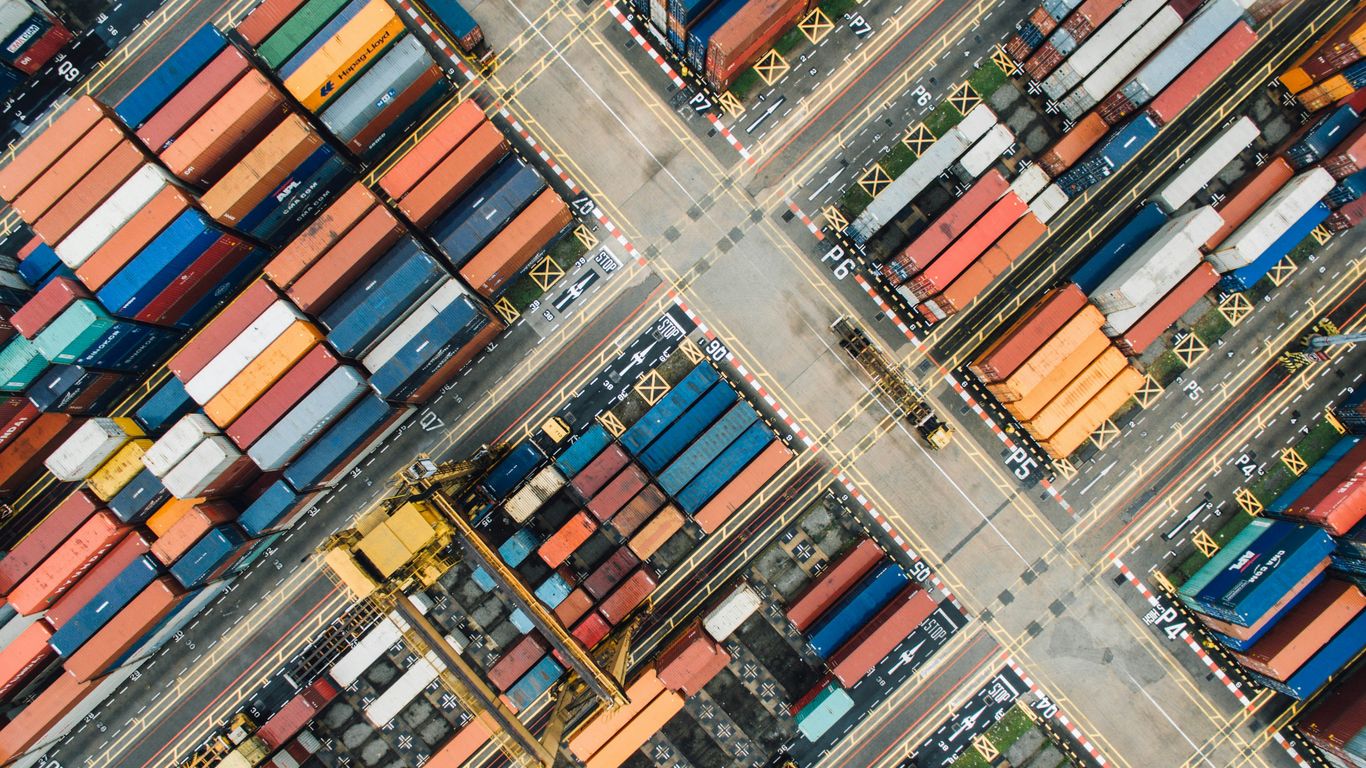
The role of a freight forwarder in international trade
A freight forwarder turns a shipping requirement into an operational plan. It may compare routes and modes, obtain space with a carrier, organise collection, prepare or check documents, and coordinate handovers at origin and destination. The exact scope depends on the agreed service, so an importer should ask which tasks are included and which remain with its own team.
The forwarder is also a practical intermediary between the shipper, consignee, carrier, customs parties, warehouses and delivery providers. Its value is often most visible when several organisations must act in sequence and a missing detail could hold up the shipment.
How freight forwarding differs from shipping and logistics
Shipping usually refers to the physical carriage of goods, while a carrier is the party that performs that carriage under its transport contract. Freight forwarding is broader: it arranges the shipment and coordinates related activities around the carrier. Logistics is a wider operational concept that can include inventory, warehousing, distribution and supply-chain planning.
In simple terms, the carrier moves the cargo, the forwarder organises the movement, and a customs broker or declaring agent may handle specific regulatory submissions. The boundaries can overlap, but they should be stated clearly in the quotation and service terms.
When a Singapore business may need a freight forwarder
A business may need a forwarder when it is importing or exporting regularly, dealing with several countries, or sending cargo that requires more planning than a standard parcel service. The need is especially clear when shipments involve multiple carriers, consolidated cargo, unusual dimensions, controlled goods or demanding delivery windows.
Start-ups and smaller importers may also benefit when internal staff do not have the time to coordinate bookings, documents and customs handovers. A freight forwarding services guide can help a growing business compare the work involved before deciding what to manage internally.
The main parties involved in moving cargo
A typical international shipment may involve the seller, buyer, freight forwarder, carrier, warehouse or terminal, customs declaring party, insurer and final-mile delivery provider. Each party has a different responsibility, and confusion often arises when one party assumes another is checking a document or arranging a handover.
Before cargo moves, confirm who is responsible for collection, export formalities, transport documents, import declarations, duties and final delivery. A written responsibility matrix is often more useful than a general promise that the shipment will be handled from end to end.
How the freight forwarding process works
The freight forwarding process is a chain of decisions rather than a single booking. It begins with the cargo details and ends only when the goods have been delivered, released and properly recorded. Timing, packaging, documentation and handovers all affect the result. The shipment coordination process explains why transport, customs and documentation need to be considered together.
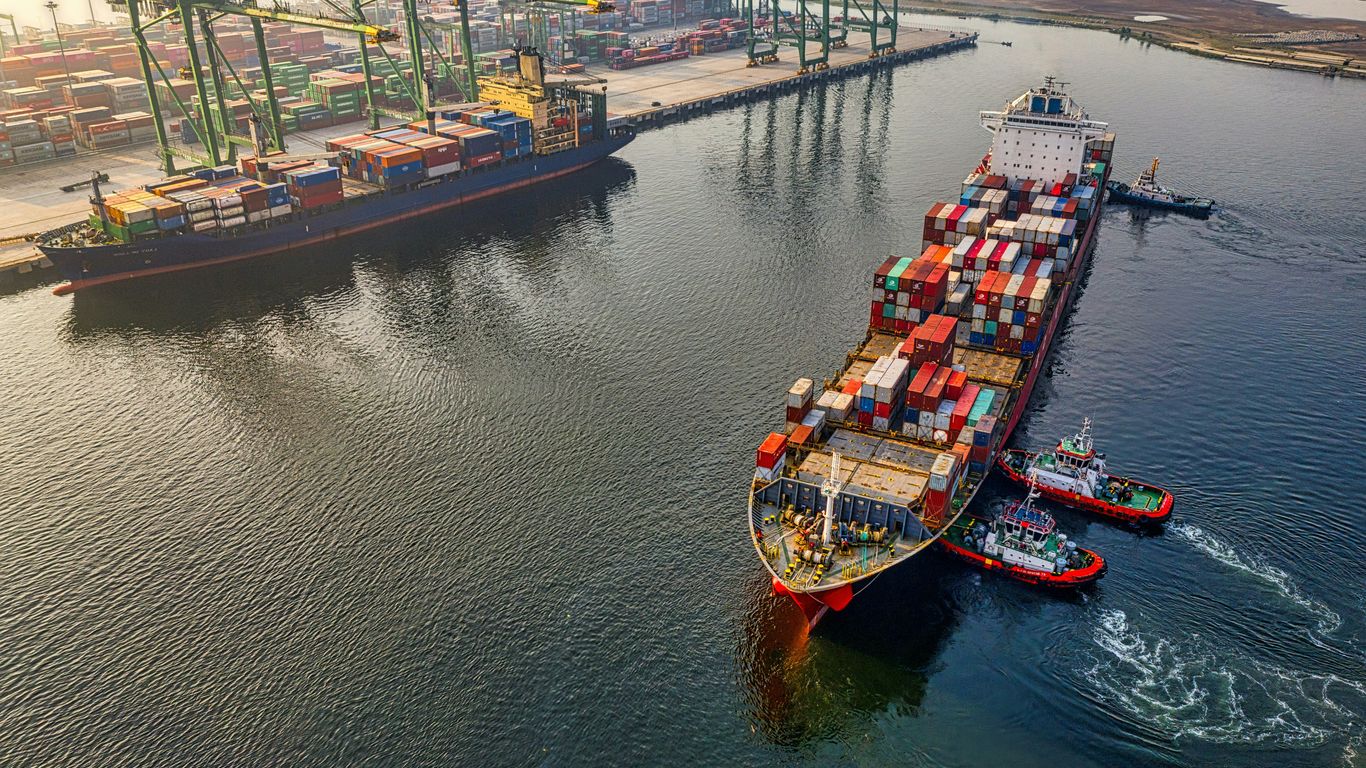
Requesting a quote and planning the shipment
A useful request for quotation includes the origin, destination, cargo description, number of packages, dimensions, weight, value, preferred dates and delivery terms. Include whether the cargo is dangerous, temperature-sensitive, oversized or subject to approval. Without these details, a quoted price may be provisional and the proposed transit time may not be realistic.
The forwarder then considers available modes, routes, cut-off times, collection arrangements and likely customs requirements. It should also identify assumptions, exclusions and information still needed from the shipper.
Booking cargo space with a carrier
Once the route and service are agreed, the forwarder requests space from a carrier or transport provider. The booking may depend on vessel or flight schedules, equipment availability, cargo readiness and the carrier’s acceptance conditions. A booking confirmation should be checked against the shipment details rather than treated as a final delivery guarantee.
The forwarder will normally communicate the relevant cut-off time, terminal instructions and transport document requirements. Missing the cargo or documentation cut-off can move a shipment to a later departure.
Preparing, collecting and consolidating goods
Goods must be packed, marked and made available at the agreed collection point. The forwarder may arrange collection, receive cargo, check basic shipment information and consolidate smaller consignments with other cargo where that service is appropriate.
For a straightforward handover, the shipper should confirm these practical details in advance:
- The package count, weights and dimensions match the documents.
- Labels and handling marks are visible and suitable for the route.
- The cargo is ready before the agreed collection window.
- Any certificates, permits or special handling instructions are supplied.
These checks reduce avoidable rework. They do not remove the shipper’s responsibility for accurate cargo descriptions and safe packaging.
Tracking the shipment through to delivery
Tracking involves more than reading a status message. A forwarder follows milestones such as collection, departure, transhipment, arrival, customs release, delivery booking and proof of delivery. Good updates explain what has happened, what is expected next and whether someone must act.
For time-sensitive freight, agree how exceptions will be escalated. A clear contact route matters when a flight is rolled, a container is delayed or customs requests further information. The shipment tracking guidance also highlights the importance of coordinating documentation and delivery milestones.
Choosing the right transport method
Transport mode should be selected against the shipment’s actual priorities, not by habit. Urgency, cargo value, volume, dimensions, reliability and total landed cost all matter. Singapore’s position as a major trading hub gives businesses several routing options, but more choice also makes comparison important.
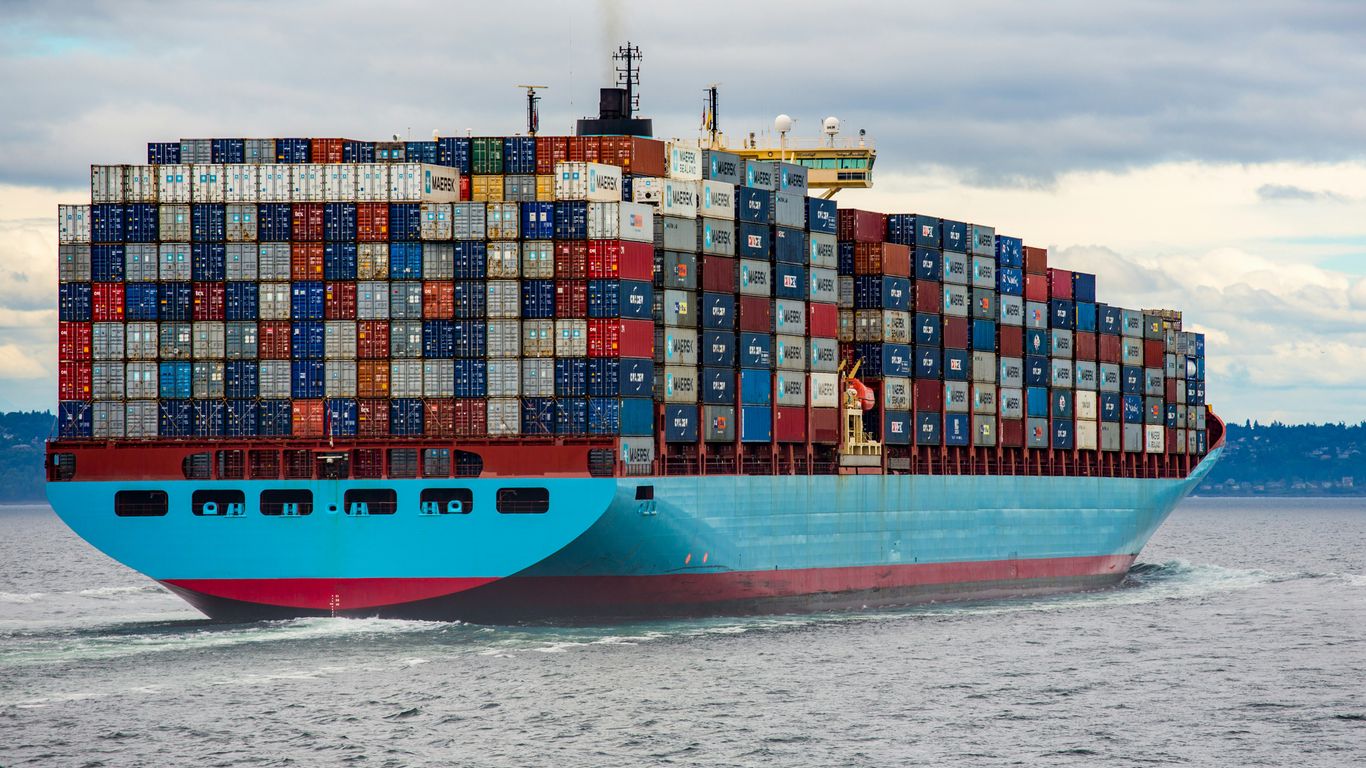
When to use air freight
Air freight is generally suited to urgent, valuable, lightweight or time-sensitive cargo. It can shorten transit time, although airport cut-offs, security procedures, capacity limits and customs processing still affect the overall movement. The chargeable weight may be based on volume as well as actual weight.
Before choosing air freight, compare the complete door-to-door timeline rather than only the flight duration. The air freight planning guide covers documents, routing choices and customs support that can affect the final schedule.
When sea freight is more suitable
Sea freight is often appropriate for larger, heavier or less time-sensitive consignments. It can offer a lower transport cost per unit, but the shipment may involve longer transit, port handling, sailing schedules and possible transhipment. The business should allow time for origin and destination formalities as well as the ocean leg.
A forwarder can compare direct and connecting services, port arrangements and delivery options. The best choice depends on the cargo’s required arrival date and the cost of holding inventory while it travels.
Comparing full-container and less-than-container loads
A full-container load, or FCL, gives one shipper use of a container, while a less-than-container load, or LCL, combines cargo from multiple shippers. FCL may suit larger volumes or cargo that benefits from fewer handling points. LCL can be practical when the shipment does not fill a container, though consolidation and deconsolidation add handling stages.
| Option | Usually suits | Main consideration |
|---|---|---|
| FCL | Larger or sensitive consignments | Container cost and equipment availability |
| LCL | Smaller shipments | More handling and consolidation time |
| Air freight | Urgent or high-value cargo | Chargeable weight and higher freight cost |
The comparison should include terminal, handling, documentation and delivery charges. A lower base rate is not necessarily the lower landed cost.
Using road and rail connections for regional deliveries
Road transport is commonly used for collection, port transfers and final delivery. Rail may be useful on some regional corridors where capacity, schedule and infrastructure make it practical. These inland legs can be combined with sea or air freight as part of a multimodal movement.
Ask who controls each handover and whether the quoted service is door-to-door or only airport-to-airport or port-to-port. Small gaps in scope can create substantial operational problems at the destination.
Documents and customs requirements in Singapore
Customs compliance depends on accurate information about the goods, parties, value, origin and movement. The required documents and approvals vary according to the transaction and product. Singapore businesses should confirm requirements before cargo is collected, rather than treating paperwork as an administrative task after dispatch.

Commercial invoices, packing lists and bills of lading
The commercial invoice describes the transaction, while the packing list explains how the cargo is arranged. A bill of lading or air waybill records transport details and may serve as evidence of the carriage contract. These documents should agree on descriptions, quantities, weights, values, shipper, consignee and routing.
Inconsistencies can lead to clarification requests, amended filings or delays at a terminal. Keep the final versions together with purchase orders, certificates and correspondence supporting the shipment.
Import and export declarations
Import and export movements may require shipment-specific declarations and permits submitted through the relevant Singapore systems. The required information can include the HS code, value, origin, quantity, transport details and supporting approvals. The party responsible for declaring should be confirmed before the shipment is booked.
IMPORT.SG provides practical guidance on registration, permit applications, transport documents, controlled items and record keeping. Its role is to support declaration and documentation work within the agreed scope, not to replace Singapore Customs or other authorities.
GST, duties and controlled goods
Duties and GST depend on the product, customs value, origin, tariff classification and applicable treatment. Some goods also require approval from a Competent Authority before import or export. A forwarder can identify information gaps and coordinate supporting documents, but the importer remains responsible for providing truthful and complete cargo information.
Check the likely tax treatment before confirming the landed cost. If the product is controlled, allow time for the relevant approval and do not assume that a transport booking is permission to move it.
Working with Singapore Customs and other authorities
Singapore Customs administers customs requirements, while other authorities may regulate specific categories of goods. Businesses may use an in-house declaration process or appoint a declaring agent, depending on their arrangements and capabilities. The responsible party should retain an audit-ready record of declarations and supporting documents.
IMPORT.SG describes customs clearance support, TradeNet filing considerations and common information issues. Any such support remains subject to the agreed scope and the decisions of Singapore Customs and other external authorities.
What freight forwarding costs include
A freight forwarding quote may combine carrier charges, origin and destination handling, documentation, customs work, storage and delivery. Some amounts are fixed, while others depend on cargo details, timing, exchange rates or events during transit. Comparing only the ocean or air rate can give a misleading impression of affordability.
Freight rates and carrier charges
The main freight charge covers the carrier’s movement of cargo, but the calculation may depend on actual weight, volume, chargeable weight, container type, route and service level. Surcharges can relate to fuel, security, peak periods, congestion or changes in the carrier’s schedule.
Ask whether the rate is valid for a particular sailing or flight and whether it includes a specified period. A quote should state the currency, validity, assumptions and any likely carrier adjustments.
Handling, storage and documentation fees
Origin and destination terminals may charge for receiving, handling, loading, unloading and releasing cargo. Documentation, consolidation, deconsolidation and warehouse services may also appear as separate line items. Storage can arise when cargo arrives before the consignee is ready or when release is delayed.
Request a breakdown rather than accepting a single bundled figure. This makes it easier to identify which charges are predictable and which depend on an external event.
Customs clearance, insurance and delivery costs
Customs declarations, permits, duties and GST may be outside the basic freight charge. Insurance, last-mile delivery, waiting time, special handling and inspection costs can also be separate. The party responsible for each item should be written into the quotation.
A landed-cost comparison is more useful than comparing headline freight rates. It shows what the business is likely to pay to have the goods cleared and delivered, subject to the stated assumptions.
Factors that can change the final price
The final amount may change if the cargo is heavier, larger, restricted or less ready than described. Delays, storage, rebooking, customs queries, exchange-rate movement and revised carrier surcharges can also affect the invoice.
When evaluating a quote, pay particular attention to these variables:
- The validity period and currency of the quoted charges.
- Whether collection, delivery, customs and taxes are included.
- The treatment of storage, demurrage, waiting time and inspections.
- The assumptions about dimensions, weight, packaging and cargo classification.
The purpose is not to eliminate every variable. It is to understand which variables are within the shipper’s control and how exceptions will be reported.
How to choose a freight forwarder in Singapore
The right forwarder is not necessarily the one with the lowest initial quote. It should understand the trade lane, explain its scope and respond when information changes. For a business managing urgent, controlled or high-value shipments, dependable coordination may be worth more than a small difference in the first rate.
Checking experience with your trade lanes and cargo
Ask whether the forwarder regularly handles the countries, ports, airports and cargo types relevant to your business. Experience with the route may help it anticipate cut-offs, handovers and documentation questions, although no provider can control carrier or authority decisions.
Discuss examples of your ordinary shipments as well as difficult ones. The useful test is whether the forwarder asks precise questions about the cargo instead of offering a generic service description.
Comparing service coverage and response times
Clarify whether the service covers quotation, booking, collection, consolidation, customs coordination, delivery and post-delivery records. Establish the normal response route and the escalation contact for an exception. If several vendors are involved, identify who owns communication with the shipper.
IMPORT.SG is positioned as a single accountable contact for customs declaration, trade documentation, permit coordination and urgent dispatch within an agreed scope. That model can be helpful when a business wants fewer disconnected handovers, provided the responsibilities are documented clearly.
Assessing licences, insurance and compliance support
Confirm the legal entity you are contracting with, relevant registrations, liability terms and insurance arrangements. Ask how the provider handles controlled goods, permits, document corrections and requests from customs or other authorities. A forwarder should explain what it can coordinate and what must be decided by the importer or authority.
The answer should be practical rather than promotional. You need to know who checks the data, who submits a declaration, who communicates a query and who keeps the final record.
Reviewing quotes and service terms
Read the quotation alongside the service terms. Check the Incoterms® position, liability limits, exclusions, delivery scope, cancellation rules, storage treatment and procedure for additional charges. If transit times are described as estimates, ask how delays will be communicated.
A written quote is strongest when it makes ownership visible. The business should be able to identify the next action, the person responsible and the information needed at every stage.
Common freight forwarding risks and how to manage them
Most freight problems begin before the cargo reaches a port or airport. Incorrect information, unclear ownership and unrealistic timing can create costs that are difficult to reverse later. Risk management therefore starts with preparation and continues through every handover.
Delays caused by incorrect paperwork
A wrong HS code, inconsistent quantity, incomplete invoice or missing approval can cause a customs query or prevent release. Even a minor difference between a booking and a declaration may require clarification. Review documents against the physical cargo before collection and retain the supporting evidence.
Set a deadline for final documents that is earlier than the carrier’s cut-off. That leaves time to resolve an error without immediately losing the planned departure.
Cargo damage, loss and inadequate packaging
Packaging should reflect the cargo, handling points, stacking conditions and mode of transport. Fragile or valuable goods may need additional protection, marks or handling instructions. Photographing the packaging before handover can help establish its condition if a claim later arises.
Check the carrier and forwarder’s liability provisions, but do not treat them as a substitute for suitable insurance. The contract may limit recovery even where the commercial value of the goods is high.
Unexpected charges and changing transit times
A transport schedule can change because of weather, congestion, equipment shortages, rolled bookings, inspections or customs queries. Additional storage, handling or rebooking charges may follow. These events are not always within the forwarder’s control, so the practical question is how quickly and clearly the exception will be reported.
Use a quote with itemised assumptions and agree how additional work must be authorised. That makes it easier to distinguish a genuine external change from a charge that was simply not explained at the outset.
Communication, tracking and contingency planning
Agree the shipment milestones, update frequency and escalation contacts before dispatch. For critical cargo, consider an alternative route, a later delivery buffer or a second transport option. Contingency planning should be proportionate to the commercial impact of delay rather than applied identically to every shipment.
A reliable operating record should show the latest status, outstanding documents, next owner and expected decision date. This gives the importer a usable view of the shipment instead of a series of disconnected messages.
Conclusion
Freight forwarding brings together transport, documentation, customs coordination and delivery so that an international shipment can move with clearer ownership. Singapore businesses can improve outcomes by choosing the mode carefully, checking documents early, comparing total landed cost and agreeing how exceptions will be managed. The strongest process is practical: each handover has an owner, each charge has an explanation and each shipment has a realistic plan.
Frequently Asked Questions
What is freight forwarding?
Freight forwarding is the coordination of cargo movement between origin and destination, including transport planning, carrier bookings, handling, documentation, customs-related work and delivery arrangements.
Does a freight forwarder carry the goods itself?
Usually, no. A freight forwarder generally arranges transport with carriers and coordinates the related logistics, while the carrier performs the physical movement under its transport contract.
Which transport mode is cheapest?
There is no universal cheapest mode. Sea freight often suits larger, less urgent shipments, while air freight may be justified for urgent or valuable cargo; the right comparison includes handling, customs, delivery and inventory costs.
What documents are commonly needed for international freight?
Common documents include a commercial invoice, packing list and bill of lading or air waybill. Depending on the goods and movement, permits, certificates of origin, insurance documents and other approvals may also be required.
What is the difference between FCL and LCL?
FCL uses a container for one shipper, while LCL combines several shipments in one container. FCL may reduce handling for larger consignments, whereas LCL can suit smaller volumes.
Can a freight forwarder guarantee a delivery date?
A forwarder can plan against published schedules and manage agreed milestones, but carriers, ports, customs authorities and other external events can change transit times. Delivery dates should therefore be treated according to the terms and assumptions in the service agreement.
How should a business compare freight forwarders?
Compare relevant trade-lane experience, cargo handling capability, service scope, response arrangements, compliance support, liability terms and total landed cost. A clear written allocation of responsibilities is as important as the quoted price.
Specialist references
The principles of clear scope and documented handovers also apply when a business coordinates unrelated specialist suppliers, from a gentle exfoliating body brush to Fort Lauderdale video production, LEDSone UK Ltd, Ledger and transportation services. These examples are outside freight forwarding, but they illustrate why a buyer should check the exact service being offered rather than rely on a broad label.
For shipment-specific planning, businesses can also request a quote with the cargo, timing and available document details ready for review.
Work With A Trade Partner
If your shipment requires coordinated customs declaration, trade documentation or urgent dispatch, contact IMPORT.SG with the cargo details, timing and documents available so the required work can be assessed within an agreed scope.