Classification
Singapore Customs for Businesses: What Importers and Exporters Need to Know
Key Takeaways
Singapore Customs compliance depends on accurate business registration, classification, permits, valuation and records. A clear owner for each step helps prevent avoidable delays and corrections.
- Activate the business identifiers and customs access needed for declarations.
- Classify goods before shipment and check for controlled or prohibited items.
- Prepare consistent permits, invoices, packing lists and transport documents.
- Apply the correct customs value, duty, GST and origin treatment.
- Keep an audit-ready record trail and correct errors promptly.
Set up your business for Singapore Customs compliance
A compliant customs process begins before the first shipment is booked. The importing or exporting entity must have the right business identifiers, access arrangements and internal responsibilities in place. These foundations are easy to overlook when a company is focused on sales or delivery deadlines. They become especially significant when several suppliers, freight forwarders or declaring agents handle different parts of the same movement.

Register for a UEN and activate your Customs account
A Unique Entity Number (UEN) identifies the business in government transactions, including customs declarations. The company should confirm that its UEN is active for the intended trade activities and that the relevant Singapore Customs account arrangements are complete before goods move. It is also sensible to check the contact details and authorised users attached to the account, since outdated access can delay an urgent filing.
The Singapore import requirements should be checked alongside the registration process, particularly where a business is importing for the first time. Registration is not a one-off administrative task: changes to the legal entity, business activity or authorised personnel should be reflected in the records used for customs work.
Decide whether to manage declarations in-house or use a declaring agent
A business may prepare declarations internally or appoint a declaring agent to submit them. The choice should reflect shipment volume, product complexity, staff experience and the availability of cover during leave or peak periods. An agent can submit information on the company’s behalf, but the importer or exporter still needs to provide complete, accurate commercial and technical details.
Written instructions should define who supplies the invoice, confirms the HS code, reviews draft declarations and responds to queries. Where a third party is used, an agreed service scope and escalation route are more useful than an informal assumption that the agent will resolve every issue.
Identify the licences, registrations and authorisations your business needs
Some goods require approvals or registrations in addition to the customs permit. The requirement can depend on the nature of the product, its intended use, its origin and the relevant regulatory regime. Before shipping, map the product against the possible requirements rather than waiting for a permit application to reveal a missing authorisation.
For a practical view of the paperwork involved, businesses can review this customs documents guide. It is also useful to keep copies of licences and approvals with the product master data so that the same evidence is available for repeat consignments.
Build internal ownership for customs, tax and trade compliance
Customs tasks often cross the purchasing, warehouse, finance, logistics and sales teams. Assign a named owner for classification, permit data, valuation, origin and record retention, with a deputy for continuity. The owner does not need to perform every task, but should be able to see whether each control has been completed.
A short operating procedure can set out the hand-off from purchase order to delivery. Clear task ownership is particularly valuable when a shipment contains controlled goods, unusual pricing or a tight delivery window. It also gives management a sensible basis for reviewing exceptions rather than relying on email searches after the event.
Classify goods and determine their import requirements
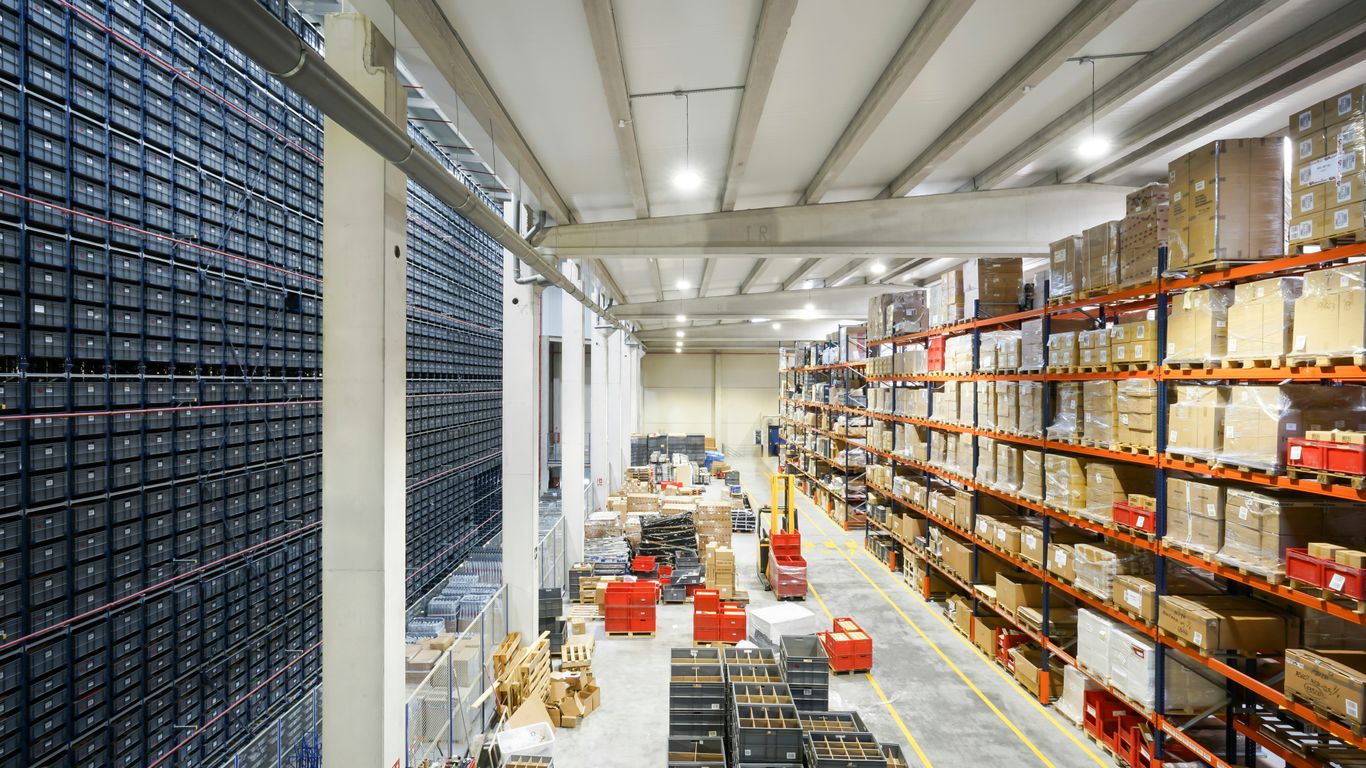
Classification is the point at which product knowledge becomes customs data. An incorrect code can affect duty, GST treatment, permit requirements, trade statistics and the agencies that need to review the shipment. The description used by a sales team may not be precise enough for a customs declaration, so classification should be supported by specifications, composition and intended use.
Use HS codes to classify products accurately
The Harmonised System (HS) code should be selected from the characteristics of the goods, not from a convenient code used for a similar item. Review the product’s material, function, condition, packaging and technical specifications, then retain the reasoning behind the selected code. A master classification file helps keep treatment consistent when several shipments contain the same product.
HS codes should be reviewed when a product is redesigned, repackaged or sold for a materially different use. The HS code classification guidance can help teams structure that review without treating a previous declaration as permanent proof that the code remains correct.
Check whether goods are controlled, prohibited or restricted
A product may be subject to controls even when it appears ordinary in commercial use. Check whether it is prohibited, restricted or controlled before arranging transport, and consider both the product itself and any accessories, chemicals, batteries or embedded technology. Do not rely only on a supplier’s description or a freight booking system’s generic category.
The review should cover the product information that will appear on the invoice and packing list. For controlled goods, the controlled goods requirements provide a useful prompt to confirm classification, documents, labelling and authorisation needs before shipment.
Identify the competent authority responsible for regulated goods
Where goods are controlled, the relevant Competent Authority may require registration, testing, certification or import authorisation. The responsible authority depends on the category and characteristics of the goods. The customs permit process therefore works best when it follows, rather than replaces, the regulatory assessment.
Keep the authority’s approval reference and any supporting technical material with the shipment file. If the product has several possible uses, record the basis for the assessment and ask the authority or an appropriately qualified adviser to clarify an uncertain case.
Resolve classification uncertainty before shipping
A classification question is cheaper to resolve before cargo is packed than after a permit is rejected or goods are held. Compare the product specification with the relevant tariff descriptions and explanatory material, then document the conclusion. For novel or technically complex products, obtain written advice or a formal determination where available.
A repeatable escalation process should identify who can stop a shipment, who can request more information and who approves a final code. This approach prevents a rushed operational decision from becoming the default classification for every future consignment.
Understand import procedures and permits
Import clearance is a sequence of connected data and document decisions. The permit type, HS code, customs value, GST treatment, controlled-goods approvals and transport details must describe the same shipment. A mismatch between those elements can cause questions even where the underlying goods are lawful.
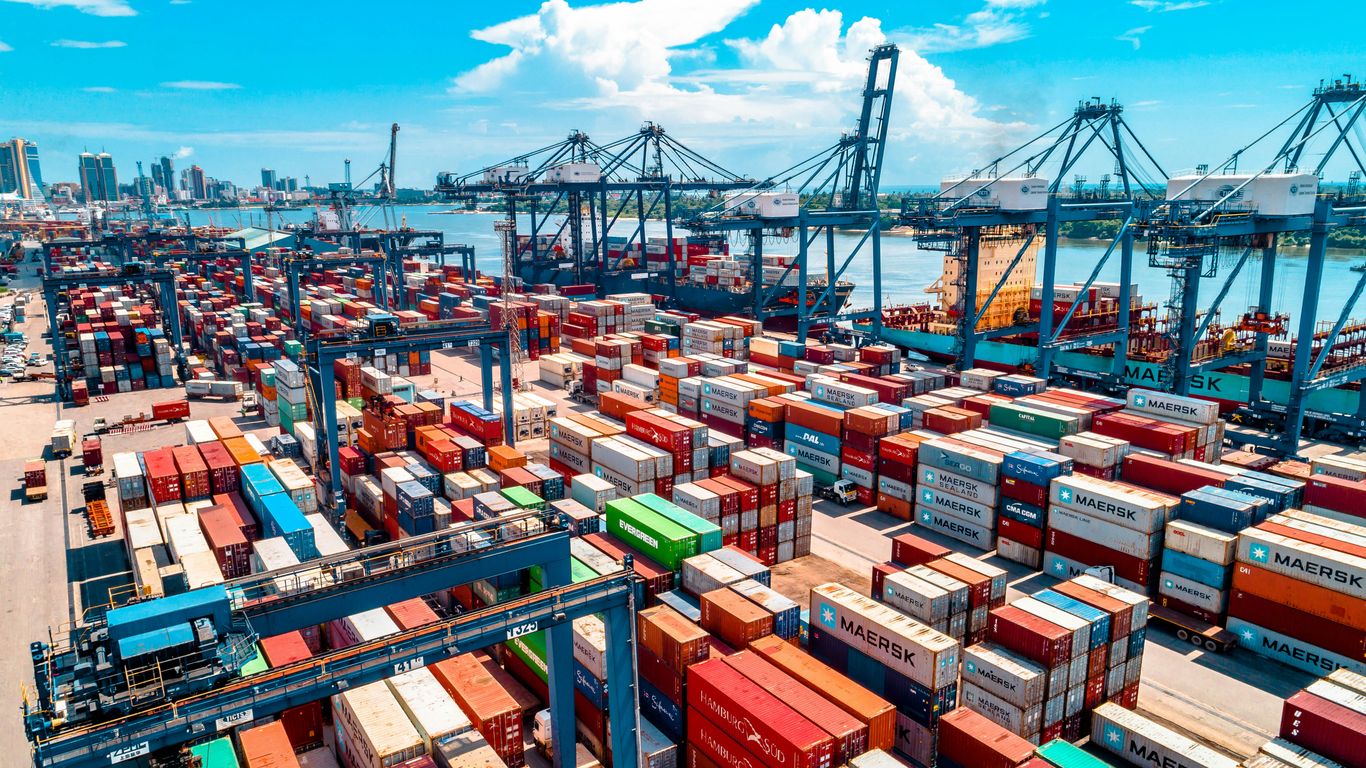
Apply for import permits through TradeNet
Import permits are generally submitted through TradeNet, either by the business or by its declaring agent. The declaration should be based on final commercial information and submitted within the timing required for the movement. Check whether the goods, origin, customs procedure or relief arrangement calls for a particular permit type before the cargo arrives.
The Singapore Customs clearance guide is a useful operational reference for permit submissions, duty and GST payments and the role of professional declaration support. A rejected application should be read carefully: correcting the underlying data is preferable to repeatedly resubmitting the same incomplete declaration.
Prepare commercial invoices, packing lists and transport documents
The commercial invoice, packing list and transport document should tell one consistent story about the shipment. Product descriptions, quantities, values, packages, consignor, consignee and transport references should correspond across the documents. Keep supporting material such as purchase orders, payment evidence, product specifications and certificates where it explains an unusual feature of the transaction.
A simple document check before submission can prevent avoidable queries. The import clearance paperwork should be checked against the permit data, including the importer of record, HS code and GST treatment. This is especially helpful when a freight forwarder receives information from multiple suppliers.
Calculate customs duty, GST and other applicable charges
Duty and import GST depend on the goods, their classification, customs value and applicable relief or scheme. Finance and logistics teams should agree whether estimates are being used for budgeting or whether figures have been validated for the actual declaration. Include any permit processing fees, storage exposure and other known operational charges in the landed-cost review.
The calculation should be retained with the shipment file, not left only in a spreadsheet that cannot be traced back to the declaration. If the goods are dutiable or controlled, confirm the payment and approval position before release arrangements are made.
Manage temporary imports, re-exports and goods for repair
Temporary imports, exhibition equipment, goods sent for repair and later re-exports may require a different customs procedure from a normal sale. The business should establish why the goods are entering Singapore, how they will be identified and when they are expected to leave. Evidence of re-export, serial numbers, permits and any security or relief conditions should be planned from the beginning.
A temporary movement is not automatically free of administrative obligations. The temporary import planning guide can help teams consider permits, security deposits, re-export evidence and discharge deadlines. Treating the return movement as part of the original plan reduces the risk of discovering an unresolved obligation after the exhibition or repair is complete.
Manage export procedures and documentation
Export compliance begins with understanding the Singapore procedure and the requirements of the destination country. The same goods can have different documentation needs depending on whether they are sold abroad, moved through Singapore or returned after an earlier import. Export data should therefore be prepared with the commercial transaction and the transport route in view.

Determine when an export permit is required
Confirm whether the proposed export requires a permit and whether any controlled-goods approval applies. The answer can depend on the goods, destination, customs procedure, value or reason for export. A shipment should not be booked on the assumption that exports are always administratively simpler than imports.
The export permit checklist offers a practical way to review permit types, specialised licences, GST considerations and post-approval documents. Build the check into the order or dispatch workflow so that permit questions are answered before collection.
Distinguish direct exports, transhipments and re-exports
A direct export involves goods leaving Singapore for the destination stated in the transaction. Transhipment and re-export arrangements have different factual patterns and may call for different declarations or supporting evidence. Identify whether the goods are entering Singapore for local use, remaining under transit control or leaving after an earlier import.
Transport routes should be reviewed with the freight forwarder and declaring agent, especially when the bill of lading, delivery instructions and customs procedure use different terminology. The correct treatment follows the movement and legal status of the goods, not merely the commercial label applied by a sales team.
Provide accurate shipment and consignee details
Export declarations need reliable information about the goods, consignor, consignee, destination, packages, weight and transport references. Small errors can create problems with carrier handover, destination clearance or documentary checks. Use the legal entity name and address required for the transaction, and make sure the consignee information matches the commercial documents.
For businesses managing several dispatches, a standard data template can reduce re-keying. It should include fields for the invoice, packing list, transport document, permit reference and any origin or control documents needed for the shipment.
Meet destination-country requirements alongside Singapore rules
Singapore export clearance does not confirm that the goods can be imported into the destination country. Check that market’s product standards, labelling, licences, sanctions restrictions, origin evidence and importer requirements. The buyer or local importer may need to provide information that the Singapore exporter cannot create independently.
This is also where wider compliance controls matter. Businesses dealing with sensitive markets should consider sanctions and misconduct risks as part of their customer and transaction review, while keeping that assessment distinct from the customs permit itself.
Apply customs valuation, duty and GST rules
Valuation determines the base used for import duty and GST calculations, so it deserves the same care as classification. The invoice price may not, by itself, answer every valuation question. Freight, insurance, assists, discounts, related-party arrangements and goods supplied without charge can all require review.
Establish the correct customs value for imported goods
Start by identifying the applicable valuation method and testing whether the transaction value is acceptable for the circumstances. Gather the invoice, purchase order, payment evidence, freight and insurance details, and records of any additions required under the rules. Keep the method and supporting calculation with the import file.
The customs valuation checklist is useful when goods are discounted, supplied free of charge or made with buyer-provided tooling or design work. A documented calculation gives finance and customs teams a common reference when the declared value is reviewed later.
Understand dutiable goods and duty payment methods
Not every imported product attracts customs duty, but the absence of duty does not remove the need for an accurate permit or customs value. Determine treatment from the product’s classification and the applicable rules, then confirm how duty must be paid or secured for the relevant declaration. Record who approved the calculation and who monitors payment.
Duty should be considered alongside freight, storage, brokerage and other costs when assessing the commercial impact of a route. A low invoice price does not necessarily mean a low landed cost or a low compliance risk.
Account for import GST and available relief schemes
Import GST should be assessed using the relevant customs value and charges, subject to the business’s tax position and any applicable relief or deferment scheme. The treatment should be agreed between the customs and finance teams before the permit is filed. Relief schemes may carry conditions, evidence requirements or discharge obligations, so they should not be treated as automatic exemptions.
Where the transaction has an unusual purpose, such as repair, exhibition or return, review the available procedure before import. This allows the business to compare the administrative conditions with the expected tax and duty treatment.
Avoid common errors involving freight, insurance and related-party pricing
Common valuation errors include omitting freight or insurance where an addition is required, treating a commercial discount without checking its basis and accepting related-party pricing without supporting evidence. Another frequent problem is confusing the invoice value with the customs value or the final landed cost. Each figure has a different purpose and should be labelled accordingly.
A periodic sample review can compare the declaration with the invoice, freight invoice, payment record and accounting entry. Where the supplier and importer are connected, preserve the pricing rationale and any transfer-pricing material that helps explain the relationship.
Use trade agreements and origin rules effectively
Free trade agreement benefits are available only when the relevant agreement and product rules are satisfied. The analysis may involve the source market, destination market, tariff line, processing history, value content and documentary evidence. Origin is not simply the country from which the goods were shipped.
Check whether an FTA applies to the destination or source market
First identify the trading partners and confirm whether an agreement covers the transaction. Then check whether the product is within scope and whether the importer can claim a preferential rate. The commercial value of a preference should be compared with the work needed to prove eligibility and maintain evidence.
The origin review should be completed before the customer is promised a preferential rate. If supply chains change, repeat the assessment rather than carrying forward an old conclusion.
Determine preferential origin using the relevant product rules
Product-specific rules can require a tariff change, a minimum regional value content, specified processing or another test. Obtain the bill of materials, supplier declarations and manufacturing details needed to apply the rule. Keep the calculation reproducible, especially where inputs come from several countries.
A finished product’s branding or final shipment point does not, on its own, establish preferential origin. The conclusion must follow the agreement’s wording and the facts of production.
Prepare certificates and declarations of origin
Some claims require a certificate of origin, while others rely on an approved exporter statement or a declaration in prescribed wording. Use the document type required by the particular agreement and ensure that the invoice, transport details and origin evidence are consistent. Check validity periods and retain the supplier records supporting the claim.
Where a certificate is requested, allow time for application, review and correction. An origin document that arrives after the goods have cleared may not deliver the expected commercial benefit without further action.
Assess whether preference claims justify the administrative effort
A preference claim is worthwhile when the saving is material and the business can reliably meet the origin and evidence conditions. For low-value or infrequent shipments, the administrative cost may outweigh the tariff benefit. That decision should be recorded, particularly where customers have been quoted on the assumption of a reduced rate.
Review the decision when volumes, tariff rates, suppliers or manufacturing locations change. A modest claim repeated across many shipments can become significant, but only if the supporting process remains accurate.
Strengthen records, audits and ongoing compliance
Customs compliance continues after goods are released. A business should be able to reconstruct what was shipped, what was declared, which approvals were relied on and how the value was calculated. This record trail supports internal review, customer questions and any inspection or post-clearance audit.
Keep permits, invoices and supporting records for the required period
Retain permits, invoices, packing lists, transport documents, certificates, licences, classification decisions, valuation calculations and correspondence for the required retention period. Store the records so they can be retrieved by shipment, permit number, invoice or product code. Electronic records are useful only when versions are controlled and access is dependable.
A record-retention schedule should identify the owner, storage location and disposal rule. It should also cover documents held by declaring agents or freight forwarders, since those records may be needed to explain the company’s declaration.
Reconcile customs declarations with inventory and accounting data
Compare declared quantities and values with inventory movements, purchase records, sales records and the general ledger. Reconciliation can reveal duplicated lines, missing permits, incorrect units of measure, unexplained adjustments or differences between the invoice and the accounting entry. It is more effective when performed periodically rather than only during an audit.
For online sellers and distributors, a documented e-commerce import workflow can help connect order, procurement, shipment and delivery data. The workflow should still allow a human review for exceptions such as returns, split consignments and unusual product descriptions.
Prepare for Singapore Customs inspections and post-clearance audits
An inspection or audit is easier to manage when the business can explain its process as well as produce individual documents. Prepare a short description of who classifies goods, who approves values, who submits permits and how changes are controlled. Test whether a sample shipment can be reconstructed without relying on one employee’s inbox.
The external agency remains responsible for its own inspection or audit decision. A business can, however, make the interaction more orderly by providing complete records, responding within the stated timeframe and keeping a clear log of questions and answers.
Correct errors, disclose issues and manage penalties responsibly
If an error is found, establish what happened, which declarations may be affected and whether duty or GST was understated. Pause the relevant process if the issue is ongoing, preserve the evidence and obtain appropriate advice on correction or disclosure. Do not alter historical records to make the file appear cleaner.
The audit-ready customs process can be a useful reference for permit submissions, valuation support, duty payments and documented records. Where agreed scope includes coordination of customs information, IMPORT.SG can help organise the relevant documents and hand-offs; decisions by Singapore Customs and other authorities remain outside that scope.
Businesses seeking a separate compliance quote can provide shipment details, timing and available documents so the required coordination work can be assessed accurately.
CTA: Plan Your Next Shipment
If a shipment involves incomplete paperwork, controlled goods or a tight deadline, contact IMPORT.SG with the available shipment and document details. The team can review the agreed scope and coordinate declaration and trade documentation tasks around the movement.
Conclusion
Singapore Customs compliance is best managed as a connected operating process: register correctly, classify carefully, prepare consistent permits and documents, calculate value and taxes accurately, and retain evidence that explains each decision. With clear ownership and timely review, importers and exporters can handle routine movements more predictably while escalating unusual shipments before they become costly problems.
Frequently Asked Questions
Do all businesses need to register with Singapore Customs?
Businesses conducting activities that require customs declarations generally need the appropriate business registration and customs account arrangements, including an active UEN. The exact requirements depend on the entity and the nature of its trade.
Is an import permit required for every shipment?
Permit requirements depend on the goods, customs procedure, movement and applicable rules. Check the requirement before shipment, including whether controlled goods or a special relief arrangement changes the permit position.
Can a company use a declaring agent?
Yes, a business may appoint a declaring agent to submit declarations. The business must still provide accurate information, retain supporting records and oversee the agent’s work within the agreed instructions.
How should goods be classified for customs purposes?
Classify goods using their objective characteristics, including composition, function, condition and technical specifications. Retain the reasoning and review the code when the product or its intended use changes.
What documents are normally needed for import clearance?
Common documents include the commercial invoice, packing list and transport document. Depending on the goods and transaction, authorities may also require licences, certificates, technical records, origin evidence or other approvals.
How are customs value and import GST related?
The customs value is used in calculating applicable duty and import GST, subject to the relevant rules. It may require additions to the invoice value, such as freight or insurance, so it should be assessed rather than assumed.
What should a business do after finding a customs error?
Identify the affected shipments, preserve the supporting records and assess whether duty or GST was understated. Then seek appropriate advice on correction or disclosure and improve the process that allowed the error to occur.