Classification
Cargo Clearance Permit and Singapore Customs: A Business Guide
Key Takeaways
A cargo clearance permit singapore customs process is best managed before cargo arrives, with shipment data, documents and approvals checked together.
- Import, export and transhipment movements can have different permit requirements.
- TradeNet is used for electronic customs declarations in Singapore.
- A valid UEN, Customs account and appropriate access must be arranged in advance.
- HS codes, customs value, origin and supporting licences must agree across the records.
- Permit records and supporting documents should be retained for future checks and audits.
Understanding the cargo clearance permit in Singapore
A cargo clearance permit is the approved customs declaration used to report relevant goods and their movement to Singapore Customs and other authorities. It is not simply a delivery document: the declaration connects the trader, cargo, route, value and applicable controls. Businesses should establish the permit position early, rather than waiting for a carrier or warehouse to request it.
What a cargo clearance permit covers
The permit records the particulars needed for customs assessment and control, including the parties involved, transport details, goods description, classification, value and origin. Depending on the movement and cargo, supporting licences or other documents may also be needed. A useful overview of the cargo permit requirements can help a new importer understand how these elements fit together.
How Singapore Customs permits differ by shipment type
The declaration type follows the movement of the goods. An import permit generally covers goods entering Singapore, an export permit covers goods leaving Singapore, and a transhipment permit applies where cargo moves through Singapore under the relevant arrangement. The correct type depends on the facts of the shipment, not merely on whether duty is payable.
When an import, export or transhipment permit is required
Commercial goods moving into, out of or through Singapore may require a permit, including movements where the goods are duty-exempt. Exemptions and simplified procedures can exist, but they should be checked against the specific cargo, route and purpose. The Singapore Customs Import Permit guide is a useful reference when assessing an import movement.
The role of TradeNet in customs declarations
TradeNet is Singapore’s national single window for electronic trade declarations. A declaring party submits the application through the system, and the resulting approval or query must then be handled in line with the permit conditions. TradeNet access does not remove the need to validate the underlying invoice, transport record and product information.
When your business needs a cargo clearance permit
The need for a permit usually follows the commercial movement of the goods and the controls attached to them. Importers, exporters, freight forwarders and transport operators should agree who is responsible for the declaration before the shipment is booked. This is particularly important when cargo is controlled, temporarily imported, re-exported or moved through a free trade zone.
Importing goods for local consumption
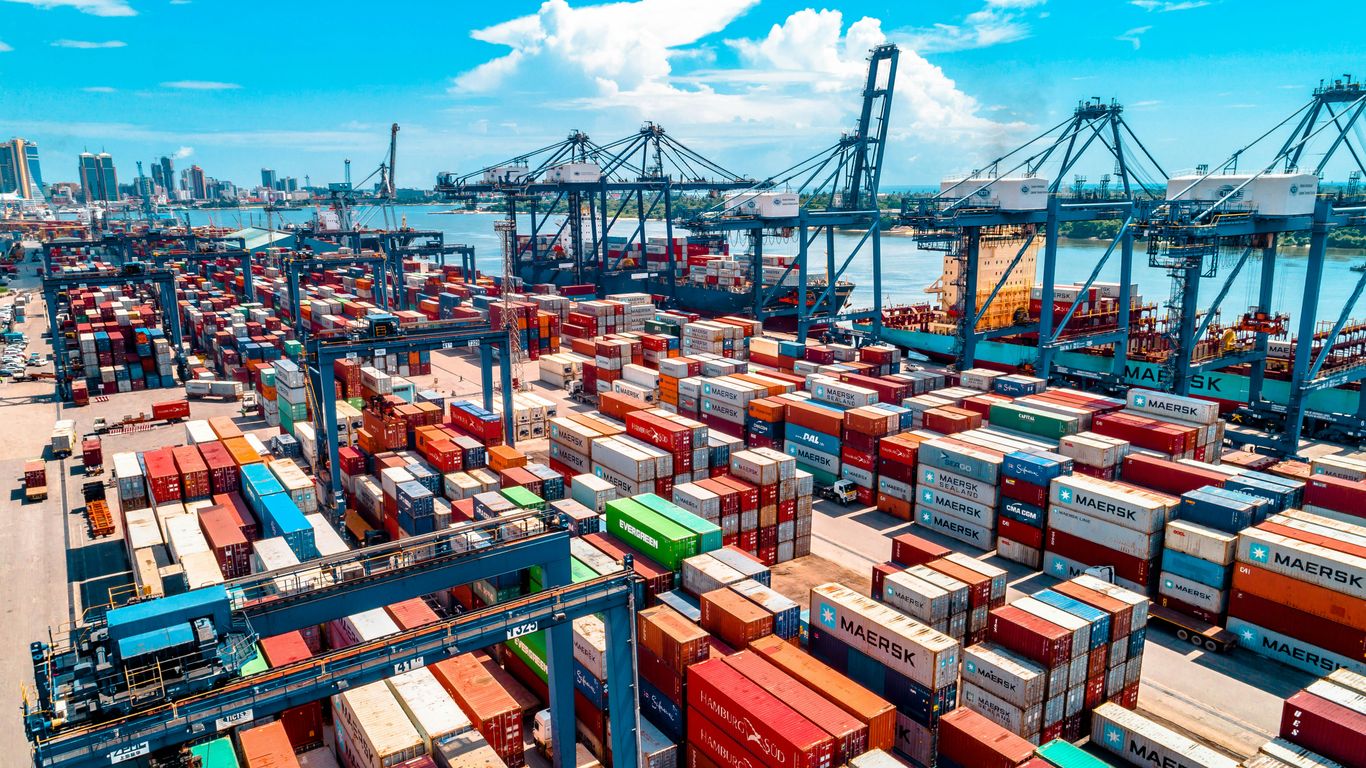
Goods imported for use, sale or distribution in Singapore will generally need the appropriate import declaration unless a specific exemption applies. The importer should confirm its role as importer of record, check whether the goods are controlled and prepare the commercial and transport documents before arrival. Duty and GST treatment should be considered alongside the permit, not after release is requested.
Exporting Singapore-origin and re-exported goods
Exports can involve Singapore-origin goods or goods previously imported and then sent onward. The exporter should distinguish the origin position from the place of dispatch and check whether the destination requires a certificate or preferential origin document. A Certificate of Origin may be relevant where an importing country asks for evidence of origin or preferential treatment.
Moving cargo through Singapore under transhipment arrangements
Transhipment involves cargo passing through Singapore rather than being entered for local consumption. The route, conveyance, storage location and timing must be consistent with the applicable permit conditions. Freight and warehouse teams should know whether cargo is staying under customs control and which party is responsible for each declaration.
Handling controlled, prohibited and strategic goods
Controlled goods may require approval from a Competent Authority, while prohibited goods cannot be imported or exported in the ordinary way. Strategic goods and sensitive items can also attract additional controls. Product descriptions should therefore be checked against the relevant regulatory requirements before a permit application is submitted, rather than relying on a general commercial description.
Preparing your business for Singapore Customs clearance
Preparation begins with the business, not the shipment. A company needs the right registration details, access arrangements, internal ownership and product information before its first commercial movement. The process can be reviewed against a practical customs preparation checklist so that administrative and operational gaps are identified early.

Registering the business and obtaining a UEN
A business generally needs a Unique Entity Number, or UEN, for its customs-related activities. The name, address and registration details used in the declaration should match the organisation’s official records. Where several entities participate in a supply chain, each party’s role and identifying details should be agreed before filing.
Setting up a Customs account and TradeNet access
The business should activate the relevant Singapore Customs account and arrange TradeNet access before a permit is needed urgently. It should also confirm whether bank guarantees, account arrangements or other prerequisites apply to its intended activity. Access credentials and filing responsibilities should be controlled internally, especially where multiple staff or external agents handle declarations.
Choosing between self-filing and using a declaring agent
Self-filing can suit a business with regular shipments, trained staff and a controlled review process. A declaring agent may be more suitable when shipments are occasional, urgent or technically complex, provided the parties agree who supplies data and who checks the final declaration. IMPORT.SG provides structured declaration support within an agreed scope, while the business remains responsible for supplying accurate commercial information.
Checking product-specific licences and agency approvals
A permit application may need supporting approval from a Competent Authority for controlled goods. The business should identify the product by its actual specifications, intended use and applicable HS code, then confirm whether a licence, registration or certificate is required. An approval that is valid for one product, quantity or movement should not automatically be assumed to cover another.
Applying for a cargo clearance permit
A permit application is a structured declaration, so speed should not come at the expense of consistency. The applicant or declaring agent must use the transaction documents to populate the form accurately and preserve the supporting evidence. A step-by-step permit application guide is useful when setting up a repeatable internal procedure.

Selecting the correct permit declaration type
Begin by identifying whether the movement is an import, export or transhipment and whether it involves temporary admission, controlled goods or another special arrangement. Transport mode and cargo location can affect the applicable declaration details. If the transaction does not fit the ordinary pattern, obtain clarification before submitting rather than choosing the closest-looking option.
Entering shipment, trader and cargo details
The declaration should identify the importer, exporter, declaring party, consignee, consignor, transport document and relevant route information as required. Cargo descriptions should be clear enough to support classification and regulatory review. Reference numbers should be checked against the invoice, packing list and bill of lading or airway bill.
Classifying goods with the correct HS code
The HS code affects the customs treatment of the goods and can influence whether controls, duties or supporting approvals apply. Classification should be based on the product’s composition, function and relevant tariff guidance, rather than a convenient description used in a sales system. When the product is unfamiliar, retain the reasoning and source material used to reach the classification.
Declaring the customs value, quantity and country of origin
The customs value, quantity, currency and origin must reflect the transaction documents and the applicable valuation rules. Country of origin is not necessarily the same as the country from which the goods were shipped. Differences between the invoice, purchase order and declaration can prompt questions or delay release.
Checking the application before submission
A final review should compare the declaration with every material shipment record and approval. This is the point to confirm the permit type, parties, HS code, quantities, value, origin, transport details and supporting licences. IMPORT.SG’s Customs Permit Declaration service is described as supporting the process of obtaining a Cargo Clearance Permit through TradeNet, within the agreed scope of the engagement.
Documents and information required for customs clearance
The permit is only one part of the clearance file. A complete file allows the declaring party to explain what the goods are, who bought or sold them, how they moved and how the declared value was determined. Documents should be collected before filing and reconciled rather than stored as disconnected attachments.
Commercial invoices and packing lists
The commercial invoice normally supports the seller, buyer, description, price, currency and terms of sale. The packing list helps confirm packages, marks, weights and quantities. Both should describe the same shipment as the declaration, with any differences explained and documented.
Bills of lading and airway bills
A bill of lading or airway bill supports the transport details, parties, routing and shipment reference. It may also be needed by the carrier, freight forwarder or warehouse before cargo is released. The transport document should be checked against the permit so that container numbers, packages and consignee details do not conflict.
Certificates of origin and preferential tariff documents
A certificate of origin may be required by the destination country or used to support a preferential tariff claim under an applicable trade arrangement. The origin statement must be supported by the relevant production or sourcing records. It should not be treated as a substitute for the customs permit or the commercial invoice.
Supporting licences for controlled goods
Controlled goods may need licences, authorisations or certificates from the relevant authority. The document should cover the actual product, quantity and movement described in the permit. Keep approval references visible in the clearance file so that a query can be answered without reconstructing the transaction.
Records required for valuation and verification
Maintain purchase orders, payment records, contracts, freight charges and other evidence relevant to the declared value and origin. A consistent filing structure helps the business respond to post-clearance verification. The document reconciliation guide provides a practical way to compare invoices, packing lists and transport records before submission.
Managing duties, GST and trade arrangements
Customs duty and import GST are separate considerations from the administrative act of filing a permit. The outcome depends on the goods, classification, customs value, origin and applicable relief or arrangement. Businesses should estimate the liability early enough to plan payment and avoid treating a duty-free movement as automatically exempt from declaration.
Calculating customs duty and import GST
Start with the correct HS code and customs value, then apply the relevant rate and GST treatment. Freight, insurance and other elements may need to be considered under the applicable valuation rules. Calculations should be retained with the transaction file so that the basis for the amount can be explained later.
Identifying dutiable goods and excise-controlled products
Singapore’s dutiable goods include specified categories that can attract customs duty or excise duty. Classification and product characteristics determine whether the goods fall within those controls. A business should not rely on the absence of duty on a previous shipment when the product, value or arrangement has changed.
Applying zero-GST warehouse and free trade zone procedures
Zero-GST warehouse and free trade zone procedures can affect when goods are accounted for, but they do not remove the need to follow the relevant movement and record requirements. The storage location, transfer and eventual removal of the goods must be documented. Warehouse and declaration teams should use the same shipment references throughout the process.
Using trade agreements and preferential tariff treatment
Preferential treatment generally depends on meeting the agreement’s origin rules and presenting the required evidence. A certificate or origin declaration should be checked against the specific destination, goods and consignment. The importer in the receiving country may also have its own documentation and timing requirements.
Avoiding errors in customs valuation
Valuation errors often arise when invoice price, freight, insurance, related-party arrangements or assists are handled inconsistently. The business should identify which amounts form part of the customs value and retain the calculations. The following compact review sequence is useful before finalising a declaration:
- Confirm the transaction price and currency against the commercial invoice.
- Check freight, insurance and other relevant charges under the applicable rules.
- Review related-party terms and any adjustments that may affect value.
- Preserve purchase, payment and calculation records with the permit file.
This review does not replace the applicable valuation rules, but it gives the team a clear evidence trail. It also makes it easier to explain a calculation if Singapore Customs asks for clarification.
Completing clearance and maintaining compliance
Approval of a permit is not the end of the workflow. Cargo release still depends on the carrier, warehouse, port or airport process and on any conditions attached to the movement. The business should close the file only after the shipment, documents, approvals and actual movement have been reconciled.
Responding to permit queries, rejections and amendments
A query or rejection should be read against the specific field, document or control that triggered it. Correct the underlying information rather than making an unexplained change, and ensure any amendment remains consistent with the commercial records. Keep the original submission, correspondence, revised declaration and approval together.
Coordinating cargo release with freight and warehouse teams
The declaring party should communicate the permit status and any release conditions to the freight forwarder, carrier and warehouse team. Timing matters when storage charges, vessel cut-offs or delivery appointments are involved. A single operational contact can reduce the risk of different teams acting on outdated information.
Retaining permit and shipment records
Permit applications, approvals, invoices, packing lists, transport documents, licences and correspondence should be retained in an organised file. Singapore Customs record-keeping obligations should be checked for the relevant transaction, with five-year retention commonly forming part of the compliance framework for customs records. The commercial clearance records guide offers a useful structure for assigning responsibility after cargo release.
Preparing for Singapore Customs audits and inspections
An audit or inspection may require the business to demonstrate how it classified goods, calculated value, established origin and obtained approvals. Records should be searchable and linked to the relevant permit and shipment reference. Internal reviews of recurring products and trade lanes can identify patterns before they become formal findings.
Reviewing penalties and corrective actions for non-compliance
If an error is identified, record what happened, which shipment was affected, how the issue was corrected and what control will prevent recurrence. Corrective action may include retraining, an approval checklist, clearer ownership or a review of product classifications. External authorities determine enforcement outcomes; the business can nevertheless improve the quality and traceability of its process.
For businesses coordinating several moving parts, request clearance support when the agreed scope, timing and available documents need to be assessed together.
Request A Customs Review
If your shipment, permit timing or supporting documents require coordination, contact IMPORT.SG with the available details. The team can assess the requested scope and prepare a tailored commercial proposal for declaration and trade documentation support.
Conclusion
A smooth Singapore customs process depends on getting the fundamentals right before cargo moves: identify the permit type, verify the parties and goods, reconcile the documents, confirm duties and approvals, and retain a clear record after release. Treating the declaration as a controlled business process gives importers, exporters and logistics teams better visibility over responsibility and timing.
Frequently Asked Questions
Is a cargo clearance permit required for every shipment?
No. The requirement depends on the nature and movement of the goods, the applicable customs rules and any available exemption or simplified procedure. Commercial imports, exports and transhipments should each be assessed before shipment.
Can duty-free goods move without a permit?
Not necessarily. Duty treatment and declaration requirements are separate questions, so duty-free or GST-relieved goods may still require an appropriate permit.
What is TradeNet used for?
TradeNet is Singapore’s electronic single window for submitting trade declarations. Businesses or their declaring agents use it to submit the relevant permit application and manage responses.
Who can submit a customs permit application?
A business may file through its own authorised arrangements or appoint a declaring agent. The parties should agree who supplies the information, checks the declaration and responds to customs queries.
What documents are commonly needed for clearance?
Common records include the commercial invoice, packing list, bill of lading or airway bill, relevant licences and origin documents. The precise requirements vary with the goods, route and permit type.
How should a business handle a rejected permit?
Review the rejection reason, identify the incorrect or missing information, and correct the declaration using supporting evidence. Keep the original submission and the amended records together for traceability.
How long should customs records be kept?
The business should follow the applicable Singapore Customs record-keeping requirement for the transaction. A structured file containing the permit, supporting documents, approvals and correspondence helps meet that obligation and supports later verification.