Compliance Records
Customs Clearance Documents Singapore: Complete Checklist for Importers
Key Takeaways
- Accurate customs classification determines the duty and GST liabilities for your imported goods.
- Essential commercial documentation includes invoices, packing lists, and certificates of origin for verification.
- Using the TradeNet system is mandatory for Electronic filing and digitised permit management in Singapore.
- Importers must maintain detailed records systematically for a period of at least five years to support potential audits.
- Engaging with regulatory agencies early ensures that controlled goods receive the necessary permits before arrival.
Understanding Singapore customs regulations for importers

Navigating the regulatory landscape requires a clear understanding of the local requirements set forth by authorities. Importers must approach the process with precise attention to detail to ensure compliance with Singaporean laws. Building a relationship with a partner like IMPORT.SG helps centralise documentation workflows, allowing businesses to maintain operational control while navigating these systemic requirements.
Overview of Singapore Customs authorities
Singapore Customs serves as the primary agency overseeing the movement of goods across borders. Their role encompasses the implementation of trade policies and the collection of duties related to imported items. For those seeking structured support, this guide to customs clearance provides a framework for understanding how to streamline logistical processes.
Determining the tariff classification of goods
Correct classification is the backbone of any legal import declaration. Every product must be assigned the correct Harmonised System code to reflect its nature, which directly impacts the duty rates applied. Importers can often find helpful classification insights to ensure their product descriptions align with official expectations.
Calculating import duties and GST
Duties and Goods and Services Tax are calculated based on the Cost, Insurance, and Freight (CIF) value of the shipment. Accuracy in valuation is essential to prevent penalties or unnecessary delays at the border. Businesses should ensure their accounting practices facilitate easy identification of these costs.
Identifying controlled versus non-controlled items
Many goods, such as food or medicine, fall under the scope of specific Competent Authorities. It is essential to identify the nature of your cargo early, as these items often require additional licenses before arrival. Further insights on Controlled Goods can assist in managing these sensitive shipments effectively.
Essential commercial documents for customs declaration

Commercial documentation acts as the foundational evidence for your customs declaration. Ensuring these documents are perfectly aligned with the actual shipment protects against administrative rejections and potential storage costs. Importers often look to simplify import operations by refining how they manage their essential paper trails.
Requirements for the commercial invoice
An invoice must clearly state the value, quantity, and description of the goods being imported. Customs officers rely on this document to verify the tax assessment, so clarity is paramount.
Proper completion of the packing list
Detailed packing lists provide a logical breakdown of weight, dimensions, and contents within each package. This transparency allows for faster inspection when physical checks are deemed necessary.
Verification of the certificate of origin
Origin documents prove the manufacturing source of goods, which is necessary if you intend to claim preferential treatment under a Free Trade Agreement. The following table outlines the foundational documentation requirements for a standard import.
| Document Type | Primary Purpose | Retention Necessity |
|---|---|---|
| Commercial Invoice | Value verification | Mandatory |
| Packing List | Content tally | Mandatory |
| Bill of Lading | Title of cargo | Mandatory |
| Origin Certificate | Duty eligibility | Recommended |
The table above highlights the importance of maintaining thorough records for every transaction conducted.
Use of proforma invoices for non-commercial shipments
Proforma invoices are frequently used for sample shipments, donations, or items not intended for eventual sale. These must be clearly marked to ensure they are assessed correctly without confusion regarding their status.
Key logistics and shipping documentation
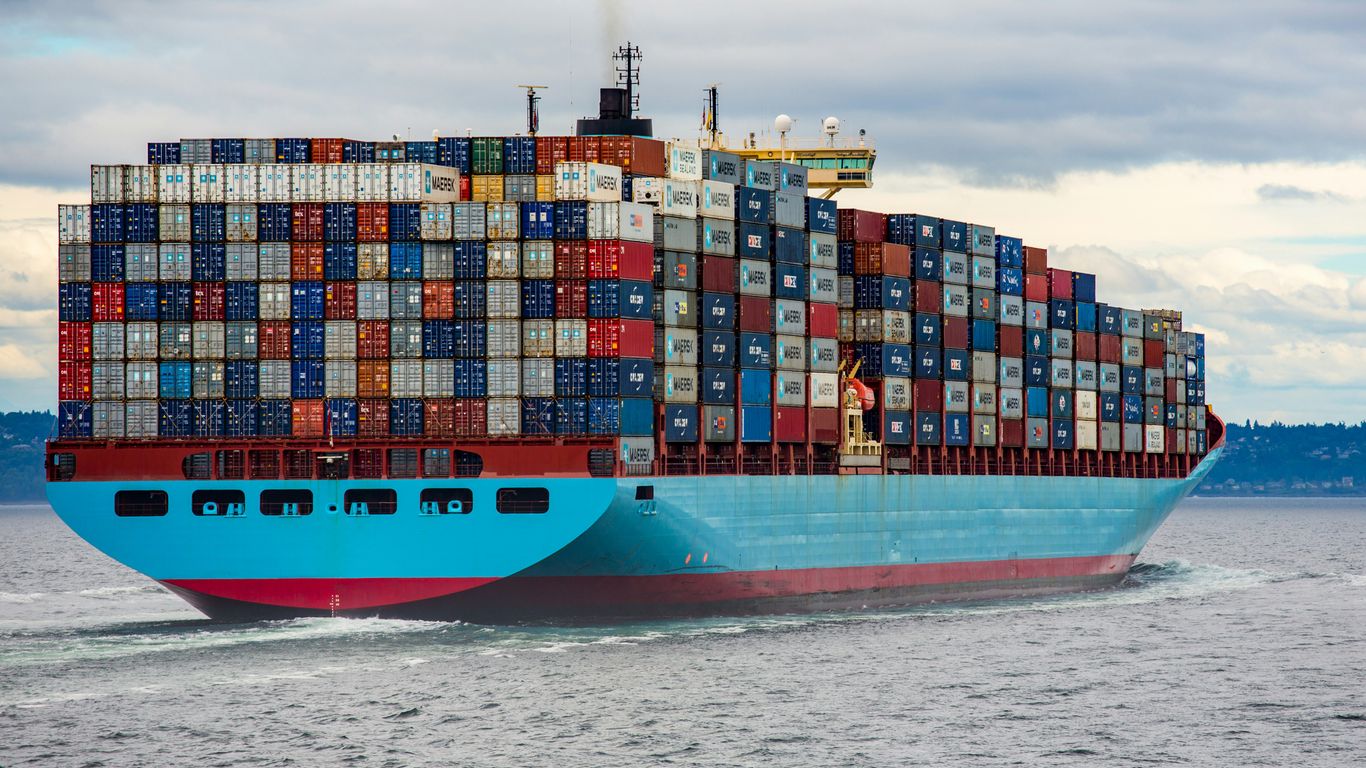
Logistics documentation bridges the gap between the physical movement of cargo and the digital administrative records. Coordinating these effectively ensures that once the cargo berths or lands, the clearance process moves without unnecessary stops. IMPORT.SG offers a structured approach to managing these vital points of contact.
Role of the bill of lading or air waybill
These documents represent the contract of carriage and serve as the receipt for cargo issued by the carrier. Accurate data entry here is non-negotiable for proving ownership and tracking transit status.
Importance of the delivery order
Once the goods arrive in the destination port, the carrier issues a delivery order to the importer or their representative. This document acts as the final gate pass, authorising the release of the goods to the nominated transporter.
Insurance certificates for high-value cargo
High-value items warrant special care during transit. Carrying comprehensive insurance certificates confirms that financial contingencies are covered while goods are under the care of the logistics provider.
Requirements for cargo manifest data
Manifests must be submitted with correct data to ensure customs visibility. Below are the key steps for effective logistics coordination:
- Consolidate all packing lists into a single digital folder prior to arrival.
- Confirm the bill of lading matches the commercial invoice exactly.
- Submit the required declarations via TradeNet before the cargo manifest is locked.
- Coordinate directly with your freight forwarder to verify port arrival dates.
Following these steps reduces the risk of errors that could lead to financial or temporal setbacks.
Navigating permits and licences for regulated goods

Permits are the authority granted to clear goods that are otherwise subject to trade restrictions. Managing this process requires diligence and an understanding of the specific requirements of various agencies. For deeper expertise, those interested should review the customs permit guide to better understand their specific commodity obligations.
When to apply for a Customs import permit
Permit applications should be submitted at the earliest possible stage, well before the arrival of the vessel or aircraft. Early application prevents the goods from accruing detention or storage charges at the warehouse.
Managing controlled goods through TradeNet
TradeNet serves as the primary system for all permit-related interactions in the Singaporean trade ecosystem. It is where all declarations are validated before the goods are released from the customs control area.
Coordinating with partner agencies for specific permits
Different classes of goods require approval from disparate government bodies. Successful importers establish communication channels with these agencies early to secure approvals ahead of time.
Exemptions and simplified clearance procedures
Certain categories of goods might qualify for simplified procedures or duty exemptions. Assessing these options with a specialist like IMPORT.SG helps importers make decisions that align with their operational budget and timelines.
Digital documentation and the TradeNet system
Digital systems require consistent protocols and standardisation across a company. By digitising the workflow, trade participants can respond to queries from customs much faster than they would with physical files. Businesses should explore how they can better manage international trade by adopting digital filing best practices.
How to register as a TradeNet user
Registration requires a valid UEN and setup with the appropriate service provider accounts. This ensures that the entity is authorised to submit data directly into the government systems.
Electronic filing and document submission protocols
Filing protocols must be strictly followed to ensure data integrity. Every submission should undergo an internal review before being transmitted to the customs interface.
Troubleshooting common TradeNet rejection issues
Rejections are often due to simple data mismatches like mismatched HS codes or incorrect unit measurements. Examining the rejection codes provided by the system is the first step toward correcting the file for re-submission.
Using the Customs Ruling Unit for classification guidance
When a product is novel or difficult to classify, the Customs Ruling Unit provides official guidance. Obtaining an advance ruling minimises the risk of future valuation disputes.
Record-keeping and post-clearance compliance
Compliance does not end once the goods are cleared; it extends to the storage and auditability of your historical data. Businesses must ensure that all relevant documentation for, the importer role is maintained securely.
Mandatory retention periods for customs records
Singaporean regulations require that all trade records be stored for at least five years. This period ensures that customs can conduct audits to verify compliance retrospectively.
Preparing for Singapore Customs audits
Audits are a reality for many importers. Staying organised with compliance records makes the auditor’s job easier and reduces the likelihood of complex investigations into your business history.
Managing importer of record responsibilities
Being the importer of record carries broad liability for the customs and duty status of the cargo. Each entity must accept this responsibility as a fundamental part of its business operations.
Implementing internal document control processes
Internal controls involve periodically reviewing documentation habits to identify areas for improvement. Consistent internal reviews act as a buffer against human error and help preserve the company’s integrity in the eyes of the regulator.
Conclusion
Successfully managing customs clearance documents in Singapore requires a commitment to order and accuracy throughout the import journey. By understanding the regulatory landscape, maintaining digital records, and managing commercial documents with care, you can ensure that your goods transit efficiently. Focus on these foundational practices to maintain compliance while staying prepared for any audits or trade inquiries, ensuring the long-term success of your international supply chain operations.
Frequently Asked Questions
What are the main documents needed to import goods into Singapore?
Importers generally require a bill of lading or air waybill, a detailed commercial invoice, a packing list, and any necessary permits or licences depending on the type of goods.
Why is the TradeNet system important for importers?
TradeNet is the national trade platform where all electronic permit applications are submitted, providing a unified and secure system for customs declaration in Singapore.
How long should I keep my customs records?
Under local requirements, all documents pertaining to your imports, such as invoices and permit records, must be kept for a period of five years.
What happens if I misclassify my goods?
Misclassification can lead to incorrect duty payments, customs penalties, and potential delays in clearing your cargo as customs agents may require verification of the goods.
Do I need a special licence for all imported items?
No, not every item requires a specific licence, but goods classified as controlled items by specific government agencies do require prior approval before import.
How can I prepare for a potential customs audit?
Preparation involves maintaining a well-organized and consistent filing system for all trade records, ensuring that every import declaration is supported by proper commercial and logistics documentation.
Can I use a proforma invoice for non-commercial goods?
Yes, proforma invoices are standard for shipments that do not involve a commercial sale, such as promotional samples, but they must still accurately reflect the description and estimated value of the goods.