Compliance Records
Import Export Documentation Services Singapore: Avoid Shipment Delays with Better Document Readiness

Key Takeaways
Proper documentation is the foundation of efficient international trade operations in Singapore, directly impacting speed and compliance.
- Accuracy in shipping documents reduces the risk of costly customs delays.
- Standardised workflows help businesses manage complex regulatory requirements effectively.
- Digital transformation is rapidly replacing paper-based processes to enhance transparency.
- Regular internal audits ensure long-term readiness for changing international trade laws.
- Professional coordination centralises documentation tasks, reducing the administrative load on internal teams.
The role of documentation in Singapore’s trade landscape
Trade documentation acts as the vital link between physical goods crossing borders and the legal requirements established by regulatory bodies. Whether dealing with sea, air, or land transport, the precision of these records dictates the efficiency of the entire supply chain. Managing these interconnected processes requires a structured approach to maintain visibility and accountability.
Streamlining customs clearance through accuracy
Accurate documentation minimises friction at the border, allowing goods to move without unnecessary disruption. Customs authorities rely on the data provided to assess risk and tax liability, making the quality of information paramount. When declarations are precise, the entire Singapore customs clearance help process becomes predictable and efficient.
Adhering to Singapore Customs and regulatory requirements
Compliance is a non-negotiable aspect of trading within or through Singapore. Importers and exporters must demonstrate a clear understanding of Singapore customs workflows and regulatory expectations. Failing to align with these standards can lead to severe service disruptions or legal complications for businesses of any size.
Minimising financial losses from storage and demurrage fees
Shipment delays often result from documentation oversights, leading directly to unplanned storage and demurrage charges. These extra costs erode profit margins and disrupt operational schedules. By ensuring that all paperwork is aligned well before departure, businesses avoid the financial drain associated with goods sitting idle at the port.
Essential documents for import and export compliance

Maintaining a library of correct documents ensures that every shipment meets the necessary criteria for entry or exit. Different jurisdictions and cargo types demand specific paperwork, and the lack of a single document can halt operations entirely. Relying on import export documentation services Singapore allows companies to manage these requirements as a continuous and organised workflow.
Commercial invoices and packing lists
These documents are the cornerstone of any shipment, providing the foundational details regarding value, quantity, and contents. A commercial invoice identifies the transaction terms, while a packing list details the exact physical state of the consignment for verification purposes.
Bills of lading and air waybills
These transport documents serve as evidence of the contract of carriage and as receipts for the goods. They are essential for tracking the movement of cargo between parties and securing title during the international transport process.
Certificates of origin and preferential trade agreements
Documentation confirming where goods were produced is vital for determining duty eligibility. Utilizing these certificates correctly allows companies to benefit from preferential trade agreements, which can represent significant financial savings.
Import and export permits via TradeNet
TradeNet is the primary engine for customs declarations in Singapore, requiring specific permit types for different cargo scenarios. Navigating this portal effectively is essential for compliance and requires consistent data entry practices.
Common causes of shipment delays
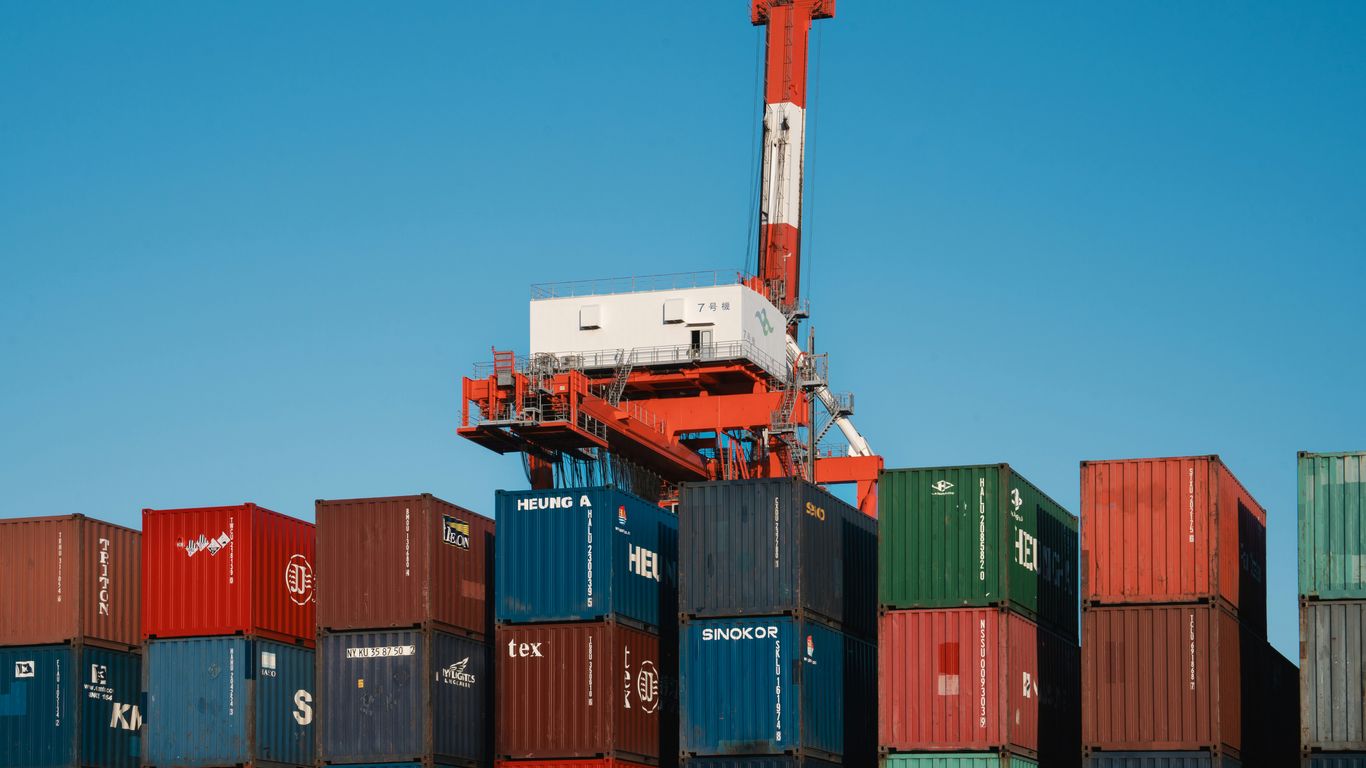
Delays frequently arise when information is disjointed or managed reactively rather than proactively. Identifying these bottlenecks early is essential to maintaining high operational standards.
Inconsistent information across shipping documents
When details on an invoice do not match the bill of lading or the permit, customs authorities may freeze the shipment. This inconsistency is a frequent trigger for manual audits that halt the transit process entirely.
| Issue Type | Consequence | Mitigation Strategy |
|---|---|---|
| Mismatched HS Code | Duty miscalculation | Automated classification |
| Weight discrepancy | Cargo safety hold | Verified weighing |
| Incomplete origin data | Penalty or rejection | Pre-shipment review |
These discrepancies are often caught only after the shipment has already reached the terminal, making proactive verification a critical step in shipping document preparation Singapore.
Failure to declare controlled or hazardous goods correctly
Certain items require specific licenses or specialized declarations due to their nature. Handling Controlled Goods necessitates a rigorous screening process to ensure that all safety requirements are met and documented before the shipment begins its journey.
Missing or expired trade licences and permits
Allowing essential trade licenses to lapse is a common operational failure that leads to immediate stoppage. Maintaining a central record-keeping system ensures that all permits are current and accounted for well ahead of any planned movement.
Improper harmonised system (HS) code classification
HS codes determine the customs duty and regulatory requirements for goods. Assigning an incorrect code is a frequent source of administrative friction, often leading to fines or the rejection of goods by customs officials.
Benefits of engaging professional import export documentation services Singapore

Professional services offer a way to consolidate fragmented tasks, providing businesses with a reliable framework for handling documentation that would otherwise require significant internal effort. By acting as a single point of coordination, these services ensure that every detail is managed in line with current trade requirements.
Expertise in navigating complex cross-border regulations
International trade is governed by a shifting landscape of laws and bilateral agreements. Professionals understand the nuances of these frameworks and translate them into actionable steps for each shipment.
Reducing the administrative burden on internal teams
Managing export and import paperwork diverts valuable time away from core business operations. Outsourcing this function allows companies to focus on their primary growth strategies while ensuring that compliance duties are handled by dedicated specialists.
Leveraging technology to ensure data integrity
Using modern platforms to digitise and validate information reduces the potential for human error. These tools provide a transparent audit trail, ensuring that all records are consistent and readily available for periodic reviews.
Handling complex documentation for specialised industries
Certain sectors, such as electronics or perishables, have unique documentation needs that demand deep subject matter expertise. Specialized support ensures that these high-value shipments meet all quality and safety protocols seamlessly.
Advancements in digitising trade procedures

The transition towards paperless operations is transforming how trade happens, replacing traditional manual handling with faster, digitally integrated systems. This shift provides greater security and speed, as digital records are easier to trace, verify, and store compared to physical archives.
The shift towards electronic trade documentation
Electronic formats are becoming the industry standard, facilitating instant data transfer between exporters, carriers, and customs agencies. This change dramatically improves the speed of information processing throughout the international trade paperwork Singapore landscape.
Implementing paperless trade platforms for faster processing
Platforms designed for paperless interactions allow multiple stakeholders to access and update documentation simultaneously. This visibility reduces the back-and-forth communication that typically slows down the logistics chain.
Enhancing supply chain transparency via digital records
A unified digital trail ensures that shippers and receivers have clear oversight of where their documentation stands at any moment. Digital records also make it significantly easier to maintain audit-ready systems that can adapt to rapid changes in global trade policy.
Best practices to maintain long-term document readiness
Building a culture of readiness involves creating internal habits that prioritize consistency over speed. When documentation is viewed as a strategic asset rather than an administrative necessity, it becomes much easier to scale trade operations safely and efficiently.
Establishing standardised internal document workflows
Consistency starts at home. Businesses should establish clear, repeatable processes for preparing common documents, ensuring that every member of the team follows the same high standard, regardless of the shipment destination.
Regularly reviewing changes in international trade law
Trade regulations change frequently, and awareness of these updates is vital for maintaining compliance. Proactive monitoring helps identify potential risks before they impact active shipments.
Conducting periodic audits of documentation systems
- Reviewing historical shipment data for common errors.
- Checking the validity of active trade licenses.
- Auditing permit application response times.
- Verifying accuracy of saved HS classification logs.
Performing these audits at regular intervals ensures that no outdated or non-compliant information remains in the system. This practice provides peace of mind when regulatory bodies conduct checks on company history.
Training staff on current Singaporean trade compliance standards
Ongoing education allows teams to stay informed about local and international trade practices. Ensuring staff are trained properly supports a reliable culture of compliance and reduces the likelihood of costly errors occurring during the shipment lifecycle.
Conclusion
Effective trade documentation serves as the backbone of seamless logistics in Singapore, transforming potential regulatory challenges into predictable operational steps. By prioritizing accuracy, adopting digital tools, and maintaining a proactive approach to compliance, businesses can navigate the complexities of international trade with greater confidence and speed. Whether utilizing internal resources or professional coordination services, the goal remains the same: minimizing friction and ensuring that goods reach their intended destination efficiently.
Frequently Asked Questions
How often should trade documents be updated?
Trade documents should be reviewed and updated whenever international regulations, local trade laws, or specific product details change. Maintaining a regular audit schedule ensures that all information remains aligned with current requirements.
Why are HS codes critical for customs clearance?
HS codes are essential because they dictate a product’s duty rates, tax obligations, and any necessary trade permits. Providing an inaccurate code can lead to customs holds, unexpected financial penalties, and supply chain delays.
What are common signs that documentation is not ready?
Common indicators include repeated requests for information from freight forwarders, shipment holds at the terminal, missing signatures on essential forms, or mismatched data across different shipping labels and invoices.
Can digital documents replace physical copies entirely?
Many aspects of international trade have moved to digital-first formats, including customs permit declarations and electronic bills of lading. However, it is always recommended to verify the specific requirements of the destination country and any involved financial institutions.
What should be included in a standard shipping record?
A standard record typically includes the commercial invoice, packing list, bill of lading or air waybill, any necessary certificates of origin, and a copy of the approved customs declaration permit.
How do preferential trade agreements impact documentation?
These agreements allow for lower duty rates if specific originating criteria are met. Demonstrating this eligibility through valid and detailed certificates of origin is required to claim the associated financial advantages.
Why is document readiness vital for urgent shipments?
For urgent logistics, there is no time to rectify mistakes or retrieve missing paperwork at the port. Having every document prepared, validated, and accessible in advance prevents the shipping process from being interrupted by avoidable administrative hurdles.