Compliance Records
Trade Facilitation Services Singapore: Simplifying Customs and Documentation Workflows
Key Takeaways
Trade facilitation encompasses the simplification, modernisation, and harmonisation of international trade processes to reduce transaction time and costs for businesses in Singapore. By leveraging expert support and integrated technology, companies can significantly reduce trade friction and maintain high levels of customs compliance.
- Standardising documentation workflows enhances operational speed and accuracy.
- Digital integration reduces reliance on paper-based processes and manual data entry errors.
- Strategic use of regional free trade agreements lowers tariff costs for active importers.
- Outsourcing complex regulatory tasks provides agility for businesses managing peak demand cycles.
- Real-time data access ensures superior supply chain visibility and informed decision-making.
Understanding the role of trade facilitation services in Singapore
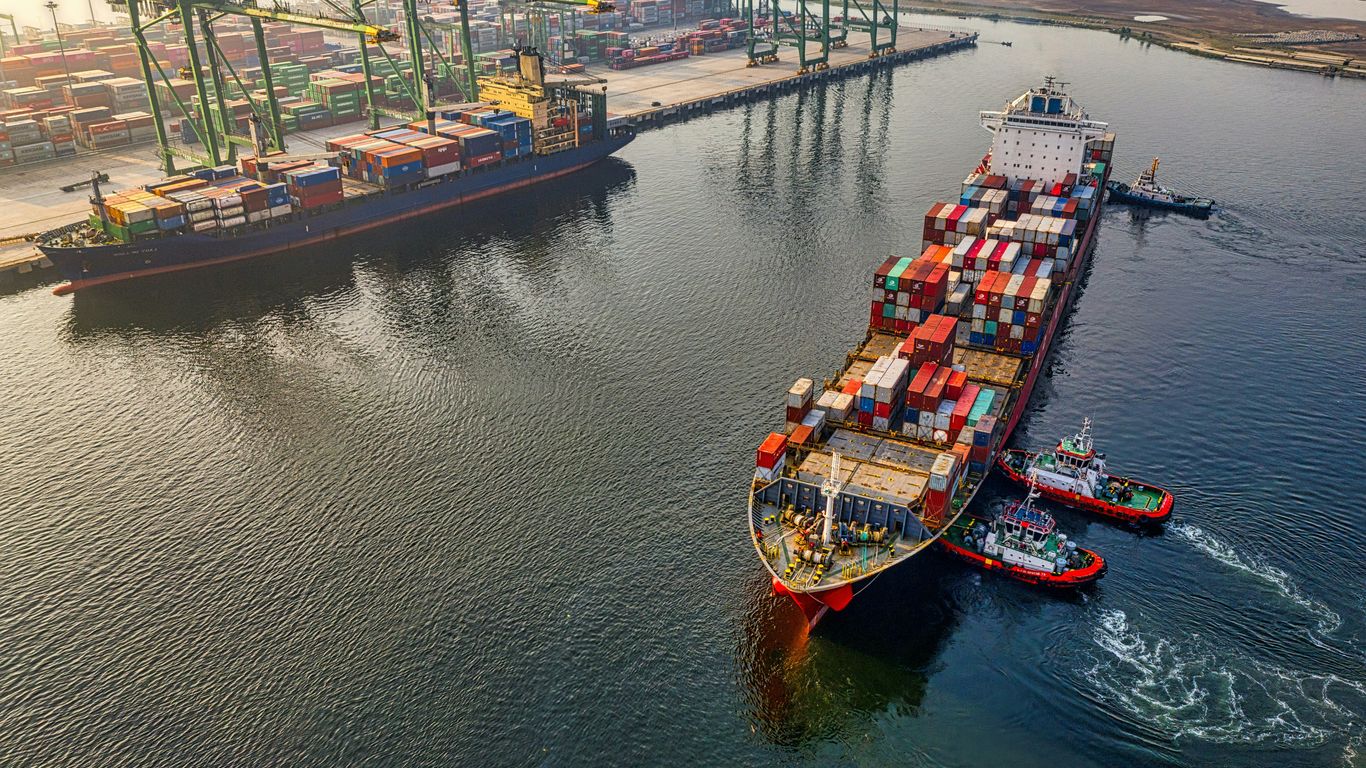
Singapore maintains a premier status in global commerce because it continuously adapts its regulatory framework to support seamless cross-border movement. Effective management of trade relies on a multi-faceted approach, balancing strict regulatory oversight with the need for rapid cargo processing. When businesses engage with Government & Trade Facilitation principles, they align their operational goals with the national strategy of fostering a transparent, efficient trading hub. This alignment helps mitigate the complexities often associated with streamlining import export Singapore by ensuring that every shipment adheres to evolving international standards.
Defining trade facilitation in the Singaporean context
Trade facilitation within Singapore refers to the structured effort to remove technical and procedural obstacles that delay the flow of goods across borders. It involves the integration of electronic systems and standardised protocols to make trade transparent and predictable. By focusing on systemic efficiency, the ecosystem allows companies to handle volume surges without compromising the integrity of their supply chains.
Key benefits for local exporters and importers
Local companies often encounter challenges related to shifting regulatory landscapes and document verification requirements. Access to professional trade knowledge helps firms manage these variables more effectively, allowing for consistent performance even during market volatility. When companies utilise structured workflows for reducing trade friction Singapore, they gain a competitive edge by avoiding unnecessary administrative delays.
Impact on Singapore’s regional trade competitiveness
Singapore’s commitment to paperless trade keeps its ports and trade corridors functioning at peak efficiency. This infrastructure supports both the import of raw materials and the distribution of finished goods across Southeast Asia. By maintaining lean operational requirements, the logistics sector ensures that local businesses remain attractive partners for international suppliers.
Streamlining customs compliance and regulatory requirements

The process of clearing goods through borders involves strict adherence to national and international protocols, requiring constant vigilance regarding regulatory changes. Businesses must navigate permit declarations, classification, and controlled goods scrutiny, all of which demand precise data inputs. When companies partner with IMPORT.SG for trade facilitation, they establish a reliable Singapore logistics and customs framework that centralises permit management and improves document accuracy.
Navigating Singapore Customs procedures efficiently
Navigating procedures efficiently requires a deep understanding of the TradeNet system and the specific codes relevant to different cargo types. Misclassification or incomplete documentation often results in significant delays. Developing a robust internal process ensures that declarations are submitted with the necessary supporting documents, keeping shipments moving predictably.
Managing permit applications and declarations
Permit applications necessitate meticulous attention to detail to avoid regulatory flags or penalties. Teams benefit from structured oversight to ensure that every permit matches the corresponding commercial invoice and packing list. The following table identifies common permit considerations for managing routine compliance:
| Compliance Activity | Frequency | Impact on Operations |
|---|---|---|
| HS Code Validation | Per shipment | Prevents duty errors |
| Permit Submission | As required | Determines cargo release |
| Document Archiving | Consistent | Vital for post-audit |
Maintaining these standards allows for faster clearing of shipments and reduces the risk of long-term compliance issues.
Ensuring adherence to strategic goods control
Strategic goods control remains a critical compliance area, requiring specific licenses and detailed end-user information for high-technology or sensitive cargo. Proper vetting ensures that businesses do not inadvertently breach local export control regimes. This necessitates a proactive approach to streamlining import export procedures Singapore through internal audit cycles.
Digital documentation and paperless trade solutions

Digital transformation has fundamentally reshaped how trade documentation is handled, moving away from physical paperwork to instantaneous electronic processing. Embracing these advanced systems reduces human intervention and allows for better tracking of key transit milestones. Companies that adopt these integrated workflows find it easier to designing repeatable e-commerce import workflows while maintaining high security standards at every step of the journey.
Leveraging the Networked Trade Platform
The Networked Trade Platform serves as an essential nexus for sharing data between logistics providers, customs brokers, and shippers. By connecting diverse parties through a single electronic environment, businesses can automate status checks and reduce the likelihood of data discrepancies appearing across different partner systems.
Benefits of electronic bills of lading and digital invoicing
Electronic bills of lading and digital invoicing facilitate instant verification of commercial information, which is central to keeping international trade flowing. These digital formats provide a permanent audit trail, ensuring that all parties possess consistent information regarding shipment volume, value, and origin. Reliable digital processes act as a foundational element for scaling trade operations without the burden of manual document courier services.
Reducing errors through automated documentation workflows
Automation significantly mitigates the risk of common data entry errors during customs declarations. By integrating directly with official systems like TradeNet, electronic workflows ensure that data captured at the point of origin is accurately reflected in all subsequent filings. This precision is essential for maintaining a clean compliance record with authorities.
Navigating international trade agreements and preferential tariffs

Utilising international trade agreements is essential for companies aiming to minimise landed costs in a competitive market. These agreements, which often provide lower duties for goods meeting specific rules of origin, require rigorous documentation to verify eligibility. Coordinating these efforts helps businesses leverage IMPORT.SG for professional international trade documentation help Singapore to ensure full compliance when claiming preferential rates.
Utilising free trade agreements for cost savings
Free trade agreements offer significant tariff reductions for compliant shippers, provided they satisfy specific regional content requirements. Businesses that proactively map their suppliers to these agreements can secure long-term cost benefits across their entire procurement portfolio.
Managing certificates of origin requirements
Managing certificates of origin is a task that requires absolute accuracy regarding materials sourcing and manufacturing location. Providing incorrect origin information can lead to heavy duties or revocation of preferential status, making it vital to keep reliable records that can withstand audit inquiries.
Strategies for complying with regional rules of origin
Compliance depends on maintaining detailed documentation that proves the origin of products at each stage of the supply chain. Establishing clear records for Certificate of Origin applications prevents costly errors at the destination port. This approach turns documentation into a strategic task rather than a reactive cost centre.
Outsourcing trade operations to logistics and trade experts
Scaling an import or export business often requires more than internal capacity can provide. Outsourcing non-core tasks, such as permit declaration and document validation, allows staff to focus on high-level growth strategies rather than administrative burdens. By partnering with IMPORT.SG, organisations gain a clear sense of accountability and consistency across their supply chain.
Evaluating the benefits of third-party trade facilitators
Third-party facilitators provide the technical expertise and software infrastructure needed to handle complex permit filings and urgent documentation. Their role is to interface with regulatory bodies and provide the necessary compliance support to ensure seamless transit. This external support model provides the firm with flexibility during periods of high demand.
Balancing in-house processes versus professional support
Many businesses initially handle their own trade documentation, but they often struggle when shipment volume increases or customs regulations become more granular. A hybrid approach often works well: handling basic operational data in-house while relying on expert partners to review complex declarations, resolve compliance bottlenecks, and handle specialized clearance tasks.
Selecting the right trade facilitation partner in Singapore
When identifying a partner, businesses should prioritise providers that demonstrate high responsiveness and a systematic, documented approach to every task. Look for partners who focus on Trade Operations Archives and have established workflows for managing urgent logistics. It is vital to speak to IMPORT.SG for a quote on simplifying your workflows when you need to focus on complex shipments.
Optimising supply chain visibility through integrated platforms
Optimising visibility throughout the supply chain is vital for modern businesses that operate on tight schedules and narrow margins. Integrated platforms allow teams to track shipments from origin to destination while flagging potential bottlenecks before they impact delivery timelines. This level of digital transparency ensures that all stakeholders, from procurement to the final warehouse manager, receive consistent information.
Tracking shipment progress in real time
Real-time tracking features allow businesses to monitor their cargo status as it passes through various terminal and customs processes. This capability is particularly important for high-value or time-sensitive goods, where knowing the precise location and duty status can inform downstream logistical decisions. Proactive tracking helps avoid unexpected storage fees and port detention charges.
Integrating logistics data with customs systems
Successful integration projects link logistics platforms directly with customs databases to ensure seamless data flow. When shipping notifications trigger automatic permit pre-clearance, the speed of customs release is drastically improved. This synchronisation between the physical move of cargo and the digital documentation ensures that all logistical steps are aligned with regulatory timelines.
Leveraging analytics for improved decision-making
Analytics provide actionable insights into historical performance, helping managers forecast potential risks and optimise transit routes for future shipments. By examining past clearance times and documentation errors, businesses can refine their operations to save both time and money. This feedback loop ensures that every shipment is more efficient than the last, contributing to a truly resilient supply chain.
Conclusion
Trade facilitation services in Singapore are essential to maintaining the fluidity that defines the nation’s trading economy. By adopting structured documentation, embracing digital oversight, and collaborating with experts, companies can successfully overcome the friction associated with complex international procedures and achieve greater consistency in their import and export operations.
Frequently Asked Questions
What are the main benefits of using a formal trade facilitation partner?
Working with a partner provides reliable management of permit applications and documentation, which reduces the internal effort required to handle customs complexity and prevents costly errors.
Why is digital integration necessary for trade compliance?
Digital systems permit instant data verification and maintain an accurate, permanent audit trail, significantly lowering the risk of manual data errors and ensuring compliance during regulatory audits.
How does pre-arrival processing assist in customs clearance?
Pre-arrival processing allows customs authorities to review permit requests before the goods arrive, which speeds up the actual inspection upon arrival and helps avoid port congestion.
What does strategic goods control entail for importers?
Strategic goods control covers the requirement to obtain specific licenses and documentation for items with sensitive or dual-use applications, ensuring that import activities remain within national security mandates.
Are trade facilitation services limited to large enterprises?
Trade facilitation services are accessible and beneficial to businesses of all sizes, especially as they provide the operational expertise required to navigate complex rules that can otherwise overwhelm smaller teams.
Does trade facilitation change the role of Singapore Customs?
Trade facilitation does not replace Singapore Customs; rather, it provides businesses with the necessary tools and processes to interact with Customs more efficiently by ensuring higher data quality and strict adherence to requirements.
How do free trade agreements provide cost savings for businesses?
These agreements allow companies to claim reduced or zero-duty rates on imports if they can provide documented proof that their goods meet regional origin and manufacturing standards.