Customs Permits
Customs Clearance Support Singapore: A Practical Guide for Importers and Exporters
Key Takeaways
Navigating international trade regulations requires a methodical approach to documentation and systemic compliance. By centralising your trade workflows, you can minimise operational bottlenecks and ensure consistent adherence to local regulatory standards.
- Prioritise accurate customs documentation early in the supply chain cycle.
- Utilise the TradeNet system effectively to facilitate timely permit declarations.
- Categorise goods correctly using HS codes to align with GST and duty obligations.
- Maintain robust audit trails to mitigate the risk of retrospective inspections.
- Partner with experienced specialists to bridge the gap between regulatory requirements and operational tempo.
Understanding the customs landscape in Singapore
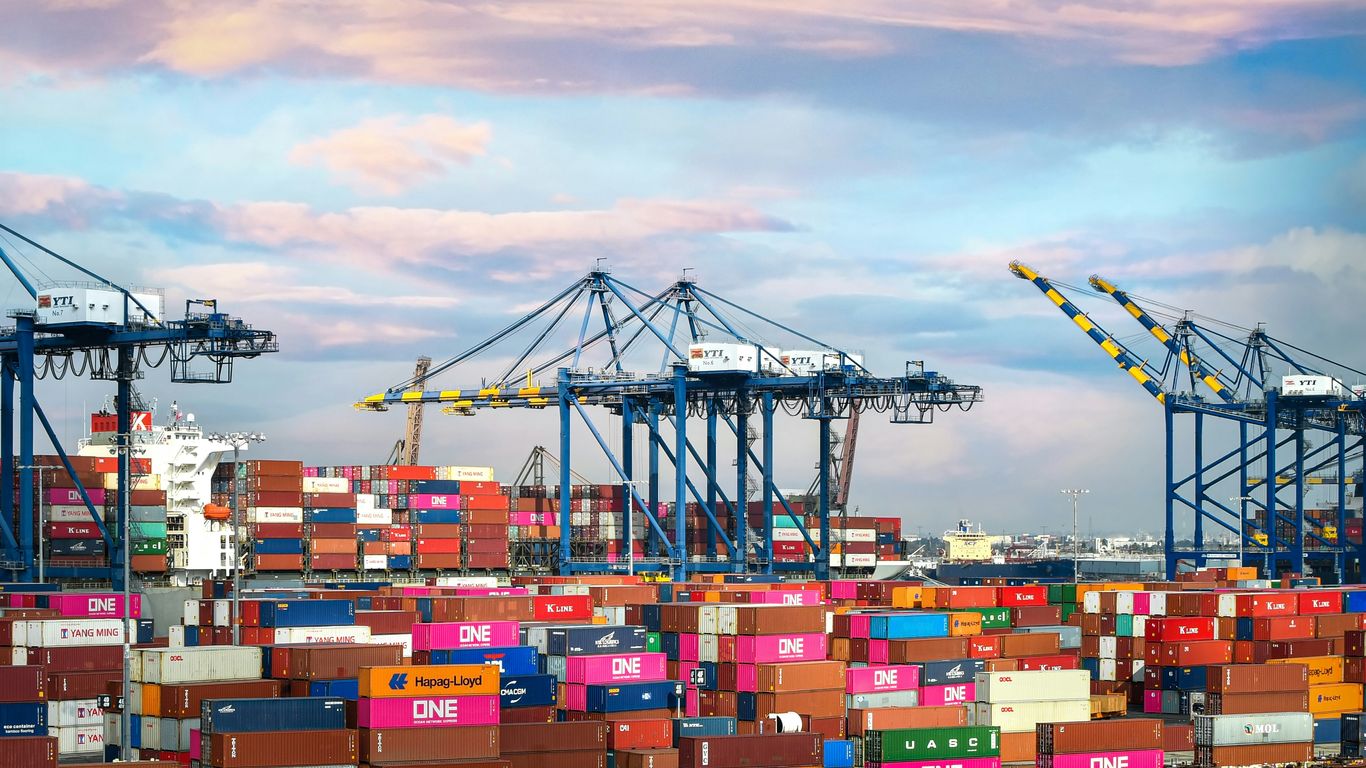
Singapore maintains a highly efficient, transparent trade environment that facilitates the rapid flow of goods globally. The regulatory framework, overseen by local authorities, relies on digital submission channels and rigorous compliance standards for all imports and exports. Professionals pursuing customs clearance support Singapore often find that a consolidated approach to declaration management significantly reduces the complexity of navigating these official requirements.
The role of Singapore Customs
Singapore Customs serves as the primary authority responsible for implementing trade policies, managing revenue collection through duties and GST, and ensuring secure borders. Their mandate involves enforcing legislation on controlled goods while simultaneously promoting trade facilitation through advanced digital infrastructure. Understanding their role is fundamental for any business aiming to maintain a compliant international trade record.
How customs clearance support improves trade efficiency
Operational efficiency in trade relies on the seamless transition of goods across borders without administrative friction. By coordinating document intake and internal review, a trade operations partner helps businesses standardise their inputs. This systematic approach ensures that every permit declaration is ready before the cargo reaches the terminal, thereby reducing the likelihood of detention or secondary inspections.
Regulatory compliance for importers and exporters
Compliance involves strict adherence to guidelines regarding the declaration of cargo, licensing for restricted items, and valuation accuracy. Businesses must stay updated on changing trade and regulatory policies to avoid supply chain disruptions. Proactive identification of permit requirements is necessary, as failure to comply with these import export procedures Singapore laws can lead to significant logistical delays.
Key trade facilitation initiatives
Singapore frequently introduces digital initiatives to streamline the processing time for traders. These include enhanced self-service portals and simplified schemas for low-value clearance. Firms that align their internal record-keeping with these broad facilitation goals often find trade operations become more predictable and less dependent on manual intervention.
Required documentation for seamless processing

Accurate documentation forms the backbone of any successful clearance operation. Discrepancies between physical cargo and digital documentation frequently result in query letters from authorities or unnecessary cargo holds that can derail project schedules. Achieving consistent oversight of these documents is often cited as a critical factor in supply chain success, allowing teams to respond effectively to cargo movement demands.
Preparing accurate commercial invoices and packing lists
Commercial invoices and packing lists provide essential data regarding the value, description, and weight of goods. Ensuring these documents correctly match the physical contents of a shipment is a foundational step in your strategy. Discrepancies here often force delays, as authorities may stop the customs documentation for further review.
Managing transport documents like bills of lading
Transport documents define the ownership and movement tracking parameters of a shipment. Effectively managing these ensures that the logistics chain maintains visibility from departure to arrival. Professional oversight of your bill of lading contributes to urgent logistics preparedness by ensuring the broker has the right data on time.
Navigating certificates of origin requirements
Certificates of origin serve as evidence of the manufacturing location, which can affect preferential tariff rates. Correct application and collection of these documents are essential for businesses wanting to optimise their tax positions. Many exporters find origin documentation processes daunting, but systematic handling mitigates these risks.
Essential permits and licences for controlled goods
Controlled goods, including chemicals or specific electronics, demand additional scrutiny and licensing before entry. Importers must confirm licensing status well in advance of import, as controlled goods often require pre-approval from specific agencies outside of customs.
Mastering the TradeNet system

TradeNet is the national single window for all customs permit declarations in the country. It serves as an integrated portal where traders and their agents submit permit applications to multiple agencies concurrently. Mastering the interface and the associated declaration syntax is necessary for achieving customs clearance agent Singapore standards of reliability, ensuring your operational team can navigate the portal without repeated submission errors.
Overview of the national single window for trade
This single-entry platform automates the assessment of permits, reducing administrative time compared to traditional paper-based methods. It links various competent authorities to verify data points such as GST payments and license validity. Navigating this portal correctly is essential for anyone engaged in import clearance support.
Registering and maintaining your Customs Account
Business entities must maintain an active account to interact with the system. This involves regular updates to contact information, authorisations for declaring agents, and financial bonding. A stable account is a prerequisite for requesting a quote on complex declarations.
Best practices for permit declarations
Declarations must be accurate, reflecting the correct HS codes and permit types. Relying on Singapore trade compliance assistance to review declarations before clicking send can prevent common rejections. Consider the following workflow for all your permit requests:
- Verify the cargo declaration against the commercial invoice.
- Cross-reference the HS code with the duty and tax tariff schedule.
- Identify any required permits from secondary agencies like health authorities.
- Submit the declaration through the encrypted broker channel.
- Confirm the permit status and print the approval for terminal collection.
Resolving common filing errors and rejections
Filing errors, such as incorrect HS codes or incomplete document values, trigger automated rejections. Addressing these quickly is paramount for time-sensitive shipments. If frequent rejections occur, use compliance records to audit past filings, which can help in identifying systemic issues in the submission pipeline.
Managing duty and GST payments

Managing fiscal obligations is a core component of total landed cost assessment. Accurate information prevents overpayment of GST and ensures that you do not face audits for underpayment later. Importers should track duty exemptions to ensure they are taking advantage of all available schemes, including those relevant to Singapore customs zones for temporary storage.
Accurate classification using the HS code system
The Harmonized System (HS) code classification defines the duty and tax rates applicable to your item. Misclassification is a top cause of financial exposure and regulatory scrutiny. For example, common differences in tax treatment for specific components require precise coding as demonstrated in these common category scenarios:
| Item Type | Duty Rate | GST Applicability |
|---|---|---|
| Raw Materials | Exempt | 9% |
| Finished Electronics | Standard | 9% |
| Capital Equipment | Exemption Schemes | 9% |
Properly mapping these codes into your internal catalog is a key duty of a classification expert within your supply chain operation.
Understanding GST applicability on imported goods
GST is levied on the CIF (Cost, Insurance, and Freight) value of imported goods unless specific exemptions apply. Companies often work with customs declaration support to reconcile these payments with their cash flow cycles. Proactive management of the GST payment process saves time and avoids the pressure of immediate, manual payments per shipment.
Leveraging duty exemption schemes
Various schemes exist to support the temporary import of goods for events or exhibitions. Businesses managing high-value equipment for a finite time should research these exemptions to avoid paying unnecessary duties. This requires meticulous temporary movement documentation, where the link between the entry and eventual re-export is clearly maintained.
Ensuring audit readiness for tax compliance
Customs audits ensure all import duties and GST have been correctly settled over a fiscal year. Being audit-ready means having a digital repository of all associated trade documentation, from purchase orders to terminal gate passes. Maintaining these records is a defensive measure against future inquiries.
Choosing the right customs clearance partner
Selecting a partner for customs clearance requires evaluating their service capacity and their integration with your internal processes. A firm that can handle the full lifecycle—from permit submission to document filing—proves invaluable. Choosing a customs clearance agent Singapore often comes down to their ability to act as a responsive,single contact point rather than just a transaction-based vendor.
Evaluating the benefits of a professional broker
A professional broker provides not only the submission service but also strategic advice on HS classification and document validation. They act as an extension of your own team, reducing the need for costly in-house administrative staff and ensuring compliance updates are integrated quickly into your business operations.
Comparing service scope and regional expertise
Examine the breadth of services offered, such as cross-border dispatch and temporary import management. Regional expertise ensures that your goods move through specific terminals efficiently. For those needing help with medical device import, for instance, specialized partners are often better positioned than generalist freight forwarders.
Verifying certifications and industry reputations
A reputable firm should provide clear evidence of their registration and service scope. Industry reputation remains a key marker of reliability in the customs ecosystem. Look for partners who prioritize transparency and have a track record of handling high-value international trade movements compliantly.
Establishing service level agreements
Service Level Agreements (SLAs) clarify the expectations regarding response times and document handling. These contracts provide legal certainty and operational focus. Whether you are dealing with manpower deployment for logistics or large container imports, an SLA defines the operational milestones for your clearance activities.
Mitigating trade risks and penalties
Proactive risk mitigation is the difference between a fluent supply chain and one frequently halted by investigative queries. Common pitfalls often arise from a lack of oversight in the document retention cycle or errors in the valuation process. Implementing a structured process for document validation is an effective strategy to avoid common pitfalls.
Identifying common compliance pitfalls
Compliance pitfalls usually start with poor documentation habits, such as reusing templates without verifying current validity. Another frequent issue is failing to update duty rates, leading to inaccurate landed costs. Regularly auditing these internal processes helps to identify potential gaps before they are flagged by external authorities.
Dealing with customs inspections and hold-ups
When a container is selected for inspection, immediate and accurate document retrieval is necessary. Having a local logistics point of contact who understands the terminal layout and the official procedural requirements can significantly reduce the duration of these delays. Coordination remains the most important task when handling hold-ups.
Document retention and audit trail management
Regulations require businesses to keep full sets of import records for a specified period. These files should include the original permit, the bill of lading, and the commercial invoice. Proper indexing and digital filing strategies make it significantly easier to respond to customs requests if an audit occurs.
Strategies to avoid fines and supply chain delays
Strategies to avoid fines include performing regular mock audits and ensuring that HS code databases are updated quarterly. Minimizing reliance on manual, high-risk processes and instead employing automated submission tools helps in maintaining consistency. The focus should always be on operational readiness rather than just fire-fighting individual clearance failures.
Conclusion
Effective customs clearance is a combination of accurate documentation, digital mastery, and a proactive approach to risk. By centralising these activities, businesses can achieve the efficiency needed for today’s market. Partnering with a professional team like IMPORT.SG helps you to maintain stability in your shipments while navigating the complex regulatory requirements of Singapore’s trade landscape.
Frequently Asked Questions
What is the primary purpose of a customs permit in Singapore?
A customs permit serves as the official declaration required for the import, export, or transhipment of goods, allowing authorities to verify that your shipment complies with all duty, tax, and licensing requirements.
Are all imported goods subject to GST?
Yes, GST is generally applicable to all imported goods, calculated on the cost, insurance, and freight value of the cargo, unless they fall under specific duty-free categories or exemption schemes such as temporary import permits for events.
What happens if an HS code is incorrectly declared?
Incorrect HS codes can lead to the underpayment or overpayment of duties and GST, which may trigger monetary penalties, the requirement to pay retrospective taxes, and increased scrutiny by customs officers on future shipments.
Is it possible to clear customs without a broker?
While business owners can self-declare using their own TradeNet account, the professional expertise of a broker is often necessary to manage complex HS classifications, controlled goods licensing, and the rapid resolution of declaration errors.
How long should customs documents be retained?
Most regulations require that importers and exporters maintain complete sets of all shipping and permit documents for at least five years to ensure they are available for any potential post-clearance audits.
Can controlled goods be imported without a specific licence?
No, controlled goods require prior approval and specific licences from the relevant competent authority in addition to the standard customs declaration process, and importing them without these permits is illegal.
What are the main benefits of using a customs clearance partner?
A partner provides a single point of unified contact for all your documentation tasks, reducing fragmentation across your vendor list and helping ensure that every submission adheres to current administrative standards to avoid costly business delays.