Events & Exhibitions
Temporary Import Guide for Events and Exhibitions in Singapore

Key Takeaways
- Temporary imports avoid GST and duties for goods meant for events and re-export.
- Using an ATA Carnet or common temporary import permits simplifies procedural requirements.
- Proper documentation of goods is essential for preventing customs hold-ups or fines.
- Security deposits or bank guarantees are frequently required to ensure final re-export.
- Consistent communication between freight partners and customs declaration teams minimizes logistical friction.
Understanding temporary import regulations in Singapore
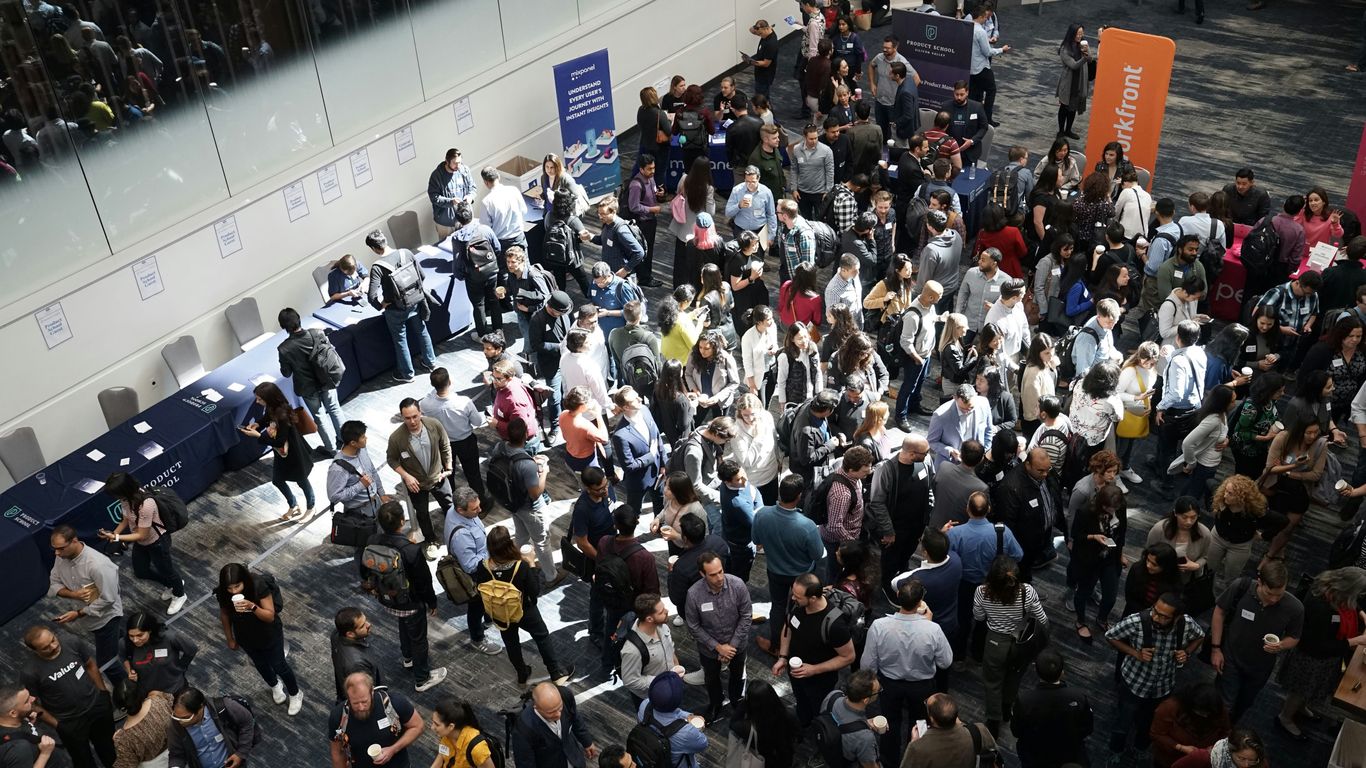
Navigating the technical landscape of temporary import Singapore requires a clear understanding of the regulatory framework set by the authorities. Goods brought into the country specifically for events, trade shows, or demonstrations are generally not intended for local consumption or sale. By classifying these items correctly, organizers can often defer the payment of Goods and Services Tax (GST) and customs duties that would otherwise apply to permanent imports.
Qualifying criteria for event and exhibition goods
To qualify for a temporary admission, goods must be clearly identifiable and intended for re-export within a strictly defined, pre-approved timeline. Typical items such as exhibition displays, audio-visual equipment, and trade show prototypes fall into this category. It is essential to ensure that the goods remain in their original state throughout the stay, as any significant modifications may alter their customs classification status.
The role of Singapore Customs in temporary admissions
Singapore Customs administers regimes that facilitate trade for transient items, ensuring that the movement of commercial goods remains efficient while maintaining fiscal security. The authority checks that all declarations are accurate and that the declared re-export dates are realistic. Their oversight is primarily focused on confirming that tax-free status is not abused and that high-value cargo exits the territory as promised.
Distinctions between permanent and temporary imports
While a permanent import enters the economy for distribution, a temporary import is essentially a visitor. The primary difference lies in the tax impact and the long-term documentation responsibility, as the importer must demonstrate that the goods were removed from the local customs territory. IMPORT.SG manages the coordination of these distinct permit types, streamlining documentation to ensure compliance across both regimes.
The ATA Carnet system for exhibition materials

The ATA Carnet serves as an international customs document that acts as a "passport" for goods, significantly reducing the administrative burden typically associated with exhibition customs clearance. By utilizing this unified document, businesses can skip the standard declaration process for every border crossing in participating countries. This tool is particularly effective for high-value equipment that travels between multiple international exhibitions within a single year.
How the ATA Carnet simplifies customs clearance
Using this system allows for the suspension of duties and taxes, meaning exhibitors do not need to lodge separate security deposits or guarantees in every transit country. It streamlines the transit process, as customs officials rely on the carnet vouchers instead of processing individual national import entries. This system effectively creates a repeatable, standardized interface for international equipment circulation.
Application process and issuing authorities
Obtaining a carnet involves applying through a national guaranteeing association, which assesses the value of the goods and the nature of the event. The applicant must provide a list of all serial-numbered goods and pay a fee based on the total value of the assets. Once issued, the document must be presented along with the physical items for endorsement at every arrival and departure point in the journey.
Validity periods and international usage restrictions
An ATA Carnet is generally valid for up to one year, though the specific re-export date is dictated by the national customs authorities at the port of entry. It is crucial to note that not every item type is eligible for carnet coverage, and restrictions can apply to consumable goods like promotional leaflets or giveaways. Failing to secure the necessary exit stamp on the carnet before the expiry date can lead to significant penalties, making it vital to track every timeline precisely.
Applying for a temporary import permit in Singapore
For goods not covered by a carnet, importers must navigate the TradeNet system to secure the appropriate temporary admission authorization. This digital portal is the standard method for submitting declaration data to the authorities. Success in this area relies on meticulous data entry, ensuring that HS codes and values reflect the physical inventory accurately to avoid delayed processing or, in some cases, outright rejection.
Required documentation for TradeNet submission
Effective event equipment import Singapore requires a comprehensive set of documents, including a commercial invoice, a packing list, and proof of event participation. These documents provide the backbone of the customs declaration by identifying the nature, quantity, and value of the assets. IMPORT.SG differentiates itself by acting as the single source for validating these files, cross-referencing information before and after submission to prevent input errors.
Managing security deposits and bank guarantees
Singapore Customs often requires security in the form of a bank guarantee or an insurance bond to cover potential duties if the goods fail to re-export. This financial instrument serves as a safeguard, ensuring that the government is protected against tax loss. Importers must plan for the lead time required to set up these guarantees, as they often involve coordination with financial institutions.
Procedures for clearing goods at customs checkpoints
At the point of entry, goods must be presented with the correct permit number to ensure an efficient transition from the border into the exhibition venue. The following checklist highlights the standard operational requirements:
- Provide a printed copy of the approved customs export permit.
- Maintain a detailed, serial-numbered packing list of all equipment.
- Verify that the physical cargo matches the digital declaration description.
- Coordinate the arrival time with the appointed transport operator.
- Ensure the presence of the original carnet if applicable for the transit.
Properly orchestrating these steps allows the shipment to move through checkpoints without the common friction of document queries or physical inspection delays.
Managing customs compliance for exhibition inventory
Maintaining rigorous compliance standards is a critical responsibility for any organization handling exhibition goods customs responsibilities. Regulatory records must be kept in accordance with local requirements to demonstrate that the items exported match the items previously imported. Failing to bridge this gap in the records is one of the most common reasons businesses encounter post-event scrutiny from authorities.
Accurate declaration of goods classifications and values
Errors in classification often stem from using vague descriptions rather than specific, internationally recognized HS codes. When declaring exhibition content, the valuation should be realistic and reflect the commercial worth of the goods. Maintaining a transparent paper trail for these figures is essential for audit preparedness should a retrospective review be initiated.
Handling re-export timelines and permit extensions
When circumstances change and an event is extended, an importer must apply for a permit extension before the original expiry date. Extensions are never guaranteed and require substantial justification, such as proof of a new contract or an unforeseen logistics delay. Managing these deadlines proactively is the best way to avoid the operational risk that comes from an unauthorized stay of goods.
Mitigating risks of non-compliance or loss of goods
The financial risk of mismanaging a temporary admission is not just limited to potential fines but also includes the loss of future trading privileges. An integrated coordination approach helps in tracking every individual pallet and container from the arrival at the venue through to the final return flight. As noted in guidance regarding customs workflows, the best protection is a system that treats every piece of gear as a high-value asset, complete with its own history and location status.
Working with local freight forwarders and agents
Selecting a customs broker for event logistics
A capable partner for trade show logistics Singapore operations should offer a combination of local market access and technical familiarity with regional customs systems. Rather than choosing a vendor solely based on price, prioritize those who take a systematic approach to documentation review. A high-performing broker facilitates the process by ensuring that all commercial invoices are ready before the air or sea freight arrives in the port.
Outsourcing the TradeNet declaration process
Outsourcing the declaration process allows your team to focus on the exhibition floor while the experts manage the regulatory interface. This strategy often results in fewer administrative bottlenecks because the specialists understand the nuances of specific product categories and how they must be described for the authorities. By centralizing the data, IMPORT.SG helps importers minimize the manual work required to deal with fragmented declarations.
Coordinating between freight arrival and exhibition venue setup
The transition between a freight arrival and venue setup is often where the most significant delays occur if there is no clear handover plan. It is common for freight to sit in a warehouse while parties argue over duty payment or permit status; this is why having an agreed-upon pre-alert plan is vital. Ensuring the transport operator is fully synchronized with the customs agent ensures the cargo arrives at the booth on time, minimizing any risk of missing the grand opening of the exhibition.
Best practices for temporary import Singapore logistics
Planning realistic lead times for clearance procedures
Customs compliance is a process that benefits from starting early, often weeks before the machinery or display materials arrive. An early start allows time to collect all necessary certificates or to resolve potential coding issues that may arise during the initial review of the paperwork. Rushed documentation is the primary cause of administrative errors, which can result in shipment hold-ups.
Maintaining detailed packing lists and commercial manifests
Detailed packing lists are essential for tracking items during both the import and re-export phases. When a list is formatted clearly, it allows both the customs officer and the warehouse team to perform their inspections with transparency and speed. A good practice is to include weight, dimensions, and descriptions for each component, ensuring that the manifest is always ready for review by the logistics team.
Transitioning goods from temporary to permanent import status
Sometimes, items destined for temporary admission need to remain in the territory for a specific reason, such as a localized demonstration or a post-event lease agreement. The following table provides a comparison of the typical characteristics regarding status changes.
| Feature | Temporary Admission | Permanent Importation |
|---|---|---|
| GST Payment | Suspended | Required |
| Documentation | Temporary Permit | Import Permit |
| Re-export | Mandatory | Not applicable |
Transitioning from temporary to permanent requires a formal application to close the original temporary file before initiating an import declaration for the same goods. It is a structured process that ensures the transition is accounted for in the registry of both the temporary and permanent entries.
Conclusion
Navigating the complexities of bringing inventory into a new market demands a proactive, documented approach that prioritizes accurate regulatory adherence and synchronized communication between all involved logistics partners. By focusing on clear documentation and leveraging professional support for customs declarations, businesses can ensure that their exhibition goals are achieved without the avoidable costs of fines or shipping delays.
Frequently Asked Questions
What happens if I fail to re-export my goods by the permit expiry date?
Failure to re-export goods on time can lead to heavy financial penalties, the forfeiture of security deposits, and potential legal complications regarding taxation. The authorities may view this as an attempt to bypass import duties and taxes, necessitating a formal retrospective declaration and payment of all applicable fees.
Can I sell goods that were brought in under a temporary import permit?
If you intend to sell goods that were initially granted a temporary import status, you must apply to convert their classification to a permanent import status. This involves submitting a new declaration, paying the required GST and duties, and effectively closing the original temporary admission record before the ownership transfer takes place.
Are there any restrictions on the types of goods I can bring in temporarily?
While most event-related materials are eligible, goods controlled by specific agencies—such as chemicals, medical devices, or restricted weaponry—require additional permits and pre-approvals regardless of their temporary status. You must verify if your items fall under the purview of any competent authority before arranging transportation.
How long can goods remain in Singapore under a temporary permit?
Typically, goods under the temporary import scheme are granted a period of up to six months, with the possibility of an extension if justified. You must manage these timelines carefully, as any time spent beyond the approved authorization without a granted extension is considered a breach of customs conditions.
Do I need to be a registered Singapore entity to import exhibition goods?
While a registered local entity or a local sponsor is typically required to handle the responsibility of customs permits, foreign businesses can often partner with local freight forwarders or logistics providers who act as the declaring party. This arrangement allows the local partner to handle the paperwork while the foreign business remains focused on their event.
Is it faster to use an ATA Carnet or a standard temporary import permit?
The ATA Carnet is generally faster because it eliminates the need for separate national declarations and security deposits at every border point. It acts as an internationally recognized standardized document, which can offer significant time savings for complex schedules involving multiple events or transit countries.
What do I do if my temporary import shipment arrives at the airport without a permit?
If goods arrive without the necessary documentation, they are typically detained in a secure storage area at the airport at the importer’s risk and expense. You would need to engage a broker to declare the goods retroactively, potentially facing delays and administrative fees for the unplanned storage and handling of the cargo.