Customs Permits
Temporary Import Singapore: Customs Planning for Exhibitions and Business Equipment
Key Takeaways
Proper planning for moving assets into the country is essential for avoiding regulatory delays and financial penalties. Adopting a structured approach to customs documentation ensures that your equipment is cleared for entry and re-export without administrative hurdles.
- Temporary imports must typically be re-exported within six months to maintain duty-free status.
- The ATA Carnet acts as an international guarantee, significantly simplifying the entry process for professional exhibitions and testing gear.
- Security deposits, such as bank guarantees or insurance bonds, are mandatory for safeguarding GST and duty payments while goods are in the country.
- Compliance hinges on having a comprehensive audit trail, including precise inventory lists and cross-referenced shipping documents.
- Engage with professional customs experts early to navigate permit requirements for controlled items and to ensure timely documentation filing.
Overview of temporary import Singapore framework
Regulatory role of Singapore Customs
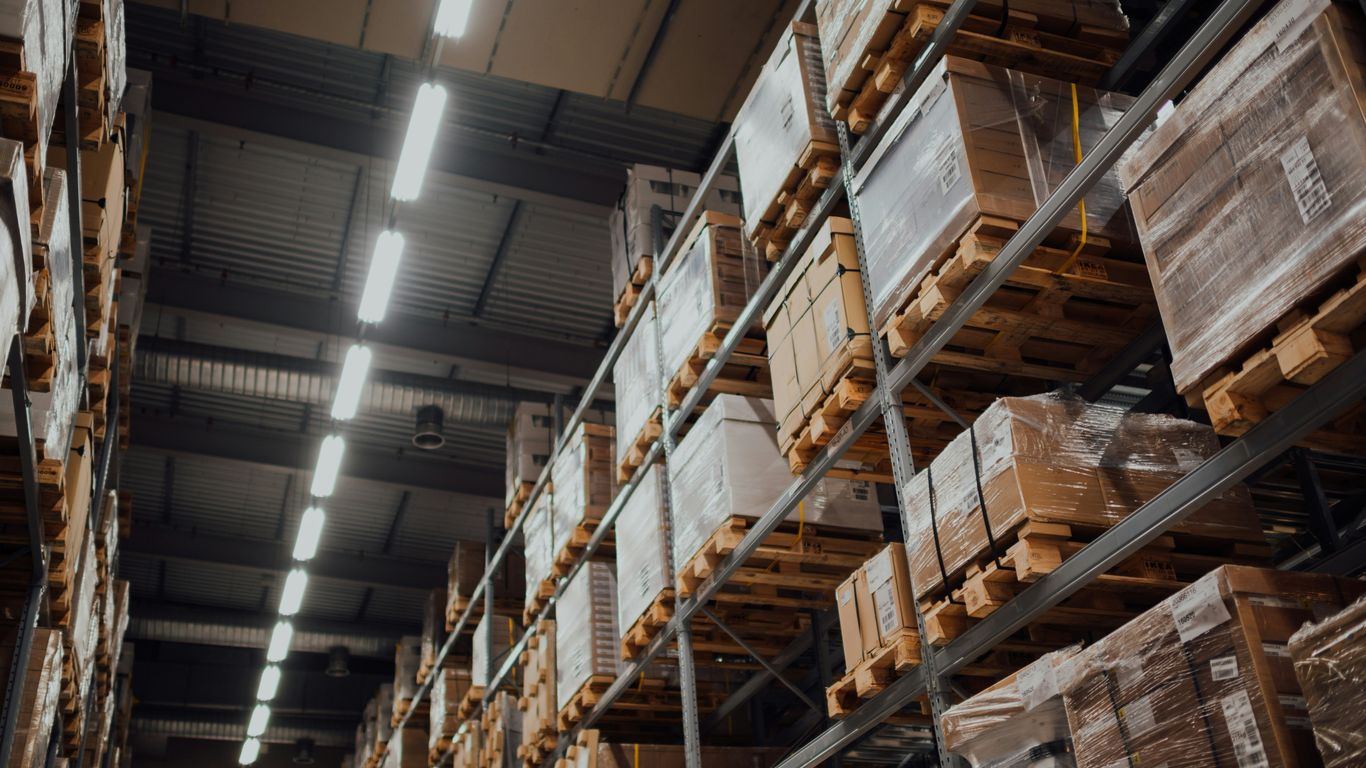
Singapore Customs acts as the central regulator for all cross-border movements, ensuring that international trade is conducted in compliance with national statutes and economic policies. While the country encourages business activity by offering specific frameworks for temporary import Singapore regimes, it simultaneously enforces rigorous monitoring of what enters the border to prevent local consumption or tax evasion. Coordinating with the authority requires a transparent approach so that every move is documented, which is why businesses frequently seek customs declaration support to maintain continuous compliance.
Scope of eligible business equipment and goods
Not all items brought into the country qualify for temporary status; categories are strictly defined by their intended use and duration. Generally, eligible items include material explicitly designated for events, such as exhibition booths, prototypes, and demo equipment, as well as specialised tools required for maintenance or repair tasks. If goods are intended for long-term integration into the local economy, they must be processed as permanent imports. Understanding the specific HS codes for your cargo is crucial, especially when moving industrial assets that require detailed verification before they can be granted temporary entry clearance.
General compliance obligations for importers
Importers are responsible for ensuring that all trade documentation, from commercial invoices to freight manifests, accurately describes the goods and their intended duration of stay. Failure to present accurate data, or neglecting to secure the appropriate permits before the goods arrive at the border, creates operational friction that often interrupts project schedules. By establishing a repeatable internal procedure for evaluating shipment documents, businesses can effectively mitigate these risks. Maintaining strict adherence to these requirements provides a foundational shield against punitive measures, which is critical for any team operating within a high-stakes environment.
Utilising the ATA Carnet system

Advantages of using an ATA Carnet for professional equipment
Using an ATA Carnet dramatically reduces the complexity of clearing goods across multiple borders by functioning as a "merchandise passport." This international document creates a single, standardised guarantee that covers duties and taxes, making it an ideal choice for trade show participants and technical teams carrying high-value equipment. By using a carnet, organisers bypass the need for separate security deposits at different checkpoints, allowing them to focus more on their temporary business goods rather than administrative paperwork.
Steps to procure a carnet for temporary import Singapore
Procuring a carnet starts with identifying your local national guaranteeing association, where you must submit a declaration of the goods you intended to transport. Once the association validates your request and issues the document, it becomes the official record for your goods during their journey in and out of the country. It is essential to ensure that the descriptions on the inventory list are incredibly detailed, covering everything from serial numbers to market values, to allow customs officers to easily reconcile the items during inspection.
Restrictions on the use of international carnet documents
While highly effective, ATA Carnets are strictly limited to goods that will be returned to the origin country in the exact condition they arrived. They cannot be used for consumables, perishable goods, or items intended for sale, local consumption, or further processing. Furthermore, any changes to the itinerary or the equipment list after the document is issued require formal updates through the issuing chamber, as discrepancies discovered at the border can lead to the document being voided on the spot.
Handling import procedures for exhibitions and conferences
Exhibition-specific permit requirements
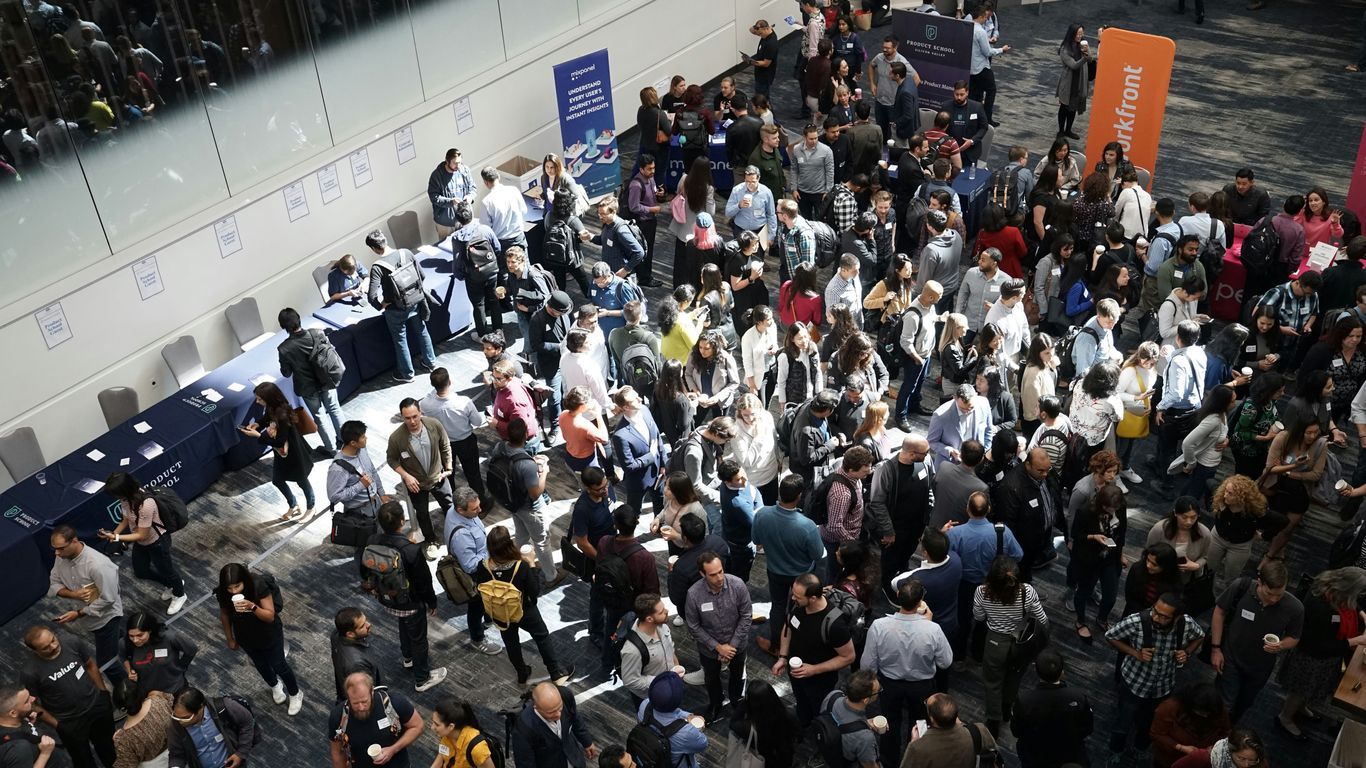
Exhibitions often involve tight deadlines where goods must be moved, cleared, and set up in a very limited timeframe. To support this, applicants must apply for specific event-related permits that stipulate the exact period and location of the display. This ensures that the authorities have visibility into the temporary presence of these items and can verify that they depart the country by the designated date when the event concludes.
Documenting goods intended for re-export
Clear documentation is the difference between a seamless transit and lengthy delays during final departure. Every item listed on the initial import declaration must physically correspond to the items presented for inspection upon export, as any discrepancies can trigger a re-assessment of tax and duty liabilities. Providing a permit declaration checklist ensures that every shipping document, from the packing list to the re-export declaration, is updated and ready for review well before the goods reach the port or terminal.
Interaction with freight forwarders and local agents
Effective collaboration with local logistics partners is paramount for businesses, which is why IMPORT.SG provides the necessary coordination to bridge the gap between international shippers and local customs requirements. Freight forwarders often need precise instructions regarding the handling of sensitive equipment and the filing of customs permits. By centralising communication through one point of contact, companies can avoid the fragmented vendor models that frequently lead to communication breakdowns and logistical oversights during critical event windows.
Managing tax relief and financial security

Exemption from duties and Goods and Services Tax (GST)
Many temporary entries qualify for duty and GST suspension, which provides significant cash flow benefits for exhibitors and project managers who do not need to factor these costs into their temporary staging budgets. To secure this relief, importers must demonstrate the temporary nature of their shipment and ensure they possess an official endorsement from the customs bureau. Failing to meet these conditions requires the immediate payment of applicable taxes, which can be a significant and unexpected burden.
| Item Category | Potential Tax Impact | Documentation Needed | Security Required |
|---|---|---|---|
| Exhibition Goods | Full GST Suspension | Permit + Expo Letter | Banker’s Guarantee |
| Testing Equipment | Partial Relief | Approved Scheme Form | Insurance Bond |
| Repair Samples | Duty Exemption | In-Non-Payment Permit | Standard Deposit |
For businesses working through these requirements, a clear approach to documenting the Singapore exhibition import permits is required. Establishing an audit-ready file ensures that all criteria for exemption are met for every entry.
Processes for providing security deposits
Providing financial security, such as an insurance bond or a banker’s guarantee, is a mandatory step for demonstrating that your business is prepared to cover potential liability should the goods not be re-exported. These instruments act as a pledge, ensuring that the authorities have a financial mechanism to collect taxes if items are sold or consumed locally without authorisation. Companies frequently seek reliable partners to help coordinate these financial instruments quickly during the permit preparation stage.
Ensuring the timely discharge of security
Once the goods are confirmed as having been re-exported, the security deposit must be formally discharged to release the tied-up capital. This step requires internal tracking that matches exported airway bills or shipping manifests with the original import permit records. Following the TIS compliance guide helps in preventing the common error of letting security bonds sit indefinitely without an official close-out.
Logistical considerations for temporary cross-border movement
Critical timelines for customs clearance
Customs processes are inherently sensitive to timing, and delaying your declaration typically results in storage fees or, in more extreme cases, seizure of equipment. Planning for the entry process should ideally happen in the week preceding physical arrival to allow for any permit queries or corrections. Importers should note the following core requirements for successful logistical movement:
- Ensure all commercial invoices state the intended re-export date.
- Verify that the Harmonised System (HS) codes correspond to the items mentioned in the permit.
- Clearly mark equipment cases with "Temporary Import" stickers.
- Confirm that the assigned point-of-contact at the destination is available during working hours for inspection calls.
These simple preparation steps often spell the difference between an on-schedule event setup and costly logistics delays.
Labelling and inventory management for inspection
Effective inventory management for temporary goods involves physically labelling containers to match the packing list exactly, so that customs inspectors can verify the contents quickly. Items that are poorly managed or lack clear serial numbers for high-value gear are prone to physical inspection delays, which might push back your entire logistical schedule. Making it easy for officials to conduct their review by providing well-organised, searchable lists acts as a massive time-saver for both parties.
Handling damaged or sold exhibition items
If equipment is damaged beyond repair or sold to a local entity during the exhibition, its status changes instantly, and you are required to report this to customs. This typically involves updating the permit, paying any applicable GST or duties for the permanently integrated items, and providing a justification for why the goods cannot be re-exported. Failing to report these changes can lead to severe penalties, regardless of whether the situation was intentional or a direct result of site accidents.
Post-importation audits and record maintenance
Importance of maintaining a clear audit trail
Maintaining a robust audit file after the event concludes is vital, as authorities may request proof of re-export or compliance documents long after the goods have departed. This trail should include all original permit submissions, proof of export, and correspondence with logistics providers. Keeping these records in a centralized, digitised format ensures that you can respond to requests for information without scrambling through fragmented emails or lost paperwork.
Corrective actions upon discovery of reporting errors
Errors in reporting, such as wrong item declarations or missing permit records, should be brought to the attention of customs as soon as they are identified. Taking initiative in self-disclosing errors demonstrates transparency and often leads to a more favourable outcome compared to waiting for an audit to uncover the discrepancy. A team that proactively manages these issues is far better positioned to negotiate corrections compared to one that stays silent until an audit notification arrives.
Preparing for audits from the Singapore Customs authority
When preparing for a trade audit, focus on demonstrating that you have full visibility over your movement processes and that these processes are repeatable across different shipments. IMPORT.SG advocates for internal standardisation, where each document lifecycle is validated from intake to closure. This methodical, document-focused approach allows businesses to answer auditor queries with confidence, ensuring they can explain their compliance history clearly and completely.
Conclusion
Navigating the temporary movement of business assets into Singapore requires a blend of regulatory knowledge, meticulous document control, and clear logistical coordination. By focusing on the correct permit types, such as the ATA Carnet, and ensuring that all GST and security requirements are handled before arrival, businesses can successfully execute their exhibition or project plans without unnecessary friction. Keeping a clean audit trail ensures that your commitment to compliance remains transparent, allowing you to focus on the value your equipment brings rather than the administrative hurdle of getting it across the border.
Frequently Asked Questions
Is it possible to extend the six-month temporary import period?
Yes, it is possible to request an extension for temporary imports, but this must be formally submitted to the customs authority with a valid reason before the initial permit expires.
Are consumables like food or demo detergents eligible for temporary entry?
Generally, no, as items that are consumed during the demonstration period do not qualify for temporary import relief. These are typically handled as standard permanent imports subject to full duties.
Can I use the same security bond for multiple events throughout the year?
Most security arrangements, specifically those of a general or revolving nature, must be carefully managed to ensure they cover the full duration and value of the goods intended for specific shipment events.
What happens if my exhibition equipment is stolen while in the country?
In the case of theft or loss, you must reach out to the authorities immediately to document the incident and pay any required duties or security forfeitures associated with the missing items.
Do I need to be a local entity to apply for customs permits?
While a local entity or a licensed agent usually handles the paperwork, foreign businesses can coordinate these activities through authorised local third-party providers to ensure compliance.
If my equipment is sent for repair, does it still need a permit upon return?
Yes, all goods brought into the country, whether for repair, event, or short-term use, must be accounted for via the correct customs permit declaration to ensure legal entry.
Can I handle temporary permit applications without using a freight forwarder?
While theoretically possible, the high level of detail and documentation required often makes it more efficient to work with professionals experienced in permit filings to avoid common processing errors.