Compliance Records
Singapore Import Permit Guide: Requirements and Common Questions
Key Takeaways
A Singapore import permit is part of the formal process for bringing goods into Singapore. The correct route depends on the goods, the importer, and any controls administered by other authorities.
- Confirm whether the shipment requires a permit before dispatch.
- Prepare consistent commercial, transport and product information.
- Check HS classification and controlled-goods requirements early.
- Submit accurate declarations through TradeNet or an authorised declarant.
- Keep the permit and supporting records available after clearance.
What a Singapore import permit is and when you need one
A Singapore import permit is an electronic customs declaration authorising the movement of goods into Singapore under the applicable requirements. It records the importer, shipment, goods classification and other information needed for clearance. The permit is not a substitute for a licence issued by a competent authority where the goods are controlled. Before shipping, importers should review the Singapore import requirements alongside the specific product rules that may apply.
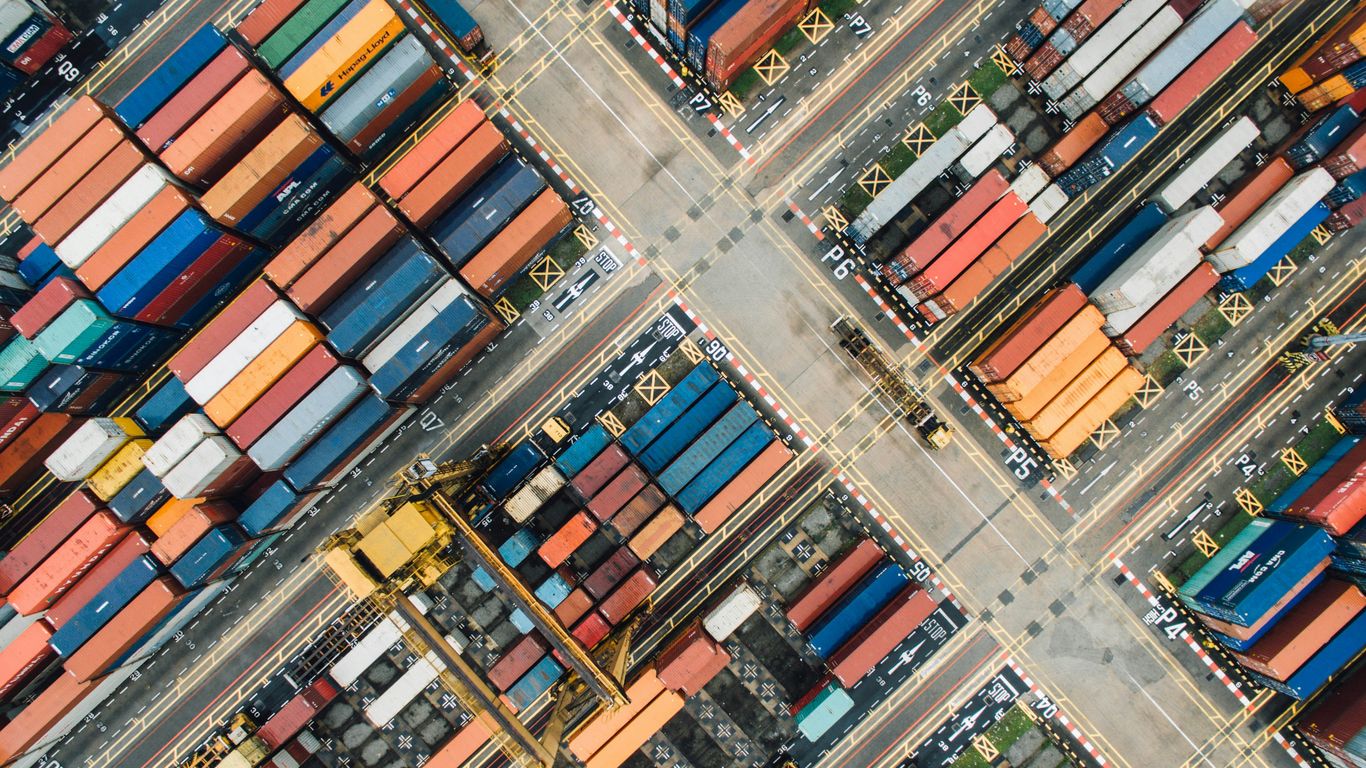
How Singapore defines an import
An import generally involves bringing goods into Singapore from another country or customs territory. The relevant details include where the goods originate, how they are transported, and whether they are intended for local use, storage, processing or another permitted purpose. The customs treatment can differ for ordinary imports, temporary admissions, transhipments and goods moving under special procedures.
The description used in the declaration should reflect the actual transaction. A parcel, commercial consignment or project shipment may each require a different assessment, so the importer should not assume that a small shipment is automatically outside the rules.
Goods that require an import permit
Most commercial imports require a customs permit before the goods arrive, subject to specific exemptions and procedures. The requirement can apply whether the goods are purchased for resale, brought in for manufacturing, supplied to a customer or used by a business. Duties and GST treatment should also be considered as part of the declaration rather than after arrival.
A useful first check is to identify the goods precisely, then confirm their HS code and whether they appear on a controlled-goods list. The Singapore Customs permit guide provides a practical reference for checking permit needs, declaration types and common application issues.
Situations where exemptions or special rules may apply
Some movements may qualify for exemptions, reliefs or special treatment, but an exemption from one requirement does not necessarily remove every customs obligation. Temporary imports, exhibition equipment, returned goods and certain personal effects can involve separate conditions, security arrangements or re-export deadlines. The evidence supporting the treatment should be available before the shipment moves.
For an exhibition or event, the importer may need to plan the permit, security deposit and later discharge together. A temporary admission is therefore a process to manage, not simply a label to add to a shipment.
The role of Singapore Customs and other agencies
Singapore Customs administers customs declarations and the TradeNet permit framework. Other competent authorities may control goods because of public health, food safety, environmental, security or sector-specific concerns. Their approvals sit alongside the customs declaration and may need to be obtained before clearance.
The importer remains responsible for identifying the relevant authority. A customs declarant can help organise information and submit an application, but the legal requirements still depend on the goods and the transaction.
Who can apply for a Singapore import permit
A business normally needs an appropriate registration and an activated Singapore Customs account before it can make declarations. The importer may submit directly or appoint a declaring agent to act within the agreed scope. Foreign sellers should establish who is responsible for the local import declaration before the goods leave the exporting country.

Registering a business with Singapore Customs
A Singapore-registered business generally uses its Unique Entity Number and activates its Customs Account before applying for permits. The registration details should match the legal importer named in the commercial and transport documents. Changes in company particulars, premises or authorisations should be reflected in the relevant accounts.
Registration is only the starting point. The business must still determine whether its products require additional licences, registrations or approvals from another authority.
Using a declaring agent or freight forwarder
An importer may appoint a declaring agent, freight forwarder or other authorised intermediary to submit the permit. This can be useful where the importer does not maintain an internal customs function or where the shipment is urgent. The parties should agree who will classify the goods, check supporting documents, pay duties and GST, respond to queries and retain records.
IMPORT.SG provides customs declaration support and coordinates information within an agreed scope; it does not replace Singapore Customs or a competent authority. Clear task ownership is particularly valuable when several parties handle the same shipment.
Importing as an individual or non-established business
Individuals and overseas businesses should not assume that they can use the same process as a Singapore-registered importer. The practical route may depend on the nature of the goods, the purpose of the import and the party taking responsibility for duties, taxes and clearance. A local consignee or appointed declarant may be needed.
Before dispatch, confirm the importer of record and the identity details that will appear on the declaration. This prevents a carrier, seller and consignee from each assuming that another party has arranged the permit.
Checking whether additional registrations are needed
Some goods require a registration, licence or approval before a permit can be submitted. Food products, pharmaceuticals, animals, plants, chemicals and strategic goods are examples of categories that may attract additional controls. The SFA application process explains the separate preparation that can apply to food and related products.
Check the authority responsible for the product, not only the customs tariff description. An importer should also confirm whether its account, payment arrangements and user authorisations are active before the application is filed.
Singapore import permit requirements and documents
The documents needed for Singapore imports should tell one consistent story about the shipment. Customs officers and other authorities may compare the permit with the invoice, packing list, transport document and approvals. Differences in quantity, value, description or consignee can lead to questions even where the goods themselves are permitted.

Key information about the importer and shipment
A permit application normally requires details of the importer, exporter, declaring agent where relevant, country of origin, shipment route and arrival information. It also needs the transaction value, currency, packages, quantities and intended customs treatment. The information should be taken from the final commercial and transport documents rather than from an old template.
Consistent shipment data matters because a correct document in isolation may still conflict with another document. Use one controlled set of shipment facts when preparing the invoice, packing list and declaration.
Commercial invoices, packing lists and transport documents
The commercial invoice supports the value and transaction details. The packing list explains how the goods are arranged, while the bill of lading, air waybill or equivalent transport document supports the movement details. Certificates of origin, permits and insurance records may also be relevant depending on the transaction.
A concise document check before submission can prevent avoidable rework:
- Match the importer and consignee names across all documents.
- Reconcile package counts, weights and quantities.
- Confirm the invoice currency, value and terms of sale.
- Check that the transport reference and arrival details are current.
These checks do not determine whether a product is legally admissible, but they make the declaration easier to review and amend when necessary. A broader international shipping documentation guide is also useful when a shipment includes several transport or customs documents.
Harmonised System codes and product descriptions
The HS code influences the customs treatment of the goods, including possible duties, GST calculations and controls. Classification should be based on the product’s material, function, composition and presentation, supported by a description that is specific enough to distinguish it from similar goods. A vague phrase such as “parts” or “sample” may not provide enough information.
Where classification is uncertain, seek an informed determination before dispatch and retain the reasoning behind it. Do not select a code merely because it produces a more favourable result.
Supporting documents for controlled or restricted goods
Controlled goods may require an approval, licence, certificate or other document from the relevant competent authority. The document may need to identify the importer, product, quantity, end use or shipment period. It should be checked for validity and any conditions before the permit is submitted.
The customs declaration and supporting approval should correspond exactly. If the authority requires product specifications, test reports, ingredient information or end-user details, those materials should be ready for review rather than assembled after a query arrives.
How to apply for a Singapore import permit
Applying for an import license Singapore businesses can use involves selecting the right declaration route, assembling the evidence and submitting the information through the approved electronic system. The application should be prepared before the goods arrive, allowing time to resolve classification or authority questions. The process is more reliable when the importer treats the permit as part of shipment planning rather than as a last-minute clearance task.
Choosing the correct permit type
The permit type depends on the movement and customs treatment. Ordinary imports, temporary imports, transhipments and other movements can have different fields, conditions and supporting documents. If the goods are controlled, the relevant approval must be considered at the same time as the customs permit.
Review the intended use, destination, ownership and re-export position before choosing the declaration. A permit that does not reflect the actual movement may need to be cancelled and replaced.
Submitting an application through TradeNet
TradeNet is the electronic channel used for Singapore trade declarations. An importer or authorised declaring agent enters the shipment particulars, attaches or references required information where applicable, and submits the application for processing. The applicant should monitor the status rather than assume that submission means approval.
IMPORT.SG can support the organisation of trade documentation and permit information within an agreed scope. The final approval remains a matter for the relevant authorities, and the declarant should respond promptly to any request for clarification.
Providing accurate shipment and customs details
The application should use the final known details for the shipment, including the HS code, description, quantity, value, origin, transport reference and intended permit treatment. Values should be declared in the required manner, with supporting documents available if the authority asks for them. Particular care is needed when goods are bundled, supplied free of charge or moved between related parties.
A structured review before submission reduces the chance of an avoidable rejection. It also creates a clear record of what was declared and why.
Receiving, amending or cancelling the permit
Once approved, the permit should be checked against the actual shipment before clearance. If the quantity, value, vessel, flight, importer or other material detail changes, the declarant should establish whether an amendment or a new permit is required. A failed application should be reviewed for the stated reason rather than repeatedly resubmitted unchanged.
Keep the approval reference and the final supporting documents together. If the movement is cancelled, follow the appropriate cancellation process and record the outcome.
Additional rules for controlled and regulated goods
Controlled and regulated goods require more than a general understanding of customs procedure. Their import may be prohibited, restricted or conditional on prior approval. The importer should identify the responsible authority early, because an approved customs permit does not by itself authorise every product to enter Singapore.
Identifying goods controlled by Singapore authorities
Control can arise from the nature of the goods, their ingredients, intended use, technical specifications or potential security impact. Product names alone may be misleading, particularly for chemicals, equipment and items sold under broad commercial descriptions. Review the current tariff and authority guidance using the complete product specification.
Where the classification is uncertain, obtain specialist advice before booking transport. This is one of the situations covered by the Controlled Goods insights, which can help importers frame the initial screening questions.
Applying for approvals from competent authorities
The relevant competent authority may require an application, product registration, import licence, certificate or inspection arrangement. Requirements vary by category and can include facility registration, labelling, health certification, end-use information or a security control. The approval should be secured within the required timeframe and linked to the correct shipment.
Do not treat a pending application as permission to import. Coordinate the authority approval, customs declaration and carrier instructions so that the shipment is not presented before the required conditions are met.
Requirements for food, health products and pharmaceuticals
Food and food products may require registration, licensing, certificates or additional checks administered by the Singapore Food Agency. Health products and pharmaceuticals can involve separate product and importer requirements, with supporting information about composition, manufacture, labelling and intended use. These categories should be assessed before purchase orders are finalised.
For food imports, confirm the applicable process, payment arrangements and user authorisations in advance. The supporting documents should be readable, current and consistent with the product shipped.
Rules for animals, plants, chemicals and strategic goods
Animals and plants can require health, veterinary or phytosanitary documentation, while chemicals may be subject to safety, environmental or transport controls. Strategic goods may attract additional licensing and documentation requirements because of their possible military or dual-use applications. The exact rule depends on the product and movement.
A shipment should not be described as ordinary cargo simply because it is commercially routine. Obtain the required approval before the goods are packed for export, and ensure the carrier receives any necessary handling instructions.
Singapore import permit costs, processing times and validity
The cost and timing of a Singapore import permit depend on the declaration, goods, authority reviews and the service arrangement used by the importer. Government charges, duties, GST and agent fees are separate considerations. A permit fee is only one part of the landed cost.
Common government fees and agent charges
A declaration may involve government processing charges, while a declaring agent may charge for preparation, submission, amendments or additional coordination. Controlled goods can create further costs for licences, inspections, testing or certificates. Duties and GST should be assessed separately from permit and service charges.
Ask for a clear scope when comparing quotations. The importer should know whether the price includes document checking, one submission, amendments, authority liaison or post-clearance record support.
How long permit applications typically take
Routine applications may be processed promptly when the account is active, the goods are correctly classified and the documents agree. Applications involving controlled goods or authority review can take longer. Carrier cut-offs, weekends, public holidays and incomplete information can also affect the practical timetable.
Build a buffer before the shipment reaches the checkpoint. The fastest application is not necessarily the safest plan if it leaves no time to correct an error.
Factors that cause delays or rejections
Delays commonly arise from incomplete documents, inconsistent names or quantities, unclear descriptions, incorrect HS codes, missing approvals and expired or mismatched shipment details. A rejection is not always a final refusal of the goods; it may indicate that the declaration needs correction or further evidence. Read the stated reason carefully before taking action.
The following table summarises common problems and a sensible first response.
| Problem | Likely issue | First response |
|---|---|---|
| Quantity differs | Invoice, packing list and permit do not match | Reconcile the final packing data |
| Description is vague | Goods cannot be identified confidently | Add material, function and model details |
| HS code is disputed | Classification evidence is insufficient | Review the product specification and basis |
| Approval is missing | Goods are controlled by another authority | Obtain the required authority document |
The table is a planning aid, not a determination of the correct classification or licence. When the underlying facts are unclear, pause the submission and obtain the appropriate advice.
Checking permit validity and shipment deadlines
An approved permit should be checked for its validity period, shipment reference and any conditions attached to it. The goods must be presented in accordance with the permit and within the relevant deadline. If the shipment is delayed, rerouted or materially changed, ask whether the permit remains usable before arrival.
Do not rely on an old approval for a new shipment without checking its terms. Keep a record of the approval date, expiry or presentation deadline and any amendments.
Import compliance after the permit is approved
Approval is not the end of the importer’s responsibility. The goods, documents and declaration must remain aligned through arrival and clearance. Singapore customs import regulations also require attention to records, inspections, amendments and the treatment of discrepancies.
Presenting the permit at the point of import
The permit reference and supporting documents should be available to the carrier, terminal, checkpoint or other party handling clearance. The physical goods should correspond with the declared description, quantity, packaging and marks. An inspection may require the importer or its representative to provide further information.
A permit should not be presented for a shipment that has materially changed without first confirming the correct procedure. Coordination with the carrier can prevent a document issue from becoming a storage or delivery problem.
Keeping records for customs and audit purposes
Retain the permit, invoice, packing list, transport document, approvals, classification basis, payment evidence and correspondence connected with the import. Records should be organised so that the importer can reconstruct what was purchased, declared, received and paid. Digital retention is practical, provided the files remain accessible and protected from alteration.
The retention period and exact requirements can depend on the transaction and applicable rules. A consistent internal filing method is more useful than storing documents across disconnected inboxes.
Handling discrepancies, amendments and failed applications
If a discrepancy is found before clearance, contact the declaring agent and determine whether an amendment, cancellation or fresh permit is required. If it is found after clearance, document the facts and seek advice on the appropriate disclosure or correction route. Keep both the original and revised records so the history is clear.
For failed applications, correct the underlying data rather than changing unrelated fields. A short written explanation of the change can help internal teams and agents work from the same information.
Penalties for incorrect declarations or unauthorised imports
Incorrect declarations, missing approvals and imports outside the permitted conditions can expose the importer to enforcement action, additional duties or GST, delays, seizure and other penalties. The consequences depend on the facts, the seriousness of the breach and the applicable legislation. Ignorance or reliance on an incomplete document is not a dependable compliance strategy.
A documented review process, clear ownership and early escalation reduce operational risk. For recurring shipments, consider maintaining a product classification file and a controlled-goods screening record.
Conclusion
Getting a permit to import goods into Singapore is a coordinated process involving the importer, documents, classification, TradeNet and any competent authorities. Confirm the route early, submit information that agrees across every document, and retain the evidence after clearance so that each shipment can be explained and supported.
Frequently Asked Questions
Do all goods entering Singapore need an import permit?
Many imports require a customs permit, although specific exemptions and special procedures may apply. The answer depends on the goods, the movement and the applicable customs treatment, so the requirement should be checked before dispatch.
What documents are needed for Singapore imports?
Common documents include a commercial invoice, packing list and transport document, together with product information and any required licence, certificate or competent-authority approval. The exact set depends on the goods and transaction.
Can a freight forwarder apply for the permit?
An importer can appoint an authorised declaring agent or freight forwarder to submit a permit within the agreed scope. The importer remains responsible for ensuring that the information and supporting documents are accurate.
How are Singapore import permits submitted?
Permits are generally submitted electronically through TradeNet by the importer or its authorised declaring agent. The application should be submitted before the goods arrive and monitored for approval, queries or rejection.
What happens if the shipment details change after approval?
The importer should check whether the change requires an amendment, cancellation or a new permit. Material changes to quantity, value, importer, transport details or goods description should not be ignored.
Do controlled goods need another licence?
Controlled goods may require an approval, licence, registration or certificate from the relevant competent authority in addition to the customs permit. The authority and supporting evidence depend on the product category.
How long should import records be kept?
Records should be retained for the period required by the applicable customs, tax and regulatory rules. Keep the permit and its supporting documents together in an accessible system so the shipment can be reconstructed for review or audit.
Request Import Support
If a shipment needs a clear owner for document intake, permit coordination and customs declaration tasks, request a quote from IMPORT.SG with the shipment, timing and available paperwork. The team can assess the agreed scope and prepare a tailored commercial proposal.