Classification
International Freight Forwarding: Process, Documents and Trade Formalities
Key Takeaways
International freight forwarding brings transport planning, documentation and border formalities into one coordinated shipment process.
- A freight forwarder arranges movement between origin and destination but does not replace carriers, customs authorities or the importer.
- The right transport mode depends on urgency, cargo characteristics, volume, route and total landed cost.
- Accurate commercial, packing and transport documents support both carrier handling and customs clearance.
- Incoterms® allocate delivery responsibilities and risk, but they do not transfer ownership of the goods.
- Early checks, clear task ownership and contingency planning reduce avoidable delays.
What international freight forwarding involves
International freight forwarding is the organised coordination of cargo moving across borders. It can involve transport bookings, collection, consolidation, terminal handling, customs information and final delivery, depending on the agreed scope. For importers and exporters, the practical value lies in bringing several hand-offs into a visible process rather than treating every stage as a separate transaction.
A useful freight forwarding guide should therefore explain both the physical movement of goods and the paperwork that permits that movement. Those two strands are closely connected: a booking can be available while a shipment is still unable to depart because its documents, classification or permits are incomplete.
The role of a freight forwarder in global trade
A freight forwarder acts on behalf of a shipper or consignee to arrange and coordinate transport. The forwarder may obtain carrier space, organise collection, consolidate cargo, prepare or check information, and communicate with parties at origin and destination. The precise service differs by provider, route and contract, so a quotation should state what is included and what remains the customer’s responsibility.
A forwarder is particularly useful where a shipment crosses several jurisdictions or changes transport mode. The forwarder keeps the operational sequence together, while the shipper remains responsible for providing truthful, complete commercial information.
How forwarders differ from carriers, customs brokers and 3PLs
A carrier physically transports cargo under its contract of carriage. A customs broker focuses on declarations and border representation, subject to the authority and instructions granted by the importer or exporter. A 3PL may provide a wider package of logistics activities, such as warehousing and fulfilment, while a forwarder’s core function is coordinating transport and related shipment activity.
These roles can overlap in practice, which is why task ownership should be written down. A service described as forwarding may not automatically include duty payment, customs representation, insurance, storage or last-mile delivery.
When businesses typically use international freight forwarding
Businesses commonly use international freight forwarding when they are importing or exporting regularly, entering a new trade lane, moving cargo that needs several legs, or handling shipments too complex for an ordinary parcel service. It is also useful when internal teams need one operational contact for carrier bookings, cut-offs, document checks and delivery updates.
For growing sellers, the distinction between transport and fulfilment matters. An order processing workflow may cover customer orders from confirmation through packing and dispatch, but it does not by itself settle international carriage, customs valuation or import responsibilities.
Choosing between an integrated and multi-carrier service
An integrated service may give the customer one point of coordination across bookings, documents and delivery milestones. A multi-carrier arrangement can offer more routing choices or access to different service levels, but it also creates more interfaces to manage. Neither model is automatically better; the decision depends on the lane, cargo, shipment frequency and level of control required.
The comparison should include escalation routes, document cut-offs, handover points and charges outside the headline freight rate. For context, integrated logistics can include storage, picking, packing and dispatch, whereas a forwarding engagement may stop at a defined transport or customs milestone.
How the international freight forwarding process works
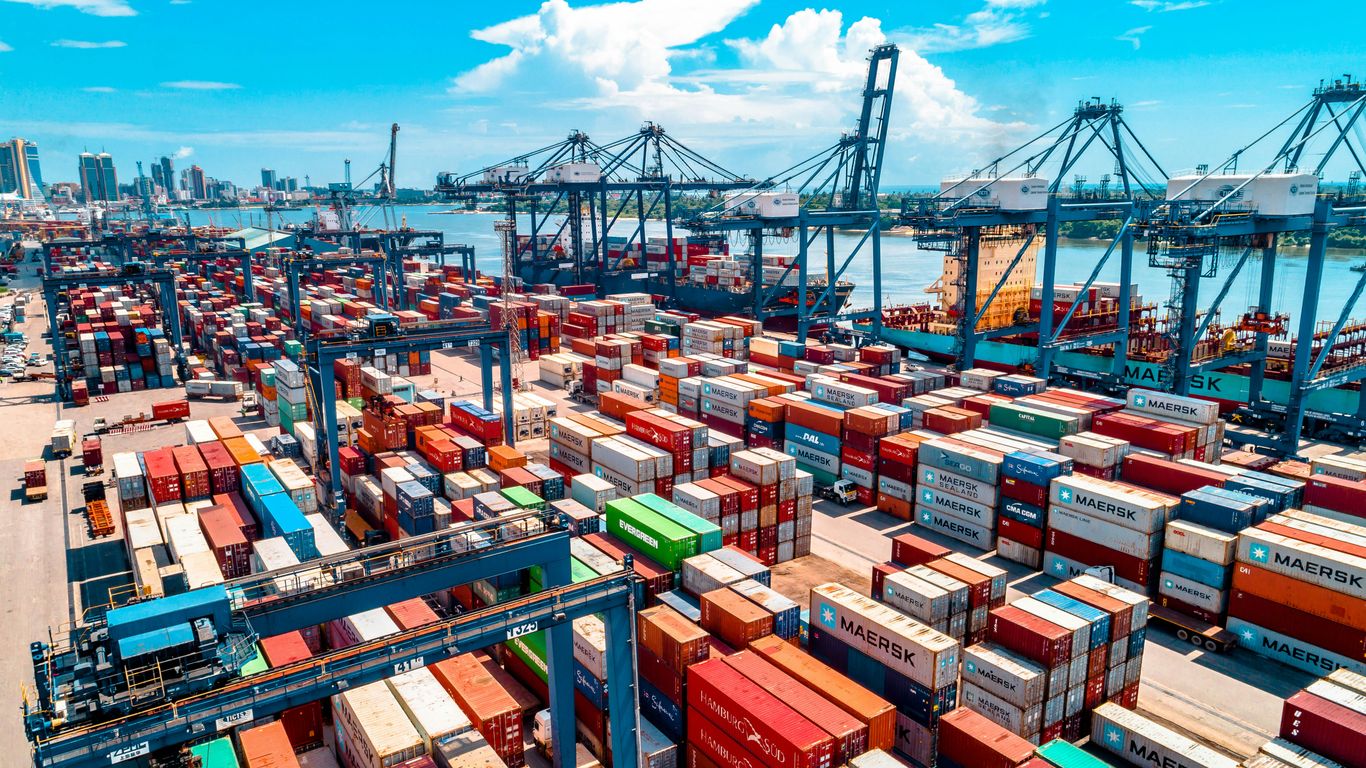
The international freight forwarding process starts with information rather than a vehicle or vessel. The shipper provides the goods description, origin, destination, timing and commercial terms; the forwarder then turns those details into a workable route and set of instructions. Each later stage depends on the accuracy of the first submission.
The sequence is not perfectly linear. Customs queries, carrier cut-offs or a change in available capacity can send a shipment back to an earlier decision, so a good process allows updates without losing document control.
Receiving the shipment details and booking instructions
The initial brief normally includes shipper and consignee details, collection and delivery addresses, package count, dimensions, weight, cargo description and required dates. The commercial invoice, purchase order or sales contract may add information needed for routing and customs review. Missing or vague data can produce an inaccurate quotation or a booking that cannot be accepted later.
The forwarder should confirm assumptions before booking, particularly where the cargo is controlled, valuable, temperature-sensitive or unusually large. A clear instruction record also makes later amendments easier to trace.
Selecting the transport mode and routing
Routing is chosen by comparing available modes, transit expectations, capacity, connections and border requirements. A shipment may travel by one mode or combine ocean, road, rail and air legs. The fastest theoretical route is not always the most dependable if it has tight cut-offs or several vulnerable handovers.
Route selection should also consider the destination’s clearance process and the availability of local delivery equipment. The decision is strongest when it is based on the complete journey rather than the international leg alone.
Consolidating cargo and arranging export collection
Consolidation combines compatible consignments into a shared movement, while deconsolidation separates them before delivery. This can suit smaller shipments that do not require a full container, although the schedule may depend on the consolidator’s planned departure. Export collection must also allow time for packing, weighing, labelling and origin documentation.
The shipper should provide collection instructions that match the booking. Differences between the declared packages and the cargo actually collected can affect handling, charges and customs data.
Managing port, airport and terminal handling
At the terminal, cargo is accepted against operational and security requirements before loading or onward transfer. The forwarder monitors cut-off times, handovers, release instructions and exceptions, but the carrier and terminal retain control of their own facilities and schedules. Clear status messages should distinguish a document hold from a physical delay.
A freight forwarding overview is useful for seeing how booking, customs compliance, tracking and final delivery fit together across air, ocean, rail and multimodal movements.
Tracking the shipment through to final delivery
Tracking is more than displaying a reference number. It should show meaningful milestones such as collection, export clearance, departure, arrival, import clearance, release and delivery, with a named action when a milestone is missed. Delivery instructions and proof of delivery should be retained with the shipment file.
A simple escalation routine helps: identify the exception, confirm who owns the next action, record the expected update and notify the affected party. This keeps a delay from becoming an unrecorded communication gap.
Choosing the right transport mode and service
Transport mode should be selected against the cargo and the commercial objective, not by habit. Ocean freight may suit larger, less urgent consignments, while air freight can support time-sensitive or high-value movements. Road and rail may provide the inland connection, and multimodal planning can combine these options into one door-to-door arrangement.
The practical comparison includes transit time, reliability, capacity, handling exposure, border crossings and the charges created by each handover. Total landed cost is usually more useful than the quoted line-haul price alone.
Comparing ocean, air, road and rail freight
Ocean freight generally provides substantial capacity and can be economical for containerised cargo, although sailing schedules and port processes require planning. Air freight is suited to urgency and comparatively compact, valuable shipments, but its pricing is sensitive to chargeable weight and dimensions. Road and rail can connect ports, airports, suppliers and customers, with their usefulness shaped by geography, border arrangements and network availability.
The correct comparison is route-specific. A mode that appears cheaper may involve longer storage, additional transfers or a delivery schedule that does not meet the business requirement.
| Mode | Common strength | Main planning consideration | Typical fit |
|---|---|---|---|
| Ocean | Capacity for larger consignments | Sailing schedules and port cut-offs | Containerised, less urgent cargo |
| Air | Speed over long distances | Chargeable weight and security checks | Urgent or high-value cargo |
| Road | Flexible collection and delivery | Border crossings and driving restrictions | Regional and inland legs |
| Rail | Efficient inland movement on suitable corridors | Network, terminal and interchange limits | Planned corridor movements |
This table is a starting point rather than a universal ranking. The final choice should reflect the goods, route, deadlines and the cost of missed delivery windows.
Deciding between full-container and groupage shipments
A full-container shipment gives one shipper use of the container, while groupage shares container space with other consignments. Full-container loading can offer control and fewer cargo separations when volume justifies it. Groupage can be practical for smaller quantities, but it introduces consolidation and deconsolidation stages that need to be included in the schedule.
Package dimensions, stackability, loading restrictions and destination delivery requirements should be reviewed before choosing. A low-volume shipment is not automatically cheaper as groupage if handling and destination charges are high.
Balancing cost, speed, capacity and cargo requirements
The decision becomes clearer when the business ranks its priorities. A critical spare part may justify a faster service, whereas replenishment stock may favour capacity and predictable pricing. Cargo value, shelf life, seasonality and contractual delivery dates can change the balance from one shipment to the next.
Ask for comparable quotations with the same collection point, delivery point, service level, assumptions and charge basis. Otherwise, apparently different prices may simply describe different scopes.
Using multimodal and door-to-door transport
Multimodal transport combines two or more modes, often using road for collection and final delivery around an ocean, air or rail movement. Door-to-door service can simplify coordination, but the quote should identify where responsibility changes and whether customs clearance is included at import. It should also state who arranges storage if the cargo cannot be delivered immediately.
For project teams, this clarity is as valuable as the route itself. A relocation planning guide illustrates the wider principle that a physical move also involves coordination, timing and adjustment between separate stages.
Planning for oversized, perishable or hazardous goods
Special cargo requires information early enough for the forwarder, carrier and authorities to assess handling and acceptance. Oversized cargo may need dimensions, lifting points and route surveys; perishable goods may require temperature instructions and suitable packaging; hazardous goods require accurate classification, packaging and declarations.
Do not assume that a standard booking can be amended into a specialist movement at the last minute. The cargo description should be specific, and supporting certificates or safety information should be available before the booking is confirmed.
Essential documents for international shipments
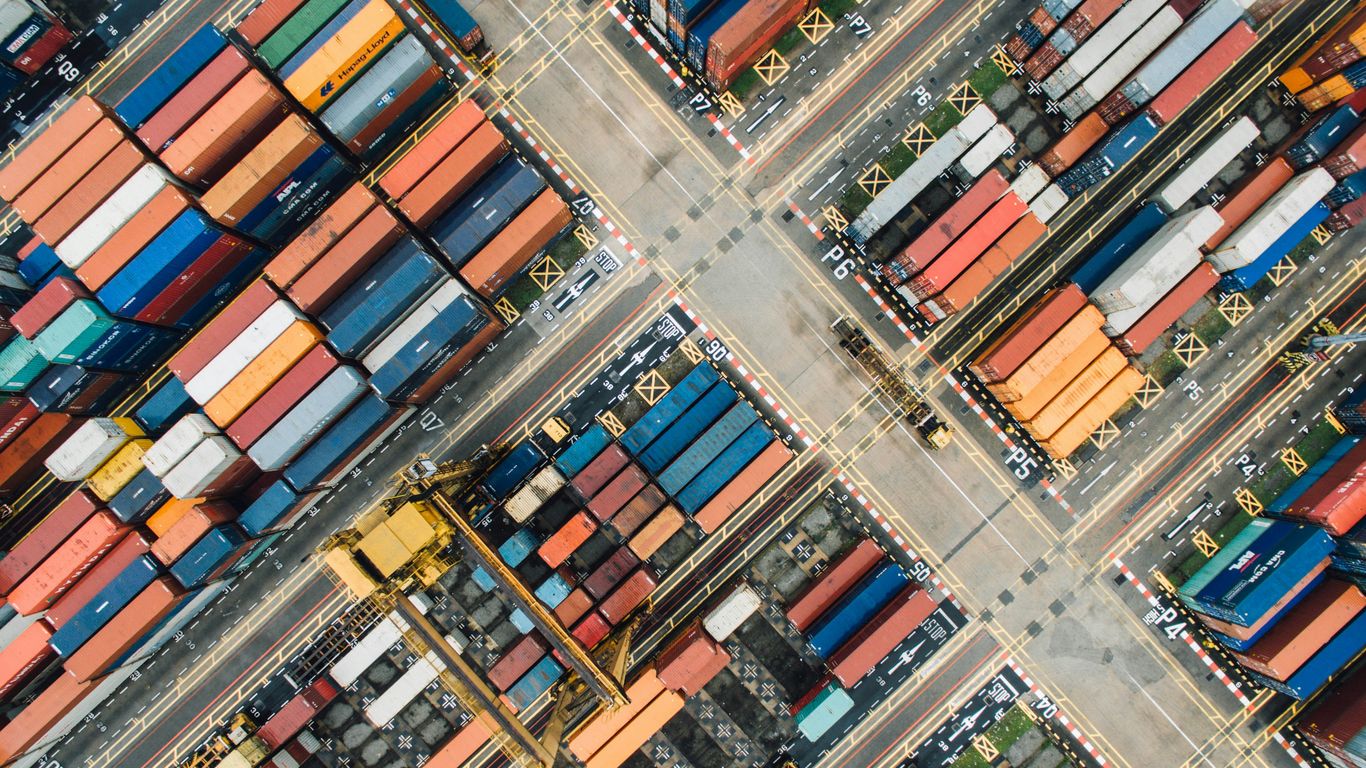
Documents serve several audiences at once: carriers need handling and routing information, customs authorities need declarations and evidence, and buyers and sellers need records of the transaction. The details should agree across every document, including names, quantities, weights, values, origin and commodity descriptions. Small inconsistencies can create questions at a point when the cargo is already moving.
A controlled document pack should have an owner, a version and a submission deadline. The trade documentation checklist provides a useful framework for checking commercial, transport, origin and declaration records together.
Commercial invoices and customs valuation
The commercial invoice records the sale or other transaction and normally supports customs valuation. It should identify the parties, goods, quantities, prices, currency, delivery terms and any information required by the destination authority. Descriptions should be precise enough to distinguish the goods from generic categories.
The declared value must reflect the applicable customs rules and the transaction evidence available. A freight quote cannot replace the importer’s responsibility to provide accurate commercial information.
Packing lists and shipment specifications
A packing list explains how the goods are arranged within packages, cartons, pallets or containers. It commonly states package marks, quantities, gross and net weights, dimensions and contents. Customs, terminals and delivery teams may all rely on it when checking the physical shipment.
The list should match the invoice and booking. Before submission, check that package counts and measurements correspond to what is actually being collected, rather than what was originally estimated.
To keep a document pack usable, teams should check:
- party names and addresses against the booking;
- quantities, weights and dimensions against the packing list;
- commodity descriptions and codes against the declaration; and
- origin, value and delivery terms against the commercial evidence.
These checks are simple, but they catch many preventable discrepancies. They should be completed before the relevant carrier or customs cut-off, not after a query has stopped the shipment.
Bills of lading and air waybills
A bill of lading or sea waybill relates to sea transport, while an air waybill accompanies an air movement. These documents identify the parties, cargo, routing and carriage terms, though their legal effects and control functions differ. Road movements may use a CMR consignment note or another applicable transport record.
The document type should match the agreed service and commercial arrangement. Names and cargo details must be checked carefully because an error can affect release instructions, clearance and delivery.
Certificates of origin and preferential trade documents
A certificate of origin supports a statement about where goods originate under the relevant rules. A preferential document may be needed to claim a reduced tariff under a trade agreement, but eligibility depends on the goods, origin criteria and destination requirements. A certificate should not be requested simply because it is customary; first confirm that it is relevant and acceptable.
The origin certificate requirements should be reviewed alongside the applicable agreement and importing country rules. Issuing bodies, formats, declarations and electronic submission options can vary.
Licences, permits and cargo-specific certificates
Some goods require licences, permits or certificates before export, import, transit or release. Examples can include controlled products, regulated chemicals, food, plants, animals, medical goods or dangerous goods, depending on the jurisdiction. The requirement may arise from the product, the end use, the parties or the route.
The exporter and importer should identify these requirements before booking. IMPORT.SG provides customs declaration and trade documentation support, including coordination of permits, document validation and origin applications within the agreed scope; it does not replace Singapore Customs or other competent authorities.

Customs clearance and trade formalities
Customs clearance is the process of presenting required information and documents so an authority can assess and release goods. It involves the importer, exporter, declarant or broker, forwarder, carrier and customs authority, with responsibilities varying by country and transaction. The forwarder can coordinate information, but the legal obligations remain with the parties identified under the relevant rules.
Good preparation begins before the cargo reaches the border. A customs clearance explanation can help teams distinguish declaration preparation, risk assessment, inspections and release from the separate task of arranging transport.
Assigning commodity codes and determining customs value
Commodity codes classify goods for tariff, statistical and regulatory purposes. The correct code depends on the product’s objective characteristics, composition, function and the rules of the importing or exporting jurisdiction. Customs value is a separate question and may involve the transaction value plus additions required by local law.
Keep the reasoning and supporting evidence for material classifications. If the product changes, the code should be reviewed rather than copied indefinitely from an earlier shipment.
Identifying the importer of record and customs responsibilities
The importer of record is the party responsible for the import entry and associated obligations in the relevant jurisdiction. The sales contract and Incoterm may indicate who arranges certain tasks, but they do not remove the need to confirm the legal importer and its registration requirements. Similar care is needed for export responsibilities.
The booking instruction should state who supplies data, who authorises declarations, who pays duties and taxes, and who responds to customs queries. Written scope prevents an operational assumption from becoming a compliance dispute.
Calculating duties, VAT and other import charges
Import charges may include customs duty, import VAT or GST, excise, fees and other local assessments. The amount can depend on classification, customs value, origin, quantity and the applicable trade agreement. Freight, insurance and other additions may also affect the calculation under local rules.
A landed-cost estimate should separate transport, clearance, taxes, duties, handling and potential storage. This makes it easier to compare routes and understand which costs are payable by which party.
Preparing export declarations and import entries
An export declaration records the outbound movement, while an import entry presents the goods for entry into the destination jurisdiction. Both require accurate party, cargo, value, origin and transport information, although the data fields and procedures differ between countries. Licences and supporting documents should be attached or referenced as required.
IMPORT.SG can coordinate customs declaration and trade documentation tasks within an agreed scope, including information review and operational handover. External authorities retain responsibility for assessment, inspection and release.
Managing inspections, audits and document retention
Customs may select a shipment for documentary review, physical inspection or a later audit. A query does not necessarily indicate wrongdoing, but incomplete answers or missing records can prolong the process. Keep the invoice, packing list, transport document, declarations, permits, origin evidence and correspondence together.
Retention periods vary by jurisdiction and record type. The importer or exporter should set a documented retention policy and ensure digital files remain searchable and protected from unauthorised changes.
Incoterms, compliance and allocation of risk
Incoterms® are standardised delivery terms that clarify selected responsibilities between seller and buyer. They address matters such as delivery, transport arrangement, export and import formalities, cost allocation and the point at which risk transfers. They do not answer every contractual question and should be used alongside the sales contract.
The chosen term affects the shipment instruction, but it does not make an unsuitable route workable. Teams should review the term against the cargo, transport mode, destination and the parties’ ability to perform the stated obligations.
Understanding how Incoterms® define responsibilities
Each Incoterm® sets out which party arranges particular parts of delivery and which party bears specified costs or risks at defined points. The wording should be written with a named place, such as a port, terminal or address, so that the practical handover is clear. Ambiguous location wording can create disputes even where the term itself is familiar.
Use the current version of the rules and ensure the sales contract identifies it. Staff involved in quoting, booking and clearance should work from the same agreed term.
Matching the chosen term to the transport arrangement
Some Incoterms® are designed for any mode of transport, while others are intended for sea or inland waterway movements. The term should reflect how the cargo will actually travel and where delivery is intended to occur. It should also be compatible with the party that can obtain export or import clearance.
A mismatch between the term and the booking may leave a party responsible for an action it cannot practically perform. Confirm the named place, terminal process and document flow before accepting the instruction.
Distinguishing delivery obligations from transfer of ownership
Incoterms® generally address delivery obligations, costs and risk; they do not determine when ownership of the goods passes. Ownership is usually governed by the sale contract and applicable law. Insurance, payment terms and retention-of-title clauses may also sit outside the Incoterm®.
This distinction matters when a shipment is damaged, delayed or held. The commercial parties should know which contract answers each question instead of assuming that one delivery term covers everything.
Checking sanctions, export controls and restricted-party rules
Trade compliance checks may apply to the goods, technology, destination, end user, end use and parties involved. Sanctions and export-control rules can restrict a transaction even where the product itself is ordinary. Screening should take place early enough to stop an impermissible booking before cargo is collected.
The responsible business should retain its screening decision and supporting information. Forwarding coordination cannot substitute for the exporter’s or importer’s compliance assessment.
Arranging cargo insurance and managing liability
Cargo insurance is a separate risk-management decision from the carrier’s liability regime. Carrier liability may be limited by contract, convention or the transport document and may not equal the commercial value of the goods. The insured party, covered risks, exclusions, valuation basis and claim procedure should be confirmed before dispatch.
The service agreement should also state who reports damage, gathers evidence and communicates with the carrier or insurer. Photographs, delivery notations and packing records can be important when a claim is made.
Managing costs, delays and shipment risks
International shipments contain costs and risks that are easy to miss when a quote is reduced to one freight figure. Charges can arise at origin, during carriage, at the destination terminal, during clearance and on the final delivery leg. A reliable process makes assumptions visible before cargo moves.
Delay prevention is similarly practical. Accurate documents, realistic cut-offs, suitable packaging and clear escalation contacts will not remove every disruption, but they reduce avoidable friction and make genuine exceptions easier to manage.
Breaking down the main international freight charges
A quotation may include pickup, export handling, main carriage, destination handling, customs clearance, delivery and documentation fees. It may exclude duties, taxes, storage, inspections, insurance or special handling. The charge basis can also vary by actual weight, volumetric weight, container, package, shipment or delivery distance.
Request a line-by-line quotation with validity, currency, assumptions and exclusions. Comparing total landed cost rather than headline freight alone gives a more reliable basis for selecting a service.
Accounting for surcharges, storage, demurrage and detention
Fuel, security, congestion, peak-season and currency-related surcharges can change the final amount. Storage may apply while cargo waits at a terminal or warehouse; demurrage and detention commonly relate to container use and must be understood under the relevant carrier terms. Free time, charge triggers and release conditions should be confirmed in writing.
These costs are often preventable through early document submission and prompt collection, but the responsible party should be identified before the shipment starts. A budget should include a reasonable allowance for events outside the standard movement.
Preventing common documentation and customs errors
Most basic controls are inexpensive compared with a stopped shipment. The following checks are especially useful before submission or collection:
- compare every party name and address across the invoice, packing list and transport document;
- confirm the commodity code, description, origin and value with the responsible trade team;
- verify package count, dimensions, weight and marks against the physical cargo; and
- check permits, certificates, declarations and cut-offs for the chosen route.
The purpose is not to create paperwork for its own sake. It is to ensure that the information presented to carriers and authorities describes the same shipment.
Planning for disruptions, delays and changes in routing
A contingency plan should cover missed sailings or flights, customs queries, capacity constraints, weather, strikes, border restrictions and damaged packaging. Record alternative routes, substitute services, escalation contacts and the commercial decision-maker who can approve extra cost. Changes should be documented so that the latest instruction is unambiguous.
No forwarder can guarantee the actions of carriers, terminals or external authorities. Good coordination instead provides timely information, clear options and a controlled decision trail when the original plan changes.
Measuring service performance with tracking and KPIs
Useful measures include booking confirmation time, document error rate, on-time collection, departure and arrival performance, customs query frequency, clearance cycle time, delivery success and unplanned charges. The chosen measures should reflect the service level promised and the shipment’s commercial purpose.
Review exceptions by cause, not only by provider or route. This can show whether recurring problems arise from late instructions, inaccurate data, carrier capacity, packaging or an unclear division of responsibility.
For urgent or documentation-heavy shipments, request support early enough for the information to be reviewed before the relevant cut-off. A central record of decisions and documents makes performance review more useful as well.
CTA: Prepare Your Shipment
Share the shipment details, timing and available documents with IMPORT.SG to discuss a tailored scope for customs declaration, trade documentation and operational coordination. Request a quote with the information available so the next steps can be assessed clearly.
Conclusion
International freight forwarding works best when transport, documentation, customs responsibilities, costs and risk are considered as one connected process. Clear instructions and consistent records give each party a practical basis for acting, while realistic contingency planning helps businesses respond when routes or timings change.
Frequently Asked Questions
What does international freight forwarding include?
It can include transport booking, collection, consolidation, documentation coordination, terminal handling, customs information and final delivery, depending on the agreed service scope.
Is a freight forwarder the same as a carrier?
No. A carrier transports the goods under a contract of carriage, while a freight forwarder generally coordinates carriers and related shipment activities on behalf of a customer.
Who is responsible for customs clearance?
Responsibility depends on the transaction, country rules, importer of record and service agreement. The importer or exporter remains responsible for accurate information and compliance even when a broker or forwarder assists.
Which documents are normally needed for an international shipment?
Common documents include a commercial invoice, packing list and bill of lading or air waybill. Certificates, permits, declarations and origin documents may also be required depending on the goods and route.
How should a business choose between air and ocean freight?
Compare urgency, cargo value, dimensions, volume, capacity, route reliability, handling requirements and total landed cost rather than looking only at transit time or the base freight rate.
Do Incoterms® transfer ownership of goods?
No. Incoterms® define selected delivery responsibilities, costs and risk. Transfer of ownership is normally governed by the sales contract and applicable law.
How can shipment delays be reduced?
Submit complete and consistent documents early, confirm commodity information and permits, allow time for carrier cut-offs and customs checks, and establish clear contacts for handling exceptions.