Freight Forwarding
Freight Forwarding Explained: Where Customs and Documentation Fit
Key Takeaways
Freight forwarding connects transport planning, carrier bookings, documentation and border procedures into one shipment workflow.
- A freight forwarder coordinates movement between the shipper, carriers, agents and destination parties.
- Customs clearance is a separate regulatory process that depends on accurate commercial and transport information.
- Commercial invoices, packing lists, transport documents and permits must agree across the shipment file.
- Incoterms help define which party is responsible for transport, clearance, duties and risk.
- Clear ownership, early document checks and regular milestone updates reduce avoidable disruption.
What freight forwarding means in practice
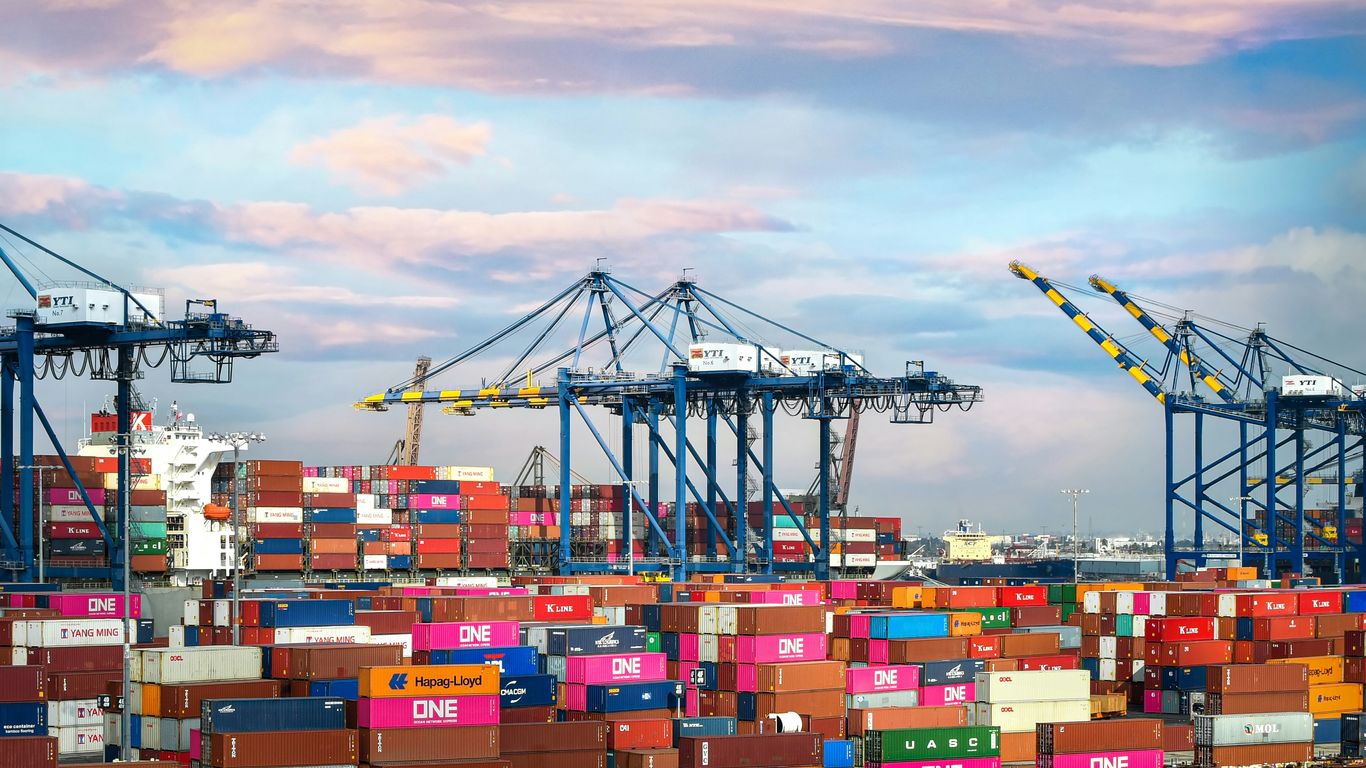
Freight forwarding is the organised management of cargo moving from one place to another, often across several transport modes and jurisdictions. It brings together route planning, carrier coordination, cargo handling, documentation and communication. The forwarder does not necessarily operate the aircraft, vessel, train or lorry; instead, it arranges the services needed to move the shipment. For a broader introduction, this freight forwarder guide provides useful background on the intermediary role.
The role of a freight forwarder
A freight forwarder acts as an intermediary between the business sending the goods and the organisations involved in their delivery. It may arrange collection, storage, consolidation, transport bookings, handovers and delivery appointments. It can also coordinate the information required for export and import procedures, although the importer or exporter remains responsible for providing truthful and complete shipment details.
The practical value is coordination. Rather than asking a manufacturer to manage several carriers, terminals, agents and document deadlines independently, the forwarder creates a sequence and monitors the points at which responsibility changes.
How forwarders differ from carriers and couriers
A carrier performs the transport described in its contract of carriage. A courier generally provides a packaged door-to-door service, often for smaller or time-sensitive consignments. A forwarder arranges transport and related services, sometimes combining multiple carriers or modes to suit the cargo, timing and budget.
The distinction matters when something changes. A carrier may control a sailing or flight, while a forwarder may coordinate the booking, collection, documents and onward delivery around that service. The parties should therefore be named clearly in quotations and shipping instructions.
The main stages of an international shipment
An international shipment usually begins with a cargo assessment: what the goods are, where they are going, how much they weigh and when they must arrive. The forwarder then proposes a route, obtains space, arranges collection and prepares the operational handovers. Export and import declarations may occur at different points, depending on the countries, goods and transport arrangement.
The sequence is not identical for every consignment, but the core stages are usually planning, booking, origin handling, export clearance, main carriage, destination handling, import clearance and final delivery. Freight forwarding is therefore best understood as a coordinated service chain rather than a single journey.
When businesses typically use freight forwarding
Businesses often use a forwarder when they lack an internal logistics team, ship internationally only occasionally or need several transport providers to work together. It is also useful for larger consignments, multimodal movements, consolidated cargo and shipments requiring careful timing.
The need may be operational rather than strictly commercial. A project team may need one party to coordinate a delivery window, while an exporter may need help keeping transport instructions aligned with its documentation. Even a small business can benefit when a missed cut-off or incomplete document would have a disproportionate effect.
How a freight forwarding shipment moves
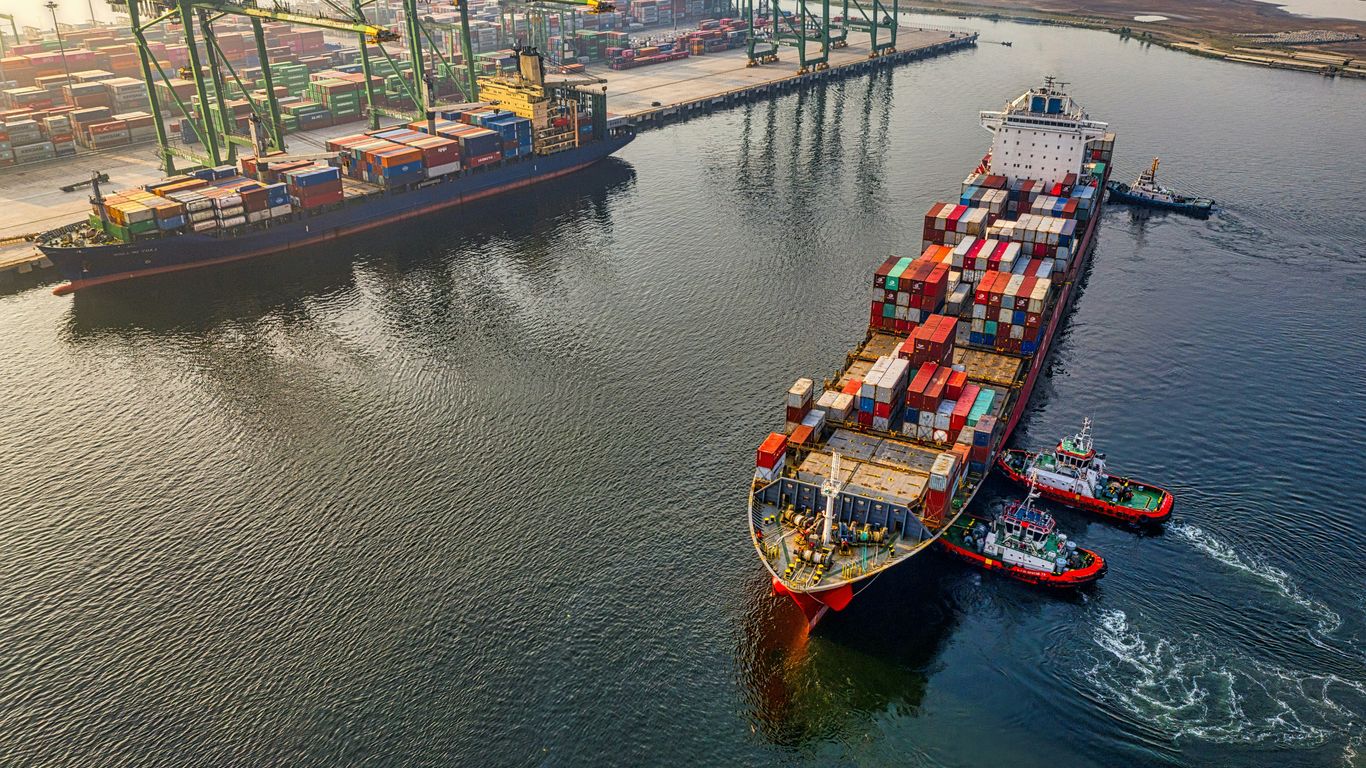
A shipment moves through a series of planned and unplanned handovers. Its physical route may be straightforward, but the information route is often more complex: instructions pass between the shipper, forwarder, carrier, warehouse, terminal, customs representative and consignee. Good freight forwarding keeps these exchanges visible and assigns responsibility for the next action.
The selected mode, service frequency, cargo characteristics and delivery deadline all influence the plan. A useful freight forwarding expectations guide explains why transport choice, task ownership and exception handling should be agreed before the shipment is booked.
Planning the route and selecting transport modes
Route planning starts with the shipment rather than with a preferred carrier. Weight, dimensions, value, handling requirements, origin and destination can all affect whether road, rail, sea, air or a combination is appropriate. The fastest option may not be the most dependable once collection windows, terminal cut-offs and border procedures are considered.
A forwarder compares practical routes and service conditions, then sets out the assumptions behind the proposal. Those assumptions might include transit time, transfer points, free storage periods and the party responsible for delivery at each stage.
Booking cargo space with carriers
Once the route is approved, the forwarder requests space and supplies the carrier with the required booking information. This can include cargo descriptions, package counts, weights, dimensions, dangerous-goods details and requested dates. A booking is not the same as completed delivery; it is an agreement to use planned transport capacity subject to the carrier’s terms.
The shipper should check cut-off times carefully. Cargo that reaches a warehouse after documentation or receiving has closed may miss the intended departure even when the booking itself was made correctly.
Consolidation, deconsolidation and transhipment
Consolidation combines compatible consignments so that available transport capacity can be used efficiently. Deconsolidation separates cargo at a warehouse, terminal or destination facility before onward delivery. Transhipment involves moving cargo between transport services or vessels during the journey.
Every additional handover introduces another opportunity for a label, quantity, package condition or document reference to be checked. Clear handling instructions and a consistent shipment reference help the parties identify the cargo at each point.
Tracking milestones from origin to destination
Tracking should show meaningful milestones, not simply a generic status. Useful events include collection confirmed, cargo received, export clearance completed, departure, arrival, import declaration submitted, customs release and delivery completed. These events allow a business to distinguish physical movement from regulatory progress.
A tracking view is most useful when it also shows who owns the next action. A delayed arrival notice, for example, may require the forwarder to coordinate with the customs representative and the consignee before storage charges begin.
Managing delays, changes and exceptions
Delays can arise from weather, congestion, carrier changes, inspections, missing information or a mismatch between the booking and the cargo received. The correct response is to record the event, identify its effect on the route and decide which parties must act. Guessing at a new delivery date without confirming the underlying milestone often creates further confusion.
The parties should agree in advance how changes will be communicated, who can approve additional costs and when an alternative route should be considered. A calm exception process is especially valuable when cargo is urgent or linked to a production schedule.
Where customs clearance fits
Customs clearance is the process through which the relevant authority assesses goods entering, leaving or passing through a customs territory. It is connected to freight forwarding, but it is not the same activity as booking transport or arranging delivery. The declaration depends on information about the goods, their value, origin, classification and movement.
The importer or exporter has a central legal and commercial responsibility for the accuracy of that information. A forwarder or customs representative may prepare or submit information within an agreed scope, but external authorities decide whether to accept a declaration, request evidence, inspect cargo or release goods. This customs clearance guide sets out the roles and common delay points in more detail.

Export clearance in the country of origin
Export clearance confirms that goods may leave the country of origin under the applicable rules. The process commonly requires a commercial invoice, packing list, transport details and, where relevant, licences or supporting evidence. Authorities may apply export controls to particular products, destinations or end uses.
The timing matters because export approval may be required before cargo is accepted for departure. If the declaration describes goods differently from the physical shipment or commercial documents, the consignment may be held for clarification.
Import clearance in the destination country
Import clearance takes place under the rules of the destination country. The importer may need to provide a declaration, invoice, transport document, proof of origin, permits and information about the intended use of the goods. The authority may assess duty, VAT and other charges before deciding whether the goods can be released.
Requirements vary by country and product. A process that works for one destination cannot automatically be copied to another, so the importer should confirm local requirements before the shipment leaves origin.
The responsibilities of customs authorities, importers and forwarders
Customs authorities administer the border rules and may review declarations, request documents or examine cargo. Importers and exporters provide the underlying commercial facts and remain accountable for their obligations. Forwarders coordinate transport and may support customs information or handover activities according to the agreed service.
This separation of roles should be written into the shipment instructions. The customs handover process is easier to manage when the parties know who submits information, who answers authority queries and who monitors the release status.
Duties, VAT and other import charges
Import duty and VAT are generally calculated from the customs treatment of the goods, their declared value, origin and classification, subject to the rules in the destination jurisdiction. Separate clearance, handling, storage or administration charges may also appear on the final invoice. Incoterms can affect which party bears particular costs, but they do not remove the importer’s need to understand the applicable taxes and procedures.
A quotation should distinguish transport charges from customs-related charges wherever possible. That separation makes it easier to compare the expected landed cost and investigate an unexpected amount.
Common causes of customs delays
Customs delays often result from incomplete or inconsistent information rather than from the transport itself. Common examples include an unclear goods description, an incorrect commodity code, missing origin evidence, an omitted permit or a declared value that does not match the commercial record.
The best remedy is early review. Submitting documents before the arrival window, confirming cut-offs and responding promptly to queries gives the parties more room to correct an issue without incurring avoidable storage or detention costs.
The key documents in freight forwarding
Documents tell each participant what is being shipped, who owns or receives it, how it is packed and how it should be handled. They also provide the evidence used for transport, customs and commercial accounting. A document set is only useful when its details describe the same physical shipment.
The exact requirements vary with the goods, route and destination. Businesses can use a trade documentation checklist to organise the core file and identify differences before documents are sent to a carrier or authority.

Commercial invoices and packing lists
The commercial invoice records the seller, buyer, goods, price, currency, terms and other information needed to support the transaction and customs valuation. The packing list describes how the goods are arranged, including packages, quantities, weights and dimensions. It helps warehouses, carriers and authorities reconcile the paperwork with the cargo.
A vague description such as “parts” may not be sufficient. The description should identify the goods clearly enough for the relevant parties to understand what is being shipped and how it should be classified.
Bills of lading and air waybills
A bill of lading is a transport document commonly associated with sea freight. An air waybill serves a similar operational purpose for air cargo, subject to the terms of the relevant carriage arrangement. These documents record shipment and routing details such as shipper, consignee, origin, destination, package count and weight.
They must be checked against the invoice and packing list. A difference in consignee spelling, package count or weight can delay a handover even if the goods themselves are correct.
Certificates of origin and other supporting documents
A certificate of origin provides evidence about where goods originate when the destination or a trade arrangement requires it. Other supporting documents may include product specifications, inspection records, insurance details, valuation evidence or end-use statements.
The document should be requested for a defined purpose. Collecting papers without checking whether they meet the destination’s format or issuing requirements can create a false sense of readiness.
Customs declarations and commodity codes
A customs declaration presents the information needed for the authority to assess the import, export or transit movement. Commodity codes classify the goods and can affect duty, restrictions, statistical reporting and permit requirements. The code should be supported by a sufficiently precise product description and relevant technical information.
Classification is not simply a transport-admin task. The importer or exporter should be involved where the product’s composition, function or intended use affects the decision.
Permits, licences and documents for controlled goods
Controlled goods may require permits, licences, certificates or other approvals before they can be imported, exported or transported. Examples can include products subject to safety, health, strategic trade or environmental controls, although the exact rules depend on the jurisdiction and product.
The forwarder should be told about any controls early. A cargo permit guide can help distinguish permits, licences and customs declarations, but the responsible business must confirm the requirements that apply to its goods.
How documentation supports customs compliance
Compliance is supported by a document set that is complete, consistent and traceable. The objective is not to produce the greatest number of files; it is to ensure that each declaration can be understood and supported if an authority, carrier or internal reviewer asks a question. Consistent shipment data is the foundation of that process.
A document review should take place before the cargo reaches the border. That gives the team time to ask the supplier for clarification, confirm the commodity code or arrange a missing approval without placing the consignment on hold.
Matching shipment details across every document
Compare the parties, references, descriptions, quantities, weights, package counts, values and destinations across the invoice, packing list, transport document and declaration. Differences may be legitimate, but they should be explainable and recorded. A single shipment reference used throughout the file makes that comparison easier.
The check should include names and addresses, not only figures. A small spelling difference can send a query to the wrong party or create uncertainty about the consignee.
Classifying goods and determining their value
Commodity classification requires an understanding of what the goods are and how the tariff rules apply. Customs value may depend on the transaction and other prescribed adjustments, rather than simply the amount shown on an internal sales order. Supporting product information should be retained with the classification decision.
Where the product is unusual or the value is complex, the importer should obtain appropriate specialist advice before filing. A forwarder can coordinate the information, but it should not guess at a classification or value that the commercial parties cannot support.
Applying Incoterms to clarify responsibilities
Incoterms define agreed responsibilities between buyer and seller for delivery, costs and risk. They help explain who arranges transport, who handles export or import tasks and where delivery responsibility changes. They do not, by themselves, determine every customs obligation or replace the need for a valid declaration.
The term should be shown consistently in the commercial documents and understood by the operational team. A mismatch between the sales agreement and shipping instructions can lead to disputes over charges or missed actions.
Meeting destination-specific requirements
A destination may require particular wording, certificates, registrations, declarations or electronic submissions. These requirements can vary by product category and may change over time. The responsible party should confirm them with the relevant authority, importer and appointed customs representative.
For Singapore-bound work, Singapore trade documentation support is a relevant example of why local process knowledge and accurate records matter. The underlying principle applies elsewhere too: confirm the destination rules before dispatch, not after arrival.
Correcting errors before cargo reaches customs
If an error is found, identify which documents, systems and parties contain it, then make a controlled correction. The revised version should be clearly dated or referenced so that an old copy is not submitted accidentally. Where a declaration has already been lodged, the appointed representative should confirm the correct amendment route.
A central workflow can help prevent conflicting versions. IMPORT.SG describes a single point of contact for permit coordination, document organisation and operational follow-through within an agreed scope.
Choosing and working with a freight forwarder
Choosing a forwarder is a decision about operating discipline as much as transport price. The right provider should understand the cargo, trade lanes, deadlines, documentation and likely exceptions. It should also explain which tasks it performs directly and which it assigns to carriers, agents or customs representatives.
Ask for enough detail to compare like with like. A low headline freight rate may exclude collection, handling, customs work, storage, delivery or contingency arrangements.
Questions to ask before appointing a forwarder
Before appointment, ask how the provider handles the specific origin and destination, what information it needs before booking and how it communicates a delay. Confirm the expected milestones, document cut-offs and escalation route. It is also sensible to ask about experience with the cargo category and any controlled-goods requirements.
The following questions create a useful starting point:
- Which party prepares and submits each customs declaration?
- Which charges are included, excluded or estimated separately?
- Who is contacted if cargo misses a cut-off or is selected for inspection?
- How are changes to the route, value or consignee approved?
The answers should be written into the quotation or operating instructions. Verbal assumptions tend to disappear when several parties become involved.
Comparing services, costs and carrier networks
Compare the complete service, not just the transport rate. Review transit assumptions, collection and delivery scope, consolidation options, storage terms, carrier relationships, customs coordination and the provider’s ability to manage alternative arrangements. The forwarder comparison guide offers a useful framework for considering total landed cost and service coverage.
A network is valuable only when it suits the shipment. Ask whether the proposed route has practical departures, suitable handling facilities and reliable local coordination at both ends.
Confirming who handles customs and documentation
The engagement should state whether the forwarder prepares information, submits declarations, appoints a customs broker or simply passes documents between parties. Terminology differs across markets, so responsibilities should be defined by task rather than title. The importer should know who remains accountable for the accuracy of commercial information.
For urgent or document-heavy shipments, a central coordinator can reduce fragmented communication. IMPORT.SG positions its service around declaration support, trade documentation and coordination for importers, exporters, forwarders and transport operators.
Setting communication, tracking and reporting expectations
Agree how often updates will be sent, which milestones will be reported and what counts as an exception. A shared reference, named contacts and a clear escalation route prevent routine status questions from becoming a series of disconnected messages.
Reporting should distinguish confirmed events from estimates. It should also show outstanding actions, such as a missing permit or an unresolved consignee detail, rather than presenting a shipment as fully on track.
Checking insurance, liability and contingency support
Review the forwarder’s terms for liability, cargo insurance, claims deadlines and exclusions. The carrier’s liability may be limited, and the appropriate level of insurance depends on the cargo, route and commercial exposure. Do not assume that a forwarder’s coordination service provides automatic cover for every loss.
Contingency support should also be specific. Ask what happens if a sailing is rolled, a flight is cancelled, cargo is damaged or a border query prevents release, and which additional costs require approval.
Improving the freight forwarding process
Improvement usually comes from removing uncertainty before it becomes an exception. Standard shipment data, consistent documents, clear ownership and useful milestone reporting create a process that can be repeated across routes and suppliers. The aim is not to eliminate every disruption, but to detect issues early and respond without losing control of the file.
Small operational changes can have a substantial effect when a business ships regularly. They also make it easier to review performance and decide when specialist customs input is needed.
Preparing accurate data before booking
Collect the product description, commodity code, country of origin, value, quantities, weights, dimensions, parties, Incoterm and required delivery date before requesting a booking. Confirm whether the goods are restricted, dangerous or subject to an approval. This information lets the forwarder recommend a workable service rather than revising the plan after space has been booked.
Keep the commercial team, warehouse and logistics contact aligned. A booking based on sales information that does not match the packed cargo is likely to create a correction later.
Using digital tools for documents and shipment visibility
Digital tools can centralise versions, record approvals and display shipment milestones. Their value depends on the quality of the information entered and the discipline used to update it. A status dashboard should support human follow-up, not conceal an unresolved document or authority query.
IMPORT.SG describes a coordinated workflow for permit and document activities, including structured checks and communication. Used within an agreed scope, this kind of central record can reduce the risk of different parties acting on different instructions.
Creating a repeatable compliance checklist
A checklist should reflect the goods, route and responsible parties rather than being copied without review. At minimum, it should prompt the team to confirm:
- the shipment parties, route, mode and cut-off dates;
- the invoice, packing list and transport document details;
- the commodity code, customs value and origin evidence;
- permits, licences and destination-specific requirements;
- the declaration owner, submission status and release confirmation.
The checklist should be completed at defined points, such as pre-booking, pre-departure and pre-arrival. That makes it a control within the workflow rather than a form completed after a problem appears.
Reviewing costs, delays and clearance performance
Measure the costs and delays that matter to the business. Compare quoted and final charges, missed cut-offs, storage or detention events, document corrections, customs queries and time from arrival to release. Review the reasons, not just the totals, because a recurring data error needs a different remedy from a carrier capacity issue.
A short monthly review can identify which suppliers, routes or products generate the most rework. The result should be a practical action, such as changing a document template, adjusting a cut-off or clarifying task ownership.
Knowing when to use a customs specialist or broker
A customs specialist or broker may be appropriate when the goods are controlled, the classification is uncertain, the value is complex or the destination procedure is unfamiliar. The specialist can advise on the declaration process and represent the importer or exporter within the agreed arrangement. The commercial party still needs to provide accurate facts and retain supporting records.
The forwarder and customs specialist should exchange information through a defined handover. That prevents transport planning and customs preparation from being treated as separate files with conflicting data.
Conclusion
Freight forwarding works best when transport, documentation and customs responsibilities are planned as one connected process. Clear shipment data, consistent records and named owners give each party a better chance of acting before a delay becomes expensive. Businesses that need structured declaration and trade-document coordination can request a quote from IMPORT.SG and describe the shipment, timing and available documents for assessment.
Frequently Asked Questions
What does freight forwarding include?
Freight forwarding can include route planning, carrier booking, collection, consolidation, storage, transport coordination, document handling and delivery arrangements. The precise scope depends on the agreed service.
Is a freight forwarder the same as a carrier?
No. A carrier performs the transport, while a freight forwarder generally arranges transport and coordinates related services. One shipment may involve several carriers and a single forwarder.
Does the forwarder handle customs clearance?
A forwarder may prepare, coordinate or submit customs information if that service is included and permitted in the relevant jurisdiction. The parties should confirm the exact task ownership and representation arrangement.
Which documents are normally needed for international shipping?
Common documents include a commercial invoice, packing list and bill of lading or air waybill. Depending on the goods and destination, a certificate of origin, permit, licence, inspection record or other supporting document may also be required.
Why can customs clearance delay a shipment?
Delays may result from incomplete documents, inconsistent shipment details, incorrect commodity codes, unclear values, missing permits, authority queries or physical inspection. Early review reduces the chance of avoidable holds.
How do Incoterms affect a shipment?
Incoterms clarify agreed delivery responsibilities, costs and risk between buyer and seller. They do not replace customs declarations or automatically determine every tax and regulatory obligation.
What should a business ask a freight forwarder before booking?
Ask about the route, transport mode, cut-offs, included charges, customs responsibilities, document requirements, tracking milestones, insurance, liability and the process for handling delays or changes. Written answers make the arrangement easier to manage.