Classification
Freight Forwarder Support Services Singapore: Customs, Documentation and Operations Assistance

Key Takeaways
Effective logistics management is essential for businesses operating in Singapore, balancing regulatory compliance with operational speed. These principles help maintain supply chain integrity while managing costs and risks effectively.
- Streamlining documentation reduces the risk of shipment delays at borders.
- Accurate HS code classification is critical for correct duty assessment and compliance.
- Centralised communication helps coordinate diverse stakeholders in your supply chain.
- Leveraging technology provides visibility over cargo status and logistics performance.
- Professional logistics partners offer the industry expertise needed to navigate trade complexity.
Understanding the role of freight forwarder support services in Singapore
Navigating the complexities of international trade requires a deep understanding of local and global logistics requirements. Companies often seek professional guidance to handle the movement of goods while ensuring all regulatory and operational hurdles are addressed promptly. By engaging specialized support, businesses can focus on core activities while leaving the intricate coordination of logistics to experienced professionals.
Bridging global trade gaps
Integrating global supply chains into the local Singaporean market necessitates reliable logistics oversight. Freight forwarder support services provide the necessary link between international suppliers and efficient local delivery workflows. Through expert facilitation services, companies can bridge the divide between diverse vendor requirements and the speed demanded by domestic customers.
The regulatory environment in Singapore
Singapore maintains robust regulatory frameworks to manage trade flow and national security. Businesses must adhere to strict guidelines managed by authorities to facilitate trade without disruption. Accessing practical trade knowledge helps logistics teams stay informed about shifting compliance standards and essential procedures for smooth cross-border movement.
Improving operational efficiency for small and medium enterprises
Small and medium-sized enterprises often struggle with fragmented vendor management and administrative burdens. Implementing a consolidated approach to customs declaration support enables these businesses to optimize their resource allocation. By centralizing documentation, firms can minimize the downtime often associated with manual filing and coordination tasks.
Navigating Singapore customs and compliance regulations

Customs compliance is the backbone of successful international trading within and through the region. Ensuring that all entries meet defined standards requires meticulous attention to detail and a thorough grasp of institutional requirements. Effective coordination is required to ensure that goods do not face unnecessary port detention or administrative penalties.
HS code classification and duty assessment
Assigning the correct Harmonized System (HS) codes ensures that duties and taxes are applied accurately to every shipment. This precision is vital as incorrect classifications often lead to costly delays or financial adjustments. Professionals often refer to specialised classification articles to keep their internal databases updated alongside official guidance regarding product categorization.
Managing TradeNet and permit declarations
TradeNet is the portal through which all permit-related activities in Singapore are funneled, necessitating technical proficiency. Using comprehensive checklist tools allows teams to manage permit submissions with higher accuracy, ensuring that all data points are captured correctly before submission. This proactive stance is essential for avoiding common errors in declaration workflows.
Handling complex import and export permits
Complex shipments, such as those involving controlled goods or temporary imports for exhibitions, demand careful handling of various permit categories. Developing a guide for businesses on permit types helps teams understand the specific requirements for different classes of items. Proper application management reduces the likelihood of inspections causing significant disruptions in the delivery cycle.
Streamlining critical trade documentation

Accurate documentation serves as the primary currency in global logistics, acting as the proof of compliance for any transit. Missing or incomplete forms are major precursors to unexpected costs, storage fees, and severe logistical bottlenecks. Ensuring that these documents are prepared in alignment with regulations is a non-negotiable aspect of professional trade management.
Preparing commercial invoices and packing lists
Commercial invoices and packing lists are the foundational documents for any international transit and customs clearance process. Relying on expert documentation services ensures that all data provided matches the physical realities of the cargo. This consistency prevents disputes between trading partners and streamlines the validation process for customs officers.
Managing bills of lading and air waybills
These transport documents establish a legal contract of carriage and must accurately reflect the conditions of the shipment. Ensuring data integrity across these forms allows for smoother handovers between carriers and transit agents. Standardized processes ensure that the information flow regarding cargo ownership and destination is always clear.
Ensuring accuracy in certificate of origin forms
Certificates of origin are often required to establish eligibility for preferential customs treatment under free trade agreements. Accurate verification of these documents is a strategic move to reduce duty costs legally and effectively. By implementing these practices, firms can often achieve significant savings in their overall landed costs:
| Document Type | Primary Risk | Mitigation Strategy |
|---|---|---|
| Commercial Invoice | Value misdeclaration | Strict value verification protocol |
| Packing List | Weight discrepancy | Pre-shipment digital scale checks |
| Certificate of Origin | Incorrect sourcing | Systematic Origin data validation |
Maintaining these rigorous standards helps secure the integrity of your paperwork across multiple jurisdictions.
Operational support and supply chain management
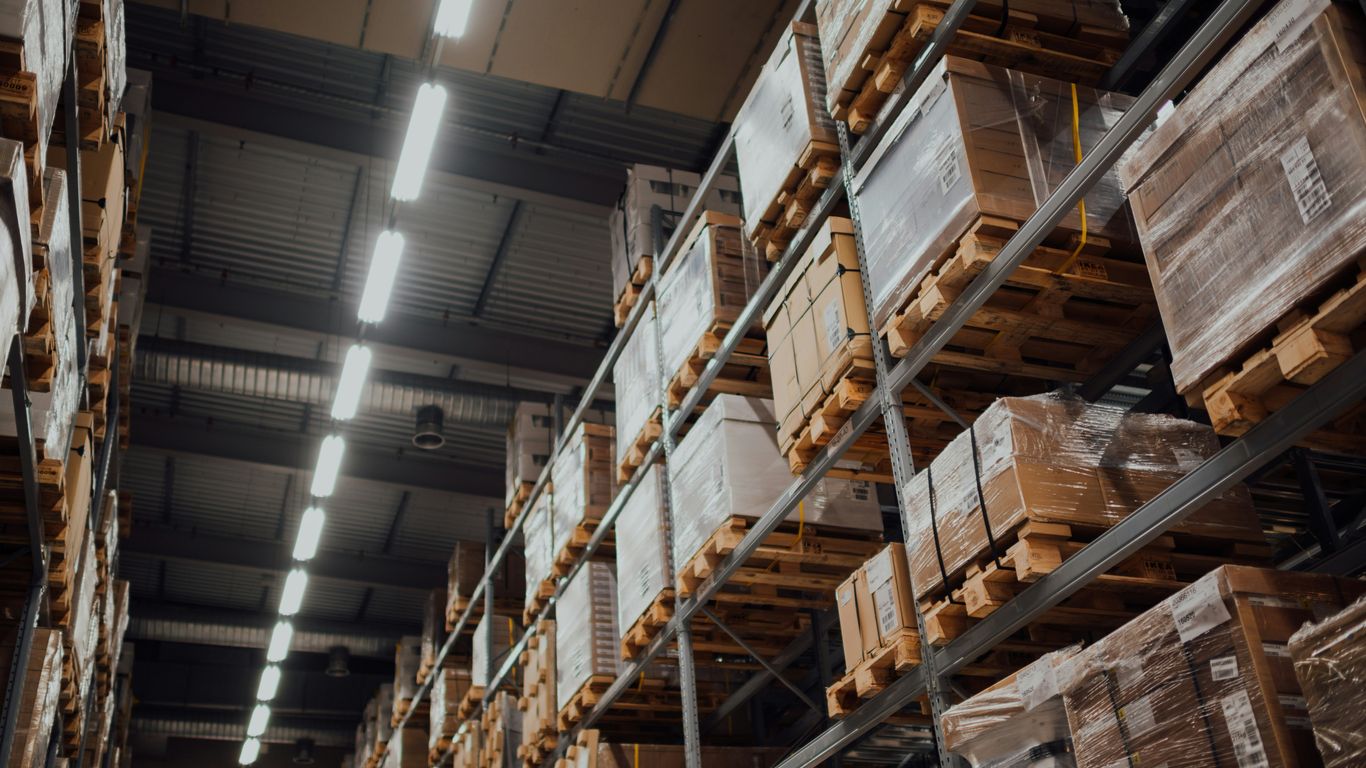
Operationally, the focus is on maintaining flow at every stage of the transit from pick-up to final delivery. Supply chain managers prioritize resilience, ensuring that unexpected changes in volume or scheduling do not turn into systemic delays. This requires active monitoring and the ability to pivot when standard processes are interrupted.
Optimising sea and air freight routing
Choosing between sea and air options depends heavily on the urgency and nature of the goods being transported. Freight forwarder support services play a critical role here by providing the logistical intelligence needed to select cost-effective and timely routing. Businesses can avoid transit pitfalls through careful analysis of carrier schedules and port capabilities.
Coordination of last-mile delivery services
Last-mile connectivity often represents the final challenge before a client receives their cargo in prime condition. Effective delivery management relies on close cooperation between transport operators and local dispatchers. By coordinating efforts, companies minimize the risk of hand-off delays and ensure timely handover at the receiver’s location.
Mitigation of cargo space and scheduling risks
Cargo congestion can occur during peak seasons or due to market fluctuations, requiring sophisticated management. IMPORT.SG provides scalable support during these high-demand periods to ensure operational continuity. As highlighted in standard operational assessments:
Proactive planning is the single best tool for mitigating logistical risk, as it allows for the pre-allocation of space and the early identification of potential scheduling bottlenecks.
This structured approach ensures that high-value cargo moves on schedule despite market pressures.
Leveraging technology in logistics support

Integrating digital solutions is no longer optional in modern freight operations. Technology drives visibility and increases the speed at which information can be exchanged between stakeholders. By moving beyond traditional manual methods, companies can achieve higher levels of precision in their day-to-day logistics duties.
Integrating tracking systems for real-time visibility
Real-time visibility allows for immediate awareness of cargo status, shifting the focus from reactive problem-solving to proactive management. Automated tracking notifications ensure that stakeholders act immediately upon any change in shipment status, facilitating smoother coordination.
Digital document management solutions
Moving documentation to cloud-based systems centralizes your trade records and provides an audit trail when needed. This approach simplifies the search for historical data, making it easier for teams to respond to inquiries from customs authorities or clients. Digital storage ensures that critical documents are accessible instantly from anywhere.
Automation of routine reporting and analytics
Automated reports provide granular insights into your trade patterns, allowing for better strategic decisions regarding future logistics planning. Analyzing these data sets regularly helps identify trends that might otherwise go unnoticed. Businesses often utilize the following categories of automated insights:
- Periodic duty expenditure reports for fiscal planning.
- Carrier performance metrics to benchmark transit times.
- Documentation accuracy monitors to highlight common errors.
- Regulatory update alerts to maintain compliance readiness.
Applying these automated insights transforms raw data into actionable intelligence for your operations team.
Choosing the right logistics partner in Singapore
Selecting a partner requires a careful assessment of their ability to handle the specific needs of your business. It is about finding a company that aligns with your operational tempo and possesses the necessary industry knowledge. Organizations should look for a dedicated partner capable of bridging the gap between complex regulation and urgent business requirements. You can get a quote to assess how well a prospective service provider understands your current logistical needs.
Evaluating industry specialisation and expertise
Different industries have different compliance needs, from perishables to high-value technology items. An ideal partner should demonstrate specific expertise in handling your product group, ensuring that they understand the nuances of the regulatory environment. This expertise is reflected in their ability to anticipate potential hurdles before they cause a delay.
Assessing service scope and global reach
Consider whether a potential partner offers an all-encompassing service model or requires you to manage multiple service providers simultaneously. A wider service scope simplifies the coordination of your supply chain significantly. A global reach ensures that they can manage your goods regardless of the origin or destination, making cross-border transactions much easier to handle.
Reviewing client support and infrastructure capabilities
High-quality support and infrastructure are the real indicators of reliable service. Evaluate their responsiveness during urgent inquiries and their ability to provide consistent support during peak hours. A well-resourced partner ensures that your documentation, declaration, and dispatch needs are met with precision consistently.
Conclusion
Successfully managing trade operations in Singapore relies on integrating accurate documentation, robust compliance adherence, and strategic logistics planning into your daily business cycle. By choosing to work with capable partners who centralize these complex tasks, you maintain control over your supply chain while ensuring that your international shipping remain resilient and compliant. Consistent proactive efforts in record-keeping and partner selection provide the best foundation for scaling your trade volume efficiently.
Frequently Asked Questions
What are the main responsibilities of a freight forwarder in Singapore?
These professionals coordinate the transport of goods, handle required documentation, and manage communication between carriers, shippers, and customs authorities.
Why is customs permit accuracy critical for importers?
Inaccurate permits lead to significant shipment delays, fines, and potential audit risks from the government authorities overseeing trade activities.
Can professional support help reduce my company’s duty costs?
Yes, by ensuring correct HS code classification and utilizing free trade agreements, professionals can help identify legally permissible duty savings.
How does TradeNet function within the Singaporean logistics system?
TradeNet serves as the single-window electronic platform for the submission of all customs-related declarations, permits, and trade documentation in the nation.
What should I look for when vetting a logistics provider?
Look for a defined service scope, transparent communication protocols, industry-specific expertise, and a proven track record of handling similar cargo types.
Why are certificates of origin important for export shipping?
They serve as official evidence regarding the country of manufacture and are frequently needed to qualify for preferential tax and duty treatments.
How can I prepare my business for potential customs audits?
Maintain organized digital archives of all commercial invoices, shipping permits, and transport documents for every transaction to ensure total traceability.