Customs Permits
Cargo Clearance Permit: What It Covers and When You Need One
Key Takeaways
A cargo clearance permit is part of the documentary process used to move goods through borders lawfully. The exact requirement depends on the cargo, route, parties and destination.
- Check whether the shipment is an import, export, transhipment or temporary movement.
- Identify controlled goods and any approval required from a Competent Authority.
- Match the permit with the invoice, packing list, transport document and cargo itself.
- Submit accurate commodity, value, quantity, origin and route information.
- Keep the approved permit and supporting records available for later checks.
What a cargo clearance permit is
A cargo clearance permit is an official authorisation or electronic declaration used in the customs process for a shipment. It gives the relevant authorities information about the goods and the movement, allowing them to assess whether the cargo may proceed. The term is often used broadly, while the formal name and process differ between countries. For Singapore-related shipments, the cargo permit process is generally managed through electronic declarations and may involve Singapore Customs or another relevant authority.
How a cargo clearance permit supports customs clearance
The permit connects the shipment to a declared description, value, quantity, route and responsible party. Customs officers can then compare the declaration with the accompanying documents and, where necessary, inspect the goods. Approval does not remove the need to comply with other laws, licences or release conditions. It is one part of a wider clearance file.
The difference between a permit, licence and customs declaration
A permit normally authorises a particular movement or transaction. A licence usually gives a business or person continuing permission to conduct a regulated activity, although terminology varies by jurisdiction. A customs declaration is the formal statement of the shipment details made to customs; in some systems, the declaration itself is also the permit application. Treating these terms as interchangeable can lead to the wrong application.
Which authorities may issue or review a permit
Singapore Customs may administer customs declarations, while Competent Authorities can review goods that fall within their specialist remit. Depending on the cargo, this may include food, medicines, plants, animals, chemicals or strategic items. The authority responsible for approval is determined by the goods and the proposed movement, not simply by the transport company. A freight agent can coordinate information, but it does not replace the authority’s decision.
Why requirements vary by cargo type and destination
A shipment may need different documents when its classification, end use, origin or destination changes. Import rules may also differ from export or transhipment rules, and the destination country can impose separate requirements. Country-specific checks should therefore be made before dispatch; an international shipping compliance guide can be a useful starting point for identifying where local advice is needed.
When you may need a cargo clearance permit
Whether a cargo clearance permit is needed depends on the movement and the goods. Commercial shipments commonly require a declaration, but exemptions and simplified procedures may apply in limited circumstances. The safest approach is to check the transaction before the cargo is handed to a carrier, rather than assuming that a previous shipment sets a precedent.
Imports, exports and goods in transit
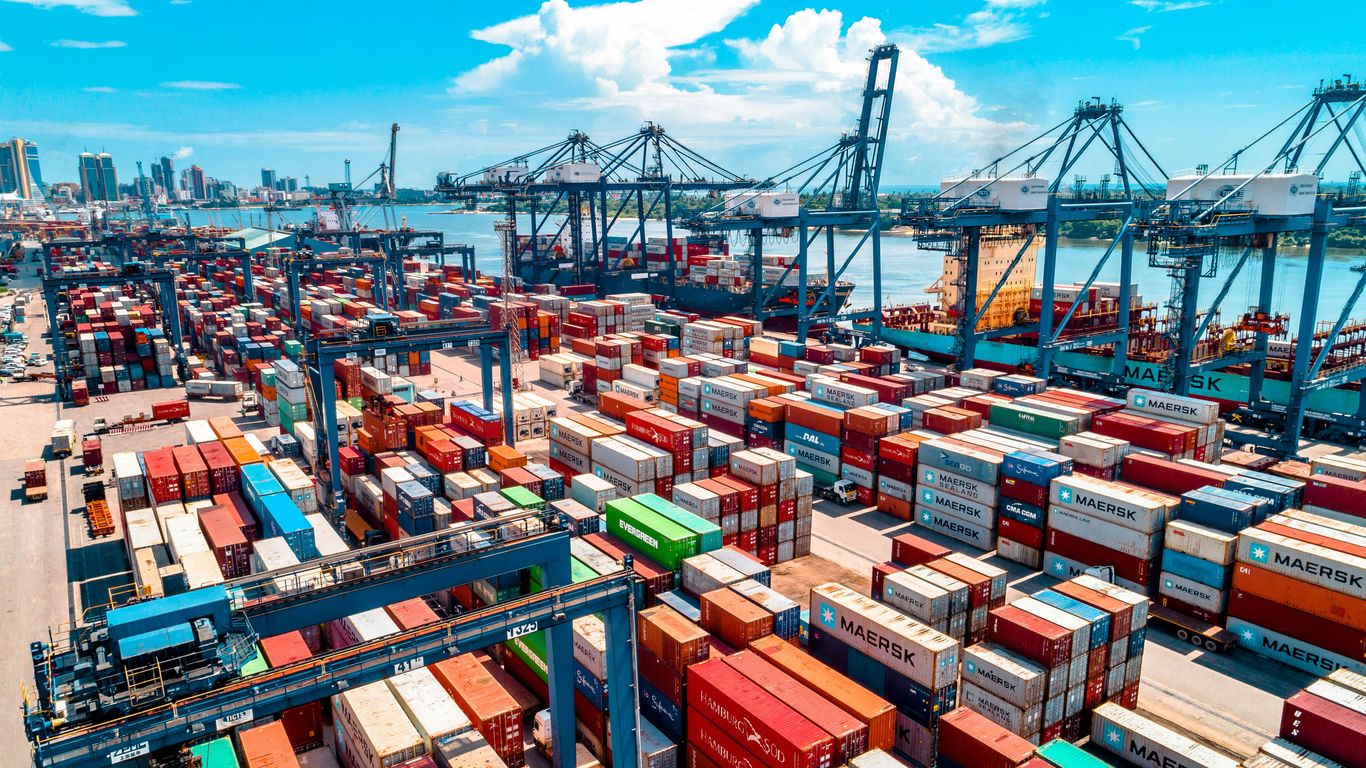
Goods entering a country, leaving it or passing through it can each fall under a different declaration type. In Singapore, the import permit requirements should be checked against the shipment’s status, customs value, HS code and intended use. Transit and transhipment arrangements may have their own conditions, even when the goods are not intended for local sale.
Restricted, controlled and regulated cargo
Controlled goods may require approval before a customs declaration can be completed or released. Examples can include regulated equipment, strategic items, chemicals and products subject to safety or environmental controls. A product description that sounds ordinary does not settle the issue; classification, technical characteristics and end use may all matter.
Food, animals, plants, medicines and chemicals
These categories often attract additional scrutiny because specialist regulators may set import, export, health, safety or quarantine conditions. Food exporters should check the destination market’s rules and whether pre-export approval is needed, as described in this food export approval guidance. Similar care is required for medicines, live organisms and chemicals, where supporting certificates or registrations may be required.
Temporary imports, re-exports and transhipments
Temporary movements are not simply ordinary imports with a later departure. The application may need to show why the goods are entering, how they will be identified and when they will leave again. Exhibition equipment, samples and professional items may be subject to special procedures, securities or discharge requirements. Re-export plans should be agreed before arrival, because a missed condition can create duty or compliance exposure.
What a cargo clearance permit typically covers
A permit records the facts that allow authorities to assess a specific movement. It is not a general approval to ship any goods at any time. Reviewing its fields against the commercial and transport documents before dispatch helps reveal inconsistencies while they can still be corrected.
The goods, quantities and tariff classification
The goods should be described clearly enough for the authority to understand what is being moved. Quantity, unit of measure, customs value and the applicable tariff or HS classification normally form part of the record. Accurate classification matters because it can affect duties, controls, licences and statistical reporting. If the product is unusual, obtain a classification view before filing rather than relying on a vague description.
The importer, exporter and other parties involved
The permit may identify the importer, exporter, consignee, declaring agent, freight forwarder or transport operator. Each party should understand its role and confirm that names, registration details and authorisations are consistent. A mismatch between the commercial invoice and the declaration can cause a query even when the physical goods are correct.
The approved origin, destination and route
Origin and destination information helps determine which controls, trade measures and certificates apply. The route and mode of transport may also matter, particularly for transit, transhipment or controlled cargo. A change of consignee, port or final destination should be assessed before movement rather than assumed to be administrative only.
Validity periods, shipment limits and conditions
Permits can be limited by date, quantity, value, number of shipments or a defined route. Some carry conditions about inspection, storage, re-export or the documents that must accompany the goods. The following fields are worth checking together before release:
| Permit field | What to verify | Why it matters |
|---|---|---|
| Commodity | Description, HS code and quantity | Identifies the goods and applicable controls |
| Parties | Importer, exporter and declarant | Allocates responsibility correctly |
| Movement | Origin, destination, route and mode | Confirms the approved transaction |
| Timing | Issue date, expiry and shipment limit | Prevents use outside the approval |
The table is a practical review aid, not a substitute for the permit’s actual conditions. If any field changes, ask whether an amendment or fresh application is required before the cargo moves.
Documents and information required for an application
An application is only as reliable as the information behind it. Authorities and declaring agents generally need a consistent set of commercial, transport and product details. Preparing the file as one record makes it easier to identify gaps before submission.

Commercial invoices and packing lists
The commercial invoice usually supplies the seller, buyer, description, value, currency and transaction details. The packing list adds package counts, weights, dimensions and the way the goods are arranged. These documents should agree with the permit, especially on quantities, descriptions and values. A customs documentation checklist can help teams conduct a pre-dispatch review.
Bills of lading, air waybills and transport details
The bill of lading or air waybill identifies the carrier, consignor, consignee, routing and transport reference. Other details may include the vessel or flight, container number, delivery location and expected arrival. These references allow the declaration to be connected to the physical consignment, so late or incorrect transport data should be corrected promptly.
Certificates of origin and product-specific certificates
A certificate of origin may be needed to establish where goods were produced or to support a preferential tariff claim. Product-specific certificates can address health, safety, conformity or other regulatory requirements. The certificate must relate to the actual goods and transaction; a generic certificate from an earlier shipment may not be suitable.
Supporting evidence for regulated or restricted goods
Controlled or restricted cargo may require technical specifications, test results, registration evidence, end-user information, licences or approvals. The supporting material should explain why the goods meet the relevant conditions, not merely repeat the product name. For example, a GMP certification guide illustrates why regulated product documentation can involve manufacturing controls and detailed records, although the applicable requirements depend on the cargo and jurisdiction.
How to apply for and use the permit
The application process begins before the shipment reaches the border. First identify the movement type, then confirm the authority, documents, declarant and timing. For Singapore commercial shipments, electronic filing and the relationship between the permit and the customs declaration should be understood in advance.
Identifying the correct authority and application portal
Start with the customs authority for the country of import, export or transit, then check whether a Competent Authority also has jurisdiction. Confirm the permitted filing channel, account requirements and who is authorised to submit. Where a declaration agent is appointed, agree the scope of work and the person responsible for answering queries. Permit declaration support may assist with coordinating the information within the agreed scope.
Preparing accurate shipment and commodity information
Collect the invoice, packing list, transport details, HS code, customs value, origin, destination and any product approvals before entering the application. Use a consistent product description across every document. Avoid copying data from a previous shipment without checking the new quantity, buyer, route and packaging.
Allowing time for reviews, inspections and amendments
An application may require validation, referral to another authority, clarification or inspection. Build time into the schedule for those steps, particularly when goods are controlled or the shipment is time-sensitive. If a material detail changes, pause and determine whether the approved permit remains valid. A rushed amendment is usually safer than sending cargo under an inaccurate approval.
Linking the permit to the customs declaration
The approved permit reference should be associated with the correct declaration, consignment and transport record. Check that the declaration uses the same party details, commodity information, value and quantity. The commercial clearance process explains why coordination between importers, declaring agents, freight forwarders and authorities is central to release. Keep the approval accessible to the team handling delivery and border queries.
What happens during cargo clearance
Clearance is the point at which the submitted information is assessed against the shipment and applicable controls. The cargo may be released quickly, referred for further review or held until a condition is met. Timing depends on the authority, cargo, completeness of the file and whether inspection is required.
Document checks and risk assessment
Authorities review the declaration and supporting documents for completeness, consistency and compliance. They may assess the classification, value, origin, parties, route and any control indicators. Queries should be answered with precise documents and a clear explanation, rather than a revised description that is not supported by the commercial record.
Physical inspections and release conditions
A physical inspection may compare the cargo with the declaration, packaging and marks. Release could depend on inspection results, presentation of an approval, payment of charges or correction of a discrepancy. Transport operators should be given clear instructions about where the cargo is to go and which release reference must be retained.
Duties, VAT and other charges
Customs duty, VAT or GST and administrative charges may arise depending on the tariff classification, customs value, origin and applicable relief. The permit does not automatically determine every financial obligation. Confirm whether a relief, exemption or temporary arrangement applies and keep the calculation supporting the declaration.
Handling holds, discrepancies and rejected applications
A hold is a signal to identify and resolve the specific issue, not permission to move the cargo informally. Compare the approval with the invoice, packing list, transport data and physical shipment, then respond through the authorised channel. If an application is rejected, establish whether the cause is missing evidence, an incorrect procedure, an ineligible product or a data error before submitting again.
Common compliance risks and how to avoid them
Most avoidable problems arise from small differences repeated across several documents. A shipment can be commercially genuine and still be delayed if the declaration does not describe it accurately or the permit does not cover the actual movement. A documented review before dispatch is therefore one of the simplest controls available.
Using the wrong permit or commodity classification
Do not select a permit type solely because it was used for a previous shipment. Confirm whether the movement is an import, export, transhipment, temporary import or re-export, and review the HS classification against the goods. Technical information may be needed where the classification is uncertain. The permit declaration checklist provides a useful structure for this review.
Exceeding the permit’s scope or expiry date
Check the approved quantity, value, route, parties and expiry date before loading. A permit that covers one consignment may not cover a split shipment or a later dispatch. Where a Carnet or temporary procedure is involved, the temporary import process should be reviewed alongside the permit’s own conditions.
Failing to update changes to the shipment
Changes to the buyer, consignee, commodity, quantity, value, packaging, route or transport reference can affect the approval. Record the change, notify the responsible declarant and obtain confirmation before proceeding. Informal notes between teams are not a replacement for an amended declaration or permit where one is required.
Keeping records for audits and post-clearance checks
Retain the permit, declaration, invoice, packing list, transport documents, certificates, approvals and correspondence together. Records should be legible, retrievable and linked to the shipment reference. A short internal checklist can help:
- Reconcile the approved permit with the final invoice.
- Confirm the transport reference and package details.
- Store evidence of approvals, amendments and release.
- Record how classification, value and origin were determined.
This file supports a response to later questions and makes recurring shipments easier to review. It also helps demonstrate that the business acted on a consistent process rather than relying on memory.
Conclusion
A cargo clearance permit is a transaction-specific part of customs compliance, shaped by the goods, parties, route and destination. Accurate documents, early checks and careful control of changes reduce the risk of holds and rejected applications. Where the process is complex or time-sensitive, assigning one accountable coordinator can keep the declaration, supporting evidence and operational handover aligned.
Frequently Asked Questions
Is a cargo clearance permit the same as a customs declaration?
Not always. In some systems the declaration functions as the permit application, while in others a separate approval or licence is also required.
When is a cargo clearance permit usually required?
It is commonly required for commercial imports, exports and transhipments, but exemptions and special procedures may apply. The shipment’s goods and route must be checked.
Do all goods need a specialist approval?
No. Specialist approval generally applies to controlled, restricted or regulated goods, such as certain food, medicines, chemicals, plants, animals or strategic items.
Can a permit be used for several shipments?
That depends on its terms. Some permits are limited by quantity, value, date, route or number of consignments, so the approved conditions must be read carefully.
What documents support a permit application?
Typical documents include a commercial invoice, packing list, bill of lading or air waybill, transport details, certificate of origin and any product-specific approval or technical evidence.
What happens if shipment details change after approval?
The change should be assessed before dispatch. An amendment, replacement application or updated declaration may be needed, depending on the nature of the change and the authority’s rules.
How long should customs records be kept?
Keep the permit, declaration and supporting records for the period required by the relevant customs and tax rules. A longer internal retention period may be sensible where contracts or regulated goods justify it.
Request a Clearance Quote
Share the shipment details, permit position, timing and available documents with IMPORT.SG to discuss coordinated customs declaration and trade documentation support within an agreed scope.