Freight Forwarding
Freight Forwarding Services Singapore: What Businesses Should Expect
Key Takeaways
Freight forwarding services singapore help businesses coordinate transport, documentation and border formalities without losing sight of the final delivery.
- Select sea, air, road, rail or multimodal transport according to the shipment’s urgency, volume and value.
- Confirm who is responsible for bookings, permits, documents, handling and last-mile delivery.
- Treat customs data, HS classification and supporting paperwork as operational essentials.
- Compare complete landed costs and service standards rather than relying on the lowest headline quote.
- Appoint a forwarder that can communicate clearly, manage exceptions and document agreed responsibilities.
Understanding the role of freight forwarding services in Singapore
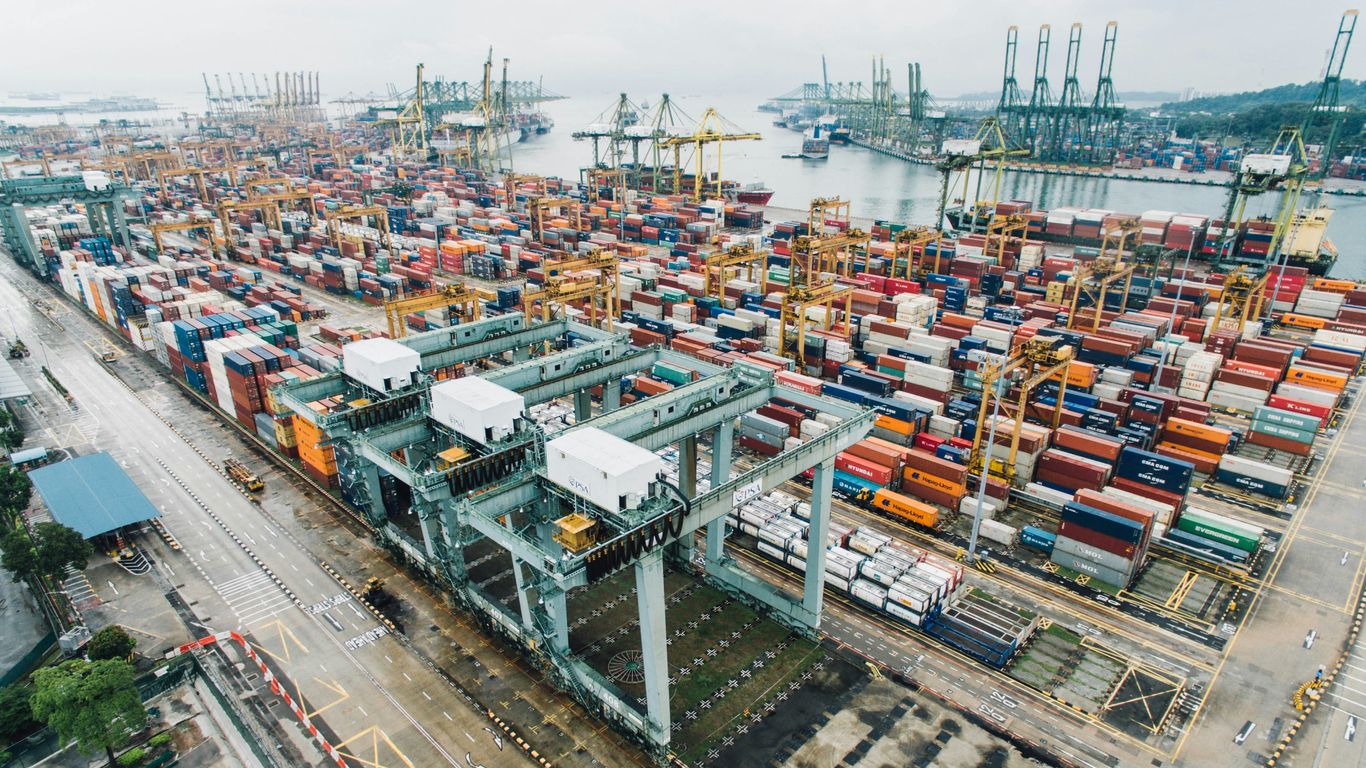
Freight forwarding services singapore sit between the shipper and the many parties involved in moving cargo. A forwarder may coordinate carriers, terminals, transport operators, warehouses and customs documentation, depending on the agreed scope. The value is not simply finding a vehicle or vessel; it is keeping connected tasks moving in the right sequence. Singapore’s position as a major trading hub makes that coordination particularly relevant for businesses serving regional and global markets.
What a freight forwarder manages on a shipper’s behalf
A forwarder normally receives shipment instructions, obtains transport space, checks practical cargo details and coordinates movement from origin to destination. The exact responsibility should be recorded, since a forwarder may arrange services without being the carrier or the party responsible for every regulatory decision. For a useful overview of the local role, businesses can review freight forwarder support alongside their own internal process map.
Good coordination also means identifying missing information early. Product descriptions, dimensions, weights, delivery terms and consignee details can all affect the booking, documentation and handling plan. Clear task ownership reduces the risk that an unanswered email becomes a missed cut-off.
How Singapore’s port and airport infrastructure supports global trade
Singapore offers established maritime and air connections, giving businesses access to multiple routing options. The port supports containerised and other ocean cargo, while air cargo facilities support shipments where speed or product value justifies the premium. Infrastructure alone does not guarantee a smooth movement: available capacity, terminal cut-offs, transhipment arrangements and local delivery still need active coordination.
The practical question is therefore how the infrastructure fits the shipment. A forwarder should explain the proposed route, expected handovers and the points at which a delay could affect delivery.
The difference between freight forwarders, carriers and customs brokers
A carrier physically transports cargo under its own service and contractual terms. A freight forwarder arranges transport and related logistics, often combining services from several providers. A customs broker or declaring agent focuses on declarations and border formalities, although some businesses offer forwarding and customs support within one coordinated engagement.
These roles can overlap commercially, but they are not interchangeable. The shipper should know who issues the transport document, who submits a permit, who controls the cargo at each handover and who must be contacted when information changes.
When businesses typically need professional forwarding support
Professional support becomes useful when shipments involve several suppliers, unfamiliar routes, tight delivery windows or documents that must be consistent across parties. It can also help when a small logistics team is managing frequent imports and exports alongside normal commercial work. Businesses dealing with urgent dispatch, temporary movements or controlled goods should decide responsibilities before cargo is released.
A practical trade documentation guide can help teams identify recurring gaps. The aim is not to outsource every decision, but to create a dependable operating method for the tasks that are most likely to interrupt trade.
Choosing the right freight transport mode
The right transport mode depends on more than distance. Shipment size, product sensitivity, required delivery date, inventory cost and available infrastructure all influence the decision. A low freight rate may be unhelpful if it creates stock shortages, extra storage or repeated handling. Businesses should compare the complete movement, including collection, clearance and delivery.
Sea freight for high-volume and cost-sensitive shipments
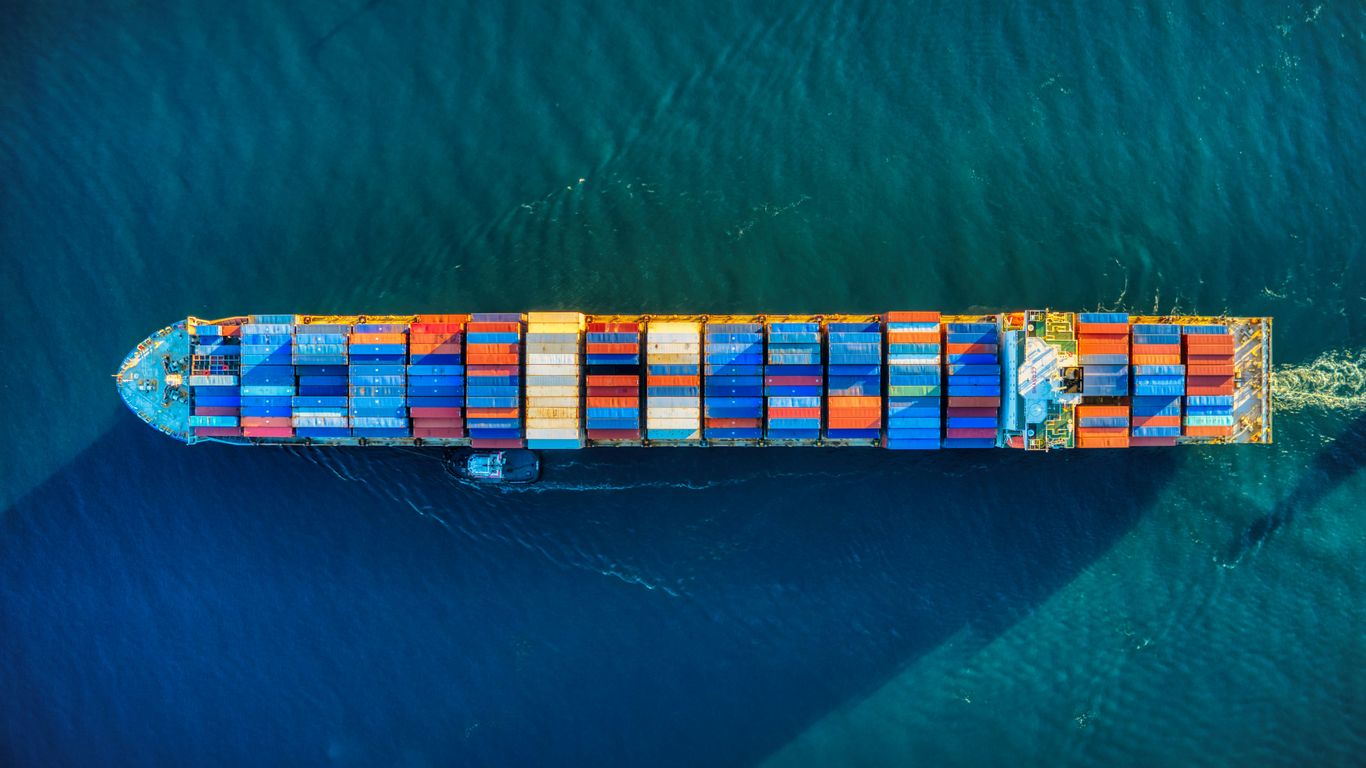
Sea freight is generally suitable for larger consignments that can tolerate longer transit times. It can be arranged as full-container load or shared-container cargo, subject to the shipment’s characteristics and the service available on the chosen route. Planning must account for sailing schedules, port cut-offs, container availability, transhipment and destination handling.
It is often the sensible baseline for replenishment stock and non-urgent goods. However, the quoted ocean rate should be read with care because origin, destination and documentation charges may sit outside it.
Air freight for urgent, high-value or time-critical cargo
Air freight can reduce transit time for compact, valuable or operationally urgent goods. The premium is justified when the cost of delay is greater than the additional transport charge, such as when a production line is waiting for a component. Weight, dimensions, airline acceptance, security screening and flight capacity all affect the practical choice.
For exceptionally urgent, compact consignments, a dedicated hand-carry arrangement may be considered, but it remains subject to airline, customs and destination requirements. The decision should follow a documented comparison rather than urgency alone.
Road and rail connections for regional distribution
Road transport is central to collection, delivery and cross-border distribution around Singapore and the wider region. It offers useful flexibility for scheduled replenishment, short-distance movements and the first or final leg of a multimodal route. Rail may be relevant on selected regional corridors, although service availability and terminal connections must be checked for the particular origin and destination.
Operational details matter here: loading windows, vehicle access, border procedures, driver instructions and delivery appointments can all affect performance. A mode that looks simple on a map may require careful handover planning.
Multimodal transport for complex supply chains
Multimodal transport combines two or more modes under a coordinated plan. It may suit a shipment that travels by sea to a regional hub and then by road, or one that uses air for an urgent leg before local delivery. The advantage is flexibility, while the main risk is a loss of visibility at the handover points.
Before booking, agree which party manages each transfer and what event triggers the next instruction. A written route plan is especially useful when several suppliers, consignees or delivery sites are involved.
What the freight forwarding process involves
A forwarding process begins well before cargo reaches a port or airport. The shipper supplies commercial and physical details, the forwarder proposes a routing and the parties confirm the documents and responsibilities. Each step should produce a clear next action, especially where a permit or carrier cut-off is involved. This is where a methodical workflow can prevent avoidable rework.
Booking cargo space and preparing shipping instructions
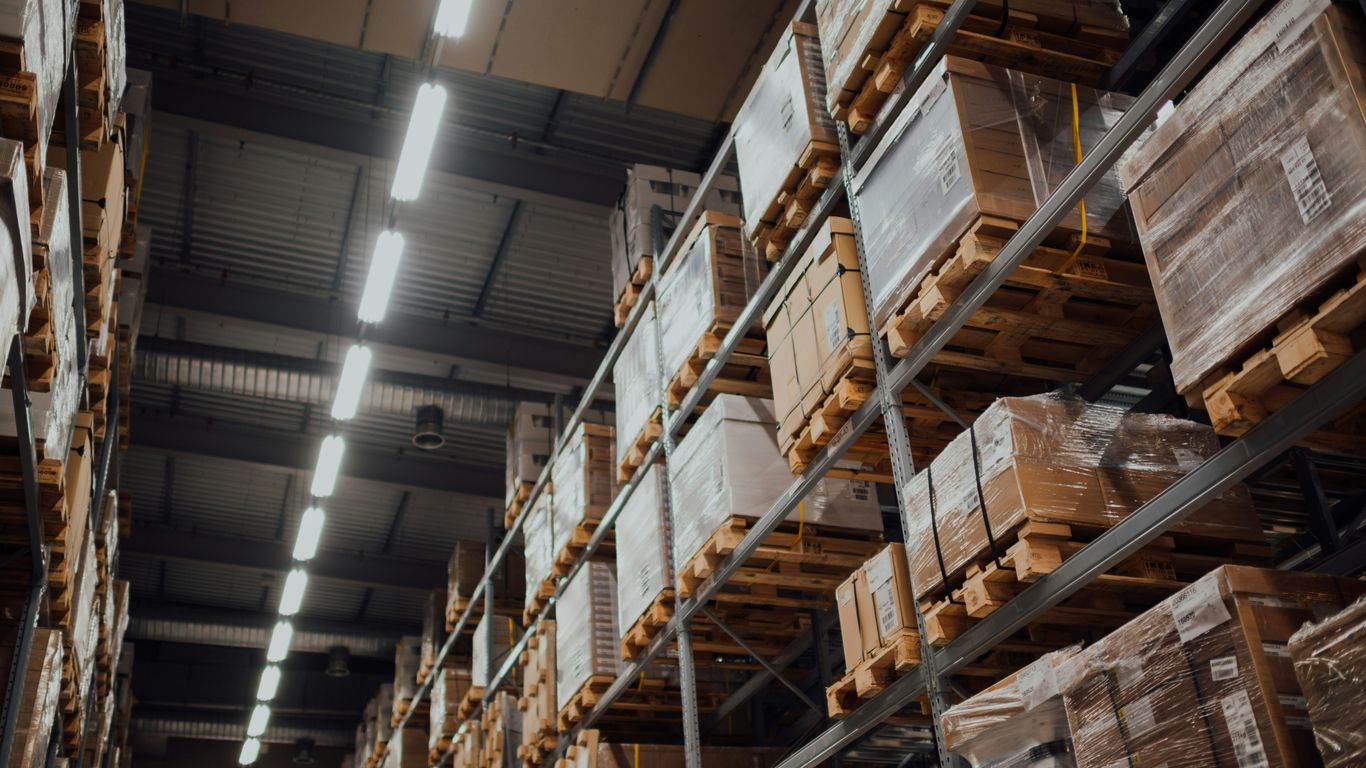
The booking should reflect the actual cargo: quantity, packing, gross weight, dimensions, commodity description and required dates. Shipping instructions then convert that information into directions for the carrier and handling parties. Errors at this stage can lead to rejected bookings, amendments or unsuitable equipment.
The shipper should also confirm the Incoterm, collection address, consignee, notify party and delivery requirements. Those details help define what the forwarder is expected to arrange and what remains with the buyer or seller.
Packing, labelling and cargo documentation
Packing protects the goods and makes handling requirements visible. Labels should match the shipping documents, while marks, numbers, weights and package counts should remain consistent throughout the file. Documentation may include a commercial invoice, packing list, bill of lading or air waybill, permits and certificates relevant to the goods.
A useful internal review asks whether the physical cargo, invoice and transport instructions describe the same transaction. Shipping documents checklist provides a practical reference for that comparison.
Coordinating port, airport and last-mile handling
Once space is booked, the forwarder coordinates collection, cargo receipt, terminal or warehouse handover and onward delivery. Timing depends on cut-off dates, receiving hours, clearance status and the availability of local transport. Last-mile instructions should include delivery contacts, site restrictions and any appointment requirements.
The forwarder should identify the handover points rather than presenting the movement as one invisible journey. That makes it easier to investigate a delay and assign the next action.
Tracking shipments from origin to final delivery
Tracking is most useful when it shows meaningful milestones, not merely a reference number. Businesses should expect updates for booking confirmation, cargo receipt, departure, arrival, clearance and delivery where those milestones are available. They should also know how quickly an exception will be escalated.
A shared record of status, documents and open questions helps commercial and operations teams make decisions before a problem becomes urgent. Visibility is therefore both a technology matter and a communication discipline.
Customs clearance and Singapore trade compliance
Customs clearance is a separate workstream within the wider movement of goods. The importer or exporter remains responsible for the accuracy of the transaction, even where a declaring agent or forwarder submits information on its behalf. Requirements vary according to the goods, transaction type and applicable controls. Early classification and document review can make the process more predictable.
Import and export permits required for different goods
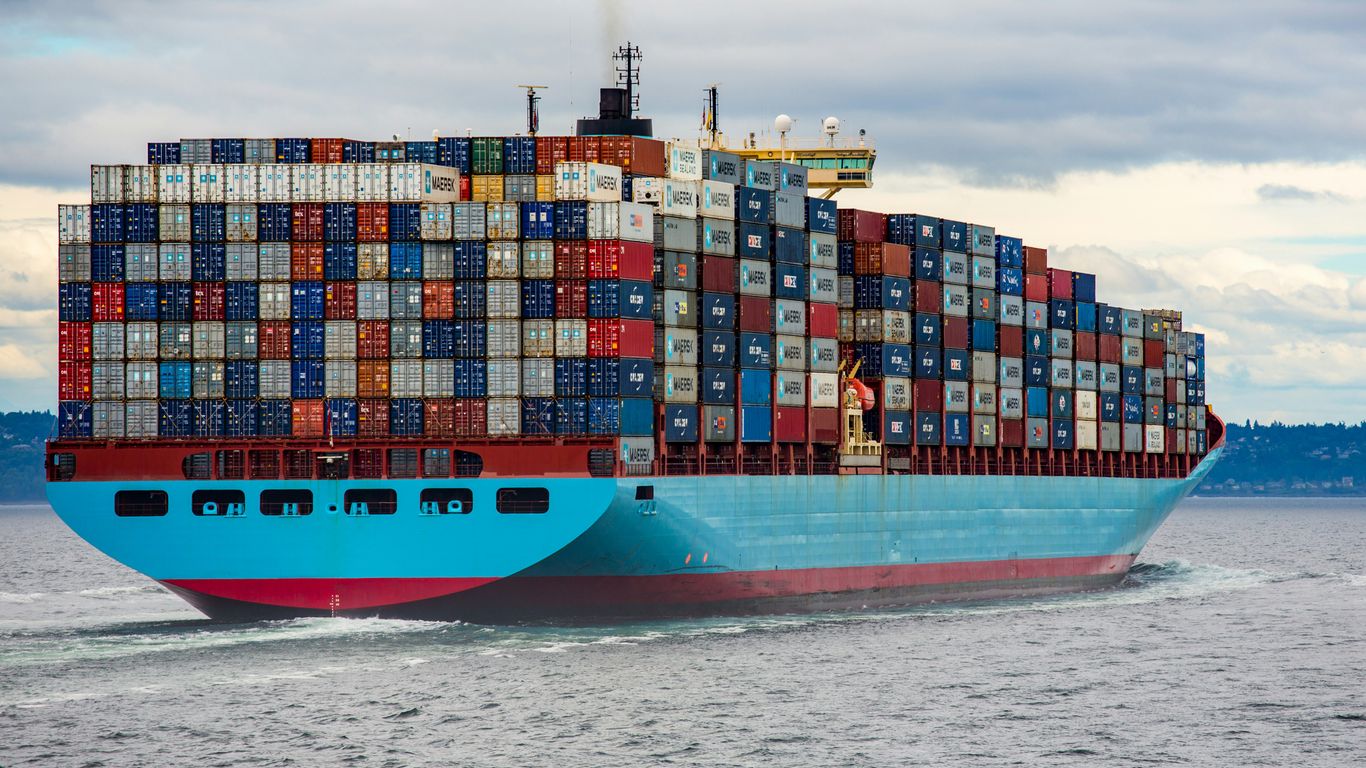
Many commercial movements require permits submitted through TradeNet, although the requirement and permit type depend on the transaction and goods. Businesses should establish the importer or exporter of record, confirm their Customs account arrangements and decide whether declarations will be handled internally or by an agent.
A practical Singapore Customs guide can help teams check registration, invoices, packing lists, transport documents and record-keeping. Permit requirements should be confirmed before shipping, not after cargo has reached the terminal.
Duties, GST and customs valuation considerations
Duty and GST treatment depends on the goods, classification, customs value and applicable rules. The commercial invoice should support the declared transaction value, while freight, insurance, assists, royalties or related-party considerations may require attention under the relevant valuation method. A quotation for clearance services is not the same as a calculation of the final tax liability.
Businesses should retain the evidence used for classification and valuation. Where a preferential arrangement may apply, the origin documentation and eligibility conditions also need to be checked.
Controlled, restricted and regulated cargo
Controlled goods may require approval, licences, testing, registration or other documentation from the relevant Competent Authority. Product descriptions that are too broad can make classification difficult, while inconsistent technical records may prompt questions or delay release. The route and mode may also be affected by packaging, safety and handling rules.
Teams handling such cargo can consult a controlled goods resource before the shipment is packed. That preparation supports coordination, but it does not replace the authority’s requirements or decision.
Avoiding delays caused by inaccurate documentation
Common causes of delay include incorrect HS codes, incomplete descriptions, mismatched quantities, missing permits and inconsistent consignee information. A document check should compare the invoice, packing list, transport document and declaration rather than reviewing each file in isolation. Corrections after submission may require amendments and additional coordination.
The most reliable process has one source of approved shipment data and a named person responsible for sign-off. This is particularly valuable when suppliers, brokers and transport providers are exchanging different versions of the same information.
Understanding freight forwarding costs in Singapore
Forwarding quotations can be difficult to compare because providers use different scopes and charge structures. One quote may include local delivery and clearance while another prices them separately. The shipment’s volume, weight, route, season and handling requirements also influence the final amount. A useful comparison begins by asking what is included and what is excluded.
Main charges included in a forwarding quotation
A quotation may contain the main transport charge, booking or documentation fees, collection, delivery and customs-related services. For ocean cargo, the basis may be container, weight or volume; for air cargo, chargeable weight is often central. The quote should state its validity period and the assumptions behind the price.
Ask for the currency, tax treatment, service scope and any minimum charges. This prevents a low unit price from concealing costs that appear later in the process.
Origin, destination and handling fees to check
Origin charges may cover collection, export handling, warehouse receipt and terminal services. Destination charges can include handling, delivery order administration, storage, customs coordination and final transport. Not every shipment incurs every item, so the forwarder should relate each charge to the proposed route and handovers.
The distinction between prepaid and collect charges should also be clear. If a consignee or overseas agent is responsible for part of the movement, that responsibility belongs in the written quotation.
Fuel surcharges, peak-season costs and accessorial fees
Fuel adjustments, security charges and peak-season supplements can change the amount payable after the initial quote. Accessorial charges may arise from storage, waiting time, redelivery, special equipment, inspections, amendments or handling outside normal hours. These are not necessarily unreasonable, but they should be foreseeable.
A short list of assumptions is often more useful than a long unexplained rate sheet. It gives the shipper a basis for checking invoices and deciding whether a change is within the agreed scope.
Comparing quotes beyond the headline price
Price should be assessed beside transit assumptions, milestone visibility, response times and exception handling. A cheaper service may carry a higher risk of storage, missed production dates or manual intervention. The commercial decision should reflect the cost of delay as well as the transport invoice.
A simple comparison can use the following questions:
- Does the quote cover the complete origin-to-destination movement?
- Are clearance, permits, taxes and third-party charges clearly separated?
- What events can trigger a surcharge or amendment fee?
- Who must approve changes to routing, timing or delivery?
The answers make competing quotations more comparable and reveal where two providers are offering different services under similar-looking prices.
Service standards businesses should expect
Service quality in forwarding is measured through dependable information and controlled handovers. A provider may not control a carrier’s sailing, a terminal queue or a customs authority’s decision, but it should explain the status and coordinate the information available. Businesses should agree practical standards before the first shipment. These standards are especially important when several departments depend on one delivery date.
Shipment visibility and proactive communication
A forwarder should provide a usable tracking reference and identify the milestones it can report. Proactive communication means raising a missing document, capacity issue or timing risk before the customer has to ask. Updates should distinguish confirmed events from estimates.
For urgent work, define the escalation channel and response expectation in advance. A phone call may be more appropriate than an automated notification when a cut-off is close.
Clear timelines, milestones and delivery updates
A timeline should show booking, cargo receipt, departure, arrival, clearance and delivery assumptions where relevant. It should also identify dependencies, such as receipt of an approved invoice or release of a permit. When an estimate changes, the provider should explain what changed and what action is available.
This creates a shared operational record rather than a series of disconnected status messages. It also helps sales, finance and warehouse teams plan around the same information.
Cargo security, insurance and loss prevention
Security measures depend on the cargo, route, packaging and handover arrangements. Shippers should ask how goods are sealed, stored, monitored and released, and what evidence is available if a package is damaged or short-delivered. Insurance is a separate decision from carrier liability and should be assessed against the cargo’s value and risk.
Loss prevention starts with accurate package counts and condition records. Photographs, seal numbers and signed handover records can support a clear investigation when something goes wrong.
Contingency planning for delays and disruptions
A contingency plan should cover missed sailings or flights, document corrections, storage, rerouting, delivery failure and changes to the consignee’s availability. It should name the person who can approve additional charges and the point at which an alternative route is considered. Not every disruption can be prevented, but uncertainty can be reduced through preparation.
For time-critical cargo, businesses can review urgent shipment coordination and decide whether standard freight, an alternative mode or a specialised service best fits the risk.
How to evaluate and appoint a freight forwarder
Appointment should follow the shipment profile, not only a general reputation or a single attractive rate. Ask providers to describe the route, scope, documents, handovers and escalation process in practical terms. The right partner should be able to state what it will coordinate and what remains outside its control. That clarity protects both sides when circumstances change.
Assessing experience with specific routes and cargo types
Experience should be relevant to the lanes and goods the business actually moves. Ask about similar origin and destination pairs, container or air cargo requirements, delivery constraints and any controlled-goods experience. A provider that understands the commodity can identify useful questions before booking.
For specialist projects, request a sample operating plan rather than relying on broad claims. The quality of the questions asked at the outset is often a good indicator of operational maturity.
Checking licences, accreditations and operational networks
Verify that the proposed parties are authorised for the services they will perform and understand which activities are carried out by subcontractors or overseas agents. A network can be valuable, but the shipper should know who owns the local communication and who handles exceptions.
The same principle applies to unrelated operational suppliers: a clear scope matters whether a business is reviewing True Appliance Repair, SCD Garage or a forwarding provider. These examples are a reminder that vendor selection should test accountability, not just geographic coverage.
Reviewing technology, customer support and reporting
Technology should make shipment information easier to find, reconcile and share. Review the quality of milestone updates, document storage, user access, reporting and exception alerts. A sophisticated portal is less useful if staff cannot obtain a timely answer when a consignment is held.
Ask who responds outside standard hours and how urgent matters are escalated. If your operations also involve Dubai retail construction, for example, the same discipline around deadlines and handovers can inform a wider supplier review, even though the logistics requirements differ.
Defining service-level agreements and performance KPIs
A service-level agreement should record response times, document cut-offs, milestone reporting, escalation routes and the treatment of delays or additional charges. KPIs might cover booking accuracy, on-time delivery against the agreed estimate, documentation error rates and response performance. Measures must be defined precisely enough to be reviewed without argument.
Keep the scorecard proportionate to the shipment profile. A small exporter may need a simple monthly review, while a manufacturer with multiple lanes may require lane-level reporting and formal corrective actions. For local property work such as Port Ludlow gutter services, the same general lesson applies: measurable scope and agreed outcomes make a service easier to manage.
Conclusion
The best freight forwarding arrangement gives a business a clear route, accurate documentation, visible milestones and a named owner for coordination. Before appointing a provider, compare modes, charges, compliance responsibilities and contingency plans against the real cost of delay. For businesses that need structured support with customs declarations, trade documents or urgent dispatch, request a quote with the shipment details, timing and available paperwork so the scope can be assessed clearly.
Frequently Asked Questions
What does a freight forwarder do?
A freight forwarder arranges and coordinates transport and related logistics between the shipper and service providers. The agreed scope may include bookings, collection, documentation, customs coordination and delivery.
Is a freight forwarder the same as a carrier?
No. A carrier transports cargo under its own service and contractual terms, while a freight forwarder generally arranges transport using one or more carriers. The documents should identify the relevant parties.
Which freight mode is cheapest in Singapore?
Sea freight is often more economical for larger, non-urgent consignments, but the answer depends on volume, route, timing and total local charges. A complete quotation is needed for a fair comparison.
When should a business use air freight?
Air freight may suit urgent, high-value or time-sensitive cargo where reducing transit time is worth the additional cost. Weight, dimensions, capacity and handling requirements should be checked before booking.
What documents are commonly needed for customs clearance?
Common documents include a commercial invoice, packing list and transport document, with permits, licences or certificates required for particular goods or transactions. Requirements should be confirmed for the shipment concerned.
How can customs delays be reduced?
Use accurate product descriptions and HS classifications, keep quantities and values consistent across documents, and secure required permits before cargo moves. A named reviewer should approve the final declaration data.
What should a forwarding quotation include?
It should identify the route, transport mode, service scope, validity period, included charges, exclusions, taxes, surcharges and assumptions. It should also explain who handles clearance, delivery and changes to the original plan.