Freight Forwarding
Freight Forwarding Service: What Is Included and What Is Usually Separate?
Key Takeaways
A freight forwarding service can coordinate several stages of moving goods, but the quotation may not include every cost or responsibility. The safest approach is to clarify the scope before cargo is booked.
- A forwarder coordinates transport and related logistics rather than acting as the carrier in every case.
- Booking, handling, tracking and standard documents are often included, but the scope varies.
- Customs declarations, duties and taxes require clearly assigned responsibility.
- Storage, insurance, waiting time and specialist handling are commonly charged separately.
- Quotations should be compared by total landed cost, exclusions, liability and service commitments.
What a freight forwarding service does
A freight forwarding service organises the movement of cargo between an origin and a destination, often using more than one transport provider. The forwarder may coordinate bookings, collection, documentation, customs processes and final delivery, depending on the agreed scope. This makes the service useful when a shipment involves several handovers or jurisdictions. It does not mean that the forwarder controls every external carrier, port or customs decision.
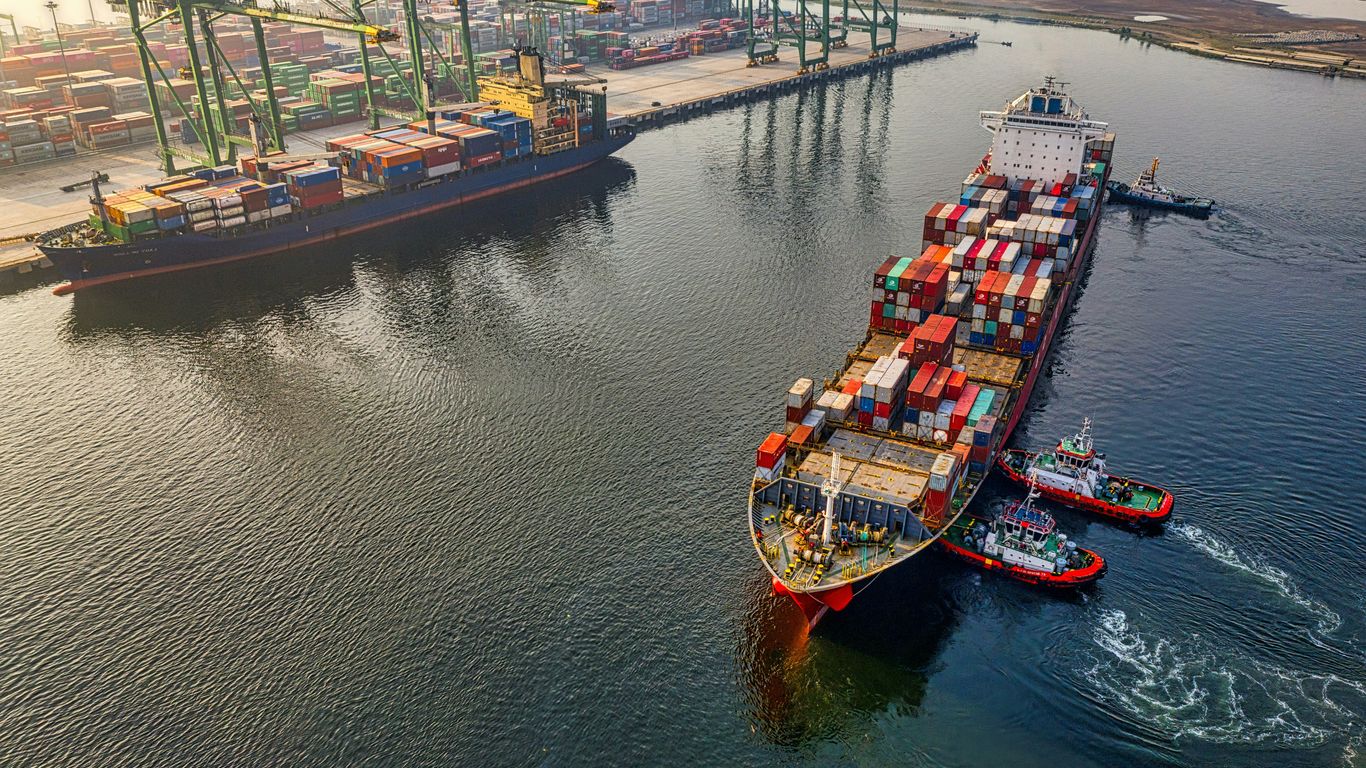
The forwarder’s role in the supply chain
The forwarder acts as a co-ordinator between the shipper, consignee, carriers, terminals, warehouses and, where relevant, customs representatives. It plans the movement, passes accurate information between the parties and monitors progress against the booking. The work can include arranging carriage, consolidation, storage, handling and delivery. A useful overview of freight forwarding basics explains how these activities fit together with documentation and Incoterms.
How freight forwarders differ from carriers and customs brokers
A carrier physically operates a vessel, aircraft, lorry or train, or contracts the transport under its own carriage terms. A customs broker or declaring agent focuses on declarations and communication with customs authorities. A forwarder can arrange carriage and may also coordinate customs work, but the parties, authority and liability should be named in the quotation. Titles can vary between countries, so the practical functions matter more than the label.
When businesses typically use a freight forwarder
Businesses usually involve a forwarder when they lack the internal resources to manage bookings, multiple modes, international paperwork or destination delivery. It can also be sensible for irregular shipments, growing trade volumes, complex routes and cargo requiring consolidation. Start-ups may find this freight forwarding guide helpful when weighing shipment volume, product type and destination against the cost of managing transport directly. The right level of support depends on the cargo and the responsibilities the business wishes to retain.
How the service changes for import, export and multimodal shipments
An export movement may begin with collection, export documentation and an outbound customs declaration. An import movement adds arrival coordination, import clearance, duties or taxes and delivery to the consignee. Multimodal shipments require the forwarder to connect several bookings and handovers, with consistent cargo data throughout. The same shipment may therefore have different inclusions at origin, during transit and at destination.
Services commonly included in a freight forwarding quote
A quotation normally describes the operational work needed to move a specified shipment under stated assumptions. It may cover a carrier booking, origin handling, transport coordination and delivery, but the wording should be read alongside the exclusions. Quotes can differ even when the headline route and freight rate look similar. Ask whether the price is for one shipment, one movement, or a wider account arrangement.

Shipment booking and carrier coordination
The forwarder can request space, confirm sailing or flight details and issue booking information to the shipper. It may coordinate cut-off times, cargo readiness and changes with the selected carrier. Capacity is not guaranteed simply because a quotation has been issued; the booking becomes meaningful when the carrier accepts it. Check whether amendments, cancellations and rollovers are covered.
Collection, consolidation and cargo handling
Collection may be arranged from the supplier or another nominated location. Smaller consignments can be consolidated with other cargo, while a full load may move under a dedicated container or vehicle arrangement. Handling can include receiving, checking package counts and transferring cargo between facilities. Packing, storage and waiting at collection may still be separate line items.
Transport planning and route selection
Route planning balances cost, transit time, available capacity, cargo characteristics and the number of handovers. A forwarder may combine sea, air, road or rail legs and coordinate the providers involved. The chosen route should be recorded with its assumptions, including any transhipment or inland delivery. A broader freight transport guide is useful context for understanding why route and mode choices affect both cost and reliability.
Tracking, status updates and delivery coordination
Tracking may consist of carrier milestones, forwarder updates or both. The quotation should state how often updates are provided and who receives notices about delays, arrival and delivery. Delivery coordination may include appointment booking and confirmation of the receiving location, but unloading and waiting time are not automatically included. Good visibility depends on timely, matching data from all parties.
Standard shipping documentation
Common documents may include a commercial invoice, packing list, transport document and booking confirmation. Depending on the movement, certificates of origin, permits or other supporting records may also be needed. Document preparation and document submission are different tasks, so the quote should identify which one is included. IMPORT.SG provides customs declaration and trade documentation support within an agreed scope, including document validation and coordination of permit-related workflows.
Transport and handling arrangements to check
Transport mode affects price, speed, capacity and exposure to handling points. The physical journey is only one part of the arrangement: terminals, depots, warehouses and final delivery all create separate handovers. A quotation should describe where responsibility changes and what happens if cargo misses a cut-off. This is particularly relevant when the goods are fragile, oversized or time-sensitive.
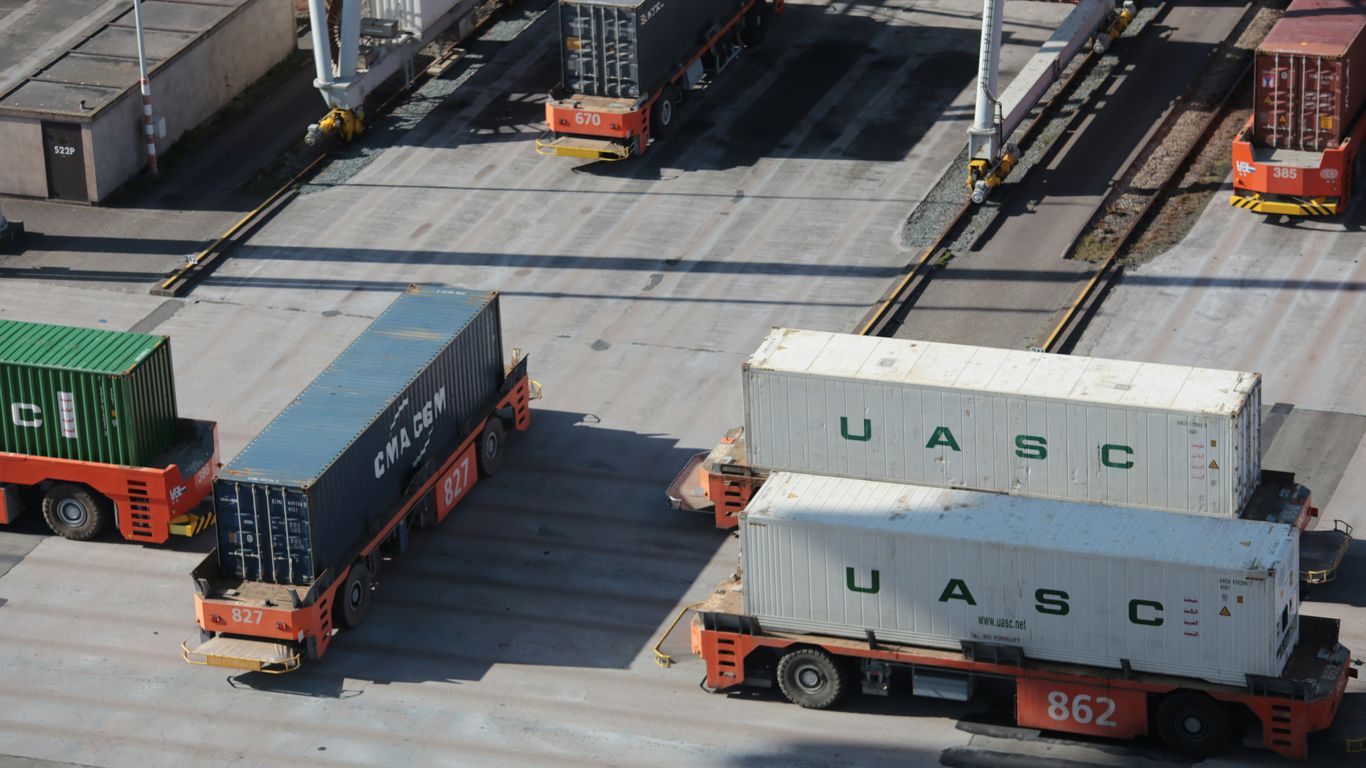
Sea, air, road and rail freight options
Sea freight is often considered for larger or less time-critical consignments, while air freight may suit cargo where speed has greater value. Road and rail can serve inland legs or form part of a multimodal route. The appropriate option depends on dimensions, weight, origin, destination, stock requirements and budget. Compare the complete door-to-door movement rather than the international leg alone.
Full-container load versus groupage shipments
A full-container load generally gives the shipper use of the container for its cargo, subject to the contract and loading plan. Groupage, also called less-than-container-load movement in some contexts, combines cargo from several shippers. Groupage can suit smaller volumes but introduces consolidation and deconsolidation points. The quote should show minimum charges, handling fees and the expected delivery process for either arrangement.
Port, terminal and warehouse handovers
Cargo may pass from the supplier to a collection vehicle, warehouse, terminal, carrier and destination delivery operator. Each handover has a cut-off, receiving rule and potential charge. Responsibility for counting, inspecting or securing packages should be agreed before collection. Clear handover instructions reduce disputes when the cargo arrives with damaged packaging or a discrepancy.
Transit-time estimates and service-level limitations
Transit time is normally an estimate based on schedules and ordinary operating conditions, not an unconditional delivery promise. Port congestion, weather, security checks, carrier changes and customs queries can affect the result. Ask whether the estimate covers collection, clearance and final delivery or only the main carriage. The quotation should also identify any service-level target and its remedy, if one exists.
Special handling for oversized, fragile or temperature-sensitive goods
Special cargo may require measurements, lifting plans, suitable packaging, restricted handling instructions or temperature controls. These requirements should be declared before booking because equipment and acceptance rules differ between providers. Specialist equipment, inspections and additional labour are often quoted after the cargo details are known. Never assume that a standard freight rate includes an unusual handling requirement.
Customs and compliance responsibilities
Customs work is related to freight forwarding but is not a single automatic service. It involves declarations, classification, valuation, origin, permits and supporting evidence, with responsibility depending on the transaction and representation model. The importer or exporter remains responsible for providing correct commercial information even when another party submits a declaration. Customs clearance responsibilities should be agreed before cargo is dispatched.

Export and import customs declarations
Export and import declarations are separate processes and may require different data, authorities and timing. The forwarder may prepare information, transmit instructions or coordinate a declaring agent, but the quotation should say exactly what happens. Confirm who reviews the declaration, who responds to queries and who pays any amendment or examination charges. Customs clearance is not complete merely because transport has been booked.
Commodity codes, duties and taxes
Commodity codes help determine the treatment of goods, including applicable duty rates, restrictions and documentation. Customs value, origin and the relevant trade terms can also affect the calculation. Duties, VAT and similar government charges are generally distinct from a forwarder’s service fee. A guide to customs clearance fees can help separate government charges from administrative or handling costs.
Licences, certificates and regulated goods
Controlled or regulated goods may need licences, certificates, permits or additional approvals before movement. The shipper should identify the product accurately and provide any available technical or regulatory information early. A freight quotation does not by itself confirm that a shipment is authorised. For Singapore movements, IMPORT.SG supports customs declarations, permit workflows and document validation without replacing Singapore Customs or other competent authorities.
Who acts as the importer or exporter of record
The importer or exporter of record carries defined legal and commercial responsibilities for the transaction. Incoterms may allocate costs and tasks, but they do not remove the need to identify the relevant entity. Ask whether the forwarder is acting as an agent, arranging an agent, or simply passing information to the responsible party. This distinction affects declarations, record keeping and liability.
The impact of incorrect or incomplete paperwork
Missing or inconsistent information can lead to queries, amendments, examinations, storage charges or delayed release. Typical problems include mismatched quantities, addresses, values, package counts and commodity codes. A structured document check before booking is usually less disruptive than correcting data after arrival. Customs handover planning offers a practical way to think about document ownership and timing.
Costs and services that are usually separate
The quoted freight amount is rarely the same as the shipment’s final landed cost. It may cover the main carriage while excluding government charges, local handling, waiting, storage or special equipment. Costs can also change when the actual weight, dimensions, route or timing differs from the assumptions. Read the rate sheet with the shipment’s real operating conditions in mind.
Freight charges, fuel surcharges and currency adjustments
Freight charges may be calculated by container, weight, volume, chargeable weight or another agreed basis. Fuel, security, peak-season and currency adjustments may be added under the carrier’s tariff or the forwarder’s terms. Check the validity period and whether the rate is fixed or subject to revision. A low headline figure can be misleading if the surcharge structure is unclear.
Customs duties, VAT and government fees
Import duty, VAT, permit charges, inspection fees and other government amounts are normally paid separately from the forwarder’s coordination fee. The payer may depend on the Incoterm, local law and the agreed representation arrangement. Request an estimate where possible, but treat it as provisional until the declaration is assessed. Keep the service fee and government disbursements as separate lines in the quotation.
Storage, demurrage, detention and waiting time
Storage may arise when cargo remains at a terminal or warehouse beyond the free period. Demurrage and detention usually relate to equipment or terminal time, while waiting charges may apply when a vehicle cannot load or unload promptly. The free time, charging unit and start point should be written down. These costs can grow quickly when documents or delivery appointments are not ready.
Insurance and additional cargo cover
A carrier’s liability is not necessarily the same as comprehensive cargo insurance. Limits may apply by weight, package, convention or contract, and certain causes of loss may be excluded. Ask whether insurance is arranged, recommended or entirely left to the shipper. The value, packaging and route should inform the decision rather than the freight price alone.
Delivery appointments, unloading and specialist equipment
A standard delivery may end at the kerb or nominated address without unloading inside the premises. Tail-lift vehicles, cranes, forklifts, timed appointments, extra labour and site access arrangements can add cost. Provide accurate delivery details before booking. If the site cannot receive the vehicle as planned, waiting, redelivery or storage charges may follow.
Optional services that may be added
Forwarders often offer services beyond the core movement, but optional does not mean universally available or automatically included. Each addition should have its own scope, price basis and operating assumptions. Businesses should select services that solve a defined constraint rather than buying a broad package without checking the detail. This is where the difference between a transport quote and a wider logistics arrangement becomes clear.
Warehousing, fulfilment and inventory handling
Warehousing can cover short-term storage, receiving, inventory records, picking, packing and dispatch. Fulfilment may add order processing and distribution to individual customers or locations. Ask about minimum storage periods, stock accuracy, access controls and handling charges. These services are usually priced by space, movement, order or labour requirement.
Packing, labelling and palletisation
Packing and palletisation may be needed to protect cargo, meet carrier rules or make handling more efficient. Labelling can include shipping marks, package identifiers and regulatory information. The shipper should confirm whether the service includes materials, labour, design approval and disposal of used packaging. Incorrect preparation can still cause delays even when the transport booking is correct.
Cargo inspection and quality checks
Inspection services may involve counting packages, recording visible condition, checking labels or comparing goods with shipping instructions. More detailed quality checks require a defined sampling method and acceptance criteria. Agree what evidence will be supplied, such as photographs or a report. Inspection is most useful when its purpose and limits are understood before the cargo reaches the warehouse.
Cargo insurance and claims support
A forwarder may arrange cargo insurance or help assemble documents for a claim, depending on the agreement. Claims support can include collecting delivery records, photographs, transport documents and correspondence. It does not guarantee that an insurer or carrier will accept the claim. Confirm notification deadlines and the party responsible for making the formal claim.
Express delivery and time-critical transport
Express options prioritise speed but may involve premium rates, tighter cut-offs and different handling arrangements. Time-critical cargo may require dedicated collection, direct routing, hand-carry arrangements or delivery confirmation. A time-critical shipping option can be considered when direct custody and a controlled handover matter more than a standard service. Always check what happens if the preferred flight, route or delivery window is unavailable.
How to compare freight forwarding service quotations
A fair comparison starts by making the shipment assumptions identical. Use the same origin, destination, cargo description, dimensions, weight, ready date, delivery address and Incoterm for each provider. Then compare the full scope, not just the freight line. This forwarder comparison guide sets out why coverage, handling, customs support and contingency planning deserve attention alongside price.
Checking what the quoted price actually covers
Read each line for the activity, location and charging basis. One quote may include collection and delivery while another prices only port-to-port carriage. Ask whether documentation, terminal handling, customs coordination, tracking and amendments are included. Clear scope prevents surprises when the shipment moves outside the simple assumptions used for the initial rate.
Comparing Incoterms and responsibility for costs
Incoterms help define delivery points, transport responsibilities and the allocation of certain costs and risks. They do not replace a complete service description or determine every customs obligation. Compare quotations only after confirming that the same Incoterm and named places are used. Otherwise, apparently cheaper freight may simply leave more work and cost with the buyer or seller.
Reviewing exclusions, surcharges and cancellation terms
Exclusions should cover matters such as duties, taxes, storage, inspections, waiting, special equipment and changes to the booking. Check the rate validity, fuel mechanism, currency basis and cancellation deadline. Ask how a rolled booking or failed delivery is charged. Written assumptions are especially valuable for shipments with uncertain cargo readiness.
Confirming liability limits and claims procedures
The quotation or trading terms should identify the forwarder’s contractual role and applicable liability limits. Confirm the process for reporting loss, damage or delay, including notification periods and required evidence. A claim may involve the carrier, warehouse, insurer or forwarder, so the route to resolution should be clear. Keep photographs, packing records, delivery receipts and correspondence together.
Questions to ask before booking a shipment
Before accepting a quote, ask a small set of practical questions rather than relying on a generic service label:
- Which transport legs, collection points and delivery activities are included?
- Who prepares and submits customs declarations, and who supplies the data?
- Which duties, taxes, terminal charges and surcharges are excluded?
- What are the free-time, cancellation, amendment and claims terms?
- Who will provide status updates and coordinate problems during transit?
The answers should be recorded against the shipment reference and shared with everyone responsible for the cargo. IMPORT.SG can serve as a single contact for agreed customs declaration, trade documentation and urgent dispatch coordination where those tasks form part of the required workflow. For urgent movements, request shipment support early enough to review the available information.
CTA: Prepare Your Shipment
Share the shipment details, timing and available documents with IMPORT.SG to discuss a tailored scope for customs declaration and trade documentation support. Request a quote before the cargo reaches a filing or dispatch deadline.
Conclusion
A freight forwarding quotation is best understood as a defined set of transport, handling, documentation and coordination tasks rather than an all-inclusive promise. By checking handovers, customs ownership, surcharges, liability and optional services, businesses can compare the real cost and operational risk of each proposal.
Frequently Asked Questions
What is a freight forwarding service?
It is a service that coordinates the movement of goods between locations, often arranging carriers, handling, documentation, customs-related activity and delivery according to an agreed scope.
Does a freight forwarder physically transport the goods?
Usually, the forwarder arranges transport through carriers and other providers. The forwarder may not own or operate the vessel, aircraft, lorry or train used for the shipment.
Is customs clearance included in every forwarding quote?
No. Customs work may be included, excluded or offered through a separate declaring agent. The quotation should identify the declaration, submission, query-handling and payment responsibilities.
Are duties and VAT part of the freight price?
They are generally separate government charges. The payer and amount depend on the goods, customs value, origin, destination and applicable trade terms.
What is the difference between FCL and groupage?
FCL generally refers to a shipment using a full container arrangement, while groupage combines smaller consignments from different shippers. Groupage can involve additional consolidation and deconsolidation handling.
Does a quoted transit time guarantee delivery?
Usually not. Transit times are often estimates affected by carrier schedules, congestion, weather, security checks, customs and other external events. Any service commitment should be stated expressly.
What should be checked before accepting a quote?
Check the included transport legs, collection and delivery scope, customs responsibilities, surcharges, free time, insurance, liability limits, cancellation terms and claims procedure. Use identical shipment assumptions when comparing providers.