Customs Permits
Air Freight Forwarding Singapore: Documents, Timelines and Customs Support
Key Takeaways
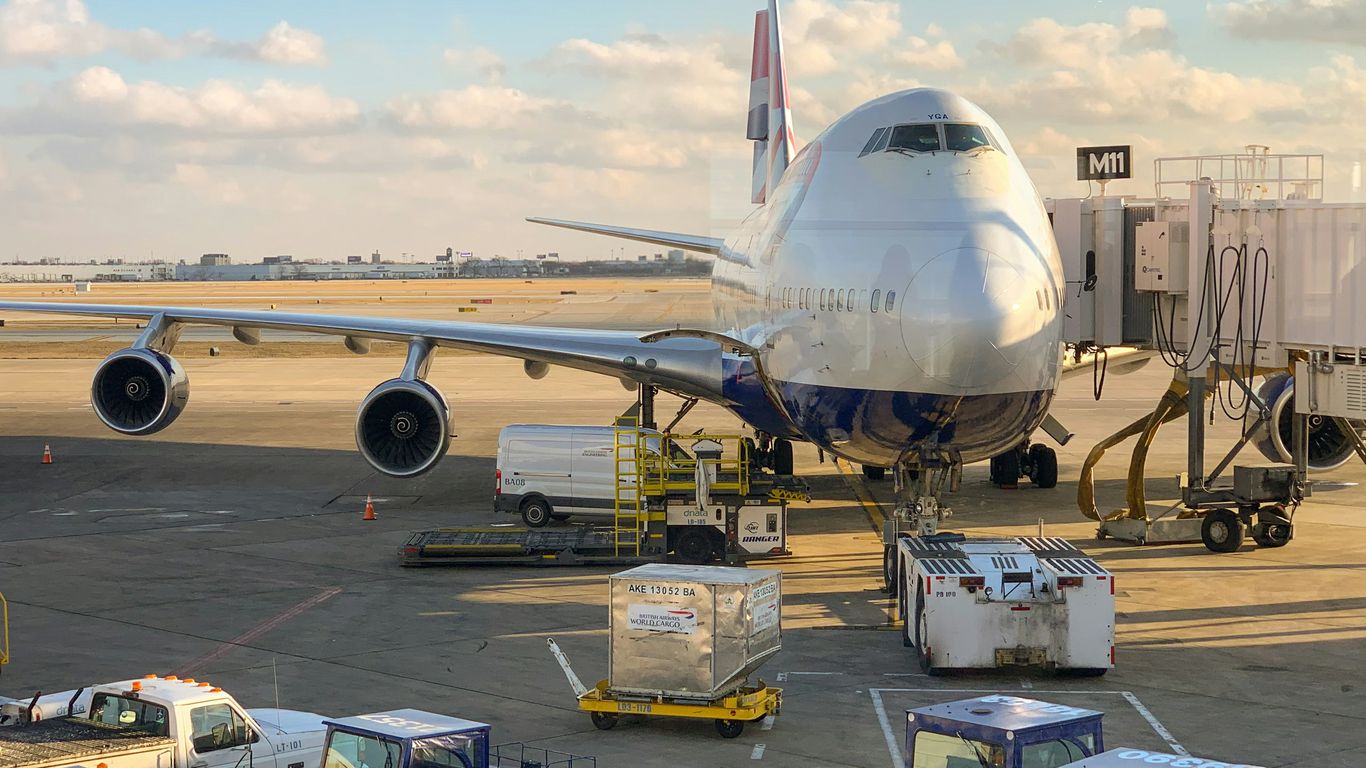
Air freight forwarding singapore involves more than booking space on an aircraft. The shipment must be documented, prepared and cleared in the right order.
- Confirm whether air freight suits the cargo’s value, urgency and dimensions.
- Prepare consistent invoices, packing lists, air waybills and permits.
- Allow for customs checks, controlled-goods approvals and carrier cut-offs.
- Calculate chargeable weight rather than relying only on actual weight.
- Choose a forwarder that can coordinate transport, documents and clearance.
How air freight forwarding works in Singapore
Air freight forwarding singapore connects collection, export handling, air carriage, import clearance and final delivery. A forwarder coordinates these stages with the shipper, carrier, ground handlers, customs agent and consignee. The practical aim is to keep shipment data consistent from booking through delivery.
Singapore’s airport infrastructure makes it a useful regional gateway, but speed still depends on cargo readiness and the requirements of the origin and destination countries. A clear shipping instruction at the beginning reduces avoidable amendments later.
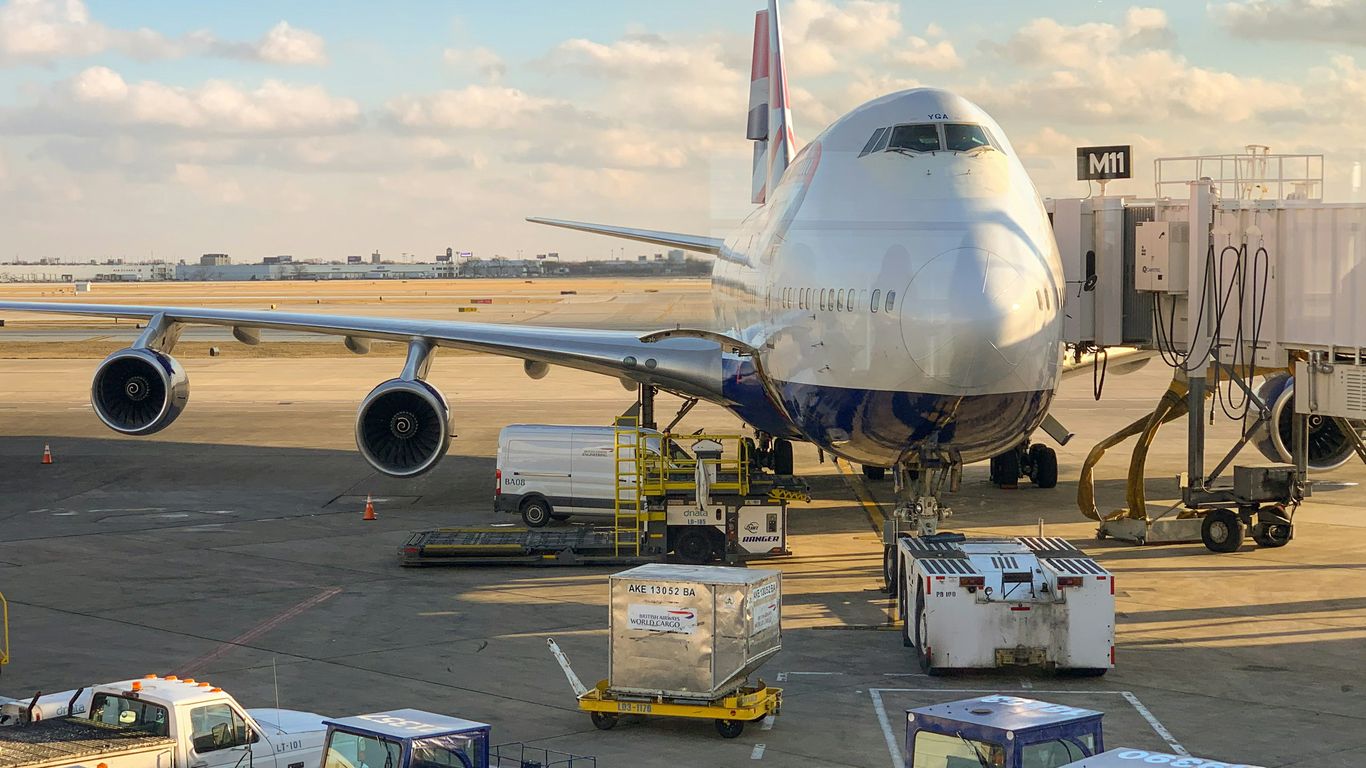
The role of a freight forwarder in the shipping process
The freight forwarder collects shipment details, checks the proposed routing, obtains or coordinates cargo space and arranges collection. It may also prepare transport instructions, organise export documentation and pass information to the relevant parties. The forwarder is not the airline or customs authority; its value lies in coordinating the agreed scope of work between those parties.
A useful starting point is this freight forwarding guide, which explains the distinction between forwarders, carriers and customs brokers. In practice, responsibility should be recorded clearly, especially where the shipper must provide licences, product information or approvals.
When air freight is suitable for your cargo
Air freight is generally considered when delivery speed, stock continuity or cargo value matters more than the lowest transport cost. It can suit samples, replacement parts, seasonal goods, electronics, medical-related consignments and other shipments where delay carries a material operational cost. Large, dense or low-value cargo may be better assessed against sea or multimodal alternatives.
The decision should include the full landed cost, not simply the quoted freight rate. That means considering collection, handling, insurance, duties, GST, storage and any special packaging required for the route.
Main Singapore air cargo routes and gateways
Most international air cargo moving through Singapore is handled through Changi Airport and its associated cargo facilities. From there, shipments may travel directly or through connecting hubs to destinations in Asia-Pacific, the Middle East, Europe and North America. The best routing depends on available capacity, transfer requirements, flight frequency and the destination’s import rules.
Schedules change, so a quoted transit time should be treated as a planning estimate rather than a promise. The Singapore air cargo directory can provide useful background when researching the structure of the local air freight market.
Door-to-door, airport-to-airport and consolidated services
Door-to-door service includes collection and delivery arrangements alongside the airport movement. Airport-to-airport service leaves local transport and often customs coordination to the shipper or consignee. Consolidated air freight combines compatible shipments under a shared movement, which may reduce cost but can add handling and timetable dependencies.
The service description should state who handles export clearance, import clearance, delivery appointments, storage and any last-mile restrictions. That detail matters when a consignee has limited receiving hours or when cargo must move directly to a production site.
Documents required for air freight from Singapore
Air cargo documentation must describe the same shipment in several places without contradictions. Product descriptions, quantities, values, weights, package counts and party details should reconcile across the commercial invoice, packing list, air waybill and customs declaration. This shipping documents checklist is a useful reference for building a complete document set.
The exact requirements vary with the goods, destination and transaction terms. A shipment containing Parachute blankets, for example, may need a clear material and product description so the parties can assess classification and destination requirements correctly.

Commercial invoice and packing list requirements
The commercial invoice normally identifies the seller, buyer, goods, quantity, unit price, currency, transaction value and agreed terms. The packing list should show how the goods are physically arranged, including package count, dimensions and gross or net weight where relevant. Descriptions such as “parts” or “samples” are often too vague for reliable classification and handling.
The documents should tell one coherent story. If the invoice says ten cartons but the packing list says twelve, the discrepancy should be resolved before the shipment is tendered to the carrier.
Air waybill details and shipment instructions
The air waybill records the shipper, consignee, airport details, package information, weight and service instructions. It is also used by carriers and handlers to identify and process the cargo. Confirm the consignee’s contact details, delivery address, notification instructions and any routing or handling requirements before issuance.
An air waybill is a transport document, not a substitute for a commercial invoice or customs permit. Its information should nevertheless match those documents closely, particularly for package count, weight and description.
Certificates of origin, permits and licences
A certificate of origin may be needed to meet destination-country rules, support a preferential tariff claim or satisfy a buyer’s documentation request. Import and export permits may also be required, depending on the product and transaction. Controlled goods can require approvals from a relevant Competent Authority before movement.
The Certificate of Origin (COO) service is relevant where an origin application falls within the agreed scope. The party responsible for the underlying facts remains responsible for supplying accurate origin evidence and product information.
Documents for restricted, valuable or dangerous goods
Restricted or valuable cargo may require additional declarations, security information, insurance details or specialised handling instructions. Dangerous goods require correct classification, packing, marking, labelling and documentation under the applicable air transport rules. The carrier may reject cargo if the paperwork or packaging does not meet its acceptance requirements.
Before booking, confirm whether the shipment contains batteries, chemicals, aerosols, dry ice, magnetised materials, biological substances or other regulated items. For urgent or unusual cargo, a preliminary document review is preferable to discovering a restriction at the cargo terminal.
Air freight timelines and delivery planning
An air freight timeline has several separate clocks: supplier readiness, collection, export processing, terminal acceptance, flight movement, import clearance and final delivery. The aircraft journey may be short while the overall shipment takes longer because of cut-offs, connections or inspection requirements. Planning should therefore use milestones rather than a single headline transit figure.
The air freight insights guide offers further context on air waybills, shipping delays and time-critical movements. For any booking, ask when the estimate starts and ends, and whether customs clearance is included.
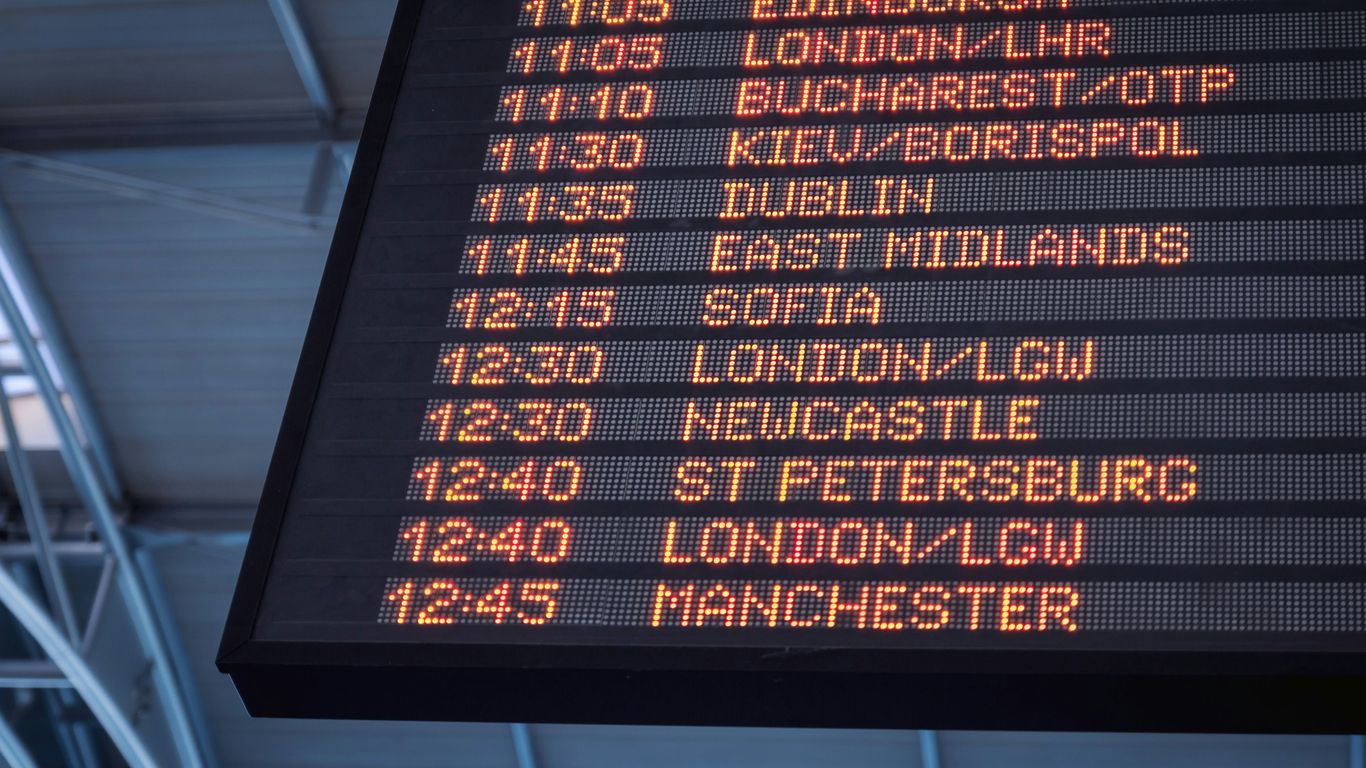
Typical transit times by destination
Short-haul regional routes may move within a few working days, while destinations requiring a connection can take longer. Europe, North America and other long-haul markets commonly depend on flight availability and the final delivery network. Exact timings vary by origin, destination, service level, weekends, public holidays and customs intervention.
A forwarder should separate airport-to-airport transit from collection-to-delivery time. That distinction prevents a flight duration from being mistaken for the complete logistics commitment.
Factors that affect collection and delivery schedules
Collection depends on cargo readiness, warehouse access, booking confirmation, vehicle availability and the accuracy of the pickup instructions. Delivery can then be affected by import permits, consignee availability, local appointments, address restrictions and payment of applicable charges. A change to the commodity description or package dimensions may also require a revised booking.
For a shipment connected with Ibiza Boat Club, for instance, a delivery appointment or event date would need to be treated as a planning constraint rather than assumed to be covered by the flight schedule. Operational dates should be shared early and confirmed in writing.
Cut-off times, flight availability and handling windows
Airlines and cargo terminals impose cut-off times for booking, documentation and physical acceptance. Missing one window can move cargo to a later flight even when space appeared available earlier. Late handover may also create additional storage or handling charges.
The shipper should confirm the cargo-ready time, document deadline, terminal acceptance deadline and expected uplift. These four points make the schedule easier to monitor and give the team a practical trigger for escalation.
When to choose express or deferred air freight
Express air freight may be appropriate for urgent replacement items, critical samples or a narrowly defined delivery deadline. Deferred services can suit cargo that still needs air speed but has more flexibility around uplift and handling. The decision should weigh urgency against chargeable weight, delivery risk and the consequence of missing the required date.
A premium service does not remove customs or destination-country requirements. It can only reduce certain transport and handling delays when the shipment is ready and compliant.
Singapore customs clearance explained
Singapore customs clearance involves submitting accurate information, obtaining the necessary permit and satisfying any requirements that apply to the goods. Imports, exports and transhipments can follow different procedures, and controlled items may involve other agencies. Customs clearance is one stage of the journey, not the same thing as total door-to-door delivery time.
The Singapore customs clearance guide explains common document, valuation, permit and inspection issues. In straightforward cases, clearance may be quick when the paperwork is complete, but no intermediary can guarantee an external authority’s decision or inspection outcome.
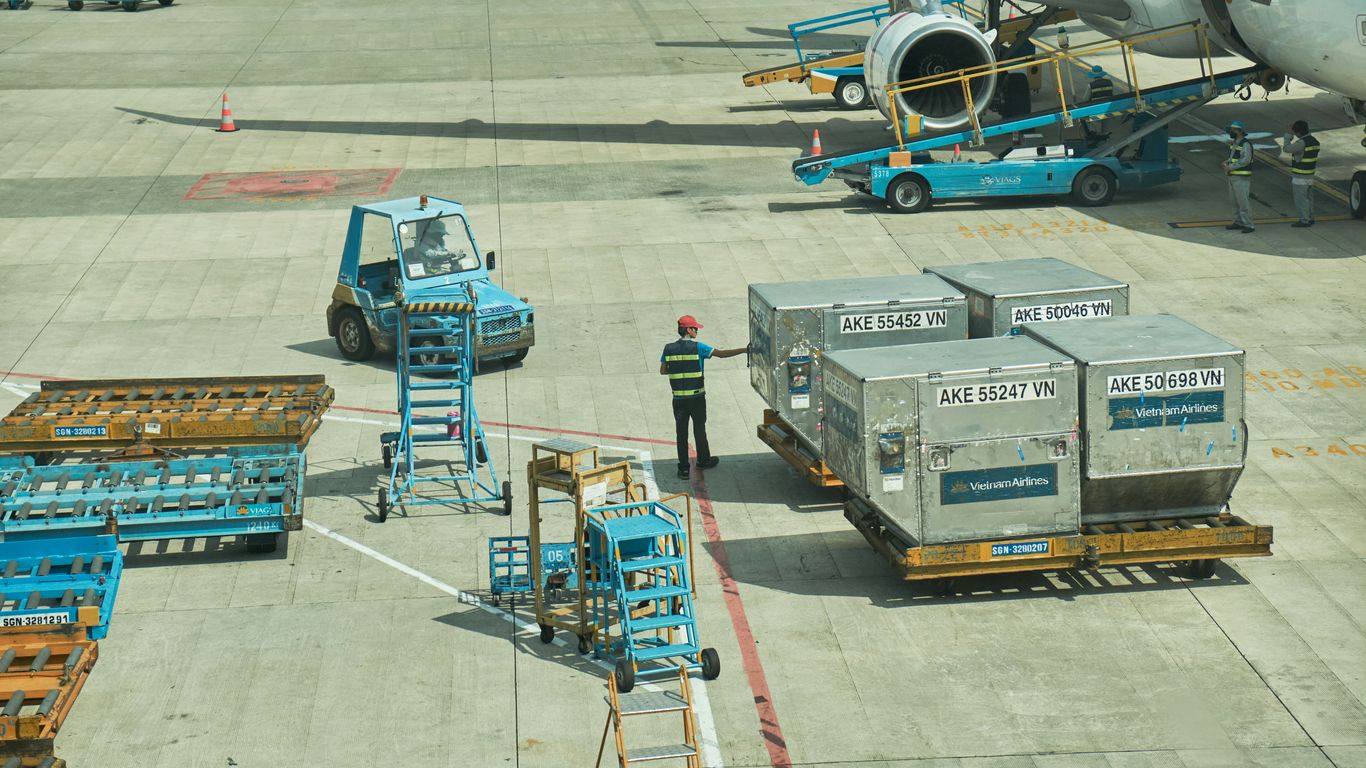
Import and export declarations
Declarations are generally submitted electronically through TradeNet by the importer, exporter or an authorised declaring agent. The declaration must reflect the actual goods, their classification, value, origin, transport details and applicable permit information. The trader remains responsible for ensuring that the information supplied for the declaration is correct.
A forwarder can coordinate data and documents, but it does not replace Singapore Customs or the relevant Competent Authorities. Confirm the responsible party, customs account arrangements and permit type before cargo is dispatched.
Customs valuation, duties and GST
Customs value, freight, insurance and the tariff treatment of the goods can affect the amount payable. Duties apply to selected categories, while GST treatment follows the applicable Singapore rules and declaration circumstances. A commercial invoice that omits a required value element can lead to questions or reassessment.
A cost review should distinguish freight charges from customs value and tax calculations. Accurate value data matters because a low freight quote does not compensate for an incorrect or incomplete declaration.
Controlled goods and agency approvals
Controlled goods may require approval from a Competent Authority before import or export. Examples can include regulated chemicals, food products, medicines, telecommunications equipment and other goods subject to product-specific controls. The actual requirement depends on the classification and intended transaction.
Check the HS code and permit obligations before booking. Where the approval is not ready, the cargo may be held even if the airline has accepted it for carriage.
Common causes of customs delays
Delays commonly arise from inconsistent documents, unclear descriptions, incorrect HS codes, missing permits, incomplete consignee details or a mismatch between declared and physical cargo. Inspections and requests for supporting evidence can extend the process as well. Prompt responses help, but they cannot remove the time required for an authority to review the case.
The best prevention is a reconciliation before submission. Compare the invoice, packing list, air waybill, permits and declaration line by line, then keep the supporting records available for follow-up.
Preparing cargo for air transport
Cargo preparation affects safety, acceptance, chargeable weight and the condition of goods on arrival. Packaging should withstand handling, transfers and changes in orientation, while labels must remain visible and match the documents. The shipper should provide accurate dimensions and weights rather than estimates based on the product catalogue.
Air transport also has stricter limits and handling processes than many domestic movements. Preparation should begin before the booking is confirmed, particularly for fragile, temperature-sensitive or regulated cargo.
Packaging, labelling and weight requirements
Use packaging suited to the product, route and handling exposure. Secure internal contents, protect corners and prevent movement inside the outer package. Apply shipping marks, handling labels and any regulatory labels required by the carrier or applicable rules.
Record the number of pieces, dimensions and gross weight for each package. This information supports the booking, air waybill and customs declaration, so changes after acceptance should be reported promptly.
Volumetric weight and chargeable weight
Airlines may compare actual weight with volumetric weight and charge based on the higher applicable figure. Volumetric weight reflects the space occupied by a shipment, which is why a light but bulky consignment can cost more than expected. The carrier’s calculation method and rounding rules should be confirmed at quotation stage.
Measure the outer packed dimensions, not just the product itself. Repacking can change the billable amount, so final dimensions should be supplied before the airway bill is closed.
Special handling for fragile or temperature-sensitive goods
Fragile cargo needs cushioning, stable placement and clear handling instructions. Temperature-sensitive goods may need qualified packaging, time limits, cool-chain arrangements or monitoring, depending on the product. Confirm whether the airline, terminal and delivery operator can support the requested conditions.
Handling instructions should be practical and visible rather than buried in a long email. The shipper should also have a contingency plan if a connection is missed or delivery is delayed.
Dangerous goods classification and compliance
Dangerous goods must be classified correctly before booking. The applicable rules can require approved packaging, marks, labels, a shipper’s declaration and trained personnel, while some substances may be forbidden on particular routes. Batteries, aerosols, chemicals and dry ice should never be described casually or omitted from the initial enquiry.
Provide safety data and product details early enough for a carrier review. A package should not be tendered until the required acceptance conditions have been confirmed.
Customs support from an air freight forwarder
Customs support is primarily an exercise in information control and coordination. A forwarder can organise the commercial, transport and permit documents, identify apparent gaps and pass accurate information to the authorised declaring party. It cannot direct Singapore Customs or guarantee that a shipment will avoid inspection.
A single accountable workflow is helpful when several parties are involved. IMPORT.SG provides freight forwarder support covering customs clearance, documentation and trade facilitation within the agreed scope, while the importer or exporter remains responsible for the accuracy of its trade information.
Checking documents before shipment
Pre-shipment review should compare the invoice, packing list, air waybill instructions, HS classification, origin evidence and permit requirements. It should also check whether the consignee’s information and terms of sale are complete. Errors found before collection are usually easier to correct than errors found after cargo acceptance.
The review should produce a clear list of missing items and named owners. That makes follow-up measurable and reduces the risk of assuming that another party is handling a required document.
Coordinating with Singapore Customs and relevant agencies
The authorised declaring agent submits the relevant permit information, while the forwarder may coordinate instructions, supporting documents and responses. Controlled goods may require communication with a Competent Authority as well. Each party’s role should be recorded so that requests are answered without duplication or delay.
Coordination is not a substitute for approval. It is the process of making sure the right information reaches the right party at the appropriate stage.
Resolving inspections, holds and documentation errors
If cargo is placed on hold, first establish the reason and the exact information requested. The response may involve a corrected description, additional product evidence, a revised permit or clarification of value and origin. Physical inspection can also require access arrangements and additional handling time.
Keep a dated record of submissions, replies and outstanding actions. Clear records help the team distinguish a documentation correction from a carrier or authority decision.
Managing duties, taxes and disbursements
Before shipment, agree who will pay duties, GST, permit fees, carrier charges and any disbursements. Confirm whether the forwarder is authorised to advance funds and how supporting receipts will be supplied. Payment timing can affect release, so it should be part of the delivery plan rather than an afterthought.
A written estimate should separate transport charges from customs-related amounts. Final sums may change if the declared value, classification, inspection outcome or storage period changes.
Choosing an air freight forwarding partner in Singapore
Choosing a partner requires more than comparing a freight rate. The useful comparison covers route options, document discipline, customs coordination, cargo handling and communication when the plan changes. A provider should explain what it manages, what the shipper must provide and which events sit outside its control.
For small businesses, the freight forwarding guide for startups is a useful reminder to balance delivery speed, landed cost, inventory needs and compliance. The same principles apply to larger teams, although their approval chains may be more complex.
Comparing service coverage, rates and transit times
Request quotations using the same cargo description, dimensions, weights, origin, destination and delivery terms. Ask whether the price includes collection, export handling, import clearance, delivery, fuel or security surcharges and likely disbursements. Compare the complete transport scope rather than selecting the lowest line item.
A simple comparison can make differences visible:
| Comparison point | Why it matters | Question to ask |
|---|---|---|
| Routing | Connections affect timing and handling | Is the movement direct or via a hub? |
| Chargeable weight | Space can cost more than actual mass | Which dimensions and divisor are used? |
| Clearance scope | Customs work may be separate | Who prepares and submits the declaration? |
| Delivery | Airport release is not final receipt | Are local transport and appointments included? |
After comparing these points, ask for the assumptions behind the transit estimate. A transparent quote is easier to approve and less likely to produce unexpected charges.
Evaluating tracking and shipment visibility
Tracking should show meaningful milestones such as booking confirmation, collection, terminal acceptance, departure, arrival, clearance and delivery. A reference number alone may not explain why cargo has stopped moving. Ask how exceptions are communicated and who contacts the consignee when information is missing.
Visibility is especially valuable for urgent cargo because it supports decisions about production, stock allocation and customer communication. It should be paired with a named contact who can interpret the event history.
Checking licences, compliance expertise and cargo handling
Check whether the provider understands Singapore permit procedures, HS classification, controlled goods and the handling requirements relevant to your cargo. Ask how it reviews documents and how it records amendments. Confirm that any declaring-agent or carrier relationships are clearly explained rather than implied.
Where the cargo is unusual, request evidence of experience with the relevant handling process without asking for confidential client information. Compliance expertise should be assessed against your actual goods and destinations.
Questions to ask before booking air freight forwarder services
Before committing, obtain practical answers about timing, responsibility and escalation. The following questions usually expose gaps in a proposed service:
- What is included from collection through final delivery?
- Who checks the documents and submits any permit?
- What information is needed for restricted or dangerous goods?
- How are inspections, holds and additional charges communicated?
The answers should be specific enough to record in the booking instruction. If responsibility remains vague, the shipment may still be vulnerable to avoidable delays.
CTA: Request a Shipment Quote
Share the cargo details, timing, permits and available documents with IMPORT.SG to receive a tailored proposal for customs declaration, trade documentation and operational coordination within the agreed scope.
Conclusion
Successful air freight from Singapore depends on disciplined preparation: accurate documents, suitable packaging, realistic timing and a clear customs plan. When responsibilities are agreed early and shipment information remains consistent, importers and exporters can make better decisions about cost, speed and risk.
Frequently Asked Questions
How long does air freight from Singapore take?
The total time depends on collection, terminal cut-offs, flight routing, customs clearance and final delivery. Regional shipments may be quicker than long-haul or connecting movements, but the carrier and forwarder should confirm the estimate for the actual cargo.
What documents are needed for air freight?
Most commercial shipments require a commercial invoice, packing list and air waybill instructions. Depending on the goods and destination, certificates of origin, import or export permits, licences and dangerous-goods documents may also be needed.
Is an air waybill the same as a customs declaration?
No. An air waybill is a transport document issued for the air movement, while a customs declaration provides information to the relevant customs authority for clearance and assessment.
How is air freight chargeable weight calculated?
The carrier generally compares actual weight with volumetric weight and applies the higher figure according to its rules. Accurate outer-package dimensions are therefore essential when requesting a quotation.
Can controlled goods be sent by air?
Some controlled goods can move by air if the required approvals, packaging, labels and carrier conditions are satisfied. The classification and applicable Competent Authority requirements should be confirmed before booking.
What causes customs clearance delays in Singapore?
Common causes include inconsistent documents, unclear descriptions, incorrect HS codes, missing permits, valuation questions and inspections. Delays can also occur when responses or supporting evidence are not provided promptly.
Should I choose express or deferred air freight?
Express service may suit cargo tied to a critical deadline, while deferred service may be appropriate when the shipment has more flexibility. Compare the service cost with the operational impact of a later flight and confirm that customs requirements are still met.