Customs Permits
Customs Clearance Singapore: Documents, Timing and Common Problems
Key Takeaways
Smooth customs clearance in Singapore depends on accurate information, suitable permits and timely coordination. The following points cover the practical checks that matter most.
- Determine whether the shipment needs an import, export or transhipment declaration.
- Prepare consistent commercial, transport and regulatory documents before dispatch.
- Use the correct HS code and declare the customs value accurately.
- Allow time for permit review, inspections, payment and carrier procedures.
- Keep a clear owner for every customs query, amendment and charge.
How customs clearance works in Singapore
Customs clearance Singapore is the process of presenting shipment details to the relevant authorities, obtaining any required approvals and accounting for taxes or duties before goods proceed. The exact steps depend on the direction of movement, the type of goods and the proposed customs procedure. A commercial shipment should not be treated as cleared simply because it has arrived at a port or airport. The importer or exporter remains responsible for providing accurate information, even when another party submits the declaration.
When goods need customs clearance
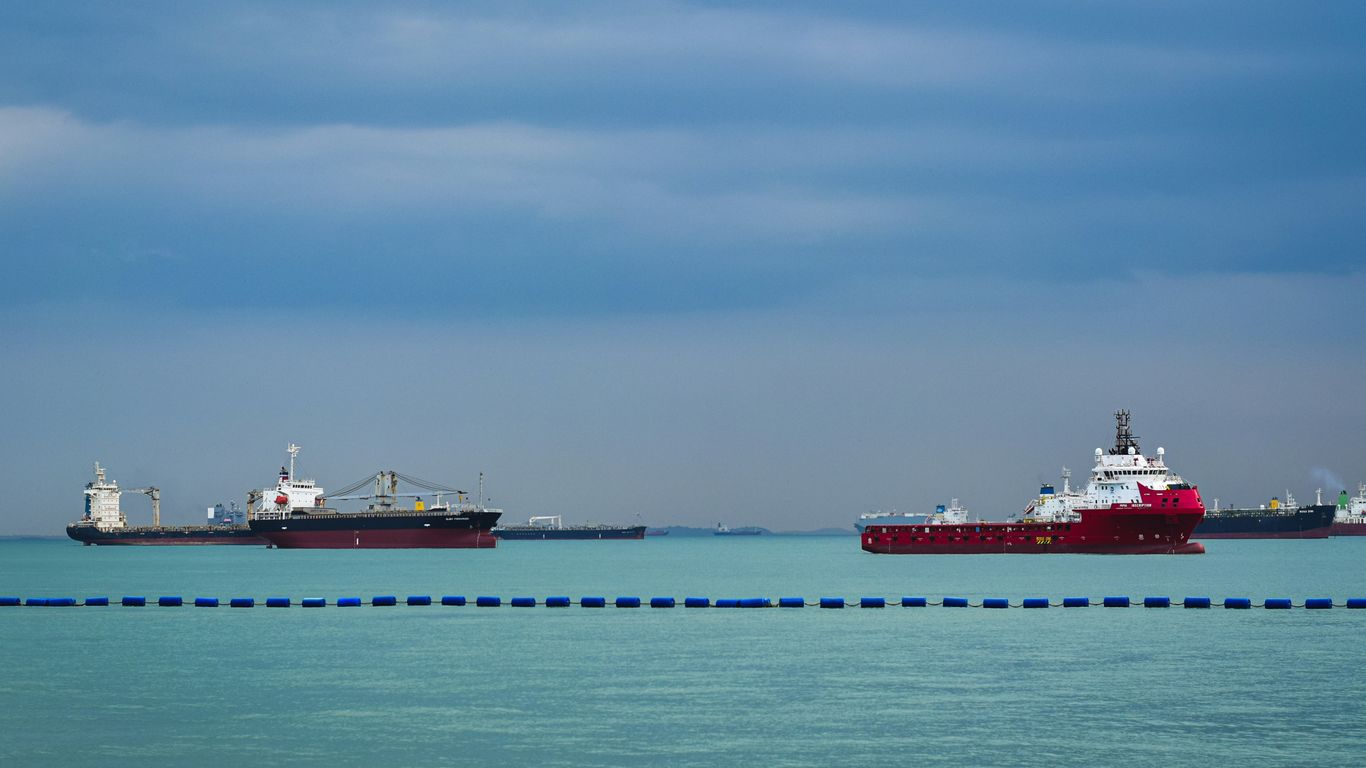
Goods entering Singapore for local use generally require an import declaration, while goods leaving the country may require export clearance. Transhipment cargo can follow a different procedure where the goods pass through Singapore without entering the local market. Temporary imports, re-exports, samples and exhibition cargo also need careful checking because their intended use and subsequent movement affect the declaration.
The safest approach is to confirm the customs procedure before booking transport. Singapore Customs requirements, the goods’ classification and any controls imposed by another authority should be checked together rather than treated as separate tasks.
The roles of Singapore Customs, freight forwarders and carriers
Singapore Customs administers customs requirements, while competent authorities may regulate particular categories of goods. Freight forwarders and carriers provide transport and operational support, and a declaring agent may prepare and submit permit applications. These roles can overlap in practice, but responsibility for the truth of the shipment information does not disappear when a third party files it.
For a useful overview of the parties involved and the distinction between import and export clearance, see this commercial clearance guide. IMPORT.SG can act as a single coordination point for document intake, permit work and related trade documentation within the agreed scope, without replacing Singapore Customs or other authorities.
Import, export and transhipment clearance
Import clearance establishes what is entering Singapore, who is responsible for it, its value and its regulatory status. Export clearance records what is leaving and may require supporting origin or destination documents. Transhipment arrangements require the movement, storage and onward route to match the approved procedure.
The declaration type should be selected before submission. A mismatch between the transport movement and the selected procedure can lead to amendments, additional questions or a hold while the details are reconciled.
Controlled, dutiable and non-dutiable goods
Controlled goods may need approval from a competent authority in addition to a customs permit. Dutiable goods are subject to customs duty under the applicable classification, whereas many other goods may attract import GST without customs duty. These categories are not interchangeable, so a product should be assessed using its actual composition, function, quantity and intended use.
A basic classification review often checks the following before filing:
- The product description and principal function.
- Whether the item is controlled, prohibited or restricted.
- The applicable HS code and unit of measure.
- The importer, consignee and declared end use.
This information gives the declaring party a workable basis for the permit application and helps identify missing approvals before the cargo arrives.
Documents required for customs clearance in Singapore
Documents should tell one consistent story about the shipment: what the goods are, how many there are, what they cost and how they moved. Customs officers, carriers and agents may rely on different documents during the process, so a small discrepancy can create avoidable questions. The Singapore import documentation guide is a useful reference for gathering and reconciling the core paperwork. Keep the final versions together with the shipment record rather than relying on scattered email attachments.

Commercial invoice and packing list
The commercial invoice normally identifies the seller, buyer, goods, quantities, prices, currency and agreed trade terms. The packing list adds package-level information such as marks, carton counts, weights and dimensions. Descriptions should be specific enough to support classification and valuation; vague wording such as “parts” or “samples” may not be sufficient.
The invoice and packing list should agree with the transport document and declaration. If goods are supplied free of charge, returned or sent for a temporary purpose, that context should be documented rather than hidden by an arbitrary value.
Bill of lading or air waybill
A bill of lading or air waybill connects the cargo to its transport movement. It provides details such as the shipper, consignee, origin, destination, package count and transport reference. The names and quantities should match the commercial documents closely enough for the shipment to be identified without guesswork.
Changes made after dispatch should be recorded and passed promptly to the carrier or declaring agent. An amended transport document does not automatically amend a customs declaration, so both records may need to be reviewed.
Permits, licences and supporting certificates
A permit application may require product approvals, licences, safety documents or certificates from a competent authority. Controlled goods should be identified before shipment, since an approval that is requested only after arrival may not resolve the hold quickly. The customs documents checklist provides a practical way to organise these supporting records.
The required evidence varies by product and procedure. Do not assume that a general business registration or an invoice is a substitute for a product-specific approval.
Proof of origin and preferential tariff documents
A certificate or other proof of origin may be needed by the importing country, particularly where a preferential tariff under a trade agreement is being claimed. Origin is not simply the country from which the goods were shipped; it depends on the applicable rules and supporting production information. For exports, a certificate of origin explanation can help clarify why this document may affect market access and tariff treatment.
Origin documents should be requested early when the buyer, destination or trade agreement makes them relevant. Keep supplier declarations and manufacturing records with the certificate so the claim can be supported if queried.
How to submit a customs declaration
A customs declaration converts the shipment file into structured data for review and approval. It must identify the parties, movement, goods, values, quantities, codes and any required permits. Errors can be costly even when they arise from a simple transcription mistake, which is why a pre-submission review is worthwhile. The customs permit guide covers filing, classification and common declaration issues in a broader operational context.

Using TradeNet for permits and declarations
TradeNet is Singapore’s electronic platform for submitting trade permit applications. A business must have the appropriate registration and Customs account arrangements, or appoint a declaring agent to submit on its behalf. The application should be prepared from the final shipment documents, not from an early quotation or provisional packing list.
Submission is only one stage of the process. The applicant must still monitor the permit status, respond to requests and ensure that the approved details correspond with the cargo that is actually shipped.
Choosing the correct HS code
The HS code affects the treatment of goods, including whether they are controlled and whether duty applies. Classification should be based on the product’s material, construction, function and relevant tariff rules rather than a supplier’s casual description. When the product is unusual or borderline, retain the reasoning and supporting specifications used to select the code.
A wrong code can create both clearance and accounting problems. Correcting it promptly is preferable to allowing repeated shipments to follow an unverified classification.
Declaring customs value, GST and duty
The customs value is used in the assessment of applicable duty and import GST, but it is not necessarily identical to the supplier’s invoice total or the final landed cost. Freight, insurance, related-party arrangements, discounts and goods supplied without charge may require additional review. The customs valuation guide explains why these figures should be kept distinct.
Consistent shipment data is the practical safeguard: the value, currency, quantity and transport information should reconcile across the invoice, declaration and accounting record. If the figures do not align, the declaring party should resolve the difference before submission where possible.
Checking whether a customs agent can submit on your behalf
A customs agent or declaring agent can prepare and submit a permit application when the importer or exporter has authorised that arrangement. The business should still provide complete instructions and review the draft declaration, because an agent cannot infer product details that have not been supplied. Agree who will answer customs queries, approve amendments and settle taxes or carrier charges.
IMPORT.SG supports permit declaration and trade documentation coordination for importers, exporters, freight forwarders and transport operators within the agreed scope. The arrangement should be clear about document ownership, review points and escalation contacts from the beginning.
How long customs clearance takes in Singapore
There is no single guaranteed customs clearance time for every shipment. A straightforward shipment with complete documents and no additional controls may progress efficiently, while a controlled product, inconsistent declaration or physical inspection can extend the process. Carrier cut-off times and payment procedures also affect when cargo is released. Treat a quoted transit time as separate from the time needed for customs and delivery handover.
Typical timelines for standard shipments
Standard shipments are often processed faster when the permit is submitted with complete, internally consistent information and no approval is outstanding. The relevant clock may begin before arrival if the declaration can be submitted in advance, but that does not remove the need for the cargo and documents to match.
Ask the carrier or agent what “clearance time” includes. It may refer only to customs processing and exclude terminal handling, payment confirmation, storage release or final delivery.
Factors that cause delays
Delays commonly arise from missing permits, unclear descriptions, incorrect HS codes, valuation questions, document mismatches or late responses. Controlled goods and shipments selected for inspection require additional coordination. Public holidays, congestion and carrier documentation cut-offs can add operational time even when the declaration itself is correct.
A short pre-dispatch review is usually less disruptive than trying to correct a file after the goods are in storage. The goal is not to guess an exact release time, but to remove preventable uncertainty.
How inspections and document checks affect timing
A document check may require clarification or evidence supporting the declared value, origin, classification or product description. A physical inspection can require access to the cargo, revised handling arrangements or assistance from the carrier. Customs or another competent authority determines whether such checks are required, so a broker or forwarder cannot promise that they will be avoided.
The shipment should remain traceable while the query is open. Record the question, the response supplied, the person responsible and any resulting amendment so that the same issue is not answered inconsistently.
When to contact the carrier or customs broker
Contact the carrier or broker when the tracking status stops changing, a permit is rejected, a document is requested or charges are raised without a clear explanation. Include the shipment reference and the latest document set in the first message. This gives the receiving party enough context to investigate rather than asking for the same information in stages.
If the issue concerns the declaration, ask what exact field or document must change. If it concerns transport or storage, request the applicable deadline and charge basis separately.
Duties, GST and other clearance costs
Clearance costs have several parts, and customs duty is only one of them. Import GST, permit processing, brokerage, terminal handling, disbursements and storage may all affect the final amount. A realistic budget therefore starts with the shipment’s classification and value, then adds the operational charges that apply to its route and service. The import compliance requirements guide is useful for connecting documentation, tax liability and payment responsibilities.
How import GST is calculated
Import GST is generally assessed on the customs value together with applicable duty and specified costs connected with bringing the goods into Singapore. The exact calculation should be confirmed for the shipment and current tax rules rather than estimated from the invoice alone. Currency conversion and valuation adjustments can change the taxable base.
Keep the calculation, supporting invoice and permit together. This makes later reconciliation easier and provides a clear record for the business’s tax and compliance files.
When customs duty applies
Customs duty depends on the classification and the applicable tariff treatment. Many goods are non-dutiable, but that does not mean they are free of import GST or permit requirements. Preferential treatment may be available where the origin rules and documentary conditions are met.
The tariff position should be checked before the purchase is finalised. A small difference in product specification can affect classification, so a supplier’s description should not be treated as the final tariff conclusion.
Handling fees, storage charges and disbursements
Carriers, terminals, forwarders and agents may charge for handling, documentation, brokerage, storage or advancing taxes on the importer’s behalf. These charges are separate from amounts assessed by customs. Storage can increase when a permit is rejected, payment is delayed or the party responsible for a query cannot be reached.
Ask for the service scope and charge triggers before shipment. A clear arrangement should state whether quoted fees include permit submission, amendments, disbursements and after-hours coordination.
Estimating the landed cost before shipping
A landed-cost estimate should combine the purchase price, freight, insurance where relevant, customs value, duty, GST, handling and likely delivery charges. It should also show assumptions, because a provisional HS code or unknown carrier fee can make the result look more precise than it is.
Use a simple scenario with low, expected and high operational costs. That approach helps a project team decide whether a route, delivery window or temporary import procedure remains commercially sensible.
Common customs clearance problems and their solutions
Most clearance problems are information problems: the shipment record is incomplete, contradictory or submitted under the wrong procedure. A calm response starts by identifying whether the issue is documentary, regulatory, financial or operational. The permit application troubleshooting guide covers rejection, amendment and status issues that often require structured follow-up. Keep a single version of the facts while the matter is being resolved.
Missing, inconsistent or inaccurate documents
Compare the invoice, packing list, bill of lading or air waybill, permit and supplier information line by line. Check names, addresses, package counts, weights, values, currency and product descriptions. If one document has changed, determine whether the declaration and carrier record must change as well.
Do not send several informal corrections with different figures. Issue a clear revised document, identify what changed and ask the declaring party to confirm which version should be used.
Incorrect HS codes or declared values
An incorrect HS code or value can cause a declaration to be rejected or queried, and may affect the duty and GST assessment. Review the technical product information and the valuation basis, then provide supporting evidence such as specifications, contracts or freight records where relevant.
If a correction is needed, make it through the proper amendment process. Repeating the same unverified code on later shipments can turn a one-off error into a recurring compliance concern.
Unavailable permits for controlled goods
If the goods are controlled and the required approval is unavailable, the shipment may not be releasable until the competent authority’s requirements are met. Identify the controlling agency and the missing document, then ask the carrier about storage and handling arrangements while the application is reviewed.
Do not describe a controlled item as general merchandise to avoid a permit. That may create a more serious compliance issue than the original delay.
Customs holds, inspections and rejected declarations
A hold or rejection should be treated as a specific action list rather than a general warning. Find out whether customs needs an amended field, a supporting document, an inspection appointment or evidence of payment. The response should be submitted through the channel and within the timeframe provided.
The customs declaration checklist can help a team review permit type, documents and record-keeping after an error. Once released, document the cause and update the internal shipping checklist.
Addressing unpaid taxes or carrier charges
Unpaid GST, duty, disbursements or carrier charges can prevent release even where the declaration is otherwise acceptable. Confirm who is invoiced, what amount is outstanding and the deadline for payment. Ask for a receipt or status confirmation after payment, particularly when the carrier has advanced funds.
Where a charge appears incorrect, query it promptly without assuming that the cargo will remain free of storage costs during the dispute. Financial responsibility and release arrangements should be handled as two connected but distinct workstreams.
How to prevent clearance delays
Prevention is mainly a matter of sequence. Confirm the procedure and product status first, assemble the documents next, and submit only after the shipment data has been reconciled. IMPORT.SG coordinates permit declarations and trade documentation for relevant operators within an agreed scope, giving teams a defined contact for document intake and follow-up. A documentation support option can also be considered when internal capacity is limited.
Preparing documents before the shipment leaves
Build the shipment file before dispatch, including the commercial invoice, packing list, transport details, permits and any origin or product certificates. Compare the final documents against the booking and purchase order. If the cargo is controlled, confirm that the approval is available and matches the actual goods.
A pre-dispatch review should also establish who will submit, who will pay and who will respond to questions. These small decisions prevent a shipment from waiting while several parties assume someone else is handling it.
Verifying suppliers, product details and shipment data
Ask suppliers for precise descriptions, specifications, quantities, weights, values and origin information. Verify that the shipper, consignee and importer details are correct before the airway bill or bill of lading is issued. Retain the evidence used for classification and valuation rather than relying on memory.
This discipline applies across ordinary and unusual purchases. Even a guide about selecting a methylene blue supplier emphasises batch documentation and transparency; the broader lesson is to verify the evidence behind a product description before it enters a trade file. Other linked topics, such as SaaS idea validation, cybersecurity compliance, personal care equipment and Kia parts sourcing, are outside customs practice but illustrate why source details should be checked rather than assumed.
Working with a qualified declaring agent
A qualified declaring agent should understand the relevant permit process, ask for the documents needed to support the declaration and explain what remains the importer’s responsibility. Before appointing one, agree the scope, response times, amendment process, charge basis and escalation route.
IMPORT.SG positions its support around customs declaration and trade documentation coordination, including permit work and origin applications, rather than authority decision-making. That distinction keeps expectations realistic and makes task ownership easier to audit.
Tracking the shipment and responding to queries promptly
Monitor the shipment, permit status, carrier messages and payment position from dispatch through release. When a query arrives, respond with the requested document and a concise explanation, using the same figures as the declaration. Keep a dated record of submissions, approvals, amendments and release instructions.
The business should also review completed files periodically. Recurring errors often reveal a supplier-data problem, an unclear internal approval step or a gap in the handover between the forwarder and the declaring agent.
Conclusion
Customs clearance in Singapore is most manageable when classification, permits, documents, valuation and responsibility are settled before cargo movement begins. Accurate records do not remove every inspection or authority decision, but they make questions easier to answer and delays easier to control. A defined coordination process gives importers and exporters a clearer route from document intake to release.
Frequently Asked Questions
Do all goods entering Singapore need a customs permit?
Most commercial imports require an import permit, although specific exemptions and procedures may apply. The requirement depends on the goods, movement and intended use, so it should be checked before arrival.
What is the most important customs clearance document?
There is no single document that is sufficient for every shipment. The commercial invoice, packing list and transport document form the core file, with permits and certificates added where the goods or procedure require them.
Can a freight forwarder handle customs clearance?
A freight forwarder may coordinate transport and may work with or provide a declaring agent. Confirm who is authorised to submit the permit, who checks the declaration and who responds to customs queries.
How can I check whether goods are controlled?
Review the product’s technical details and check the relevant Singapore requirements and competent authorities. If the classification or control status is uncertain, obtain advice before dispatch rather than waiting for a hold.
Why might a customs declaration be rejected?
Common reasons include missing supporting documents, inconsistent shipment information, an incorrect HS code, an unavailable approval or an unsuitable permit type. The rejection message should identify the correction or evidence required.
Is import GST the same as customs duty?
No. Customs duty applies only where the tariff treatment requires it, while import GST may apply more broadly. They are separate amounts and should be assessed using the correct customs value and applicable rules.
What should I do if my shipment is held?
Contact the carrier or declaring agent promptly, request the exact reason for the hold and gather the requested documents or payment confirmation. Keep one consistent record of the response and ask what event will allow the cargo to proceed.