Freight Forwarding
Freight Forwarding Singapore: A Guide for Importers and Exporters
Key Takeaways
Freight forwarding in Singapore involves more than arranging a vessel or aircraft. It brings transport planning, documentation, customs coordination and delivery into one controlled workflow.
- Select sea, air, road, rail or multimodal transport according to urgency, volume and cargo characteristics.
- Give the forwarder accurate commercial, packing and regulatory information before booking.
- Compare quotations by total landed cost, not only the headline freight rate.
- Assign clear ownership for permits, customs clearance, delivery and exception handling.
- Build contingency plans for congestion, documentation errors and cargo-specific risks.
Understanding freight forwarding in Singapore
Freight forwarding Singapore services help businesses move goods across borders while coordinating the practical steps between supplier, carrier, customs and consignee. The forwarder may arrange transport, consolidate cargo, prepare or check documents and coordinate delivery, depending on the agreed scope. A well-managed shipment starts with clear information about the goods, route, timing and commercial terms.
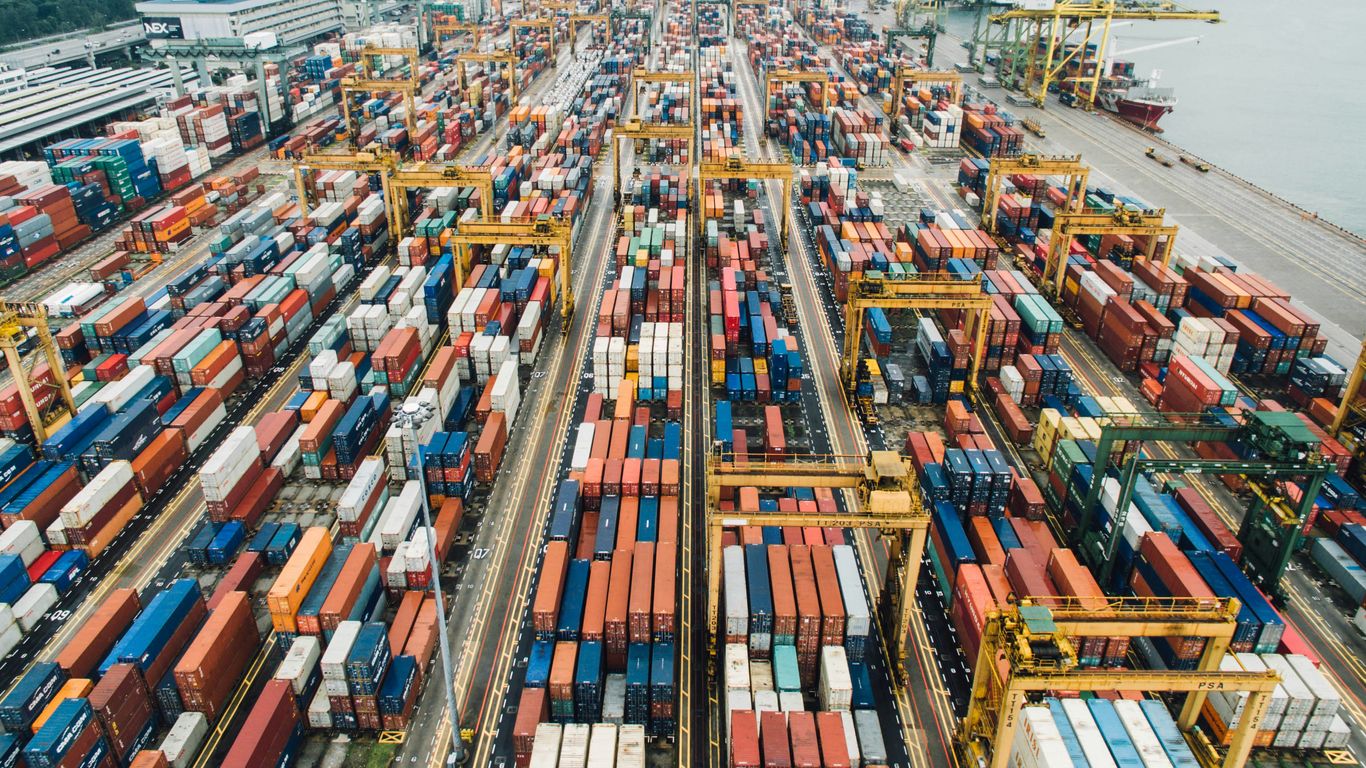
What a freight forwarder does
A freight forwarder acts as a coordinator for an international shipment. It can obtain rates, reserve cargo space, arrange collection, advise on packing and labelling, and pass shipment information to the relevant parties. The exact responsibilities should be written into the quotation or service agreement so that the importer and exporter know who is handling each task.
How freight forwarding differs from shipping and logistics
Shipping usually refers to the movement of cargo by a carrier, while freight forwarding covers the arrangement and administration around that movement. Logistics is broader still, potentially including inventory, warehousing, fulfilment and distribution. In practice, one shipment may involve a carrier, a forwarder, a declaring agent, a warehouse and a final-mile operator, so communication between them matters as much as the transport itself.
A practical freight forwarding guide can help clarify where forwarders, carriers and customs brokers fit into the wider process. This distinction is useful when assessing quotations because a low transport rate may not include the coordination work or destination services required to complete delivery.
Why Singapore is a major regional logistics hub
Singapore combines a busy seaport, an international airport and established connections with regional manufacturing and consumer markets. Its position makes it a useful transhipment and distribution point for cargo moving between Asia and markets farther afield. The efficiency of the hub does not remove the need for accurate declarations, suitable permits or careful handovers.
For businesses operating across several routes, Singapore can provide a central point from which to standardise documents and shipment instructions. That advantage is strongest when the commercial team, forwarder and customs representative work from the same set of verified information.
When importers and exporters should use a freight forwarder
A forwarder is particularly useful when a business is managing unfamiliar trade lanes, several suppliers, time-sensitive cargo or different transport modes. It can also reduce administrative pressure when the internal team lacks experience with shipping documents, cargo cut-off times or customs procedures. Smaller importers may benefit from guidance before their first commercial shipment rather than trying to correct errors after dispatch.
For example, an importer moving products from China should assess product classification, transport method, GST, clearance costs and supplier documentation before confirming the order. A step-by-step China import guide is a useful planning reference, but shipment-specific advice and responsibility still need to be confirmed with the appointed parties.
Choosing the right transport mode
Transport mode should follow the shipment’s commercial purpose rather than habit. Cost, delivery window, cargo value, dimensions, handling requirements and available infrastructure all affect the decision. A forwarder should explain the trade-offs in plain terms, including what happens if the preferred sailing or flight is unavailable.
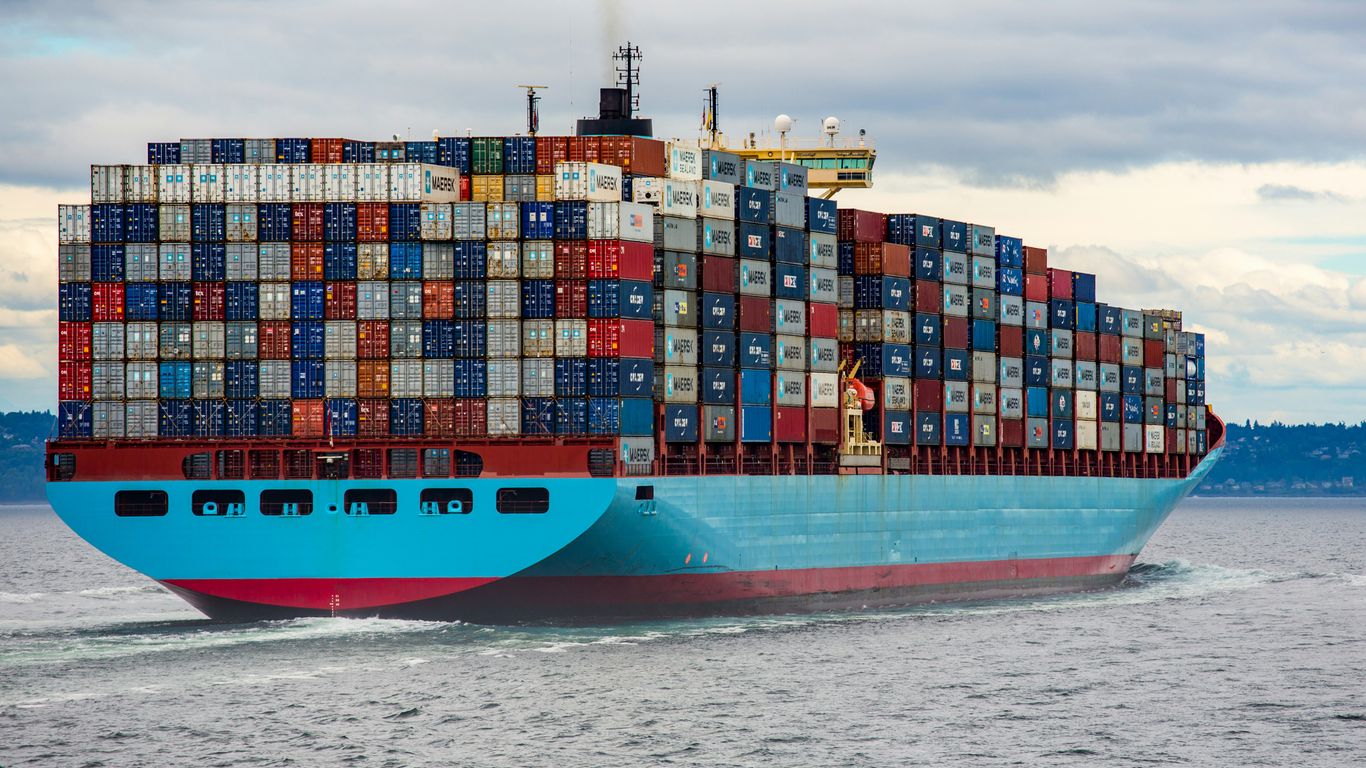
Sea freight for large or non-urgent shipments
Sea freight is often suitable for substantial volumes, containerised cargo and goods that can tolerate a longer transit time. Importers may choose a full-container load when they can fill a container or a less-than-container load when sharing space is more practical. The quotation should identify origin charges, port handling, documentation, destination fees and any storage exposure.
Air freight for time-sensitive or high-value goods
Air freight can suit urgent replenishment, samples, high-value products and goods where delay would cost more than the premium for speed. Chargeable weight, dimensions, security requirements and flight availability all influence the final rate. Good planning also includes a realistic cut-off for document submission, since cargo cannot move smoothly if the paperwork arrives late.
Road and rail connections across Southeast Asia
Road freight can provide flexible collection and delivery across Singapore and neighbouring markets, while rail may offer a useful alternative on selected regional corridors. The choice depends on border crossings, vehicle restrictions, route conditions, cargo security and the need for direct delivery. Cross-border movements should be assessed as a complete route rather than as separate domestic legs.
Multimodal transport for complex supply chains
Multimodal transport combines two or more modes under a coordinated plan. It can be helpful when cargo needs local collection, sea or air transit, and regional distribution after arrival. The key is to identify handover points, document ownership and contingency options before the shipment is booked.
A route plan should state who monitors each transition and which party receives the next operational instruction. This is also where a single action plan for freight can make communication easier, provided the parties agree on the limits of each service.
How the freight forwarding process works
Although individual shipments vary, most forwarding workflows follow a recognisable sequence. The process begins with a quotation and ends only when the consignee has received the cargo and the records are complete. Treating each stage as a handover reduces the chance that an assumption remains undocumented.
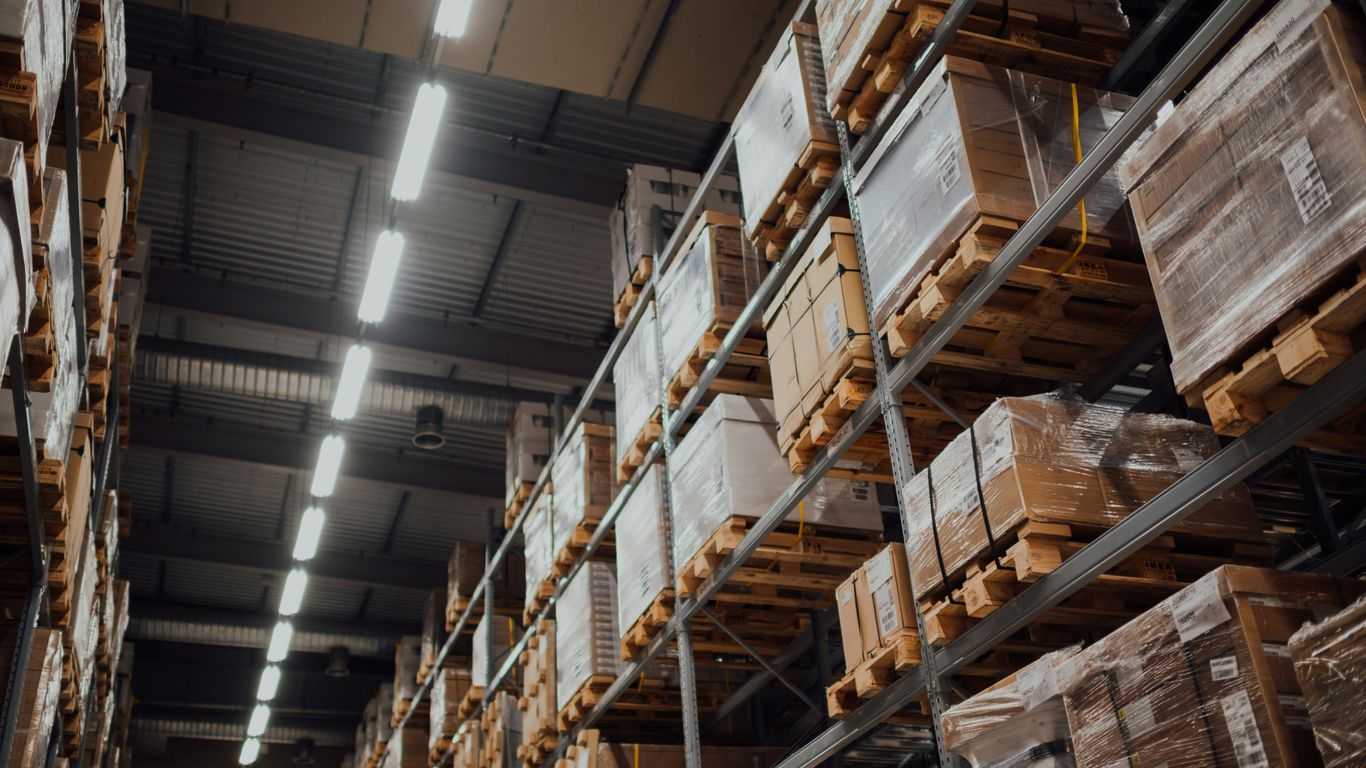
Requesting a quotation and planning the shipment
A useful quotation request includes the origin, destination, cargo description, quantity, dimensions, gross weight, packing method, preferred mode and required delivery date. It should also identify whether the cargo is controlled, dangerous, perishable or oversized. The forwarder can then assess routing and charges without relying on incomplete assumptions.
Booking cargo space and arranging collection
Once the route and price are accepted, cargo space is booked with the relevant carrier or consolidator. Collection instructions should include the supplier’s address, operating hours, contact person, cargo readiness date and references that must appear on labels. Any change to the ready date or package count should be communicated promptly because it may affect the booking.
Preparing cargo for transport and export
Packing protects the goods and supports safe handling through loading, transit and delivery. The commercial invoice, packing list, transport document and customs information should describe the same cargo in consistent terms. Document consistency matters because a mismatch in quantities, values or descriptions can create questions at clearance.
Tracking the shipment through transit
Tracking is more useful when it is linked to decisions rather than treated as a series of status messages. The responsible party should monitor booking confirmation, cargo acceptance, departure, transhipment, arrival, customs release and delivery appointment. Exceptions should be recorded with the action required, owner and next review time.
A shared milestone view helps the importer decide when to update stock plans, customers or production schedules. It also makes it easier to distinguish a normal transit update from an event that requires escalation.
Coordinating delivery and final-mile fulfilment
After arrival, delivery may depend on customs release, payment of applicable charges, warehouse capacity and the consignee’s receiving arrangements. The delivery order, appointment details and access restrictions should be confirmed before the vehicle is dispatched. Completion is best recorded with proof of delivery and a closed set of shipment documents.
Singapore customs and shipping documentation
Customs compliance is a separate responsibility from physical transport, even when one provider coordinates both. Importers and exporters must understand the information required for their goods, route and transaction, while declaring agents and forwarders work within the authority granted to them. Early document review gives the team time to resolve classification, valuation or permit questions.

Import and export permits through Singapore Customs
Singapore import and export declarations are generally submitted through the applicable customs process, often using TradeNet and an authorised declaring agent. Requirements depend on the goods, transaction and movement type, so the importer should confirm whether controlled-goods approvals or other supporting documents are needed. A customs account, business registration details and accurate shipment information also form part of operational readiness.
The customs clearance guide explains the practical relationship between permits, TradeNet, duty and GST. IMPORT.SG provides customs declaration and trade documentation support within an agreed scope; it does not replace Singapore Customs or competent authorities.
Commercial invoices, packing lists and bills of lading
The commercial invoice establishes the transaction details, while the packing list explains how the cargo is physically arranged. A bill of lading or air waybill records the transport contract and shipment particulars. These documents should align on shipper, consignee, description, quantity, weight, value and marks wherever the information is relevant.
Certificates of origin and controlled-goods requirements
A certificate of origin may be needed to support preferential treatment or satisfy the destination country’s requirements. Controlled goods can require additional licences, approvals or product-specific documents before movement. The correct approach is to identify these requirements during planning, not after cargo has reached the terminal.
A dedicated shipping documents checklist is helpful when several parties are preparing supporting records. It should be adapted to the shipment rather than used as a substitute for checking the applicable authorities and destination rules.
Incoterms and responsibility for customs clearance
Incoterms allocate selected costs, risks and responsibilities between buyer and seller, but they do not answer every operational question. The parties should separately confirm who appoints the declaring agent, provides documents, pays duties and GST, arranges delivery and handles amendments. Ambiguity here can cause a cargo release delay even when the transport booking is correct.
Common documentation errors and how to avoid them
Frequent problems include vague product descriptions, incorrect HS codes, inconsistent values, missing permits and differences between the invoice and packing list. A structured review should compare the core data before submission and retain the supporting records required for the business. IMPORT.SG can coordinate document intake, validation and origin applications as part of an agreed service scope, while external authorities retain decision-making responsibility.
Understanding freight forwarding costs
Freight quotations can be difficult to compare because providers present charges in different formats. The headline ocean or air rate is only one part of the amount paid to move and release cargo. Ask for the assumptions behind each line so that the comparison reflects the same route, service level and shipment details.
Main charges included in a freight quotation
A quotation may include the main carriage, origin handling, collection, export documentation, terminal charges, destination handling, customs clearance and final delivery. It may also state whether the price is for a full container, shared consolidation, chargeable air weight or a particular delivery address. Terms such as validity period, currency and minimum charge should be read alongside the rate.
Factors that affect shipping rates
Rates change with fuel costs, seasonality, capacity, route conditions, cargo dimensions and the balance between imports and exports. Special handling, dangerous-goods processing, temperature control and oversized equipment can add both cost and planning time. A precise cargo description is therefore essential for a meaningful quotation.
Destination fees, surcharges and duties
Destination charges may include handling, storage, documentation, delivery order fees, customs representation and local transport. Duties and GST are separate considerations and depend on the goods, customs value, classification and applicable treatment. The importer should ask which amounts are estimates and which are fixed under the quoted scope.
Comparing all-in quotations from different providers
An all-in comparison works only when every provider is pricing the same service. The following table gives a practical structure for checking the main differences before selecting a route.
| Cost area | What to compare | Why it matters |
|---|---|---|
| Main carriage | Mode, route, capacity and validity | Establishes whether the headline rate is genuinely comparable |
| Origin services | Collection, packing, handling and export documents | Reveals costs incurred before departure |
| Destination services | Handling, storage, clearance and delivery | Prevents unexpected arrival charges |
| Regulatory amounts | Duties, GST, permits and approvals | Separates government-related amounts from service fees |
After comparing the rows, confirm exclusions, payment timing and the process for approving extra work. The cheapest quotation may not be the lowest landed cost if it leaves storage, amendments or delivery coordination outside the stated scope.
Ways to improve freight cost efficiency
Businesses can improve cost control by consolidating compatible orders, supplying accurate dimensions, booking before capacity tightens and reviewing recurring accessorial charges. They should also compare inventory cost against transport speed rather than treating freight price in isolation. Small improvements in packing and document readiness can prevent larger costs caused by rework or delay.
Selecting a freight forwarding Singapore provider
Provider selection should be based on operational fit, not only on a low quote or a familiar brand name. The right partner understands the trade lane, communicates clearly and shows how each handover will be managed. It should also be willing to state what is outside its responsibility.
Experience with your trade lane and cargo type
Ask whether the provider regularly handles the route, transport mode and type of cargo involved. Experience with general cartons is not automatically experience with controlled, perishable, dangerous or project cargo. Request examples of the workflow and documents used, without treating another customer’s results as a guarantee for your shipment.
Customs clearance and compliance capabilities
A provider should explain how permits are prepared, who submits declarations and how classification or controlled-goods questions are escalated. It should also identify the records the importer must retain and the information needed before dispatch. The Singapore import guide offers useful background on importer, declaring-agent and forwarder responsibilities.
Service coverage, technology and shipment visibility
Service coverage may include collection, consolidation, customs coordination, warehousing, delivery and exception handling, but these elements should be confirmed individually. Visibility can range from milestone emails to a shared tracking platform; the useful question is whether the available information supports timely decisions. The system should reflect the actual agreed scope rather than promise control over carrier or authority events.
Reliability, communication and customer support
Reliability is visible in routine behaviour: prompt replies, accurate booking details, early warnings and clear records of decisions. Ask who will handle the shipment day to day and who takes over during leave or outside office hours. A named contact is particularly valuable when a document issue arises close to a cargo cut-off.
Questions to ask before signing an agreement
Before appointing a provider, ask four practical questions:
- Which tasks are included in the quoted service and which are excluded?
- Who owns permits, document checks, customs submissions and amendments?
- How are delays, storage charges and additional instructions approved?
- What milestones, reports and escalation contacts will be provided?
The answers should be written into the quotation, service schedule or operating procedure. IMPORT.SG positions itself as one accountable contact for declaration support, trade documentation, urgent dispatch and operational coordination, subject to the agreed scope.
Managing freight risks and improving supply chain performance
Freight risk cannot be removed entirely, but it can be made visible and manageable. Good controls begin before booking and continue through packing, clearance, delivery and record closure. The aim is to give the team enough warning to make a sensible decision rather than react after a missed cut-off.
Protecting cargo through packaging and cargo insurance
Packaging should match the cargo’s fragility, weight, stacking requirements, moisture exposure and handling route. Photographs, package counts and condition checks can support a claim or investigation if damage occurs. Cargo insurance should be considered separately from the carrier’s liability, with cover and exclusions reviewed before dispatch.
Planning for delays, congestion and disruptions
A contingency plan should identify alternative sailings or flights, substitute delivery dates, buffer stock and escalation contacts. Congestion, weather, labour events, equipment shortages and customs queries can affect different stages of the same shipment. Clear status ownership helps the business communicate a realistic revised plan.
Handling dangerous, perishable or oversized goods
Special cargo requires early disclosure, suitable packaging and the correct declarations or approvals. Dangerous goods may require classification and handling documentation, while perishables need temperature and time controls. Oversized cargo may involve route surveys, equipment planning and site access checks, so the forwarder should receive dimensions and handling instructions before quoting.
Measuring delivery performance and service quality
Useful measures include on-time collection, departure punctuality, customs release time, delivery performance, document error rates and the frequency of unplanned charges. Review these measures by route and cargo type rather than relying on one overall average. A short monthly review can expose recurring problems that are otherwise mistaken for isolated incidents.
Building a resilient importer and exporter workflow
A resilient workflow gives each shipment a repeatable path from order confirmation to archived records. It uses standard data fields, documented approvals, clear handovers and an exception log that records both action and owner. The trade operations resources provide further guidance on compliance records, classification, permits and common declaration mistakes.
The strongest workflows are practical enough for busy teams to follow. They reduce dependence on one person’s memory while leaving room for specialist review when the cargo, route or regulatory conditions change.
Conclusion
Successful freight forwarding in Singapore depends on aligning transport, documentation, customs responsibilities and delivery planning from the start. Importers and exporters that compare complete costs, define ownership and prepare accurate records are better placed to manage delays and protect service levels.
Frequently Asked Questions
What is freight forwarding in Singapore?
It is the coordination of international cargo movement, which may include transport booking, collection, documentation, customs coordination and delivery, depending on the agreed service scope.
Should I choose sea freight or air freight?
Sea freight usually suits larger or less urgent shipments, while air freight may suit time-sensitive or high-value goods. Compare total cost, transit time, cargo requirements and the cost of delay.
What documents are commonly needed for an import?
Common documents include a commercial invoice, packing list, transport document and relevant import permit or approval. The exact requirements depend on the goods, route and transaction.
Who is responsible for customs clearance?
Responsibility depends on the sales terms and service agreement. The importer, exporter, declaring agent and forwarder should confirm who supplies information, submits declarations and pays applicable amounts.
What are Incoterms used for?
Incoterms clarify selected responsibilities, costs and risks between buyer and seller. They should be read alongside the service agreement because they do not allocate every customs or delivery task.
How can freight costs be reduced?
Businesses can review consolidation, packing, route choice, booking lead time and recurring destination charges. Comparing landed cost rather than only the freight rate usually gives a more useful result.
How should a business prepare for shipment delays?
It should maintain realistic buffers, monitor milestones, identify alternative transport options and assign escalation contacts. A written contingency plan allows inventory and customer decisions to be made sooner.