Compliance Records
How Long Does Customs Clearance Take in Singapore?
Key Takeaways
Customs clearance in Singapore is often completed quickly when the shipment data, permits and supporting documents are ready before arrival. The final timing still depends on the shipment type, the goods and whether customs or another authority needs clarification.
- Air and courier shipments may clear faster than sea freight, but no fixed timeline applies to every shipment.
- Complete, consistent documents reduce avoidable questions and rework.
- Controlled goods, inspections and classification issues can extend the process.
- Tracking updates and prompt replies help prevent administrative delays.
- A declaring agent can coordinate submissions within the agreed scope, but cannot control external authority or carrier decisions.
Typical customs clearance times in Singapore
The answer to how long does customs clearance take in singapore depends on when the declaration is submitted, whether the shipment is straightforward and how quickly any charges or queries are handled. A simple courier consignment may move through the process in hours, while a sea shipment or regulated product can take several working days. Customs clearance is also separate from the time needed for unloading, warehouse handling and final delivery.
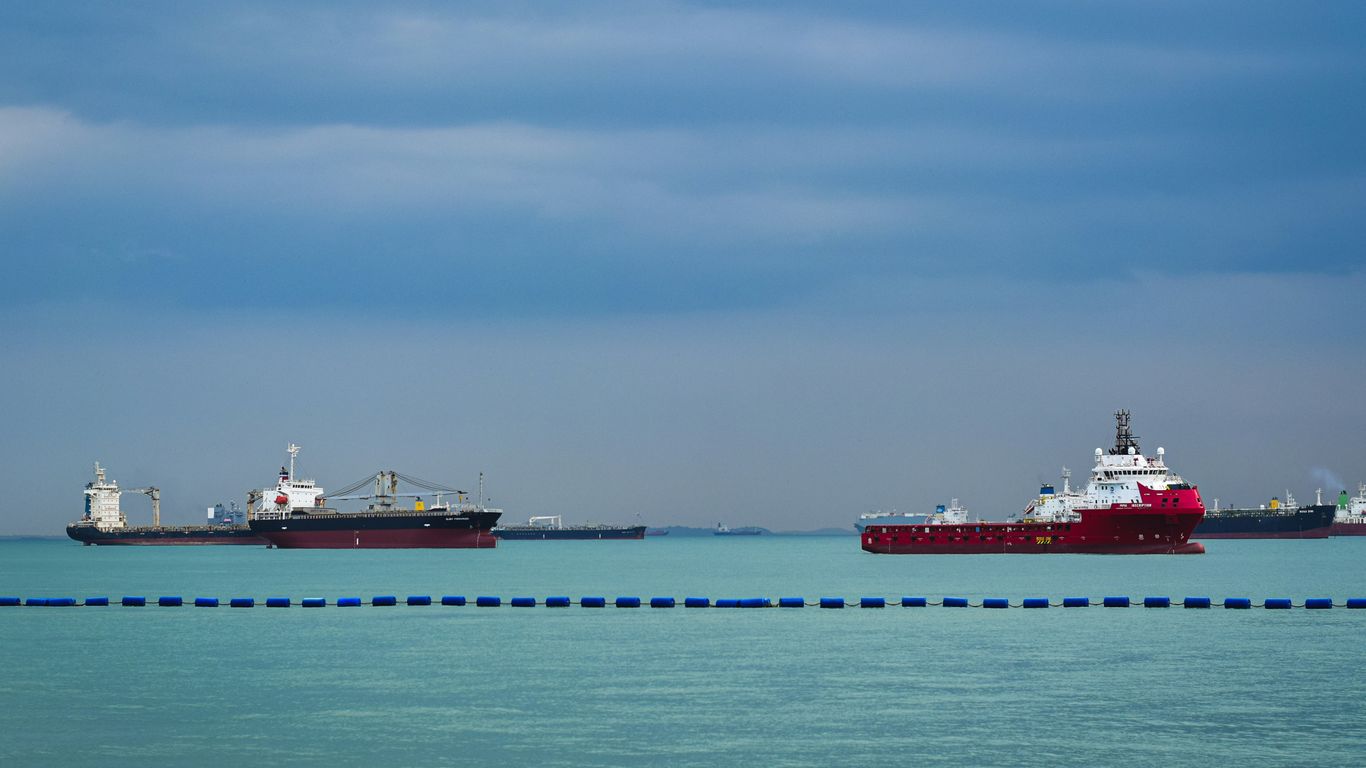
Standard timelines for air, sea and courier shipments
Air freight and courier consignments commonly have shorter handling windows because their documentation is transmitted early and the cargo moves through established express processes. Sea freight can involve more time around vessel arrival, manifest handling, container devanning and terminal release. These are practical planning ranges rather than guarantees.
| Shipment type | Common planning view | Main timing variable |
|---|---|---|
| Courier | Hours to a few working days | Document review and payment |
| Air freight | Same day to several working days | Permit status and cargo handling |
| Sea freight | Several working days or longer | Vessel, terminal and inspection steps |
The table is useful for setting expectations, but the customs portion should not be confused with the complete transport timeline. A shipment can be customs-cleared while still awaiting terminal release or delivery scheduling.
How quickly shipments can clear when documents are complete
When the invoice, packing list, transport reference, classification and permits agree, the declaration can usually be assessed without a long exchange of questions. Payment arrangements should also be ready, particularly where duties, GST or other charges apply. Preparing the information before arrival is generally more useful than trying to resolve discrepancies after the cargo is held.
For a practical overview of Singapore requirements, customs clearance guidance covers documents, declarations, HS codes and the roles of carriers and declaring agents. It is a useful reference when building a repeatable pre-arrival process.
When same-day clearance may be possible
Same-day clearance may be possible for a straightforward shipment received during working hours, with complete paperwork, no controlled-goods requirements and no inspection. The carrier or declaring agent must still have enough time to submit the permit, answer any query and arrange payment where required. Same-day handling should therefore be treated as a possibility, not a promised result.
IMPORT.SG can be approached for a shipment-specific assessment based on the available permit, timing and document details. Any coordination remains subject to the agreed scope and the decisions of customs, competent authorities and the carrier.
Why weekends, public holidays and peak periods affect timing
A declaration lodged close to a weekend or public holiday may wait for the next available review or for supporting parties to respond. Peak periods can also increase pressure on terminals, warehouses, transport operators and declaring teams. Even when customs has released the cargo, reduced operating hours may postpone collection or delivery.
Allowing a buffer is sensible for urgent cargo, exhibitions and production inputs. The best buffer depends on the route, transport mode, cargo type and delivery commitment rather than on a single standard number.
How the customs clearance process works
Clearance is a sequence of connected checks rather than one isolated approval. The carrier or freight forwarder provides arrival and shipment references, while the importer or its agent supplies the declaration data and supporting documents. Duties, GST, permits and any authority requirements must be resolved before release can proceed.
Arrival notification and import documentation
The process normally begins with an arrival notice or advance shipment information from the carrier or forwarder. The importer then confirms the commercial purpose, consignee details, cargo description, value, origin and transport references. If the documents are not available at this stage, the shipment may incur handling or storage exposure while the declaration is prepared.
Customs declaration and permit submission
The declaration identifies the goods and the movement type, and it may require an import permit submitted through the relevant electronic process. Accurate importer details and a suitable HS classification are central to the filing. A commercial importer can use an in-house process or appoint a declaring agent, depending on its arrangements and responsibilities.
For business shipments, commercial clearance requirements explains the relationship between importers, declaring agents, freight agents and Singapore Customs. The key practical point is to assign ownership before the shipment arrives.
Assessment of duties, GST and other charges
Customs assesses the declared information to determine whether duties, GST or other charges apply. The amount can depend on the goods, their classification, customs value, origin and any applicable relief or scheme. Queries about valuation or supporting evidence should be answered with records that reconcile the invoice, order and transport information.
Inspection, release and final delivery
Some shipments may be selected for a document review, scan or physical inspection. If the declaration is accepted and required charges are settled, the cargo can be released subject to the carrier, terminal or warehouse process. Final delivery then depends on collection arrangements, available transport and any remaining operational checks.
A customs release is therefore not always the same as arrival at the consignee’s address. Tracking should continue until the carrier confirms delivery.
Factors that can delay customs clearance
Most delays arise from a mismatch between the shipment and the information used to declare it, or from an additional regulatory or operational step. A delay does not necessarily mean that the goods are non-compliant; it may simply mean that the authority or carrier needs evidence before proceeding. Identifying the likely cause quickly helps the importer provide a useful response.
Missing, inaccurate or inconsistent paperwork
An invoice that uses a different description or value from the packing list can trigger clarification. Missing transport documents, incomplete consignee information and unclear quantities create similar problems. Document validation before submission is often the simplest way to avoid repeated amendments.
Controlled, restricted or regulated goods
Goods subject to competent-authority controls may need licences, approvals or certificates in addition to the customs declaration. Food, medicines, chemicals, telecommunications equipment and other regulated products should be checked before dispatch, not after arrival. The relevant approval can affect both the declaration and the release sequence.
Physical inspections and requests for additional information
An inspection can require the cargo to be made available, opened or moved within a controlled facility. Customs or another authority may also ask for product literature, payment evidence, photographs or an explanation of the intended use. The duration varies with the request, the cargo and the availability of the responsible parties.
Valuation, classification and country-of-origin issues
Classification affects the treatment of goods and may be difficult where a product has several functions or components. Customs value and origin must likewise be supported by coherent commercial records. Guidance on customs support discusses permit submissions, duty and GST payments, filing errors and coordination with freight arrangements.
Documents and information needed for a smooth clearance
The strongest clearance file is consistent from the first document to the final declaration. It should allow the reviewer to understand what the goods are, who is importing them, what they are worth and how they are moving. Keeping a controlled record of the submitted version also makes later questions easier to answer.

Commercial invoices and packing lists
The commercial invoice should identify the seller, buyer, goods, quantities, values, currency and commercial terms clearly. The packing list should show how the cargo is arranged and packaged. Descriptions and quantities should match across both documents rather than using shorthand that only the supplier understands.
Air waybills, bills of lading and shipment references
The air waybill or bill of lading links the declaration to the physical movement. Check the consignee, consignor, package count, weights, container or tracking reference and arrival details. Small differences can make it harder to reconcile the declaration with the carrier’s manifest.
Import permits, licences and certificates
Some cargo needs an import permit, licence, certificate of origin or other supporting approval. The correct requirement depends on the goods and movement type. Importers should confirm this before shipment, since obtaining an approval after arrival may add both administrative time and storage risk.
HS codes, declared values and product descriptions
HS codes should reflect the goods actually shipped, supported by a description detailed enough to distinguish them from similar products. Values should reconcile with purchase orders, contracts and payment records where requested. A useful preparation sequence is:
- confirm the importer and declaring-party details;
- verify the HS classification and controlled-goods status;
- reconcile value, origin, freight and insurance information;
- match quantities and package details across the transport documents;
- retain the submitted declaration and supporting records.
This sequence does not guarantee release, but it reduces the avoidable corrections that consume time. A further documents checklist can help businesses organise invoices, classifications, permits and record-keeping before dispatch.
Customs clearance for different types of shipments
The documentation burden is not identical for every consignment. A personal online purchase may involve a simpler declaration, whereas a commercial import must usually be connected to business and importer records. Temporary movements and controlled products introduce their own conditions, particularly where the goods must later leave Singapore.
Personal imports and online purchases
Personal imports are often handled by the courier or postal operator, which may contact the recipient for identification, value or payment information. The recipient should check the description and declared value supplied by the seller. Restricted products can still require additional checks even when the shipment is for personal use.
Commercial imports for Singapore businesses
Commercial importers should establish their customs account, importer details, declaring arrangements and product classifications before dispatch. They should also decide who will monitor queries and approve payments. The commercial import checklist is relevant here because it addresses invoices, packing lists, bills of lading, HS classification, TradeNet and duty and GST liability.
Temporary imports, samples and returned goods
Temporary imports, exhibition materials, samples and returned goods may be subject to specific declaration or re-export conditions. The importer should retain evidence of the intended use, period and onward movement. An ATA Carnet or another approved arrangement may be relevant in suitable cases, but eligibility and discharge requirements must be confirmed for the shipment.
Food, medicines, electronics and other controlled products
Controlled products can require review by a competent authority as well as customs processing. Product composition, intended use, labelling, technical specifications and licences may all matter. Planning should begin with the product category and destination use, since a generic description such as “samples” is rarely enough for a regulated item.
How to check and speed up a shipment’s clearance
Speed comes mainly from visibility and timely ownership of each open task. Start with the carrier or forwarder’s tracking status, then establish whether the issue concerns a declaration, a payment, an inspection, a permit or a delivery handover. Clear communication is particularly valuable when several parties are handling one shipment.
Tracking clearance status with the carrier or freight forwarder
Tracking messages such as “awaiting documents”, “customs review” or “released” describe different stages and should be read alongside the carrier’s operational updates. Ask for the shipment reference, the current responsible party and the specific action still outstanding. This is more useful than relying on a general estimated delivery date.
Responding to customs queries promptly
A prompt reply should answer the question directly and include the requested evidence in a clearly named file. Avoid sending several conflicting versions of an invoice or description. If an amendment is needed, record what changed and ensure the corrected information is used consistently thereafter.
Using a licensed declaring agent
A licensed declaring agent can prepare or submit declarations within the agreed scope and coordinate information between the importer, carrier and authorities. The importer remains responsible for providing accurate commercial information and confirming the intended declaration. Professional support is most helpful when roles, deadlines and escalation points are agreed in advance.
IMPORT.SG describes trade facilitation services that include permit declarations, document accuracy, HS-code validation and coordination through structured workflows. Those activities support preparation and communication; they do not replace decisions made by Singapore Customs or other authorities.
What to do when a shipment is held or delayed
First request the exact hold reason and identify who has issued the request. Then provide the missing information, permit or payment confirmation through the responsible carrier or declaring party, while checking whether storage or terminal deadlines are approaching. Keep a written timeline of submissions and replies so that unresolved issues can be escalated without losing context.
For urgent work, get shipment support with the available shipment, permit, timing and document details. A clear brief allows the scope and next actions to be assessed without implying control over external clearance decisions.
Conclusion
Customs clearance in Singapore may take hours or several working days, but the shipment’s documents, cargo type, permit requirements and timing around weekends or peak periods matter more than a single average. Preparing consistent information before arrival, monitoring the carrier’s status and responding promptly to questions gives the shipment its best chance of moving without avoidable interruption.
Frequently Asked Questions
How long does customs clearance take in Singapore?
Straightforward courier and air shipments may clear within hours or a few working days, while sea freight, controlled goods or inspections can take longer. The exact time depends on the shipment and the information available.
Can customs clearance happen on the same day?
It can be possible when the declaration is complete, the shipment is straightforward, required payments are ready and no inspection or additional approval is needed. Same-day clearance is not guaranteed.
Do weekends affect customs clearance?
They can. Reduced operating hours may delay document review, responses, terminal handling or delivery arrangements, particularly when a shipment arrives close to a weekend or public holiday.
What documents are usually needed for import clearance?
Common documents include a commercial invoice, packing list, air waybill or bill of lading, shipment references and any permits, licences or certificates required for the goods.
Why is a shipment held by customs?
A shipment may be held because information is missing or inconsistent, a permit is required, a value or classification needs clarification, or the cargo has been selected for inspection.
Does customs release mean the shipment is delivered?
No. Release means the customs process has been completed subject to the relevant conditions. The carrier, terminal or warehouse may still need to arrange collection and final delivery.
Can a declaring agent guarantee faster clearance?
No. A declaring agent can help prepare and submit information and coordinate responses within its scope, but customs, competent authorities, carriers and terminals control their own decisions and operating timelines.