Freight Forwarding
Freight Forwarding Meaning: What a Freight Forwarder Actually Does
Key Takeaways
Freight forwarding is the organised coordination of an international shipment, from the first booking decision to final delivery.
- A freight forwarder arranges transport and manages the connected shipment activities, but is not usually the carrier physically moving the goods.
- Route planning, carrier bookings, collection, customs coordination, tracking and delivery may all sit within the forwarding service.
- Commercial documents must agree with the physical shipment and the customs declaration.
- Sea, air, road, rail and multimodal transport each suit different combinations of cost, speed and cargo requirements.
- A useful quotation makes responsibilities, inclusions, exclusions and potential extra charges clear.
Freight forwarding meaning explained
The freight forwarding meaning is easiest to understand as a coordination role. A forwarder connects the shipper with carriers, customs intermediaries, warehouses and delivery operators, then organises the information and handovers between them. The forwarder may arrange a complete movement or only the parts included in the agreed scope. This overview of freight forwarding sets out how planning, bookings, documentation and customs fit together.
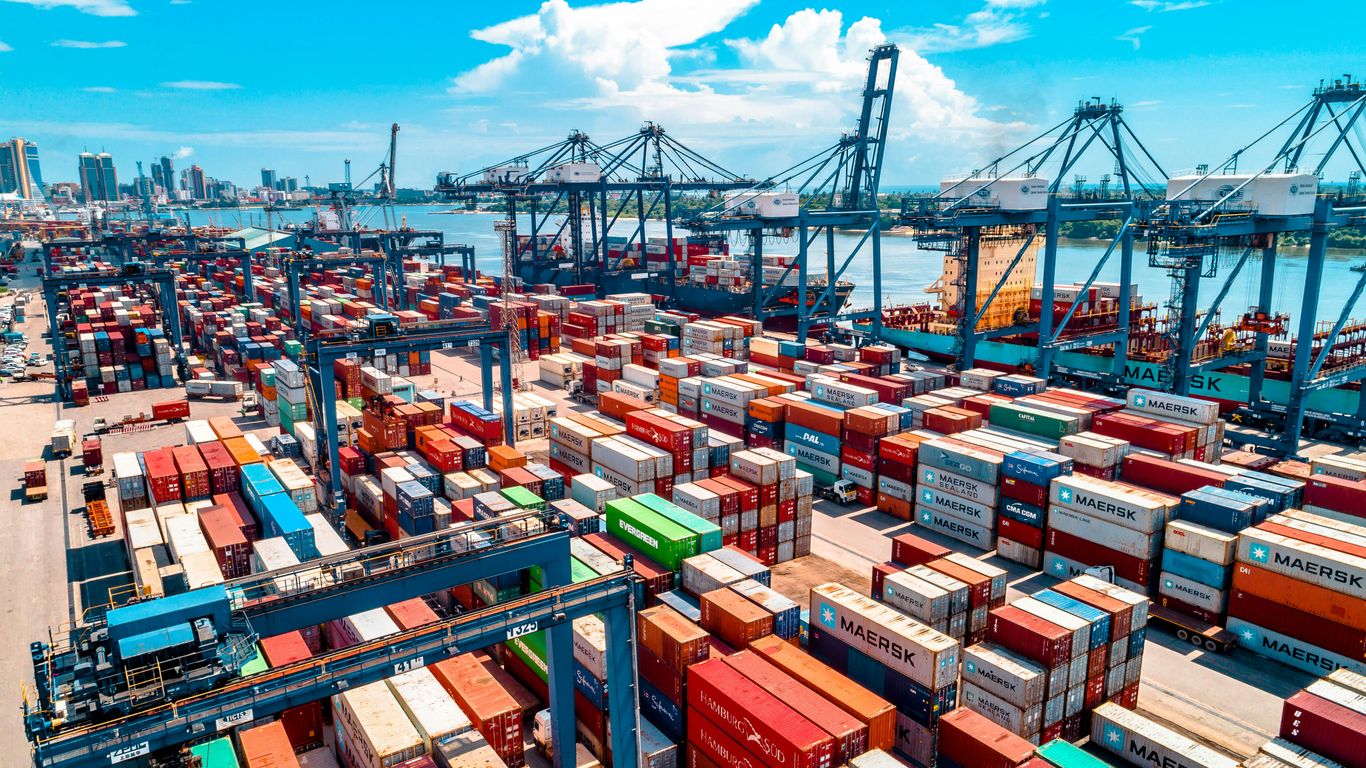
What freight forwarding is
Freight forwarding is the planning and administration of moving goods between an origin and a destination, often across national borders. The forwarder assesses the cargo, selects a suitable transport arrangement, books space and coordinates the practical steps around that booking. Depending on the shipment, this can include collection, consolidation, storage, customs documentation and final delivery.
The forwarder is therefore an organiser and intermediary rather than simply a delivery driver. It may work with several carriers and service providers while giving the customer one operational view of the shipment. The exact service depends on the cargo, route, Incoterms, transport mode and responsibilities agreed in the quotation.
How freight forwarding differs from shipping
Shipping usually describes the movement of goods, or the act of sending them. Freight forwarding is broader: it covers the preparation and coordination needed to make that movement possible. A carrier operates a vessel, aircraft, train or truck service, whereas a forwarder arranges how the cargo reaches that service and what happens before and after it.
This distinction matters when a shipment is delayed or a document is incomplete. The carrier may control a sailing or flight, while the forwarder coordinates updates, alternative arrangements and the information required by other parties. Neither role removes the importer’s or exporter’s underlying responsibility for accurate commercial information.
The parties involved in an international shipment
A straightforward international shipment can involve more organisations than the seller and buyer first expect. The exporter supplies the goods and commercial information; the importer receives the goods and normally has obligations in the destination country. Carriers move the cargo, while customs authorities assess declarations and apply the relevant rules.
Other parties may include a freight forwarder, customs broker or declaring agent, port and airport handlers, warehouse operators, insurers and local delivery providers. A useful forwarding arrangement identifies who is responsible for each handover. It also records who supplies documents, who approves changes and who pays duties, taxes and third-party charges.
Why businesses use freight forwarders
Businesses use forwarders when international transport involves too many connected tasks to manage efficiently in-house. A forwarder can bring together carrier schedules, cargo requirements, border formalities and delivery appointments, reducing the number of separate operational conversations. That can be particularly helpful for smaller exporters, irregular shipments and companies entering a new trade lane.
The value is not simply a lower freight rate. It is often the clearer allocation of work and earlier identification of missing information. For example, a Singapore importer may need a permit, a certificate of origin or a correctly prepared invoice before cargo can be released. IMPORT.SG supports Customs Permit Declaration work within its documented customs and trade documentation scope, while the applicable authority remains responsible for its decision.
What a freight forwarder actually does
A freight forwarder turns a shipment instruction into a sequence of managed actions. It considers the cargo and commercial terms, contacts suitable transport providers, arranges handovers and keeps records of progress. The work may be visible as emails, bookings and status updates, but the underlying task is maintaining continuity across several organisations. A forwarder’s obligations should always be read against the agreed quotation and service scope.

Planning the route and transport method
Route planning starts with the nature of the cargo and the required delivery outcome. Weight, dimensions, handling requirements, value, urgency, origin, destination and available infrastructure all affect whether sea, air, road, rail or a combination is sensible. The forwarder may compare direct and connecting services, transit expectations and the inland legs needed at either end.
Commercial terms also influence the plan. Incoterms help indicate which party arranges transport, insurance, import formalities and delivery at particular stages. A well-planned route is not necessarily the fastest one; it is the option that fits the shipment’s risk, cost and timing requirements.
Booking space with carriers
Once the route is agreed, the forwarder requests and confirms space with one or more carriers. The booking normally needs cargo details, collection timing, packing information, requested service and destination data. Cut-off times matter, especially when shipping instructions or export documents must reach the carrier before cargo is accepted.
A booking confirmation is not the same as delivery. Cargo may still require collection, weighing, terminal handling, export clearance and loading. The forwarder coordinates these steps and tells the shipper when information or action is needed to keep the booking usable.
Coordinating collection and delivery
Collection and delivery connect the main transport leg with the customer’s premises. The forwarder may arrange a truck, confirm loading instructions, check site access and coordinate delivery appointments. For consolidated cargo, it may also manage the movement of goods to or from a consolidation facility before the main departure.
The following details are especially useful at the handover stage:
- the precise collection and delivery addresses;
- contact names and opening hours;
- package count, dimensions and gross weight;
- loading equipment or special handling requirements;
- reference numbers and required delivery appointments.
These details prevent avoidable failed collections and waiting time. They also give the forwarder a practical basis for updating the carrier or delivery operator when circumstances change.
Managing customs clearance
Customs clearance involves submitting or supporting declarations so the relevant authority can assess goods entering, leaving or passing through a country. The forwarder may coordinate a customs broker or declaring agent, check that commercial documents are available and pass shipment data to the responsible party. It does not replace the importer’s responsibility for the truth and completeness of the information provided.
Classification, customs value, origin, permits and the description of goods can all affect the declaration. Early document review is therefore more useful than waiting until cargo reaches the border. For a practical explanation of the handover, see this guide to customs clearance, including the roles of the importer, exporter, authorities and intermediaries.
Tracking shipments and handling disruptions
Tracking is more than reporting that cargo has departed. A forwarder monitors milestones such as collection, terminal receipt, departure, arrival, clearance and delivery, then communicates exceptions to the customer. When a sailing is rolled, a flight is missed or a document is rejected, the forwarder helps coordinate the next available action within its authority.
It cannot guarantee a carrier schedule or control a customs decision. Good disruption handling instead means identifying the issue early, explaining its effect, presenting realistic options and recording who must approve the next step. That discipline is often what separates a manageable delay from a shipment that loses its delivery window.
How the freight forwarding process works
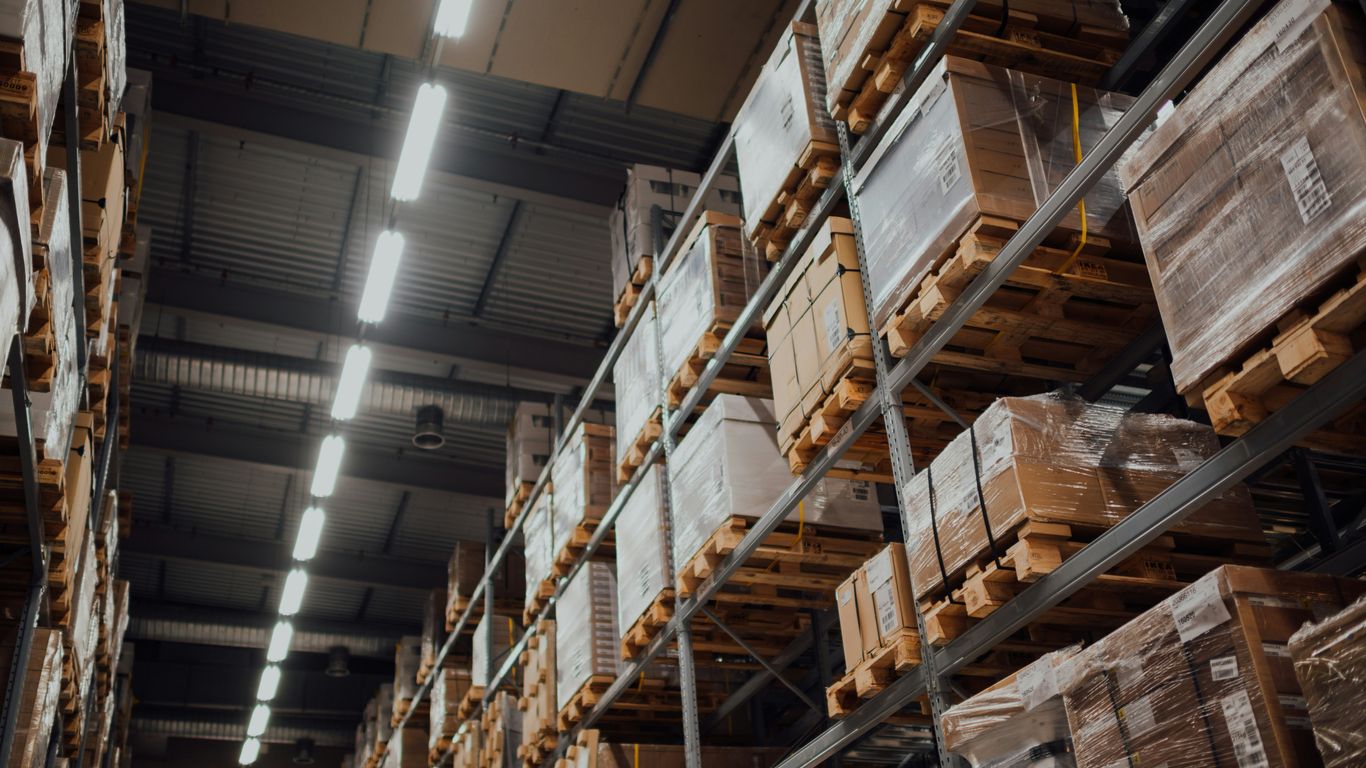
Although shipments vary, the forwarding process usually follows a recognisable sequence. The customer provides the commercial and cargo information, the forwarder builds a transport plan, and several service providers carry out the physical stages. Customs formalities may occur at export, import or both, depending on the movement. The process is smoother when each party knows its handover point before cargo is collected.
Preparing the shipment and commercial terms
The process begins with a shipment instruction. This should describe the goods, packaging, quantity, weight, dimensions, value, origin, destination and desired timing. The seller and buyer should also confirm the applicable Incoterm and who is responsible for transport, insurance, import clearance, duties and delivery.
At this stage, the forwarder can identify missing information and suggest a transport approach. The customer remains responsible for supplying accurate details and approving the commercial arrangement. A vague description such as “parts” is less useful for booking, handling and customs than a clear description that reflects the actual goods.
Arranging origin transport and export procedures
After the booking is accepted, the forwarder coordinates collection or delivery to the origin terminal, warehouse or consolidation point. Export procedures may require a declaration, supporting documents or permits, depending on the goods and country. The cargo must also meet the carrier’s packing, labelling and cut-off requirements.
A typical origin checklist includes several connected actions:
- confirm the booking, cargo availability and collection window;
- verify the commercial invoice and packing list against the cargo;
- provide export information to the responsible customs intermediary;
- check terminal, warehouse and carrier cut-off times;
- record the handover and any condition or quantity exceptions.
The checklist is useful because one missing document can hold up an otherwise ready shipment. It should be treated as an operational control, not as a substitute for reviewing the actual requirements of the trade lane.
Moving goods by sea, air, road or rail
The main transport leg begins once the cargo has been accepted and cleared for departure. Sea freight generally provides capacity for larger consignments, while air freight prioritises speed and may suit valuable or time-sensitive cargo. Road and rail can form the main movement or connect an inland origin or destination to a port or airport.
The forwarder tracks the agreed milestones and manages information between the customer and the carrier. For a deeper look at air-specific preparation, including chargeable weight and cut-off considerations, businesses can consult this air freight guide. The most appropriate mode remains a commercial decision based on the shipment’s actual requirements.
Completing import clearance and final delivery
At destination, the cargo may need arrival processing, import declaration, inspection, duty or tax payment and release before it can move onward. The importer or its appointed customs intermediary supplies the information needed for the declaration. Once release is available, the forwarder coordinates the final transport leg and any delivery appointment.
A status such as “ready for customs clearance” should not be mistaken for “cleared”. It generally indicates that formalities are still outstanding. The customer should confirm what information, payment or approval is required rather than assuming that a carrier or forwarder can release the goods independently.
Confirming delivery and closing the shipment
The shipment is not operationally complete merely because tracking shows arrival. The delivery record should confirm where and when the goods were received, by whom, and whether there was visible damage or a quantity discrepancy. Any outstanding charges, documents or claims should also be reviewed against the quotation and transport records.
Closing the file gives the business a reliable record for accounts, inventory, customer service and future route decisions. It also makes recurring problems easier to identify. If several shipments fail at the same handover, the corrective action may involve packaging, cut-off planning, document ownership or the choice of provider.
The documents involved in freight forwarding
Documents carry the commercial, transport and regulatory description of the shipment from one party to another. They should agree with the goods, the booking and the customs declaration; small inconsistencies can create disproportionate delays. The exact requirements depend on the route, goods, countries and transport mode. Document control is therefore a shared responsibility, not a task that can safely be left until departure.

Commercial invoices and packing lists
The commercial invoice records the transaction and commonly includes the seller, buyer, goods description, quantity, value, currency and agreed terms. The packing list describes how the goods are packed, including package count, marks, dimensions and weight. Customs, carriers, warehouses and consignees may all rely on these documents for different purposes.
The invoice and packing list should describe the same shipment. A mismatch in package count, weight, value or description can trigger a query at booking, export or import. Early comparison is simple and often prevents later amendments.
Bills of lading and air waybills
A bill of lading is a sea transport document that records key carriage information and may have functions beyond a simple receipt, depending on its form and use. An air waybill records the air shipment and provides evidence connected with the contract of carriage, but it is not generally a document of title. Road and rail movements use their own transport records.
The document should match the parties, routing, references, packages and special handling information supplied at booking. Businesses moving air cargo can use an air waybill checklist to review airport codes, parties, routing and amendments before cargo moves.
Certificates of origin and other trade documents
A certificate of origin identifies the stated origin of goods in the form required by the relevant process. It may support a customs or trade preference claim, but it does not by itself establish every condition for preferential treatment. Other supporting documents may include licences, inspection records, insurance documents, technical papers or special handling declarations.
The need for a document should be established before shipment, not inferred from a generic checklist. IMPORT.SG handles Certificate of Origin applications within its documented trade facilitation and documentation services, while the responsible authority determines whether an application is accepted.
Customs declarations and permits
A customs declaration presents information such as the importer or exporter, goods classification, value, origin and transport details. Controlled goods may require additional permits or approvals. The declaration must be based on accurate information from the party responsible for the goods, even when a broker or declaring agent submits it.
A permit requirement can arise from the goods, the movement type or the jurisdiction. In Singapore, the electronic submission route and relevant permit type depend on the shipment. Businesses should establish the requirement early and retain the supporting records used to prepare the declaration.
Proof of delivery and cargo records
Proof of delivery confirms that the consignment reached the stated recipient or delivery point. It may include a signed record, electronic confirmation, delivery timestamp, exception note or photographic evidence, depending on the service. Cargo records also include booking confirmations, arrival notices, release records, amendments and correspondence about exceptions.
Together, these records provide an audit trail. They help reconcile the invoice, investigate shortages, support a claim and assess whether the agreed service was completed. A consistent file is particularly valuable when several providers handled different legs.
Freight forwarding by transport mode
Transport mode shapes the balance between speed, capacity, cost and control. There is no universally best option: the right answer depends on the cargo and the delivery promise. Many international movements combine a main mode with road or rail at one or both ends. The forwarder’s role is to compare those combinations rather than treating each leg in isolation.
Sea freight for large or non-urgent shipments
Sea freight is often selected for heavier, larger or less time-sensitive cargo. Containerised services can provide substantial capacity, but the total journey includes origin handling, port cut-offs, sailing time, destination handling, customs and inland delivery. Congestion, rolled bookings and port changes can also affect the expected schedule.
The quotation should distinguish the ocean freight from terminal, documentation, handling, storage, demurrage, detention and inland charges. A lower headline rate may not be the lower landed cost if the surrounding services are excluded.
Air freight for speed and high-value goods
Air freight is generally used when delivery speed matters more than the cost per unit of transport. It can suit urgent components, samples, high-value goods and shipments where stock-out risk is significant. Chargeable weight, flight availability, airport cut-offs and security or dangerous-goods requirements all affect the practical choice.
Fast transport does not remove customs or documentation obligations. A shipment can arrive quickly and still wait for a declaration, permit or clarification. The air plan should therefore include document readiness as well as flight timing.
Road freight for regional and door-to-door transport
Road freight is useful for regional movements and for connecting premises with ports, airports, warehouses or final customers. It can offer flexible collection and delivery windows, although border crossings, driver hours, congestion, vehicle restrictions and site access may affect the schedule.
Clear addresses and loading instructions are particularly important for road movements. The forwarder may need to coordinate appointment slots, tail-lift requirements, pallet exchanges or special vehicle access. These practical details are part of the shipment plan, not minor afterthoughts.
Rail freight for long-distance inland routes
Rail freight can provide an option for long-distance inland transport where suitable infrastructure and services exist. It may be used as a principal mode or as one leg of a multimodal movement. Terminals, container transfers, schedules and last-mile road delivery must be considered together.
Rail is not automatically faster or cheaper than every alternative. Its suitability depends on the corridor, cargo, terminal access and required delivery point. A forwarder compares the complete route rather than only the rail segment.
Multimodal transport and combined services
Multimodal transport combines two or more modes, such as truck to port, sea across a main route and truck or rail to the consignee. It can improve reach and capacity, but each additional handover creates another point where documents, timing and cargo condition need attention.
The main benefit of a coordinated service is a clearer chain of responsibility. The quotation should state which party arranges each leg, where custody changes and how exceptions are escalated. For smaller businesses comparing options, this freight forwarding guide discusses the relationship between shipment volume, product type, transport mode and landed cost.
Freight forwarder, carrier, broker and courier compared
These terms are often used loosely, but they describe different functions. A carrier operates or contracts the physical transport service; a customs broker or declaring agent handles customs submissions within its appointment; and a courier normally provides an integrated express collection and delivery service. A freight forwarder coordinates one or more of these elements according to the customer’s needs.
The boundaries can vary by country and contract. The safest approach is to ask what each provider is actually undertaking, rather than relying only on its trading title. That is also why a 3PL companies guide can be useful when a business is considering wider warehousing and fulfilment support.
Freight forwarder versus freight carrier
A freight carrier physically transports cargo or contracts the transport operation. Examples include an ocean line, airline, haulier or rail operator. A freight forwarder arranges space with carriers and coordinates the surrounding shipment activities, although some forwarding businesses may also provide transport under their own arrangements.
The contract, quotation and transport document should clarify the provider’s role. If a sailing changes, the carrier controls the service decision, while the forwarder may communicate the change and coordinate alternatives with the customer.
Freight forwarder versus customs broker
A customs broker or declaring agent focuses on customs representation and the submission of declarations. It may advise on classification, customs value, permits and supporting evidence within the relevant legal framework. A freight forwarder has a wider transport coordination role, even when it works closely with a broker.
One organisation can offer both services, but the responsibilities should still be separated clearly. The importer or exporter must know who provides the data, who checks it, who submits the declaration and who responds to customs queries.
Freight forwarder versus logistics provider
“Logistics provider” is a broad description that may cover transport, warehousing, inventory handling, fulfilment, distribution and supply chain management. Freight forwarding is usually focused on arranging and coordinating cargo movements, particularly international shipments. A logistics provider may therefore include forwarding, but the terms are not interchangeable in every quotation.
Ask whether the service includes storage, stock control, order fulfilment, local distribution or only the movement of a named shipment. Scope matters more than the label, especially when a business is combining international freight with domestic operations.
Freight forwarder versus courier service
A courier service is designed around relatively standardised, often door-to-door express movements. It may provide collection, transport, customs processing and delivery as one integrated service. Freight forwarding is more flexible for pallets, containers, project cargo, scheduled services and shipments requiring several transport providers.
Courier services can be suitable for small urgent parcels, while forwarding may be more appropriate for commercial cargo or a planned container movement. The choice depends on dimensions, value, urgency, documentation and the recipient’s delivery requirements.
When a business may need more than one provider
A business may appoint a forwarder for international transport, a customs intermediary for declarations, a warehouse for storage and a local carrier for final delivery. Using several providers is not inherently inefficient, but it requires clear ownership of information and handovers. The customer should know which provider is accountable for each stage and where escalation goes when something changes.
This is also where apparently unrelated evaluation methods can be misleading. A ShortMind service agreement, for example, belongs to a different type of provider and should not be treated as evidence about freight capability. Provider comparisons must remain tied to the actual shipment requirements.
Freight forwarding costs and choosing a provider
Freight forwarding prices reflect much more than the distance between two locations. They combine the main transport charge with handling, documentation, customs, collection, delivery and possible exceptions. A reliable comparison starts by describing the shipment consistently to every provider. It then tests whether each quote includes the same work and assumptions.
What affects freight forwarding prices
The principal influences include cargo weight and dimensions, chargeable weight, volume, origin and destination, transport mode, service level and available capacity. The cargo’s value, handling requirements, temperature needs, dangerous-goods status and insurance arrangements can add complexity. Seasonality, fuel costs, exchange rates and congestion may also change the commercial offer.
The delivery term affects who pays and who arranges different stages. A quote for port-to-port transport cannot be compared directly with a quote that includes collection, clearance and final delivery. Businesses should compare the full movement needed for their own responsibility under the agreed Incoterm.
Common charges and potential surcharges
A forwarding quote may contain freight, origin handling, destination handling, documentation, collection, delivery and customs-related service charges. Duties, taxes, storage, demurrage, detention, inspections and specialist handling may be excluded or charged only if they arise. This freight forwarding services guide explains why booking and transport planning are often distinct from duties, taxes and other pass-through costs.
A simple comparison table helps separate the main categories:
| Cost category | What it may cover | What to verify |
|---|---|---|
| Main transport | Sea, air, road or rail movement | Rate basis, route and validity |
| Origin and destination handling | Terminal, warehouse or cargo processing | Included locations and package limits |
| Customs support | Declaration coordination or broker service | Number of entries and exclusions |
| Inland transport | Collection, delivery or connecting legs | Addresses, waiting time and access |
| Exceptional charges | Storage, inspection, demurrage or amendments | Trigger, daily rate and approval process |
The table is a prompt for questions rather than a guarantee of what a quote contains. Written confirmation of exclusions is as important as the headline total, particularly where a delay could create storage or detention charges.
Comparing quotes on an equivalent basis
Send the same shipment brief to each provider and ask for the same origin, destination, delivery term, cargo data and timing. Compare the total expected cost, not just the base freight rate. Also check currency, quote validity, transit assumptions, free-time allowances and whether customs duties and taxes are excluded.
A provider may be cheaper because it has omitted a necessary stage. Another may appear more expensive because it has included collection, document handling and destination delivery. The fair comparison is the quote that covers the same outcome with the same assumptions.
Questions to ask a freight forwarder
A short set of operational questions can reveal gaps before a booking is made. Ask who will arrange each leg, who will prepare or submit customs documents, when the customer must provide information and how exceptions will be reported. Also ask what the quote excludes and what evidence will confirm delivery.
The provider should be able to explain:
- the proposed route and why it suits the cargo;
- the booking, collection and documentation cut-offs;
- the customs responsibility and required supporting documents;
- the charges that may arise if the shipment is inspected or delayed;
- the escalation contact for urgent changes.
Answers should be specific enough to assign ownership. If a responsibility is described only as “handled”, ask which party performs the action and which party supplies the information.
Checking expertise, coverage and service reliability
A suitable provider has experience with the relevant trade lane, cargo type and transport mode. It should be able to describe its carrier network, customs handover process, document controls and contingency approach without promising outcomes controlled by carriers or authorities. References, service records and a small pilot shipment can be more informative than a polished sales presentation.
For broader validation, businesses can consider the App Idea Report comparison approach as a reminder to assess options against cost, speed, insight and scalability; the underlying lesson is to use criteria suited to the decision being made. For freight, those criteria should include scope clarity, landed-cost transparency, communication and operational reliability. IMPORT.SG offers a request for a quote for customs and trade facilitation support, with the shipment details used to assess the agreed work.
Conclusion
Freight forwarding is the coordinated management of cargo, transport, documentation, customs handovers and delivery across an international route. Understanding the distinction between forwarders, carriers, brokers and couriers makes responsibilities easier to assign, while accurate documents and comparable quotations reduce preventable friction. The best arrangement is the one that matches the cargo and commercial terms with a clear, accountable process from booking through proof of delivery; businesses needing help can request a quote for support within the documented scope.
Frequently Asked Questions
What is the freight forwarding meaning in simple terms?
Freight forwarding means organising and coordinating the movement of goods, usually across borders, through carriers and related service providers. It can include bookings, collection, documentation, customs coordination, tracking and delivery.
Does a freight forwarder physically transport the goods?
Usually, the forwarder arranges transport with carriers rather than operating every vessel, aircraft, train or truck itself. The exact role depends on the contract and the services included in the quotation.
What information does a freight forwarder need?
A forwarder normally needs the goods description, quantity, packaging, dimensions, weight, value, origin, destination, timing and applicable commercial terms. Special handling, permit or dangerous-goods information may also be required.
Is customs clearance part of freight forwarding?
It may be included, coordinated or provided by a separate customs broker or declaring agent. The quotation should state who prepares the information, who submits the declaration and who responds to any customs query.
Which transport mode is best for international freight?
The best mode depends on urgency, cargo size, value, handling needs, route, capacity and budget. Sea may suit large non-urgent cargo, air may suit urgent shipments, and road or rail may connect inland origins and destinations.
Why do freight forwarding quotes vary so much?
Quotes can use different assumptions about route, timing, cargo weight, handling, customs, collection, delivery and exceptional charges. Comparing the same shipment brief and checking inclusions and exclusions helps explain the difference.
What should a business check before choosing a freight forwarder?
Check relevant trade-lane and cargo experience, transport coverage, customs handover arrangements, document controls, communication practices, contingency planning and the clarity of the quotation. A clear allocation of responsibilities is as important as price.