Customs Permits
Customs Broker Singapore: Broker, Declaring Agent or Freight Forwarder?
Key Takeaways
The terms customs broker, declaring agent and freight forwarder overlap in practice, but they describe different responsibilities. Knowing who owns each task helps prevent gaps in permits, transport arrangements and shipment records.
- A customs broker is a broad, practical term for support with customs clearance.
- A declaring agent submits customs declarations and manages permit-related work.
- A freight forwarder coordinates the physical movement of cargo and transport documents.
- The importer or exporter remains responsible for providing accurate commercial information.
- The right provider should be selected according to cargo, trade lane, timing and agreed scope.
What a customs broker means in Singapore
“Customs broker Singapore” is commonly used by businesses searching for help with import and export formalities. In Singapore, the practical work may be performed by a declaring agent, a freight forwarder, or a specialist customs service provider. The name matters less than the precise duties accepted by the appointed party. A written scope should make clear who prepares information, submits permits, follows up on queries and coordinates release.
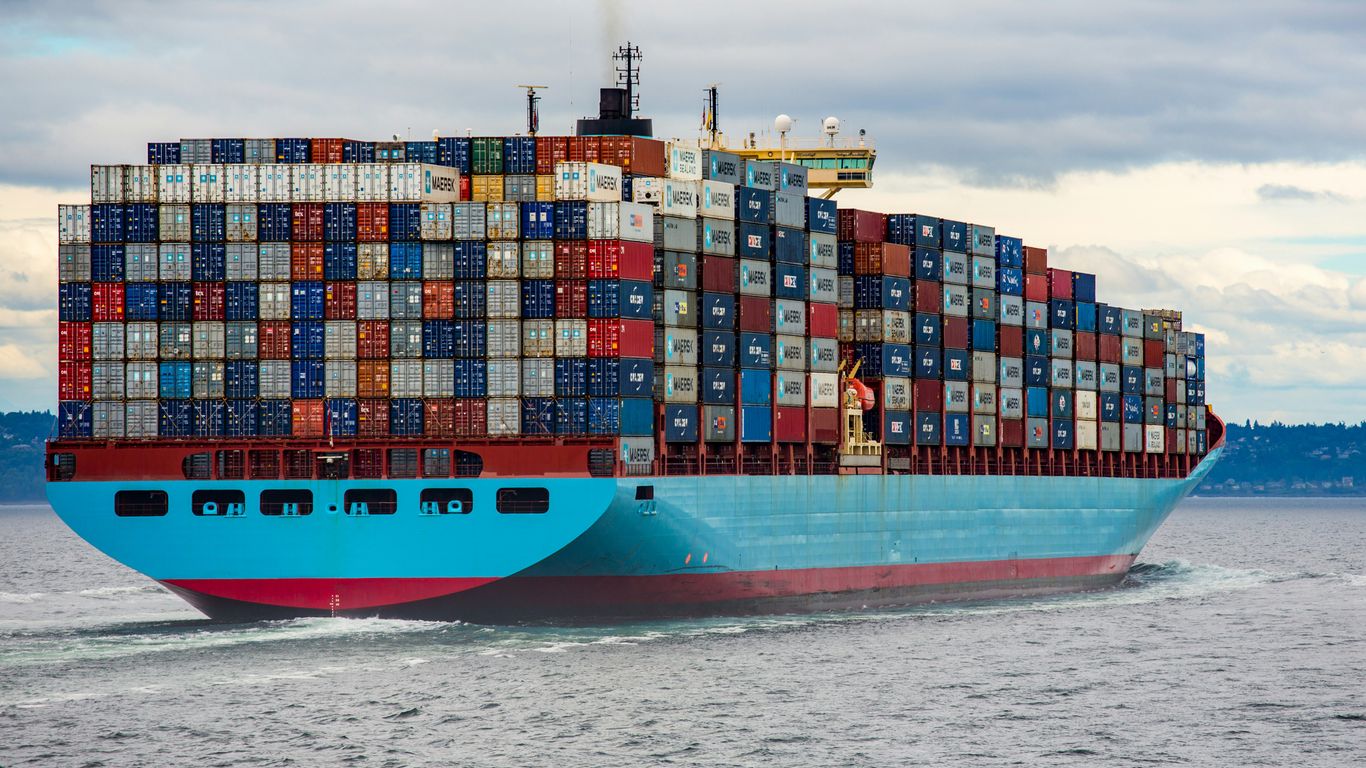
How the term “customs broker” is used locally
The term usually describes an intermediary that helps a business move goods through customs procedures. It is not, by itself, a complete description of a particular licence, service package or legal responsibility. One provider may only lodge declarations, while another may also review documents, discuss classification and coordinate with the forwarder. For a useful explanation of the practical distinction, see this guide to customs clearance brokers and declaring agents.
The agreed scope is therefore more useful than the label. Before appointing anyone, ask whether the quotation covers permit applications, document checks, amendments, authority queries and post-clearance record handling. Those details determine whether the business is buying a narrow filing service or wider operational support.
The role of Singapore Customs in import and export clearance
Singapore Customs administers customs requirements and receives declarations through the national electronic trade platform. It is an authority, not a private broker, forwarder or delivery provider. Importers and exporters must still provide truthful and complete information, even when an agent submits the declaration on their behalf.
A broker can help organise the information and communicate within the agreed scope, but cannot guarantee that an authority will approve a permit or release cargo. Classification, controlled-goods requirements, customs value and supporting documents may all affect how a shipment is handled. Responsibility should be documented rather than assumed from a job title.
Why a customs broker may also be a declaring agent
A business offering brokerage support may also act as the declaring agent for a shipment. In that arrangement, it can prepare or receive the required information and lodge the declaration through TradeNet on behalf of the relevant importer or exporter. The two terms overlap because declaration work is often one part of broader clearance assistance.
The overlap does not remove the need to define responsibility. The customer should know who confirms the HS code, who checks whether goods are controlled, who supplies missing documents and who reviews the final declaration before submission. Good coordination reduces the risk of an assumption being mistaken for an instruction.
Services typically included in customs brokerage
Customs brokerage may include document preparation, permit support, classification checks, customs-value review and communication about queries or amendments. The exact package varies, particularly for transhipments, temporary movements and regulated cargo. Some businesses also ask the provider to coordinate with their freight forwarder, while others retain that function internally.
A practical provider will separate what it performs from what it needs the customer, carrier or authority to perform. This is especially useful when several documents describe the same cargo. Clear task ownership helps the business identify where a delay or inconsistency must be corrected.
What a declaring agent does
A declaring agent handles the formal submission of customs declarations for an importer, exporter or other authorised party. This role is closely tied to the accuracy of shipment data and the timing of permit applications. The agent can process information supplied by the customer, but cannot responsibly fill unknown commercial facts by guesswork. Early document sharing gives the agent time to identify gaps before cargo is due to move.

Applying for and managing customs permits
The declaring agent checks the intended movement, goods description and available documents before applying for the relevant permit. This may involve import, export or transhipment arrangements, depending on the shipment. Where another competent authority has an interest in the goods, additional licences or approvals may be needed before the declaration can proceed.
A permit is not simply an administrative receipt. Its details must correspond with the commercial invoice, packing list, transport document and actual cargo. A declaring agent may manage applications and amendments within the agreed scope, while the business remains responsible for confirming that the underlying information is correct.
Submitting declarations through TradeNet
TradeNet is the electronic channel used for customs permit applications in Singapore. A declaring agent enters the relevant shipment information, submits the declaration and monitors the response. Errors in fields such as parties, values, quantities or codes can lead to rejection, amendment work or delay.
IMPORT.SG provides customs declaration support that includes managing permits and coordinating with freight forwarders. Its role is to organise the agreed information and declaration workflow; Singapore Customs and other authorities retain control over approvals and decisions.
Classifying goods and determining the customs value
Classification affects the way goods are described for customs purposes and may influence duty, GST treatment or permit requirements. The declaring agent can review the proposed HS code and raise questions when the description is too general or inconsistent with the supporting paperwork. The importer or exporter should provide technical specifications and confirm the commercial facts used in the declaration.
Customs value also needs a documented basis. Price, freight, insurance and other relevant elements may need to be considered according to the applicable rules and transaction. When the product is unfamiliar, a specialist review may be prudent; a generic description such as “parts” or “equipment” rarely gives enough information for a careful assessment.
Managing duties, GST and supporting documents
A declaring agent may calculate or coordinate information relevant to duties and import GST, then identify the supporting documents needed for submission or records. The exact tax treatment depends on the goods, transaction and applicable requirements. It should be checked rather than inferred from a previous shipment.
The document set normally needs to tell one consistent story about the cargo. Useful preparation often includes:
- A commercial invoice with the parties, description, value and terms.
- A packing list showing quantities, packages and weights.
- A bill of lading or airway bill matching the shipment details.
- Relevant licences, certificates or origin documents where required.
After this review, the customer should be able to see which documents are complete and which remain outstanding. That visibility is more valuable than a promise of speed that depends on information still being collected.
What a freight forwarder does
A freight forwarder focuses primarily on arranging the movement of cargo between locations. It may coordinate carriers, transport modes, warehouses, shipment schedules and delivery instructions. Customs clearance can be included, but it should not be assumed simply because a company calls itself a forwarder. The quotation and operating instructions should state whether declaration work is included or referred to another party.
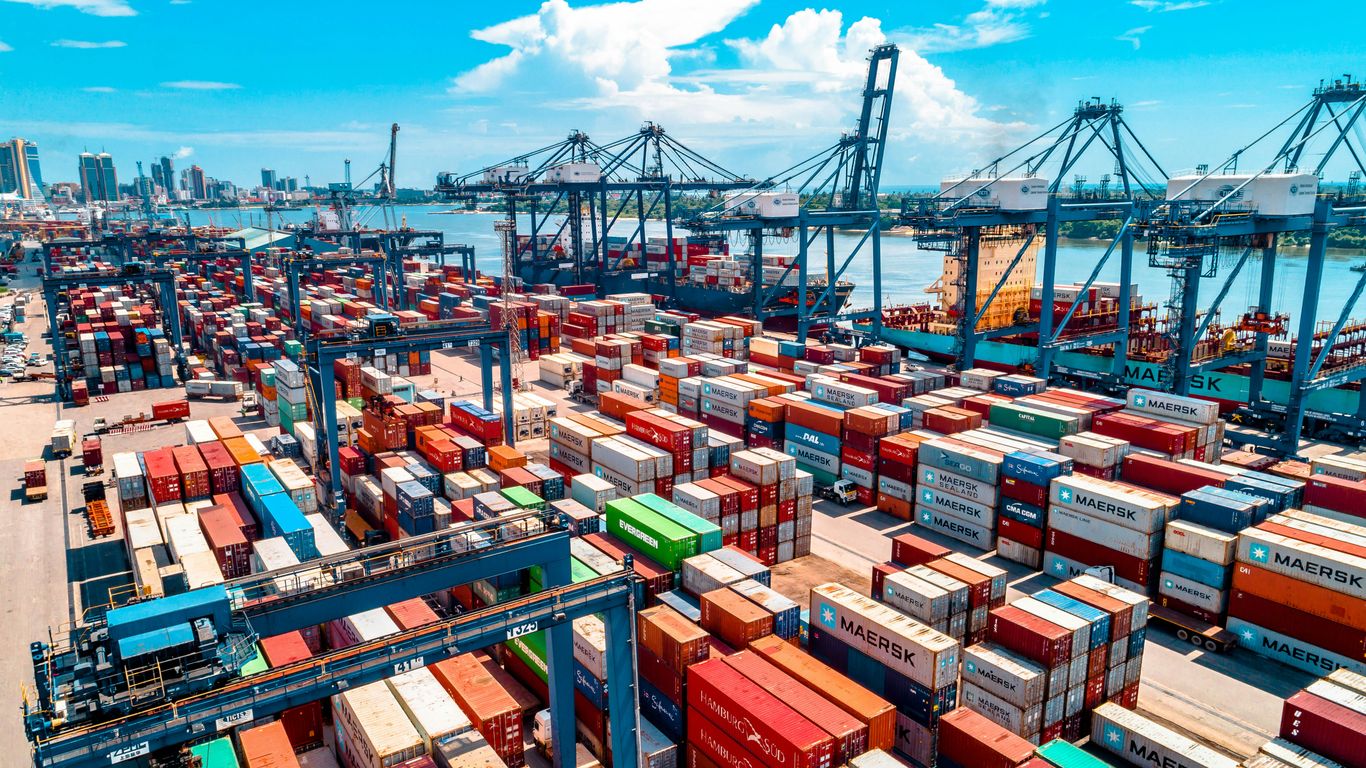
Arranging international transport and cargo movement
The forwarder helps select and book an appropriate transport service, such as sea or air freight, according to urgency, cargo characteristics and commercial requirements. It may arrange collection, consolidation, port or airport handling and onward delivery. These are movement and logistics functions rather than a substitute for accurate customs information.
A forwarder may also advise on practical shipment timing, cut-offs and hand-offs. However, carrier schedules, port operations and authority decisions remain outside its direct control. Businesses should distinguish a transport commitment from a customs approval or cargo-release decision.
Coordinating shipping lines, airlines and warehouses
Forwarders commonly communicate with shipping lines, airlines, depots, terminals and warehouses. Their coordination can cover bookings, cargo acceptance, storage arrangements and updates when a shipment changes status. The quality of that coordination depends on having consistent instructions and complete cargo information.
For sea freight, the responsibilities of the shipper, consignee, carrier and forwarder should be clear from the beginning. A useful sea freight documentation guide can help teams understand how bills of lading, certificates of origin and customs considerations fit into the movement. This does not replace shipment-specific advice.
Handling bills of lading and delivery instructions
Bills of lading, airway bills and delivery instructions connect the transport contract with the physical cargo. The forwarder may prepare, check or transmit these documents, depending on the arrangement with the carrier and customer. Names, addresses, package counts and cargo descriptions should align with the commercial and customs records.
A late change to consignee details, delivery location or release instructions can affect several parties at once. The forwarder should record the request, confirm who authorised it and communicate any operational consequences. This is one reason a single communication trail is preferable to scattered messages across multiple vendors.
Understanding when freight forwarding includes customs clearance
Some forwarders offer an integrated service that includes customs clearance, while others arrange transport and ask a separate declaring agent to lodge permits. Both models can work. The critical question is who will submit the declaration, who will answer a customs query and who will coordinate corrections if the transport document changes.
IMPORT.SG describes an integrated approach in which transport, customs and paperwork are treated as a connected process. Businesses should still verify the actual agreed scope, including the supported trade lanes, document cut-offs and responsibility for information supplied by the customer.
Customs broker, declaring agent and freight forwarder compared
The three labels describe overlapping points in a shipment workflow, not necessarily three separate companies. A freight forwarder may employ or appoint a declaring agent, and a customs broker may coordinate with a forwarder without arranging transport. The safest comparison is based on the task being performed and the party accountable for each hand-off. This prevents a business from assuming that one provider covers work that was never included.

Differences in licensing, responsibilities and scope
A declaring agent is concerned with lodging declarations and related permit administration. A freight forwarder is concerned with arranging cargo movement and transport documentation. “Customs broker” is often used more broadly for a provider that supports customs clearance, but the name alone does not define the legal or commercial scope.
The following comparison is a starting point rather than a substitute for reading the service agreement:
| Role | Primary focus | Typical coordination | Key question to ask |
|---|---|---|---|
| Customs broker | Customs clearance support | Documents, classification and authority queries | Which clearance tasks are included? |
| Declaring agent | Permit and declaration submission | TradeNet applications and amendments | Who confirms the declaration data? |
| Freight forwarder | Cargo movement | Carriers, warehouses and delivery | Is customs clearance included? |
The same provider may perform more than one role, but each responsibility should remain visible. A short scope matrix can prevent uncertainty when a shipment is urgent or documentation changes after booking.
Who controls the shipment at each stage
Control shifts across the workflow. The shipper or exporter controls the accuracy of origin information and commercial instructions; the carrier controls transport acceptance and movement under its terms; the importer or consignee controls destination instructions and business records. The declaring agent processes the information it is authorised to submit, while customs authorities decide on permits and checks.
This division explains why no private provider can promise every outcome. A broker can submit a complete application, but an authority may request more information. A forwarder can arrange a booking, but a carrier or terminal may change an operational schedule.
Which party handles permits, transport and delivery
Permits usually sit with the importer, exporter or their declaring agent. Transport bookings, freight arrangements and delivery instructions usually sit with the forwarder or carrier. Delivery may also involve a local transport operator whose role begins only after the relevant release and hand-off conditions are met.
A business should map the shipment from document intake to final delivery and name the owner for each step. A freight forwarding service guide is useful background when comparing carrier coordination, customs navigation and delivery responsibilities. The final arrangement should be specific to the cargo and route.
When one provider can perform all three roles
One provider can sometimes combine customs support, declaration work and freight forwarding. This can simplify communication, especially for time-sensitive or document-heavy shipments. It does not make the provider responsible for facts it was never given, nor does it transfer authority decisions to a private company.
An integrated arrangement works best when the customer receives one clear contact, a defined document list and a record of outstanding actions. It should also state which activities are performed in-house and which are passed to third parties. That level of detail matters more than using a broad label such as “full service”.
When your business needs customs clearance support
Customs support is useful whenever a shipment requires a formal declaration, supporting permit or careful coordination between commercial and transport records. It may be needed for a single unusual consignment as well as for regular trade lanes. The scale of the business does not remove the need for accurate information. Even a small shipment can create disproportionate delay if its description, value or documents are unclear.
Importing commercial goods into Singapore
Commercial imports commonly require the importer or its appointed agent to address customs documentation, permits, duties and GST. The exact requirements depend on the goods, origin, transaction and intended use. A first-time importer should confirm that its UEN and relevant accounts or authorisations are ready before the shipment is dispatched.
A declaration workflow should begin when the purchase and transport details are available, not when the cargo is already waiting for release. This allows time to obtain technical descriptions, verify the intended classification and resolve missing documents.
Exporting or re-exporting goods from Singapore
Exports and re-exports still require attention to the correct declaration type, parties, cargo description and transport details. A business may also need to consider origin documentation, customer-country requirements and whether the goods are moving under a special procedure. Export paperwork should align with the commercial invoice and transport document.
The fact that no duty is payable in a particular situation does not mean that no customs process applies. The required treatment depends on the movement and goods, so the exporter should check the rules before handing cargo to the carrier.
Moving controlled, regulated or strategic goods
Controlled goods may require approvals or licences from a relevant competent authority before movement. Strategic goods can involve additional controls, and ordinary commercial descriptions may not be sufficient to establish the correct treatment. The business should provide technical specifications, intended use and any available authorisations early.
A service provider can help identify information gaps and coordinate the agreed submission steps. It cannot replace the authority responsible for the approval. For controlled cargo, selecting a provider with relevant experience is usually more useful than selecting one solely on the lowest filing fee.
Managing temporary imports, repairs and samples
Temporary imports, repair returns, exhibition goods and samples can require a different documentation approach from ordinary sales shipments. The reason for movement, expected period, ownership and planned re-export may affect the available procedure. These details should be recorded before the goods depart their origin.
A carnet or other specialist document may be relevant in some circumstances, but eligibility should be confirmed for the particular movement. The provider should also explain who will monitor the return or closure requirement and what evidence must be retained.
How the Singapore customs clearance process works
Clearance is best treated as a controlled sequence rather than a last-minute filing exercise. The process begins with the goods and transaction, continues through documents and permits, and ends with release, delivery or export confirmation. Each stage depends on information supplied by the business and on decisions made by relevant authorities or carriers. A simple checklist can expose missing information early.
Checking product classification and import requirements
Start by describing the goods precisely, including material, function, model and intended use where relevant. The proposed HS code should be checked against the product information rather than copied from an old shipment without review. The team should also identify whether the goods are controlled, prohibited, restricted or subject to additional approvals.
Classification is not merely a tax exercise. It can affect permit requirements, documentary evidence and how a shipment is reviewed. Where uncertainty remains, obtain appropriate professional or authority guidance before the goods move.
Preparing invoices, packing lists and shipping documents
The commercial invoice, packing list and bill of lading or airway bill should agree on parties, packages, quantities and descriptions. Differences between documents often create more work than the original preparation would have done. Supporting certificates, licences and origin records should be gathered according to the shipment’s requirements.
Businesses can use a document checklist for repeat shipments, but should still review each consignment. A customs clearance document checklist can support that routine, particularly when different teams prepare commercial and transport paperwork.
Applying for permits before goods arrive or depart
Permit timing depends on the movement and the information available. Applications should be submitted early enough to address errors, supporting-document requests or amendments before the relevant cargo cut-off. The party lodging the permit should confirm the declaration type, parties, goods and value before submission.
IMPORT.SG provides guidance on customs permit declarations, including document preparation and submission planning. Its documented role is to support the declaration workflow; the importer or exporter must still validate the information and provide required approvals.
Resolving inspections, amendments and customs queries
A query, inspection or rejected application is not necessarily a sign that the entire shipment is defective. It means the parties must identify what information or action is required, respond accurately and record the outcome. The declaring agent may coordinate the response, while the customer supplies technical or commercial evidence.
Amendments should be made through the appropriate process rather than by quietly changing one document. Keep the original instructions, revised data, authority correspondence and final permit together. That record supports later reconciliation and helps explain what happened if the shipment is audited.
How to choose the right customs service provider
Choosing a provider starts with defining the work, not comparing generic labels. Consider shipment frequency, cargo type, origin and destination, transport mode, expected response times and the level of internal expertise available. A provider that suits routine imports may not suit controlled goods, repairs, project cargo or urgent hand-carry movements.
Checking TradeNet access and declaring capabilities
Ask whether the provider can submit the relevant declarations through TradeNet and whether it has experience with the movement types your business uses. Clarify who reviews the information, who submits it, who receives authority queries and who keeps the final records. The answer should be operationally specific rather than a general assurance that “clearance is handled”.
Also check whether the provider requires documents in a particular format or by a particular cut-off. A clear intake process makes it easier to see when responsibility remains with the customer.
Comparing customs-only and end-to-end logistics services
A customs-only provider may be suitable when the business already has a forwarder and transport arrangements. An end-to-end logistics provider may be preferable when several parties need to be coordinated through one workflow. Neither model is automatically better; the choice depends on where the business has capacity and where hand-offs create risk.
IMPORT.SG describes support spanning customs clearance, documentation and freight-forwarding operations for Singapore trade. When assessing any such arrangement, confirm which tasks are included in the quotation and which remain with carriers, customers or third-party agents.
Evaluating experience with your goods and trade lanes
Experience should be relevant to the actual shipment. Ask about similar goods, the ports or airports involved, controlled-item procedures, temporary movements and the countries in the trade lane. A provider should be able to explain the information it needs before it can assess a shipment.
Practical experience is also visible in exception handling. Ask how the team records amendments, manages missing documents and communicates when an authority, carrier or terminal changes the position. These questions reveal more than a broad claim of expertise.
Reviewing fees, service levels and compliance responsibilities
Compare the full fee structure, including permit charges, amendments, document work, storage-related coordination and out-of-hours requests where relevant. Confirm what response target is offered and what information the customer must supply to meet it. The provider should not imply control over authority approvals, carrier schedules or port operations.
Before signing, document who owns classification, customs value, licences, record retention and corrections. If the process is suitable, request a customs quote with the shipment details, timing and available documents so the proposed scope can be assessed properly.
Request a Quote
Share the shipment, timing, permit needs and available documents with IMPORT.SG so the agreed customs declaration or trade-documentation scope can be assessed and a tailored commercial proposal prepared.
Conclusion
A customs broker, declaring agent and freight forwarder may be separate providers or functions delivered by one organisation, but their responsibilities should never be left to assumption. Define who prepares information, submits permits, arranges transport, answers queries and retains records. With those hand-offs documented, businesses can choose customs clearance support that fits their goods, route and operating timetable.
Frequently Asked Questions
Is a customs broker the same as a declaring agent?
Not always. A declaring agent focuses on submitting customs declarations, while “customs broker” is often used more broadly for support with customs clearance; one provider may perform both functions.
Does every freight forwarder provide customs clearance?
No. Some freight forwarders include customs clearance in their service, while others arrange transport and work with a separate declaring agent. The quotation should state the position clearly.
Who is responsible for the accuracy of a customs declaration?
The importer or exporter remains responsible for providing accurate commercial and product information. An appointed agent can prepare and submit the declaration within its agreed scope, but should not be expected to invent missing facts.
When should a customs permit be applied for?
A permit should generally be arranged before the relevant goods arrive or depart, with enough time to correct errors and provide supporting documents. The required timing depends on the movement and cargo.
What documents are commonly needed for clearance?
Common documents include a commercial invoice, packing list and bill of lading or airway bill. Licences, certificates, origin records and technical documents may also be needed for particular goods or procedures.
Can one company arrange transport and customs declarations?
Yes, one company may offer both freight forwarding and declaration services. Even then, the service scope, third-party involvement and responsibility for information should be set out in writing.
What should a business ask before appointing a provider?
Ask about TradeNet access, relevant goods and trade-lane experience, document cut-offs, permit and amendment fees, exception handling, record keeping and the precise division of responsibility between the provider, customer, carriers and authorities.