Customs Permits
Import Licence Singapore: Do You Need One and How to Get Started?
Key Takeaways
Singapore usually regulates imports through permits and product-specific approvals rather than one universal import licence. The practical task is to classify the goods correctly, register the importer, prepare consistent documents and submit the right declaration before arrival.
- Check whether the goods are controlled, prohibited or subject only to standard customs requirements.
- Register the business with ACRA and activate a Singapore Customs account using the UEN.
- Use the correct HS code, customs value, permit type and shipment information in TradeNet.
- Keep invoices, packing lists, transport records and supporting approvals consistent.
- Retain records and be ready to respond to inspections, audits or post-clearance queries.
Understand Singapore’s import licence requirements
The phrase “import license singapore” is commonly used, but Singapore’s process is more accurately understood through import permits and, where relevant, additional licences or approvals. Most commercial imports must be declared, while controlled goods may require approval from the relevant Competent Authority. The exact route depends on the goods, their classification, the transaction and the intended customs procedure.
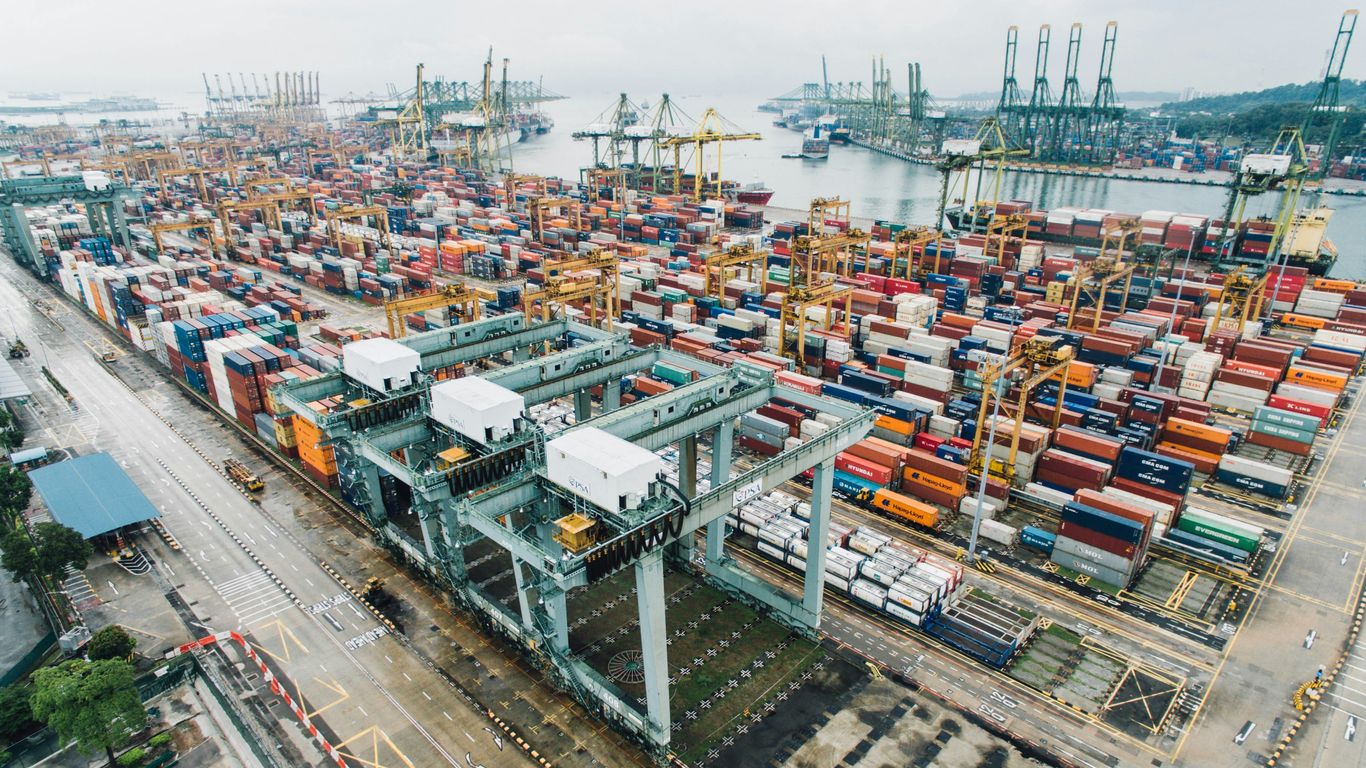
Why Singapore generally requires an import permit rather than a universal licence
An import permit is a transaction-specific authorisation used to declare goods entering Singapore. It is not the same as a standing licence that covers every product a business may bring in. Some goods may fall under exemptions or special procedures, but an importer should confirm the position for each shipment rather than assume that a previous approval applies automatically.
A useful starting point is this Singapore import permit guide, which explains who may apply, when a permit is needed and how additional registrations fit into the process. The permit should reflect the actual shipment, including its classification, value, origin and transport details.
When an importer needs a Customs account and TradeNet access
A business importing commercially will generally need a valid Unique Entity Number and an activated Singapore Customs account. Declarations are submitted through TradeNet, either by the importer or by an appointed declaring agent. Account activation should be completed before a shipment is booked for arrival, because registration problems can become clearance problems.
The importer remains responsible for giving accurate information even when a third party submits the declaration. IMPORT.SG provides customs declaration and trade documentation support within an agreed scope, helping coordinate the information required for filing without replacing Singapore Customs or the relevant authorities.
How controlled and prohibited goods change the approval process
Controlled goods are subject to additional requirements administered by a Competent Authority. Depending on the product, the authority may require a licence, registration, testing, certification, labelling or other supporting evidence. Prohibited goods may not be importable through an ordinary permit route at all.
The safest approach is to confirm the control status before dispatch, not after the cargo has reached the checkpoint. A practical controlled goods guide can help organise the classification, authority, documents and approvals that need to be checked together.
Check whether your goods are controlled
Product classification is the foundation of the import process. A familiar commercial description is not always precise enough for customs purposes, and a small difference in composition, function or packaging can affect the HS code and regulatory treatment. Make the classification decision before preparing the permit rather than trying to correct it during clearance.
Use the HS code to classify your products correctly
The HS code identifies the goods for customs and regulatory purposes. Review the product specification, materials, technical function, brand description and packaging before selecting a code. Where the product is unusual or borderline, retain the reasoning and supporting material used to reach the classification.
Classification also affects duty, GST treatment, permit fields and possible controls. A classification and permit checklist is useful for checking that the code, product description and declaration data tell the same story.
Identify the competent authority for regulated goods
Once the likely HS code is known, check whether the product is controlled and identify the authority responsible for it. Do not rely solely on a supplier’s statement that an item is unrestricted; the Singapore import requirements apply to the goods as presented for entry. Ask the authority or an appropriately qualified adviser to clarify any uncertain requirement.
The authority’s approval may need to be obtained before the TradeNet application, or it may need to be referenced in the declaration. The timing and evidence vary, so keep an approval checklist tied to the specific product and shipment.
Review product-specific rules for food, medicines, chemicals and plants
Food, medicines, chemicals and plants can involve requirements beyond ordinary customs declaration. These may include importer registration, product authorisation, health or safety documentation, labelling rules, permits and inspection arrangements. The relevant agency and evidence depend on the exact goods, not merely the broad industry label.
For food-related applications, businesses should also review the published SFA application steps, including business registration, Customs account activation and any agency-specific payment or login requirements. Product records should be complete before the shipment is released to the carrier.
Set up your importer registration
A clean registration sequence prevents avoidable delays. The business must be identifiable, its UEN must be active, and the party submitting declarations must have the necessary access or authority. Decide early whether declarations will be handled internally or through an agent.

Register the business with the Accounting and Corporate Regulatory Authority
A Singapore business normally begins with registration through the Accounting and Corporate Regulatory Authority. The resulting UEN is used in customs and other government systems. Keep the entity details current, including the registered name and authorised persons, because inconsistent records can complicate applications.
Overseas entities and individuals may face different arrangements depending on the transaction and their role. Confirm eligibility for the intended import route before treating a foreign supplier, local consignee or logistics provider as the importer of record.
Activate a Singapore Customs account
After the UEN is available, activate the Singapore Customs account and arrange the access required for TradeNet. Check that the account is linked to the correct legal entity and that the people authorised to act for the business have suitable credentials. This is administrative work, but it determines whether a permit can be submitted when needed.
The Singapore Customs setup guide brings together registration, UEN activation, permit applications and the choice between self-filing and agent support. Use it alongside current official instructions when setting up the account.
Appoint a declaring agent or manage declarations in-house
An importer can prepare declarations internally or appoint a declaring agent. Internal filing gives the business direct control over data entry, but it requires staff who understand classification, valuation, permit types and supporting documents. An agent can submit on the importer’s instructions, but responsibility for the accuracy of the supplied information still needs to be clearly assigned.
Before appointing an agent, agree how shipment details will be collected, checked, approved and amended. IMPORT.SG acts as a single point of contact for declaration support, document validation and operational coordination, with responsibilities defined within the agreed scope.
Apply for an import permit through TradeNet
TradeNet applications work best when the shipment record is already complete. The declaration should be built from the commercial and transport documents, not from estimates copied from an old shipment. Check the timing carefully because cargo arriving before the required permit is approved may incur storage, delay or additional handling issues.

Prepare the shipment and transaction details
Gather the importer and consignee information, supplier details, transport mode, arrival information, HS code, goods description, quantity, customs value, origin and intended customs procedure. Match the data against the invoice, packing list and bill of lading or air waybill. If the shipment is controlled, include the relevant authority approval or reference as required.
A useful internal sequence is:
- Confirm the importer’s UEN and Customs account.
- Verify the HS code and controlled-goods status.
- Reconcile value, quantity, origin and descriptions across documents.
- Confirm the permit type and any supporting authority approval.
This sequence reduces rework because each permit field has a document or decision behind it. The TradeNet filing guide also covers self-filing, declaring agents and the shipment information needed for permit declarations.
Submit the permit application before the goods arrive
Submit the application early enough for review, correction or referral to a Competent Authority where necessary. The right lead time depends on the product, route and authority, so do not use a single deadline for every shipment. Coordinate the permit status with the freight forwarder and carrier before final delivery arrangements are made.
An approved permit is connected to the declared transaction. If the shipment changes materially, review whether an amendment or a new application is required rather than assuming the original approval remains suitable.
Understand approval outcomes, amendments and rejections
TradeNet applications may be approved, approved with conditions, referred for further review or rejected. Read the outcome and any conditions carefully. A rejection should be treated as an instruction to identify and correct the underlying issue, such as an incorrect code, missing approval, inconsistent value or incomplete field.
Where an amendment is allowed, retain the original and revised information with a clear record of who approved the change. If the goods have already moved, coordinate promptly with the declaring agent, carrier and relevant authority so that the customs record remains accurate.
Prepare the required import documents
Documents should form one coherent shipment file. Customs officers, agents and authorities may compare the invoice, packing list, transport document, permit and supporting approvals. Differences in description, quantity, value or consignee details can create questions even where the goods themselves are lawful.
Commercial invoices, packing lists and bills of lading
The commercial invoice should identify the parties, goods, quantities, prices, currency, delivery terms and transaction details. The packing list should explain how the cargo is packaged, while the bill of lading or air waybill should correspond to the shipment and parties shown elsewhere. Keep the final versions together with the submitted permit.
Purchase orders, contracts and payment records can clarify the commercial basis of a transaction when the invoice alone is not enough. A customs document checklist can help staff review the file before dispatch and retain the records after clearance.
Certificates of origin, licences and supporting approvals
A certificate of origin may be relevant to origin claims or preferential tariff treatment, while a product licence or authority approval may be required for controlled goods. These documents serve different purposes and should not be treated as interchangeable. Confirm whether the document must be issued by a particular body, use a prescribed form or be available before importation.
For preferential treatment, check the applicable agreement and origin rules rather than assuming that the supplier’s country is sufficient. The evidence should support both the origin claim and the goods described on the permit and invoice.
Additional documents for controlled or preferential goods
Controlled shipments may need technical specifications, test reports, registrations, authorisations, safety information or labelling evidence. Preferential shipments may require origin declarations or certificates in the prescribed format. The exact list depends on the product and route, so build the file around the applicable authority and customs procedure.
IMPORT.SG supports trade documentation and coordinates permit and document information within an agreed scope. That coordination can be particularly useful when several parties hold different parts of the shipment record, but the importer should still verify the final submission.
Budget for duties, GST and other import costs
The landed cost is more than the supplier’s price and freight charge. Duty, import GST, permits, handling, inspections, storage and agent services may all affect the final figure. Estimate these costs before committing to a delivery schedule, especially where the product is dutiable or controlled.
How customs duty applies to different product categories
Customs duty is determined by the goods and their classification. Not every product category is dutiable, but dutiable goods can attract duty in addition to GST. Confirm the current tariff treatment for the selected HS code and consider whether an exemption, relief or special customs procedure applies.
Do not choose an HS code because it produces a lower estimate. The classification must describe the goods accurately, and any duty calculation should be based on the same code used in the permit.
Calculating import GST and determining the taxable value
Import GST is generally calculated using the taxable value determined under the applicable customs rules. Depending on the transaction, this may take account of the customs value, duty and relevant costs such as insurance or freight. Confirm the current rate and valuation method for the shipment rather than relying on a previous import.
The permit and GST guidance is a helpful reference for estimating GST, duty exemptions, fees and post-approval records. Keep the calculation behind the declaration so that the figure can be explained later.
Factoring in permit, handling, inspection and agent fees
Add permit charges, declaring-agent fees, terminal or handling charges, inspection costs, storage and possible demurrage to the landed-cost estimate. These amounts may be charged by different parties and may depend on timing or the condition of the documents. A written cost schedule makes the assumptions visible to procurement and finance teams.
For businesses comparing operational systems, unrelated decisions such as whether Shopify fits a service business should remain separate from customs budgeting; an e-commerce platform does not determine the customs obligations for an imported shipment. Keeping those decisions distinct prevents technology or sales assumptions from obscuring the actual import costs.
Stay compliant after the import permit is approved
Approval is not the end of the importer’s responsibility. The business should retain the evidence behind the declaration, monitor what was actually received and resolve discrepancies promptly. Good post-clearance discipline also makes future shipments easier because the organisation has a reliable record of prior classifications and procedures.
Keep accurate records for the required retention period
Keep permits, invoices, packing lists, transport documents, origin evidence, authority approvals, payment records and correspondence together for the required retention period. The records should be retrievable by shipment and linked to the declaration number. A documented retention process is safer than relying on individual inboxes or paper files.
The compliance records archive provides a useful framework for organising customs documents, permit applications, classification evidence and controlled-goods records. Review retention requirements periodically, particularly when the business changes systems or appoints a new agent.
Handle inspections, audits and post-clearance checks
An inspection or audit may require the importer to explain the goods, value, classification, origin and supporting approvals. Respond with the complete shipment file and identify any uncertainty rather than offering an unsupported answer. If a discrepancy is found, assess whether a correction, supplementary declaration or other action is required.
Carriers and authorities control their own processes and outcomes. The importer’s role is to provide accurate information, maintain records and coordinate responses within the applicable deadlines.
Avoid common mistakes such as incorrect classification or undervaluation
The most persistent errors are often basic: an incorrect HS code, vague product description, undervalued goods, inconsistent quantities or a permit submitted too late. Prevent them by using the same controlled product master data across purchasing, logistics, finance and customs workflows.
A short pre-dispatch review should ask whether the goods match the invoice, whether the declared value is supportable, whether any authority approval is current and whether the transport details are final. IMPORT.SG can coordinate document intake, validation and declaration support within an agreed scope, helping teams keep ownership and outstanding actions visible.
Request Import Support
If a shipment has incomplete documents, controlled goods or a tight dispatch deadline, contact IMPORT.SG with the shipment details, permit status and available records. The team can assess the agreed scope and provide a coordinated commercial proposal for declaration support and trade documentation.
Conclusion
Singapore import compliance is best managed as a connected workflow: classify the goods, confirm controls, register the importer, submit an accurate TradeNet permit, retain the evidence and respond carefully to any follow-up. A clear allocation of responsibility keeps the process practical while leaving statutory decisions with Singapore Customs and the relevant Competent Authorities.
Frequently Asked Questions
Do all goods entering Singapore need an import permit?
Most commercial imports must be declared, although specific exemptions and special procedures may apply. Check the goods, transaction and customs route before shipment.
Is an import permit the same as an import licence?
Not always. Singapore commonly uses transaction-specific import permits, while controlled products may also require a licence, registration or approval from a Competent Authority.
Can an overseas company import goods into Singapore?
The permitted arrangement depends on the entity, importer of record, goods and customs procedure. Confirm the eligibility and registration requirements before arranging the shipment.
What is TradeNet used for?
TradeNet is used to submit customs permit declarations and related information electronically. The importer may file directly or use a declaring agent.
How do I know whether goods are controlled?
Classify the goods using the correct HS code, then check the relevant controlled-goods information and Competent Authority requirements for that product.
What documents should an importer keep?
Keep the permit, commercial invoice, packing list, bill of lading or air waybill, origin documents, approvals, payment records and correspondence supporting the declaration.
What happens if a permit application is rejected?
Review the rejection reason, correct the relevant data or obtain missing support, and resubmit or amend the application where permitted. Do not rely on an approval that does not match the actual shipment.