Customs Permits
Free Trade Zone Singapore: How FTZ Cargo and Customs Controls Work
Key Takeaways
Singapore’s free trade zone framework supports efficient international cargo movement, but it does not remove customs control. The commercial benefit depends on accurate records, permits and clear responsibility at every handover.
- Goods can be stored, consolidated or transhipped under controlled conditions.
- Duties and GST are generally addressed when goods enter Singapore’s customs territory.
- Seaport and airport FTZ operations have different handling patterns and risks.
- Declarations, manifests, permits and inventory records must remain consistent.
- Importers should agree responsibilities with carriers, forwarders and FTZ operators before cargo arrives.
What a free trade zone means in Singapore
A free trade zone in Singapore is a designated area where imported goods may be held for transhipment, re-export or other permitted handling without being treated as entering the domestic customs territory immediately. The arrangement is designed for international trade, not for avoiding regulation. Singapore Customs requirements continue to apply, and the operator must be able to account for the cargo throughout its time in the zone.
How Singapore’s FTZ regime differs from a customs-free area
An FTZ is not a place where laws cease to apply. It is better understood as a controlled customs arrangement that separates certain cargo movements from immediate domestic import treatment. Goods may receive logistical treatment within the permitted scope, but their status, location and intended destination still need to be recorded.
The distinction matters because businesses sometimes assume that “free” means unrestricted. It does not. Prohibitions, controls, safety requirements, carrier procedures and customs declarations can still affect the shipment, even when duty or GST is not immediately payable.
The role of Singapore Customs and FTZ operators
Singapore Customs administers the customs framework, while approved FTZ operators manage the physical facilities and operational controls within their agreed responsibilities. Carriers, freight forwarders, declaring agents, consignees and transport operators each contribute information or handling actions. No single party should assume that another party has checked every detail.
For a shipment requiring declaration support, an importer may appoint Customs Permit Declaration assistance to organise information for submission. That support does not replace Singapore Customs or a Competent Authority; it helps keep the agreed documentation and coordination work clearly assigned.
Which duties and taxes can be suspended
The principal commercial effect is that customs duty and import GST may be suspended while eligible goods remain in the FTZ and are not released into Singapore for local use. The precise treatment depends on the goods, their status, the movement being made and the applicable declaration requirements. Businesses should confirm the treatment before shipment rather than relying on the zone label alone.
This can help a regional distributor hold cargo temporarily while deciding whether it will be re-exported or delivered locally. It can also reduce unnecessary cash-flow pressure on goods that are passing through Singapore, although suspension is not the same as permanent exemption in every scenario.
Why goods remain under customs control
Customs control protects the distinction between transit cargo and goods entering the domestic market. It also allows authorities and operators to reconcile what arrived, what was moved, what was released and what remains in storage. Accurate cargo status is therefore an operational requirement, not merely an administrative preference.
A useful general principle is simple: the zone changes when certain liabilities arise, but it does not erase the audit trail. If the intended route changes, the records and declarations should be reviewed before the cargo is moved.
Where Singapore’s free trade zones operate
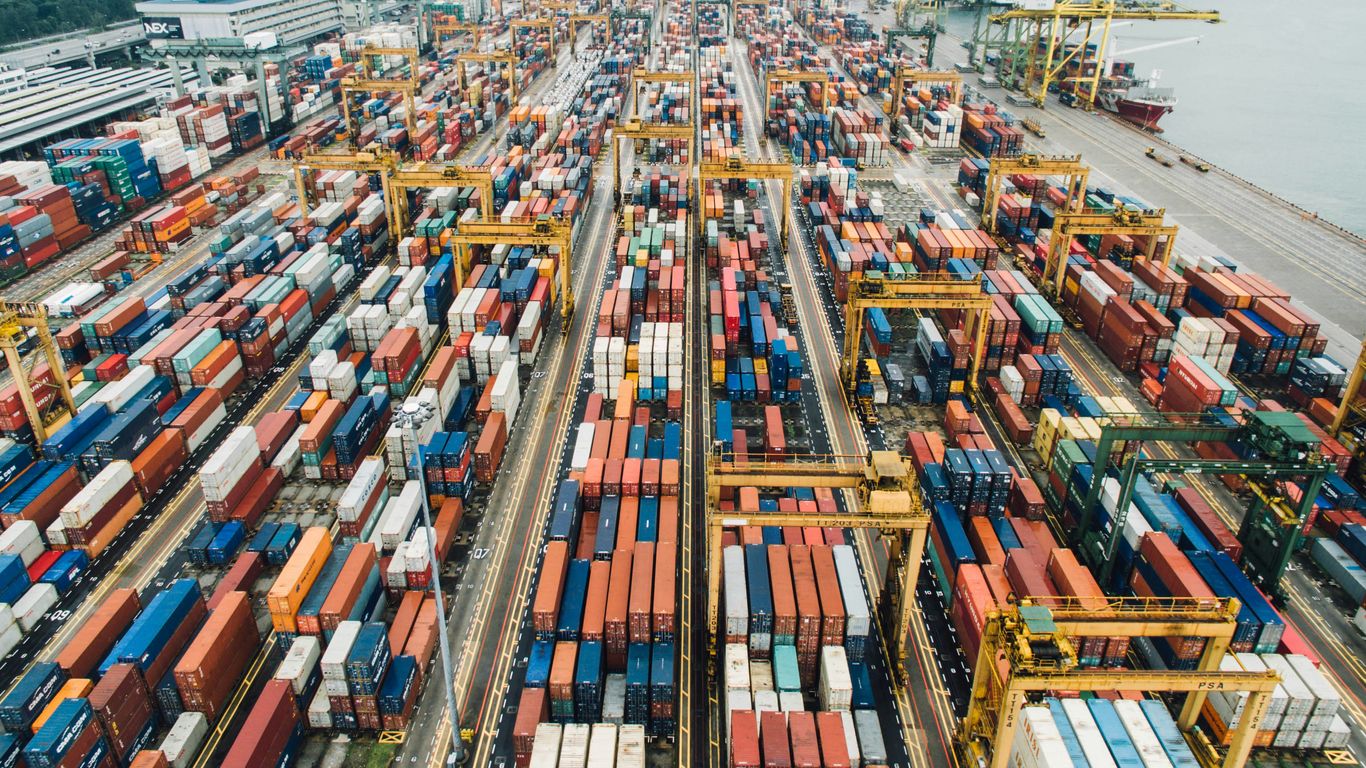
Singapore’s FTZ facilities are associated mainly with its seaports and air-cargo operations at Changi Airport. Their location supports rapid transfer between international transport modes, but it also shapes how cargo is received, stored, inspected and released. A port shipment and an air shipment may follow similar customs principles while having quite different cut-off times and handling processes.
FTZ facilities at Singapore’s seaports
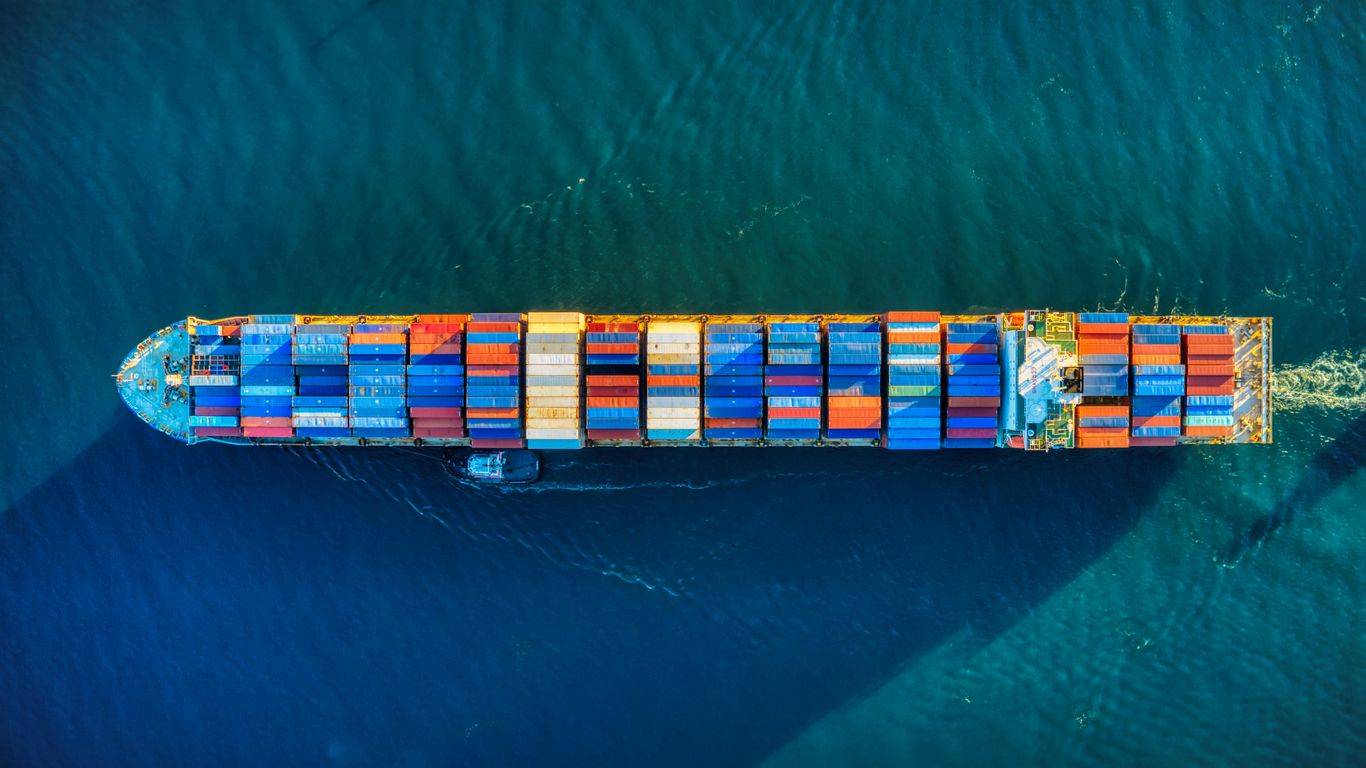
Seaport FTZ operations handle containerised, break-bulk and other maritime cargo moving through Singapore. The port setting is suited to transhipment between vessels and to temporary holding before onward movement. Container status, discharge information, movement instructions and terminal procedures all affect whether the cargo can be located and released efficiently.
Sea freight parties should align the bill of lading, commercial invoice, packing list and permit information before arrival. A practical sea freight documentation guide can help teams clarify the roles of shippers, consignees and freight forwarders when several parties are involved.
Air cargo operations at Changi Airport
Air-cargo FTZ activity is typically more time-sensitive because flights have tighter schedules and cargo may be consolidated or transferred quickly. Air waybills, handling instructions, screening requirements and arrival notifications need to match the shipment details used for customs purposes. A discrepancy that might be corrected before a vessel connection can be more disruptive when the next flight is close.
Businesses can compare the practical stages of air freight forwarding when planning collection, documentation, customs coordination and final delivery. The correct transport document remains central even when the cargo is not intended for local consumption.
Port, airport and logistics-provider responsibilities
The facility operator controls access, receipts, storage locations and certain release steps within its operating system. The carrier supplies transport and manifest information, while the forwarder or declaring agent may coordinate documents and permits. The cargo owner remains responsible for providing truthful, complete commercial information and for confirming the intended movement.
Responsibilities should be written into operating instructions. This is especially useful where one provider books transport, another submits permits and a third party physically collects the goods.
How the location affects cargo handling and release
A shipment’s location affects cut-off times, available transport links, inspection arrangements and the sequence of handovers. Port cargo may wait for a vessel connection or container movement, while air cargo may need a rapid decision on release or onward uplift. The customs treatment does not remove these physical constraints.
Planning should therefore combine customs readiness with transport timing. The fastest declaration is of limited value if the carrier, terminal or warehouse does not have matching instructions.
How cargo moves through an FTZ
Cargo generally enters an FTZ as part of a documented arrival, transhipment or storage movement. Each stage creates a point at which the physical cargo must be matched to its electronic and commercial records. The process is orderly when the parties agree in advance who will provide the information, who will lodge permits and who will authorise the next movement.
Arrival, unloading and receipt into the zone
On arrival, the carrier or handling party provides the relevant manifest and transport details. Cargo is unloaded under the applicable terminal or airport procedures and received into the FTZ system. The receipt should identify the shipment clearly enough for later reconciliation, including packages, marks, quantities and references where applicable.
A mismatch at receipt can follow the cargo through every later step. It is better to resolve an incorrect quantity or document reference before consolidation, transfer or release begins.
Transhipment between vessels, aircraft and transport modes
Transhipment involves moving goods through Singapore without placing them into local consumption. The shipment may transfer from vessel to vessel, aircraft to aircraft, or between sea, air and land transport as part of an onward route. The permitted movement and the supporting declaration must reflect what is actually happening.
Teams should confirm the next carrier, destination, expected connection and handover point. If the route changes, the relevant party should check whether a new or amended permit, manifest detail or operator instruction is required.
Temporary storage, consolidation and deconsolidation
FTZ storage can give an importer or forwarder time to coordinate onward transport, combine cargo or separate a consolidated shipment. Consolidation joins compatible consignments for transport, while deconsolidation separates them for their respective destinations. Neither activity should make the inventory trail less precise.
The following checks are especially useful before cargo is consolidated or deconsolidated:
- Match package counts and marks against the transport documents.
- Confirm each consignee, destination and intended customs treatment.
- Record shortages, damage or overages at the point of handling.
- Preserve references linking house and master shipment records.
These checks create a usable handover record. They also make it easier to identify whether a discrepancy arose during arrival, storage, unpacking or onward delivery.
Removing goods from the FTZ for local use or re-export
Goods leaving the FTZ for local use normally require the appropriate import treatment before they enter Singapore’s customs territory. Goods leaving for re-export follow a different path, but they still need accurate evidence of the onward movement. The operator and the party arranging removal should agree which authorisations and records must be complete first.
A truck collection alone does not prove that the customs movement is complete. Release instructions, permit status, delivery details and inventory records should tell the same story.
Customs controls and required declarations
Customs declarations translate a physical shipment into a legally recognisable movement. They normally rely on consistent information about the goods, value, origin, quantity, transport route and parties involved. Singapore uses TradeNet for many permit applications, so preparation before arrival can prevent avoidable holds.
When import, export and transhipment permits are needed
The permit requirement depends on the movement and the goods, not simply on whether duty is payable. Imports, exports and transhipments can have different permit types and conditions, and controlled goods may require approvals from the relevant Competent Authority. The cargo clearance permit guidance provides a useful starting point for distinguishing these movements.
Businesses should check the requirement before dispatch. A shipment can be duty-exempt and still require a permit or supporting declaration.
Cargo records, manifests and supporting documents
The core record set commonly includes a commercial invoice, packing list and bill of lading or air waybill, together with permits and other documents required for the goods. The description, quantity, value and references should be consistent across the set. Where origin matters, a Certificate of Origin should only be pursued when the shipment and applicable requirements genuinely call for it; the linked page is a general project guide, not a customs authority source.
The most useful question is not whether a document exists, but whether the documents describe the same consignment. Differences in weights, package counts or product descriptions can delay review and complicate later reconciliation.
Physical inspections, seals and inventory controls
Singapore Customs or other authorised parties may require examination, while carriers and operators apply their own security and handling controls. Seals, container numbers, package marks and storage movements help preserve cargo identity. An inspection should be recorded with enough detail to explain what was checked and whether the cargo condition changed.
Inventory controls are particularly important when cargo is split, repacked or transferred. A clear movement log can show the relationship between the original arrival and each subsequent package or consignment.
Handling controlled, dutiable and prohibited goods
Controlled goods may require product-specific permits, licences, testing, certification or other approval before movement. Dutiable goods require correct classification and valuation so that the liability can be determined when the goods enter the domestic customs territory. Prohibited goods cannot be treated as ordinary FTZ cargo simply because they are physically inside a designated area.
Before dispatch, businesses should confirm the product category, HS code, Competent Authority and required documents. The practical controlled-goods planning resource can help teams organise those checks, while the final determination remains subject to the applicable authorities and rules.
Duties, GST and the customs territory
An FTZ is most useful when the business understands the boundary between goods passing through Singapore and goods entering Singapore. Duty and GST treatment follows that boundary, together with the classification, value and status of the consignment. The calculation should be planned before release, not improvised at the terminal.
When import GST and customs duty become payable
Import GST and customs duty generally become relevant when goods are removed from the FTZ into Singapore for local use or consumption. Whether duty applies depends on the goods and their tariff classification, while GST is assessed under the applicable import rules and declared value. The party arranging local entry should confirm the payment and permit steps before collection.
A customs duty and GST guide can help importers review HS codes, CIF value and supporting documents. It should be used alongside current official requirements and shipment-specific advice.
Treatment of re-exports and goods in transit
Goods that remain in transit or are re-exported without entering local consumption may avoid immediate import duty and GST, subject to the relevant procedures and evidence. The business must still show that the goods followed the declared route. An onward bill of lading, export documentation, terminal record or other required evidence may be needed for reconciliation.
The commercial benefit is therefore tied to the integrity of the movement record. If the cargo is diverted for local delivery, its tax and permit treatment should be reconsidered promptly.
Moving goods from an FTZ into Singapore
When cargo is released for local use, the importer or appointed declaring agent must complete the required import declaration and settle the applicable liability. The delivery order, permit, invoice, packing list and inventory record should identify the same goods. Release should occur only after the relevant customs conditions have been met.
This is where a temporary logistics decision becomes a domestic import. The responsible party should have a documented approval point rather than relying on an informal instruction from a warehouse or driver.
Calculating liability for mixed or processed consignments
Mixed consignments may contain goods with different classifications, rates, origins or intended destinations. If goods have been repacked, combined or otherwise handled, the records must still support a defensible account of what is being entered locally and what is being re-exported. Processing arrangements should be checked carefully because the treatment depends on the activity and applicable rules.
A simple planning table can help separate the operational questions before a declaration is prepared:
| Cargo category | Intended movement | Main review point | Typical supporting record |
|---|---|---|---|
| Re-export cargo | Onward international shipment | Proof of departure and route | Transport and export records |
| Local-delivery cargo | Entry into Singapore | Duty, GST and permit status | Import permit and commercial documents |
| Controlled cargo | Movement subject to approval | Competent Authority requirements | Licence, approval or certificate |
| Split consignment | Mixed local and onward destinations | Package-level reconciliation | Packing and inventory records |
The table is a planning aid rather than a substitute for classification or customs advice. It helps the team identify which records must be ready before the goods are separated or released.
Compliance risks and operational responsibilities
Most FTZ problems arise at the joins between systems and organisations. A carrier may hold one description, a warehouse another and a declaration a third. The cargo can then be physically present but difficult to release because no party has a complete, consistent account of it.
Common errors in cargo declarations and permit details
Frequent errors include incorrect HS codes, inconsistent quantities, wrong transport references, incomplete goods descriptions and a mismatch between the consignee and the permit party. A declaration may also fail to reflect that the shipment is controlled or that its route has changed. These are preventable issues when documents are reviewed together rather than one at a time.
A structured customs declaration checklist can help teams verify classification, documents, permits and duty or GST calculations before submission. The checklist supports preparation; it does not change the legal responsibility for the declaration.
Meeting storage, handover and record-keeping requirements
The operator needs reliable instructions for receiving, locating, moving and releasing cargo. The forwarder and cargo owner need records that show who authorised each step and which document supported it. Retaining transport documents, permits, invoices, packing lists, inspection notes and movement records creates an audit-ready file.
Responsibilities should cover routine and exceptional events. For example, the procedure should say who is contacted when a connection is missed, a package is short or a seal is broken.
Managing discrepancies, damaged goods and unaccounted cargo
A discrepancy should be reported when it is found, with the cargo held or isolated where necessary until the next action is agreed. Damage should be recorded with photographs or inspection notes when appropriate, and the relevant carrier or operator should be notified. Unaccounted cargo is more serious because it may indicate a breakdown in custody or inventory control.
Do not quietly adjust a record to make the numbers balance. The original information, the observed condition and the corrective action should remain traceable.
Consequences of unauthorised removal or non-compliance
Unauthorised removal can expose the responsible parties to customs action, additional duty or GST, penalties, shipment delays and commercial disputes. The exact consequence depends on the breach, the goods, the evidence and the applicable law. A business may also lose confidence in its inventory and release controls.
Prevention is usually less disruptive than correction. If there is uncertainty about a movement, the cargo should remain within the agreed control process while the responsible party obtains clarification.
Using a Singapore FTZ for international trade
An FTZ can suit a business that needs Singapore as a regional transfer, staging or re-export point. It is less compelling where goods are intended for immediate local delivery and the additional handling creates no practical benefit. The decision should consider route, storage period, cargo type, service deadlines, documentation effort and the cost of each handover.
When an FTZ is suitable for importers and exporters
An FTZ is often suitable for cargo that will be re-exported, consolidated with another movement or held briefly while onward transport is arranged. It may also suit companies serving several regional destinations from one hub. The expected benefit should be measured against storage, handling, permit and coordination costs.
Businesses arranging several transport modes may also review international freight forwarding services when comparing origin handling, export clearance, transit and destination delivery. The correct choice depends on the shipment rather than on the FTZ label alone.
Comparing FTZ storage with ordinary bonded facilities
Both arrangements can involve controlled storage, but their legal treatment, permitted activities, operator obligations and release procedures are not interchangeable. An FTZ is closely associated with international cargo movements and customs-territory treatment. A bonded facility may serve a different purpose under separate authorisations.
Ask the operator to explain the facility’s approval, permitted handling, inventory process, release route and charge structure. A comparison based only on the word “bonded” can conceal important differences.
A sample shipment from arrival to final delivery
Consider a consignment arriving by sea for onward delivery to another country. The carrier submits arrival information, the operator receives the cargo into the FTZ, and the forwarder checks the transport documents against the intended onward movement. The goods are then held until the connecting vessel is ready, with the inventory and handover records maintained throughout.
If instead the buyer decides to deliver part of the consignment in Singapore, that portion must be identified and handled under the relevant import process. The remaining packages retain their onward movement only if the records continue to support that distinction.
Questions to ask a freight forwarder or FTZ operator
Before appointing a provider, ask practical questions about custody, documentation and escalation. The answers should identify the person or team responsible for each step, rather than simply naming a general service.
Useful questions include:
- Which party submits each import, export or transhipment permit?
- How are cargo receipts, package splits and discrepancies recorded?
- What documents are required before local release or re-export?
- Who handles controlled-goods checks and approval follow-up?
- How are missed connections, damage and urgent changes escalated?
Clear answers make the operating model easier to test before cargo arrives. They also reduce the risk that a time-sensitive task sits between the warehouse, carrier and declaring agent.
A documented workflow is particularly valuable where several vendors are involved. IMPORT.SG provides trade coordination support for customs, permit declarations and documentation workflows within an agreed scope, helping businesses organise information without suggesting control over decisions made by Singapore Customs, carriers or other authorities.
Conclusion
Singapore’s free trade zones facilitate international cargo movement by allowing eligible goods to be stored and transhipped under customs control before local entry or re-export. Their value depends on disciplined declarations, reliable inventory records and clear ownership of every handover. Businesses that plan the customs treatment alongside the physical route are better placed to avoid delays, unexpected liability and unexplained discrepancies.
Frequently Asked Questions
What is a free trade zone in Singapore?
It is a designated area where eligible goods can be held, handled or transhipped under customs control without immediate treatment as goods entering Singapore for local use.
Are goods in an FTZ outside Singapore’s laws?
No. Customs rules, controls, prohibitions, carrier requirements and other applicable laws continue to apply while goods are in the zone.
Do goods in an FTZ always avoid duty and GST?
Not always. Duty and GST treatment depends on the goods, their classification, their movement and whether they are released into Singapore’s customs territory.
Is a permit required for transhipment cargo?
A permit may be required depending on the movement, the goods and the applicable procedures. The requirement should be confirmed before dispatch or arrival.
Can goods in an FTZ be stored temporarily?
Yes, eligible cargo may be held temporarily under the operator’s procedures, provided its identity, status and movement remain properly recorded.
What happens when goods leave an FTZ for local delivery?
The goods generally need the applicable import declaration and must have any required duty, GST, approvals and release conditions addressed before entering local use.
Who is responsible for FTZ compliance?
Responsibility is shared according to the movement and the parties’ roles. The importer, exporter, carrier, forwarder, declaring agent and FTZ operator should agree who supplies information, submits declarations, controls the cargo and keeps records.
Request A Trade Quote
Share the shipment details, timing and available documents with IMPORT.SG to discuss customs declaration, trade documentation and coordination support within an agreed scope.