Classification
Singapore Customs Prohibited and Controlled Items: Business Guide
Key Takeaways
Singapore’s customs rules distinguish goods that are prohibited from goods that may enter or leave only with approval. A careful review before dispatch is usually far easier than correcting a declaration after a shipment is held.
- Confirm whether the goods are prohibited, controlled, dutiable or unrestricted.
- Review composition, intended use, destination and transport route before shipping.
- Identify the correct Competent Authority and permit requirements early.
- Keep invoices, packing lists, technical records and approvals consistent.
- Escalate uncertain classifications before cargo is packed or dispatched.
1. Understand Singapore’s prohibited and controlled goods framework
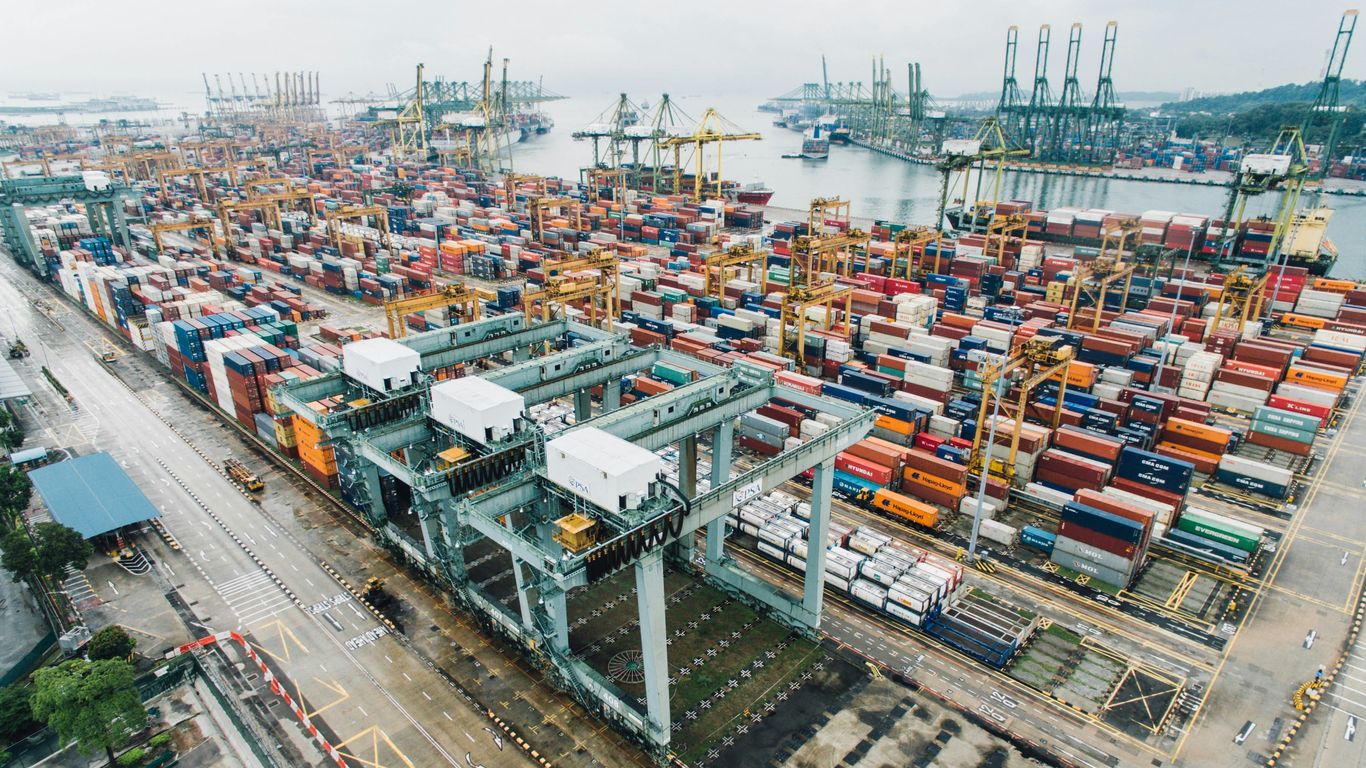
Singapore’s customs framework is built around the nature of the goods and the transaction. Some goods cannot be imported at all, while controlled goods may be permitted when the required authorisation is obtained. Dutiable goods are a separate issue: they may be lawful to import but can attract duty and GST. For businesses, the phrase singapore customs prohibited items should therefore be treated as the start of a screening process, not as a substitute for checking the exact product.
How prohibited items differ from controlled and dutiable goods
Prohibited goods are not permitted to enter Singapore under the applicable rules. Controlled goods can require an import permit, licence, certificate or other approval from a Competent Authority. Dutiable goods, including certain liquor, tobacco, motor vehicle and petroleum products, may be imported subject to customs duty and GST. A single shipment can also involve more than one category, so classification and duty treatment should be checked separately.
Why the product’s composition, use and destination matter
A product name alone rarely gives enough information. Ingredients, materials, concentration, technical specifications, intended application and the final destination can affect the regulatory treatment. The same broad product description may cover an ordinary consumer item, a controlled chemical or a strategically sensitive article. Export controls and end-user restrictions may also apply even when the goods are not prohibited in Singapore.
The role of Singapore Customs and other regulatory agencies
Singapore Customs administers customs procedures, declarations, duties and GST, but it is not the only authority involved in border controls. Depending on the goods, the relevant agency may include the Singapore Food Agency, Health Sciences Authority, National Parks Board or National Environment Agency. Businesses should identify the authority responsible for the product before preparing the permit rather than assuming that a customs filing alone is sufficient. The controlled goods archive provides a useful starting point for reviewing categories, documents and approvals.
Import, export, transhipment and re-export considerations
The route matters. An import into Singapore, an export from Singapore, a transhipment between conveyances and a re-export after temporary storage can involve different declarations and conditions. Free trade zones do not remove every regulatory obligation, particularly where controlled, strategic or prohibited goods are concerned. Check the movement type, parties responsible for the declaration and any required permit before the cargo reaches the terminal.
2. Identify common categories of Singapore Customs prohibited items
The prohibited-goods list is not a practical substitute for product-specific advice, because descriptions and rules can change. Nevertheless, several categories regularly require close attention from importers, exporters and freight operators. Screening should cover the goods themselves, their packaging, supporting media and any accessories shipped with them.
Weapons, ammunition and dangerous articles
Firearms, ammunition, explosives and other dangerous articles can be prohibited or tightly controlled. The same concern may extend to imitation weapons, weapon components, certain knives and devices capable of causing harm. A technical or theatrical purpose does not automatically remove the regulatory issue. Obtain written confirmation of the applicable authorisation before accepting such cargo.
Drugs, medicinal products and psychoactive substances
Controlled drugs and psychotropic substances are subject to strict controls, and unauthorised importation can carry severe consequences. Medicinal products may also need review even when they are intended for legitimate treatment, particularly where they contain scheduled substances or are supplied commercially. Product labels, active ingredients, dosage form, quantity and consignee details should be available for assessment before shipping.
Obscene, counterfeit and infringing goods
Obscene materials, counterfeit goods and reproductions that infringe intellectual property rights can be detained or refused. This issue is not limited to physical media; software, printed material, promotional content and branded merchandise may also require scrutiny. A supplier invoice is not proof that the goods are authentic or lawfully licensed, so businesses should retain evidence of sourcing and distribution rights.
Wildlife, endangered species and protected materials
Animals, plants, wildlife products and protected materials may fall under conservation and biosecurity controls. Items such as skins, shells, timber, specimens, seeds and food products can require permits, certificates or restrictions linked to their source country. Describing these goods merely as gifts or samples does not remove the need to verify the relevant requirements.
Other restricted goods subject to specific prohibitions
Other examples may include chewing gum, imitation tobacco products, certain media and materials considered harmful to public safety or public order. The treatment of food, personal medication and consumer goods can also vary according to quantity, ingredients and purpose. A current prohibited goods reference can help with an initial check, but commercial shipments should still be reviewed against the applicable authority’s requirements.
3. Assess controlled goods before shipping
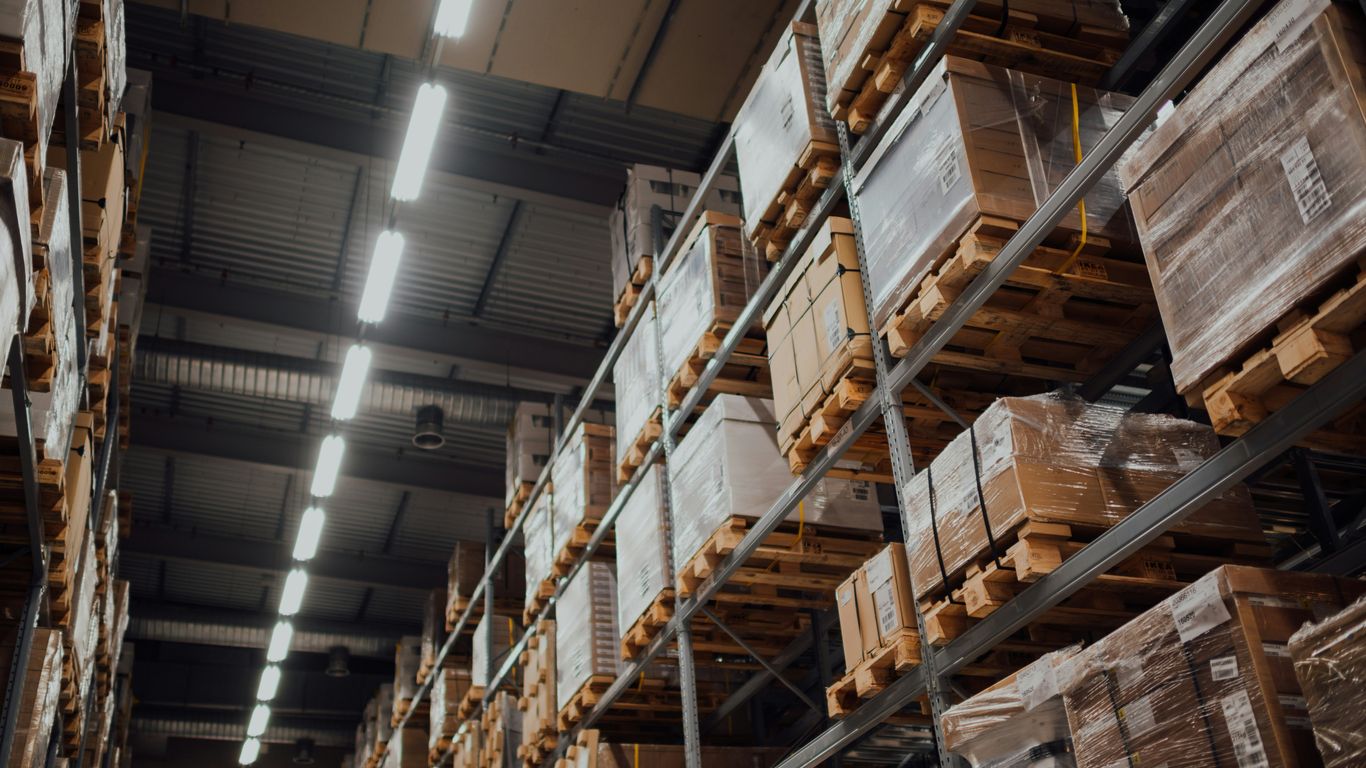
Controlled goods are not necessarily forbidden, but they should not be treated as ordinary cargo. A business needs to establish which authority regulates the goods, what approval is needed and whether the approval must be obtained before the consignment is shipped. Early screening also gives the logistics team time to resolve labelling, packaging and inspection requirements.
Food, plants, animals and agricultural products
Food, plants, animals and related products can raise food-safety, animal-health and biosecurity concerns. Requirements may differ according to the product, processing method, quantity, source country and intended use. Commercial food shipments should be checked with the Singapore Food Agency, while plants, animals and related materials may involve the National Parks Board. The approved food products list illustrates why both product type and source country matter.
Pharmaceuticals, medical devices and health products
Medicines, medical devices and health products should be reviewed by reference to their ingredients, claims, intended use and supply chain. A product sold as a wellness item may still require regulatory assessment if it contains scheduled poisons or makes therapeutic claims. Keep the label, technical file, manufacturer details and intended market available for the relevant authority.
Telecommunications equipment, batteries and hazardous materials
Telecommunications and radio equipment can require approval or registration, particularly where the device transmits, receives or operates on regulated frequencies. Batteries and hazardous materials create additional transport and packaging concerns, including classification, safety data and carrier acceptance. Customs clearance does not replace obligations imposed by dangerous-goods or product-safety rules.

A practical pre-shipment review should ask whether the item is powered, transmits a signal, contains a battery or presents a chemical hazard. The controlled goods shipping guide is useful for separating product controls from strategic-goods questions. That distinction helps the team send the right documents to the right reviewer.
Chemicals, petroleum products and industrial goods
Chemicals and industrial products should be assessed using their composition, concentration, safety data and intended application. Petroleum products may also be dutiable, controlled or subject to storage and transport rules. Technical names should be used in the commercial paperwork rather than relying on informal trade names that conceal the actual substance.
Tobacco, alcohol and other regulated consumer products
Tobacco and alcohol can involve both customs duty and product-specific controls. Electronic cigarettes and imitation tobacco products may be prohibited, while other goods may require declaration, licensing or evidence of compliance. Businesses should separate duty calculations from permission checks; paying GST or duty does not make a prohibited product acceptable.
4. Find the right permit and competent authority
Permit planning begins with a reliable description of the goods and the movement. It is not enough to ask a carrier whether it can accept a parcel, because carrier acceptance is not the same as regulatory authorisation. A useful workflow connects the product record, HS code, authority approval, customs declaration and transport booking.

When an import, export or transhipment permit may be required
A permit may be required for commercial imports, exports, transhipments and controlled goods, subject to the applicable rules and exemptions. The responsible party should be identified before submission, especially where an overseas seller, local importer and declaring agent are all involved. Review the movement type and permit validity against the actual shipment rather than reusing an old application without checking its scope.
Matching products to the relevant licensing agency
The Competent Authority depends on the goods, not on the identity of the freight forwarder. Food may involve the Singapore Food Agency; medicines and health products may involve the Health Sciences Authority; plants and animals may involve the National Parks Board; and radiation-related equipment may involve the National Environment Agency. A customs permit declaration service can support coordination of the information, but the relevant authority remains responsible for its own approval.
Checking HS codes, product descriptions and technical specifications
HS codes influence duty, GST, permit screening and the information expected in a declaration. The code should be considered alongside a clear product description, model number, material, function and country of origin. Avoid copying a code from a similar shipment unless the product specifications have genuinely been compared.
Confirming whether licences, certificates or inspections apply
Approval may take the form of a licence, certificate, registration, inspection or written authorisation. Some controls attach to the product, while others attach to the importer, end user, source country or intended use. A permit application guide can help teams prepare prerequisites, monitor submissions and handle amendments, but it should not replace a product-specific regulatory check.
Using customs brokers, freight forwarders and trade platforms
A declaring agent or customs broker can help prepare and submit information, while a freight forwarder coordinates transport and cargo handling. Neither role removes the importer’s responsibility to provide accurate product data and supporting documents. TradeNet submissions should be checked against the invoice, packing list and transport documents before the shipment is released to the carrier.
5. Build a compliant import and export process
A repeatable process reduces the chance that a time-sensitive shipment depends on one person’s memory. The process should begin when the product is selected and continue through declaration, inspection, delivery and record retention. IMPORT.SG describes this kind of end-to-end preparation, including registration, classification, permits and consistent commercial documentation.
Gathering product, supplier and consignee documentation
Start with the documents that explain what the goods are and who is involved. Request the commercial invoice, packing list, bill of lading or air waybill, product literature, certificates and any authority approval. Supplier-provided descriptions should be compared with the actual packing configuration and the consignee’s intended use.
Declaring goods accurately in customs documentation
A declaration should state the goods accurately, including quantity, value, origin, HS code and movement type. Vague descriptions such as “parts”, “samples” or “equipment” make it harder to assess the shipment and can trigger queries. Accurate descriptions protect timelines because they give customs and other reviewers a coherent basis for checking the cargo.
Verifying labelling, packaging and country-of-origin requirements
Labels and packaging should match the declared product and comply with any applicable safety, food, pharmaceutical or dangerous-goods requirements. Check country-of-origin statements, marks, batch information, expiry dates and handling instructions where relevant. Inconsistency between the carton and the paperwork can create a problem even when the underlying goods are lawful.
Coordinating permits with shipping and warehouse timelines
Approvals should be planned against production, packing, booking, cut-off and warehouse dates. A permit that is technically valid but arrives after the cargo misses its vessel or flight does not solve the operational problem. Build time for authority queries, amendments, inspections and possible re-packing into the schedule.
A simple internal sequence can keep ownership clear:
- classify the product and identify possible controls;
- collect technical and commercial supporting documents;
- confirm the responsible Competent Authority;
- submit or review the customs permit before dispatch;
- reconcile the approved information with the final cargo.
This sequence works best when each step has a named owner and a recorded status. It also makes exceptions visible before they become terminal or warehouse delays.
Retaining records for audits and regulatory checks
Keep permits, declarations, invoices, packing lists, correspondence, certificates and amendments for the period required by the relevant rules and internal policy. Records should be searchable by shipment, product and consignee. A consistent file also helps explain why a classification or authority decision was made when staff, suppliers or routes change.
6. Manage higher-risk shipments and business scenarios
Not every difficult shipment is large. A small parcel can contain a controlled medicine, a restricted device or an item with incomplete origin information. Higher-risk scenarios require the same discipline as containerised freight, with additional attention to speed, fragmented data and the temptation to use informal descriptions.
E-commerce parcels, samples and promotional products
E-commerce sellers should not assume that low value, free distribution or direct-to-consumer delivery removes customs controls. Samples and promotional products still need an accurate description, value and purpose. Product catalogues should be screened before listings go live, particularly where batteries, health claims, food, plants or branded goods are involved.
Temporary imports, exhibitions and returned goods
Goods entering for an exhibition, repair, testing or demonstration may qualify for temporary arrangements, but the conditions must be established before arrival. Re-export deadlines, security deposits, identification marks and permitted use can all matter. The exhibition import guide explains why a temporary movement needs its own approval and closure plan rather than being treated as an ordinary import.
Free trade zones, bonded warehouses and transhipments
Free trade zones and bonded facilities can change when duties and GST are accounted for, but they do not automatically remove restrictions on the goods. The parties should still confirm whether a permit, inspection or strategic-goods control applies. Transhipment documents must identify the cargo and route clearly so that the movement is not mistaken for an unrestricted local import.
Mixed consignments containing controlled and unrestricted items
Mixed consignments are easier to manage when controlled goods are separately identified on the invoice, packing list and warehouse records. Do not allow ordinary items to obscure a regulated product or bundle a controlled item under a generic kit description. Separate packages, line items and supporting documents can make inspection and release more straightforward.
Handling goods that may be dual-use or strategically sensitive
Dual-use goods can have civilian and military applications, and their treatment may depend on technical performance, end user, destination and intended use. Screen the product and all parties before accepting the order. The tariff pricing discussion concerns commercial pricing rather than customs controls, but it is a reminder that product-level decisions should be made deliberately rather than postponed until a cost or operational problem appears.
Specialist trade controls may also sit alongside Singapore customs requirements. If the equipment could be strategically sensitive, seek an appropriate classification or advisory view before shipment and keep the reasoning on file.
7. Avoid enforcement action and resolve compliance issues
Most preventable customs problems begin before the goods reach Singapore: an incomplete description, an unchecked ingredient, an expired approval or a supplier document that does not match the cargo. A calm response is more useful than trying to pressure a carrier or conceal an error. The priority is to preserve the facts, identify the responsible authority and follow the formal correction process.
Common mistakes that lead to delays, seizures or penalties
Common failures include using the wrong HS code, omitting a controlled component, declaring an unrealistic value, submitting inconsistent documents or assuming that a previous approval covers a new product. Poor packaging and missing labels can also lead to inspection. A pre-shipment review should test the final packed goods, not only the original quotation.
Consequences of importing or exporting prohibited goods
Prohibited goods may be refused entry, seized or referred for investigation. Depending on the product and circumstances, businesses may also face penalties, licence consequences, additional costs and reputational damage. Severe controls can apply to drugs, weapons and other dangerous articles, so uncertainty should be escalated before the goods move.
What to do when a shipment is held by authorities
First obtain the hold reference, stated reason, deadline and contact point. Then gather the declaration, invoice, packing list, transport document, product specifications and any relevant permit. Do not send a replacement description that conflicts with the original record; provide a controlled clarification and answer the authority’s questions directly.
Correcting declarations and reporting an inadvertent breach
If an error is discovered, document when it was found, what caused it and which shipments may be affected. Ask the relevant authority or declaring agent what amendment, cancellation, re-export or disclosure route is available. Prompt, accurate reporting is generally more defensible than allowing an incorrect declaration to remain unaddressed.
Reviewing internal controls and supplier compliance regularly
Product ranges, suppliers, destinations and regulations change. Review high-risk classifications periodically, sample supplier documents and check whether approvals remain valid for the current model or formulation. IMPORT.SG can be relevant where a business is reviewing declaration responsibilities, HS codes, controlled goods and TradeNet procedures within its agreed scope.
A useful review asks whether the business can identify every controlled product, retrieve its approval, explain its HS code and show that the final cargo matched the declaration. If any answer is uncertain, the control should be improved before the next shipment.
Conclusion
Singapore’s prohibited and controlled-goods rules are easiest to manage when classification, authority checks, documentation and transport planning are treated as one workflow. Businesses should verify uncertain goods before dispatch, retain a clear audit trail and obtain support where the agreed scope requires coordinated permit and document work. For practical customs declaration and trade documentation support, contact IMPORT.SG to discuss the shipment, timing and available records.
Frequently Asked Questions
What are Singapore Customs prohibited items?
They are goods that cannot be imported into Singapore under the applicable rules. Examples can include controlled drugs, certain weapons, obscene materials, counterfeit or infringing goods, imitation tobacco products and other specifically prohibited articles.
Are controlled goods the same as prohibited goods?
No. Prohibited goods are not permitted, while controlled goods may be allowed when the required licence, permit, certificate or other authorisation is obtained. The distinction must be checked against the exact product and transaction.
Which goods commonly require approval before import?
Food, plants, animals, medicines, medical devices, telecommunications equipment, radiation-related devices, chemicals, tobacco and alcohol are common areas for review. The responsible authority depends on the product and its characteristics.
Do low-value parcels avoid customs controls?
No. Low value, samples, gifts and e-commerce parcels may still require accurate declarations and can remain subject to prohibitions or product-specific controls. Value treatment and permission to import are separate questions.
Is an import permit required for every shipment?
Not necessarily. Requirements depend on the movement, goods, importer, route and any applicable exemption or special procedure. Commercial imports and controlled goods should be checked before shipping rather than assumed to be exempt.
What documents should an importer prepare?
Typical documents include a commercial invoice, packing list, bill of lading or air waybill, product specifications, certificates, licences and authority approvals. The documents should use consistent descriptions, quantities, values and origin information.
What should a business do if customs holds its shipment?
Obtain the hold reason and response deadline, then gather the complete shipment file and provide a factual clarification through the appropriate channel. Do not alter or conceal information; seek guidance on amendments, inspection, re-export or disclosure where necessary.