Customs Permits
How to Apply for an ATA Carnet in Singapore

Key Takeaways
An ATA Carnet can simplify the temporary movement of eligible goods from Singapore, but only when the goods, route and intended use fit the scheme.
- Confirm that the goods are commercial samples, professional equipment, or exhibition and fair items.
- Apply through the Singapore International Chamber of Commerce and prepare a complete general list.
- Give precise descriptions, serial numbers, quantities and values for every item.
- Arrange the required security and check destination-country customs requirements before travelling.
- Obtain the correct customs stamps when exporting, importing, re-exporting and re-importing the goods.
Understand whether an ATA Carnet is suitable for your goods
The first step in understanding how to apply ata carnet in singapore is deciding whether a carnet is appropriate for the movement. It is designed for goods that will leave Singapore temporarily and return, or move temporarily through participating customs territories. The intended use, the countries involved and the likelihood of re-export all matter. A normal import or export procedure may be more suitable where goods will be sold, altered or permanently installed.
What an ATA Carnet covers
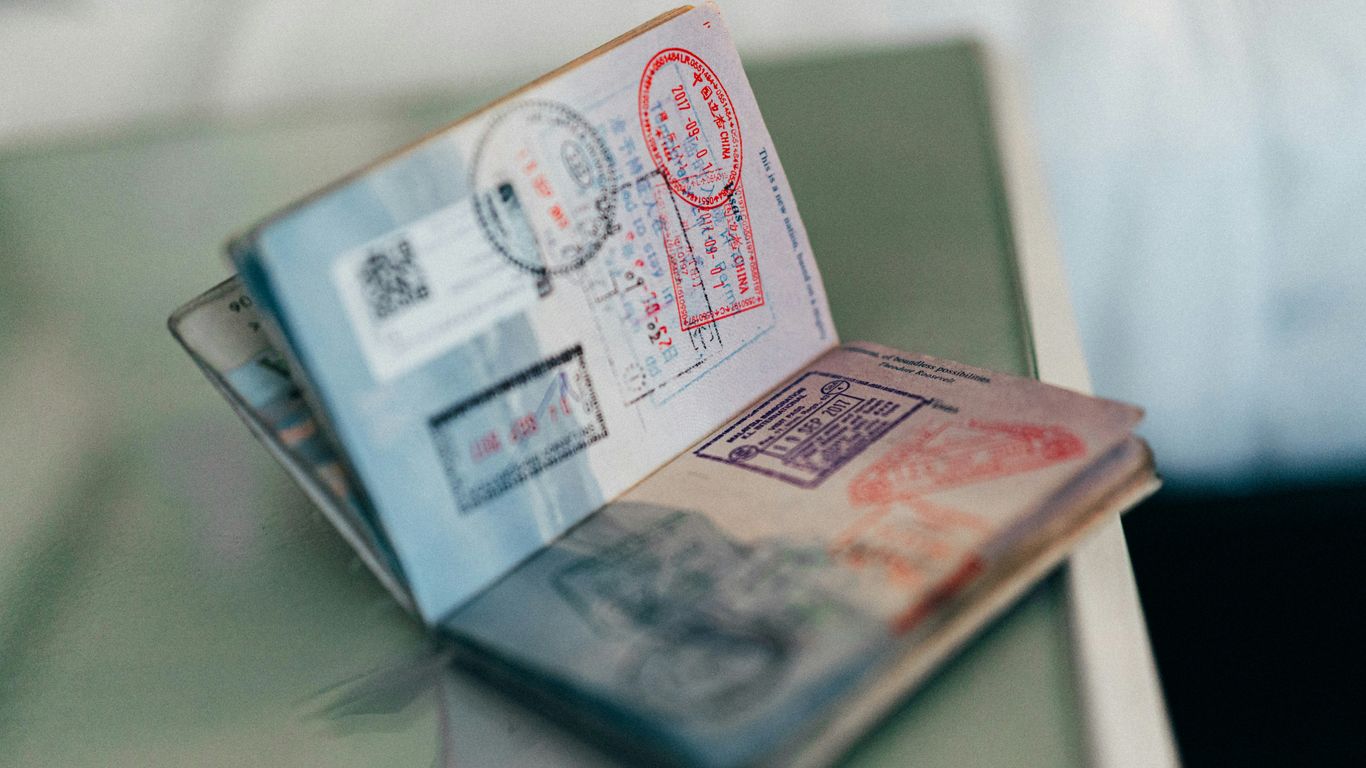
An ATA Carnet is an international customs document for temporary admission and re-export. It may help eligible goods move without the immediate payment of import duties and taxes, subject to the rules of each customs territory and the goods being re-exported as required. The main categories generally include commercial samples, professional equipment, and goods for exhibitions or fairs. The ATA Carnet guide provides a useful overview of the system, including security, validity and customs endorsements.
The document does not remove the need for inspection or customs control. It acts as a customs declaration and guarantee mechanism, so the details in the carnet must match the goods presented at the border.
Common temporary export scenarios from Singapore
Businesses commonly consider a carnet when taking equipment or samples overseas for a defined commercial purpose. Examples include machinery demonstrated at a trade event, tools used by a travelling technical team, or products displayed at an exhibition and then returned to Singapore. Film, media, sporting and event teams may also need to review whether their equipment fits the professional-equipment category.
The practical question is whether each item has a clear temporary purpose and a planned route home. If the itinerary is still uncertain, resolve that uncertainty before the application is submitted rather than relying on informal amendments later.
Goods and situations that may be excluded
Goods intended for sale, gifts, processing, repair, alteration or permanent installation may not qualify in the same way as goods that are simply being displayed or used temporarily. Consumable items can also create difficulties because they may not be returned in the same condition. Restrictions may apply to controlled, prohibited or specially regulated goods, even where a carnet could otherwise be considered.
Before committing to the document, compare the proposed movement with the ATA Carnet and normal import guidance. It is also sensible to ask the relevant customs authority or the guaranteeing association about unusual goods, rather than assuming that a carnet covers the entire shipment.
Countries and territories that accept ATA Carnets
ATA Carnets are accepted only in participating countries and territories, and acceptance does not mean that every category of goods is treated identically. Destination customs may impose local conditions, office restrictions or different requirements for particular goods. Check the route, including transit points, before naming countries on the application.
The carnet should cover the actual journey, not merely the final destination. A freight forwarder can help map the customs offices involved, but the holder remains responsible for presenting the document and goods correctly.
Check the Singapore application requirements
Singapore applications require more than a basic invoice and a travel date. The applicant must identify the holder, describe the goods clearly and provide enough information for the issuing and customs authorities to assess the movement. Begin with the Singapore International Chamber of Commerce’s current requirements, then organise the supporting information around the planned shipment. A structured review is especially helpful when several consignments or travellers are involved.

The role of the Singapore International Chamber of Commerce
The Singapore International Chamber of Commerce is the local issuing and guaranteeing association for ATA Carnets. Its services include issuing ATA and TDB/BOFT Carnets, which support duty- and tax-free temporary admission and re-export where the applicable rules are met. The Singapore International Chamber of Commerce page explains its trade-documentation role and the distinction between carnet services and certificates of origin.
The chamber issues the carnet and handles the associated guarantee framework; it does not replace Singapore Customs or destination customs. Their respective requirements must still be followed at each border.
Applicant eligibility and business details
The application should identify the business or person that will hold responsibility for the goods and carnet. Keep the legal name, registered address, contact details and business identifiers consistent across the application, invoices, packing lists and transport documents. If an employee, agent or logistics provider will carry the goods, clarify that arrangement early.
The applicant should also be able to explain the temporary purpose, intended countries and expected return or re-export route. For operational coordination, IMPORT.SG can receive the available shipment and document details and coordinate work within an agreed scope; it does not approve the carnet or control customs decisions.
Information required for the goods list
The general list is the central working document. Each line should identify the item in a way that customs officers can recognise, count and compare with the physical goods. Broad labels such as “equipment” or “samples” are usually less useful than a description containing the make, model, material, function and identifying marks.
Include the quantity, unit and total value, country of origin where requested, and serial or asset numbers where available. A complete temporary export checklist can help teams distinguish eligible categories and check the quality of their item descriptions before submission.
When a customs broker or freight forwarder may be useful
A broker or freight forwarder may be useful when the shipment has multiple legs, controlled goods, several customs offices or a tight event deadline. They can coordinate transport information, explain which documents a carrier needs and help ensure that the physical presentation matches the paperwork. Their role should be agreed clearly, particularly regarding who will carry the carnet and who will obtain each stamp.
This support is coordination, not a substitute for the holder’s responsibilities. The business should retain a complete copy of the application, know the re-export deadline and confirm what happens if the itinerary changes.
Prepare the documents and supporting information
Good preparation reduces avoidable queries and gives the issuing association a coherent record to assess. Assemble documents before starting the online or paper application, and reconcile the values and descriptions across every document. Where a document does not exist, record the reason and ask whether an alternative is acceptable. The aim is a consistent evidence trail from ownership through to re-import.
Commercial invoices, packing lists and proof of ownership
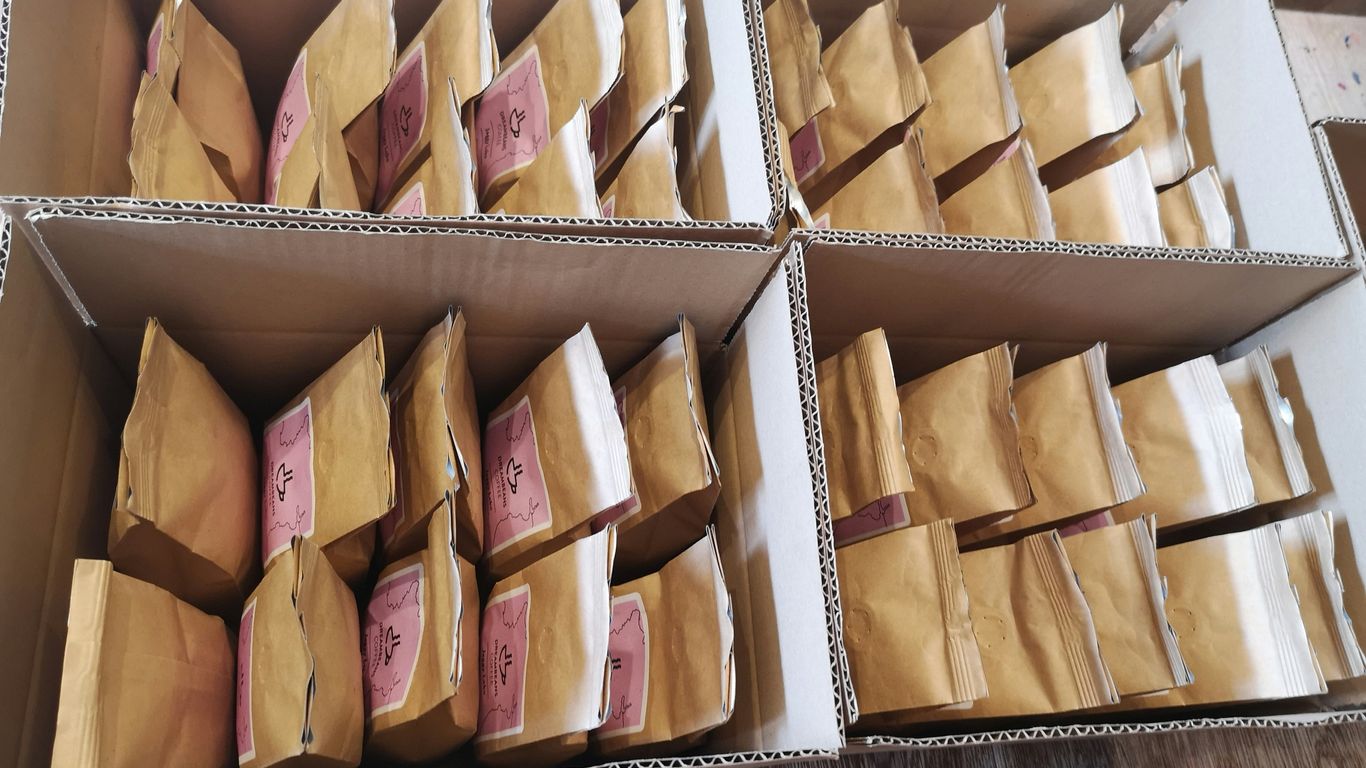
A commercial invoice or valuation document helps establish what the goods are worth, while a packing list shows how they are grouped for transport. Proof of ownership or lawful possession may also be relevant, particularly for high-value equipment or goods being carried on behalf of another party. These documents should use the same item references as the general list.
Do not treat a packing list as a replacement for the carnet list. The packing list describes the shipment packaging; the carnet list supports customs identification and control of the temporary goods.
Detailed descriptions, serial numbers and declared values
Descriptions should be detailed enough to distinguish one item from another. Record serial numbers, model numbers, dimensions or other permanent marks where they exist, and use a defensible value for each line. If a set contains separate components, decide whether customs will need to see those components listed individually.
Consistent item identification matters because discrepancies can delay endorsement or create questions at a destination. Photographing labels and retaining an internal asset register can provide a useful cross-check, although those photographs do not replace the required declarations.
Travel, shipment and destination-country details
State the expected export date, countries and territories to be visited, transit points, transport mode and intended re-export or return date. The information should reflect the real movement as closely as possible. If goods will travel with different people or in separate consignments, identify that split rather than presenting one vague itinerary.
A carnet does not guarantee admission at every border. Contact the destination customs office or an appropriately informed logistics partner where the route includes unusual transit arrangements, controlled goods or a short connection.
Security, guarantees and other supporting documents
The guaranteeing association may require a security, guarantee or other financial arrangement linked to the potential customs duties and taxes. The amount and form depend on the goods, destination and applicable rules. Prepare the information needed to calculate that exposure, and allow time for the association to review it.
Useful supporting material may include an exhibition invitation, event registration, equipment ownership records, transport bookings and letters explaining the temporary purpose. The Carnet Application service is a relevant reference for the application, documentation and security-bond aspects of temporary exports.
Complete and submit the ATA Carnet application
Once the facts are assembled, complete the application carefully rather than treating it as a preliminary estimate. The general list, route and values form a connected record, so a change in one area may affect the others. Read the issuer’s instructions for the current process and submission format. Leave enough time for questions, security arrangements and corrections before the goods are due to depart.

Creating an accurate general list of goods
Enter each item in a stable sequence and use the same numbering on invoices, packing lists and internal records. Separate items that have different serial numbers, values or customs identities. For kits, state what the kit contains if the components may be unpacked or inspected separately.
The list should be usable by a customs officer who has not seen the goods before. Avoid unexplained abbreviations and check that quantities refer to a clear unit, such as pieces, sets or cases.
Selecting the countries and customs offices involved
List every country or territory where the goods are expected to enter, leave or transit under the carnet. Include the Singapore export and re-import points and consider whether the carrier will use a different route. The destination itinerary should be aligned with the carnet’s available counterfoils and vouchers.
Rules may vary by country and by customs office. A forwarder can help confirm practical routing details, but the applicant should verify the information before submission and keep a record of the final itinerary.
Reviewing the application before submission
Carry out a line-by-line comparison of the application, general list, invoice, packing list and transport booking. Check names, addresses, quantities, values, serial numbers, countries and dates. Confirm that the person travelling with the goods understands where the carnet will be presented and that the original document will be available.
A short review is most effective when assigned to someone who did not prepare the first draft. This second pair of eyes often catches transposed serial numbers, duplicated lines or a mismatch between the packed goods and the declared list.
Submission timelines and urgent applications
Submit as early as the issuer recommends, especially for high-value goods, complex itineraries or travel during a peak exhibition period. An urgent request may be possible, but it should not be assumed to remove document, security or review requirements. The Carnet application support information can help frame the preparation work, although any current timing must be confirmed directly with the relevant service provider or issuer.
If the shipment date is close, provide a clear statement of what is ready and what remains outstanding. That gives the coordinating party a practical basis for identifying risks without promising an outcome controlled by customs or the carrier.
Understand fees, security and validity
The cost of a carnet is not limited to an application charge. There may be handling, delivery, amendment, security or professional coordination costs, depending on the arrangement. Budget for the full movement, including customs presentation and any changes after issue. Ask for a written breakdown where several parties are involved.
Application charges and handling costs
The issuing association sets its charges and may distinguish between standard and urgent processing, membership status, number of countries or other administrative factors. A broker or coordinator may charge separately for reviewing documents, arranging submission or managing logistics information. These are service costs and should not be confused with duties or taxes that could become payable if the carnet is not properly discharged.
Request confirmation of what is included, such as document delivery, amendments, additional vouchers or assistance with customs endorsements. Clear scope helps prevent last-minute disagreement when the route changes.
How the security amount is determined
Security protects the guaranteeing association against potential claims for duties and taxes if goods are not correctly re-exported or re-imported. The calculation can depend on the declared value, the countries visited, tariff treatment and the specific goods. The issuer may request a cash deposit, bond or another acceptable form of security.
Do not assume that a high-value item is excluded simply because the security is substantial, or that a low-value shipment needs no security. Confirm the applicable amount and release conditions before committing to transport.
Carnet validity and the period of temporary admission
An ATA Carnet commonly has a validity period of up to one year, but the actual period allowed by a particular customs administration may be shorter. Singapore may apply a shorter validity limit in practice, so check the date printed on the document and the final re-export deadline stated by customs. If more time is needed, request an extension before the deadline and do not rely on retrospective approval.
Validity is not the same as permission to keep goods indefinitely in a destination. The destination customs office may set its own temporary-admission deadline, which must be monitored separately.
Refunds, amendments and additional costs
Security is normally released only after the carnet has been properly discharged and the required evidence is accepted. The process may take time, particularly if customs offices have not returned or endorsed the relevant parts correctly. Amendments, replacement documents, extra vouchers, extensions and additional deliveries can create further charges.
Keep copies of requests, approvals and receipts. If a change is unavoidable, obtain instructions before moving the goods so that the proposed amendment does not conflict with an already completed customs transaction.
Use the ATA Carnet during export and re-import
The carnet must travel with the goods and be presented at the appropriate customs offices. The holder should build border formalities into the transport plan rather than treating stamping as an administrative detail to complete after departure. Customs may inspect the goods and compare them with the general list. A well-organised document pack makes that comparison faster and clearer.
Singapore customs endorsement before departure
Before leaving Singapore, present the carnet and goods to the relevant customs office for export endorsement. Confirm that the export voucher and counterfoil have been completed and stamped as required. The person carrying the goods should check the document before leaving the customs area, because correcting a missing endorsement later can be difficult.
The same principle applies on return: the goods and carnet should be presented for re-import endorsement within the permitted period. Any carrier or broker involved should know that the original carnet is required.
Customs procedures at each destination
At each destination, present the carnet, goods and supporting transport information to customs. Ask for the relevant importation counterfoil and voucher to be completed, stamped and dated. When leaving that country, obtain the re-export endorsement before the goods depart.
The temporary import procedures guide is a useful planning reference for exhibition equipment and customs timelines. It should be treated as general guidance, while the destination customs office remains the authority for the transaction.
Re-exporting or re-importing the goods on time
Track the earliest deadline imposed by the carnet and by each destination customs office. Re-export all listed goods unless a documented, authorised exception applies. If the goods must stay longer, contact the appropriate authority and the guaranteeing association before the deadline expires.
Maintain a simple movement record for each item. This can show when it left Singapore, where it entered, when it was re-exported and when it returned, reducing the chance that one component is overlooked.
Keeping the carnet vouchers and counterfoils in order
Do not remove pages, fold the document excessively or allow different parties to hold disconnected parts without a clear handover process. Scan the carnet before departure, but retain the original for customs. After every endorsement, inspect the stamp, date, office and item references.
The document is an audit trail as well as a border instrument. Keeping it in sequence helps demonstrate that the goods followed the temporary route and supports the release of security later.
Avoid common problems with an ATA Carnet
Most carnet difficulties begin with a small inconsistency that becomes visible at a border. A rushed list, an altered itinerary or a missing stamp can affect the discharge of the document even when the goods themselves are legitimate. Build ownership of each task into the travel and logistics plan. If responsibility changes between teams, record the handover in writing.
Incorrect descriptions, quantities or valuations
A customs officer must be able to match the goods to the general list without guesswork. An incorrect quantity, vague description, missing serial number or unrealistic value may lead to inspection, delay or a request for clarification. Review the packed shipment immediately before departure, not only when the application is first drafted.
Where an item is replaced or removed, do not silently amend the paperwork. Ask whether a formal amendment or a new document is required before the goods move.
Missing customs stamps and incomplete endorsements
A carnet without the necessary export, import, re-export or re-import endorsements may not prove that the goods left a territory on time. The holder should check every transaction before leaving the customs office and keep evidence of any instructions received. If a stamp is missing, contact the relevant customs office and guaranteeing association promptly.
A freight forwarder may facilitate presentation, but the holder should still review the completed document. Delegating the physical task does not remove the need to monitor the result.
Changes to itineraries, goods or transport arrangements
Changes are common in international logistics, but a carnet is not infinitely flexible. A new country, different border crossing, split shipment or altered item list may require prior advice or amendment. Notify the coordinating party as soon as the change is known and wait for clear instructions where the change affects customs treatment.
The Singapore customs permit guide can provide wider context on declaration accuracy and post-approval records, although normal permit processes should not be confused with carnet procedures. Keeping those workflows separate prevents the wrong document being presented at the border.
What happens if goods are sold, lost or not re-exported
Goods covered by a carnet are intended for temporary movement and generally must not be sold, consumed, processed or permanently retained under the document. If goods are lost, sold or not re-exported, customs may seek the duties and taxes that would have applied, along with possible penalties or administrative charges. The guaranteeing association may then pursue the holder under the security arrangement.
Act quickly if something goes wrong. Report the event, preserve transport and customs records, and obtain advice from the relevant authorities and issuer rather than assuming that the carnet can simply be closed.
For broader operational reading, teams may also encounter unrelated document-control subjects such as arthritis treatment, a website specification document, a Garage Door Insurance Guide, a Gartenpflegeplan, or a food-waste guide. These are separate topics, but the same habit applies: use consistent records, define responsibilities and check details before a deadline.
Conclusion
Applying for an ATA Carnet in Singapore is mainly an exercise in eligibility, accurate documentation and disciplined customs follow-through. Confirm the goods and route first, prepare a precise general list, arrange security and monitor every required endorsement through re-import or re-export. When the movement is complex, IMPORT.SG can coordinate document intake and information checks within an agreed scope, while customs authorities and the issuing association retain their own decisions and responsibilities.
Frequently Asked Questions
What is an ATA Carnet?
An ATA Carnet is an international customs document used for the temporary admission and re-export of eligible goods, subject to the rules of the countries involved.
Who issues an ATA Carnet in Singapore?
The Singapore International Chamber of Commerce acts as the local issuing and guaranteeing association for ATA Carnets in Singapore.
Which goods commonly qualify for an ATA Carnet?
Common categories include commercial samples, professional equipment, and goods intended for exhibitions or fairs, although specific restrictions may apply.
Can goods covered by a carnet be sold overseas?
Generally, no. Goods covered by a carnet are intended for temporary use and re-export, so goods intended for sale or permanent retention require a different customs treatment.
How long is an ATA Carnet valid?
A carnet may commonly be valid for up to one year, but a customs administration can impose a shorter temporary-admission period or deadline.
What documents are needed for the application?
Applicants typically need business and holder details, a detailed general list, values, serial numbers, route information and supporting ownership, event or transport documents where relevant.
What should I do if a customs stamp is missing?
Contact the relevant customs office and the guaranteeing association promptly, retain all transport evidence and follow their instructions for correcting or proving the transaction.
Request assistance if you need a practical review of the shipment information, documents and timing before submitting your carnet application.