Customs Permits
ATA Carnet Singapore: A Practical Guide to Temporary Import and Export

Key Takeaways
An ATA Carnet can simplify the temporary movement of eligible goods through Singapore and other participating customs territories. The practical benefit depends on accurate preparation, careful customs presentation and timely re-export.
- It is designed for eligible goods that will return, not for permanent imports or goods consumed abroad.
- The Singapore International Chamber of Commerce handles applications and related guarantees.
- Item descriptions, serial numbers, values and travel routes must match the goods exactly.
- Singapore may limit a carnet’s validity to six months, even though the international standard can be longer.
- Every export, import, transit and re-import movement should receive the correct customs endorsement.
Understanding how an ATA Carnet works in Singapore
An ATA Carnet is an international customs document used for the temporary export and import of qualifying goods. It can reduce the need to pay duties and taxes or lodge separate security arrangements in the country of temporary importation. For businesses moving equipment or samples across borders, the document brings several customs movements into one controlled record.
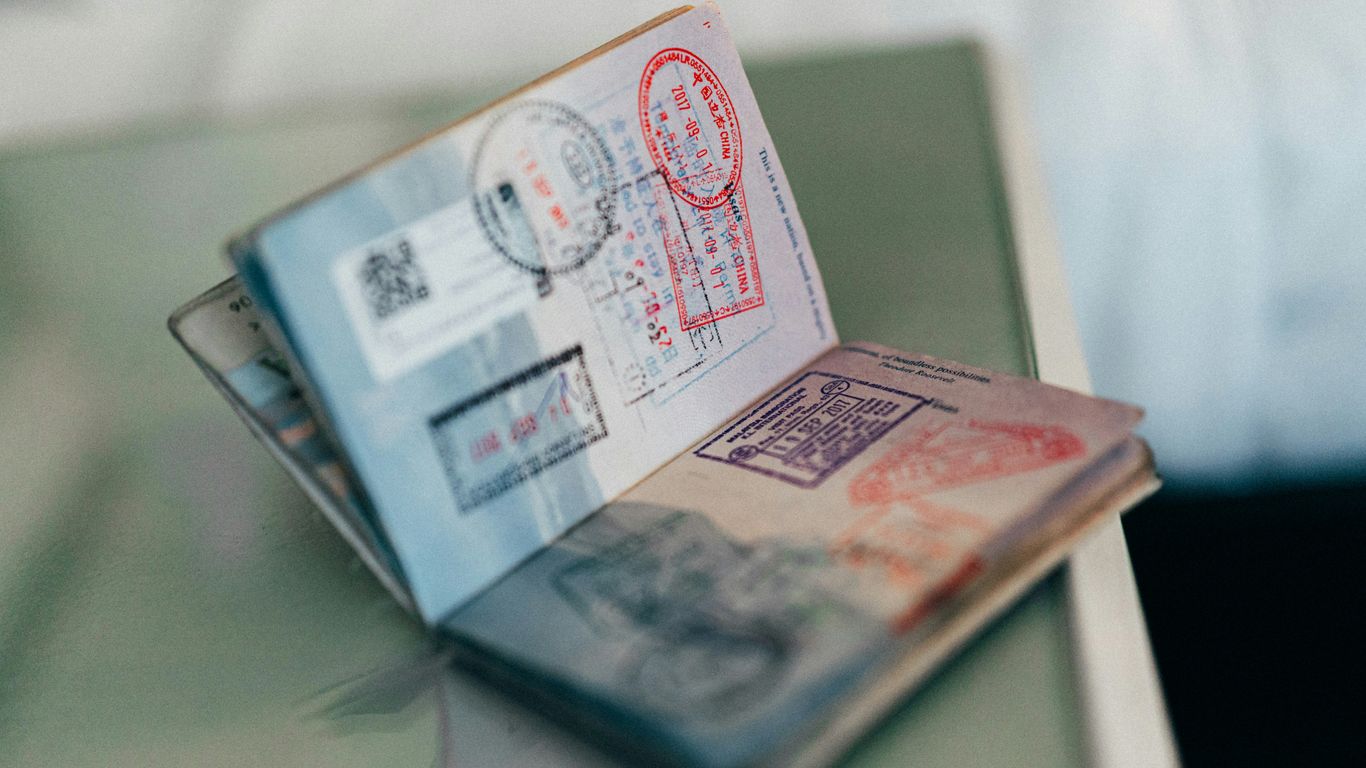
What an ATA Carnet covers
The carnet is intended for goods that are identifiable, are being used for an approved temporary purpose and will be re-exported. Common examples include commercial samples, exhibition goods and professional equipment. It is not a general import document, so the proposed use and the goods themselves should be reviewed before an application is started.
The countries and territories that accept it
The ATA system operates across a network of participating countries and customs territories. Acceptance is not necessarily identical everywhere: some destinations apply special conditions, exclusions or requirements for particular categories of goods. A route should therefore be checked country by country rather than treated as a single unrestricted journey.
The ATA Carnet guide provides a useful overview of temporary export and exhibition movements from Singapore, including eligibility, applications and customs procedures. It should be read alongside the current instructions of the relevant customs authorities.
How temporary admission differs from permanent import
Temporary admission means the goods enter for a defined purpose and are intended to leave again within the permitted period. Permanent import, by contrast, normally involves the ordinary import declaration and the applicable duties, taxes, permits and approvals. If goods are sold, consumed, altered or left behind, the carnet may no longer be the correct basis for their treatment.
The role of customs authorities and the guaranteeing association
Customs authorities examine the goods and endorse the carnet at the relevant points. The guaranteeing association supports the carnet system by providing the customs guarantee structure, while the holder remains responsible for using the document correctly. A carnet does not remove customs control; it organises the evidence that the temporary movement has taken place.
Checking whether your goods qualify
Eligibility is determined by the nature of the goods, their intended use and the countries on the itinerary. A good starting point is a complete inventory, not a broad description such as “production equipment”. Preparing this information early gives time to identify controlled items, permits or alternative procedures.

Common eligible items, including commercial samples and professional equipment
Commercial samples, goods for international exhibitions and professional equipment are common categories. Examples of professional equipment may include cinematographic or musical equipment, costumes and stage properties, educational equipment, press and broadcasting equipment, and surgical equipment. The goods should remain identifiable and should not be intended for sale or normal commercial consumption during the visit.
Goods that may require additional permits or documents
Some goods can be eligible in principle but still require approvals from a competent authority. Controlled equipment, regulated products, weapons, medicines, specialist technology and items subject to safety or cultural controls may need additional documentation. The carnet deals with temporary customs treatment; it does not replace product-specific licences, import permits or other regulatory approvals.
For broader Singapore import questions, an import regulations guide can help frame issues such as TradeNet, controlled goods and permit responsibilities. The exact requirement should still be confirmed for the shipment and destination.
Why consumables, perishables and goods for processing are usually excluded
Goods that are consumed, sold, repaired, transformed or processed usually do not fit the basic logic of a carnet. Perishable goods also create difficulty because they cannot normally be returned in the same identifiable condition. Where the commercial purpose involves alteration or consumption, a temporary import permit or ordinary import procedure may be more suitable.
Confirming eligibility before submitting an application
Before applying, confirm the purpose, ownership, condition, destination and intended re-export date. Check whether each item can be identified from its description, serial number, model or other marking. It is also sensible to confirm the route and any local restrictions before committing to transport arrangements.
Applying for an ATA Carnet in Singapore
Applications in Singapore are generally prepared around a detailed goods list and a proposed itinerary. The quality of the information matters because the carnet will be used by customs officers in more than one jurisdiction. Allow time for checking, clarification and the arrangement of security rather than treating the process as a last-minute document request.

Applying through the Singapore International Chamber of Commerce
The Singapore International Chamber of Commerce is the issuing and guaranteeing association for ATA Carnets in Singapore. Applicants provide the required information to SICC, which assesses the application and administers the relevant documentation and guarantee arrangements. Current fees, processing options and application requirements should be checked directly before submission.
Providing itemised descriptions, values and supporting documents
The goods list should identify each item clearly enough for customs comparison. Include quantities, descriptions, makes, models, serial numbers and realistic values where requested. Supporting material may include invoices, packing lists, photographs, purchase records or other evidence that helps establish identity and ownership.
A practical document review should also compare the carnet list with the packing list and transport documents. Consistent item data reduces avoidable questions at the counter and makes later discharge easier.
Arranging the required security or guarantee
A security or guarantee protects customs authorities against duties and taxes that could become payable if the carnet conditions are not met. The amount and form depend on the goods, their value, the countries involved and the issuing association’s requirements. Applicants should understand when security is lodged, how it may be released and what evidence is needed for discharge.
Reviewing the carnet before it is issued
Check the holder’s name, goods list, values, countries, validity dates and number of additional sheets. Confirm that the intended route is included and that there is enough space for the expected customs endorsements. Errors are easier to correct before issue than after the goods have departed Singapore.
Planning the costs, validity and security requirements
The total cost is more than the basic application fee. It can include additional-country charges, extra-listing sheets, urgent processing, service support and the cost of arranging security. Planning should also account for the time needed to obtain endorsements and resolve discrepancies.

Understanding application fees and service charges
SICC publishes fees for applications and may apply different rates for members and non-members. Additional countries, extra sheets and urgent processing can attract separate charges, and prevailing GST may apply. Treat published figures as a starting point and obtain a current quotation for the actual itinerary and list size.
How the security amount is determined
Security is linked to the potential customs exposure if goods are not properly re-exported or if the carnet is not discharged. The value, classification, destination and applicable duties and taxes can affect the calculation. A high-value shipment may therefore require more substantial financial preparation even when the goods are travelling only temporarily.
The standard validity period and Singapore’s validity limits
An ATA Carnet is commonly issued for up to one year under the international system, but Singapore customs may limit validity to six months. The final date for re-export is the controlling deadline shown in the carnet. If additional time is needed, an extension should be requested before that date rather than assumed.
The Singapore validity guidance explains the six-month limit and the need to seek an extension before the re-exportation deadline. As dates can affect transport bookings and venue plans, they should be checked at the outset.
When extensions, replacements or amendments may be possible
An extension may be possible only if requested in time and accepted by the relevant customs authority. Amendments, replacement carnets and duplicate documents also involve formal procedures and should not be improvised by the holder. Ask the issuing association or customs authority for instructions before changing the itinerary or goods list.
Using the carnet for export and temporary import
The carnet works only when it is presented and endorsed through the required customs stages. It is not enough to carry the booklet with the shipment or show it to a carrier. The holder or an authorised representative should understand which counter or office must process each movement.
Completing the export procedure in Singapore
Before departure, present the goods and carnet to Singapore Customs as required for export endorsement. Customs may compare the physical items with the list, so the packing arrangement should allow inspection. Keep the export counterfoil and any related documents safely with the carnet records.
Presenting the carnet at the destination country
At temporary import, present the carnet before the goods are released into the destination territory. The customs officer should complete the appropriate import section and retain any required voucher. If the officer cannot process the carnet at the intended crossing, obtain instructions before moving the goods onward.
Managing re-export and re-import within the permitted period
The goods must leave the temporary-import country by the date allowed there and return or continue through the planned route as appropriate. Re-export should be completed before the final date, with customs endorsement proving that the obligation has been met. Singapore re-import also requires the correct presentation and matching records.
Keeping customs endorsements for every movement
Keep the carnet dry, complete and available for every relevant movement. A sensible movement file contains:
- the original carnet and all counterfoils;
- packing lists and transport documents;
- photographs or serial-number records;
- correspondence about changes, delays or extensions.
These records help identify a missing endorsement quickly. They also provide a defensible trail if the guaranteeing association or customs authority later asks for evidence.
Handling different travel routes and customs procedures
A journey may involve several countries, airports, ports, carriers and transit points. The carnet can support multiple customs transactions, but only when the itinerary and presentation sequence are understood. Route planning is therefore a customs task as well as a transport task.
Using the carnet when visiting multiple countries
A single carnet may be used for eligible goods visiting several participating destinations during one trip. Each country normally requires the relevant import and re-export endorsements. The holder should compare the itinerary with the countries listed in the carnet and request additions before travel if necessary.
Distinguishing direct travel from transit movements
A transit movement is not the same as a temporary import. Goods may pass through a country under customs control without being used there, while another country may receive them for an exhibition or professional activity. Ask the issuing association, carrier and relevant customs offices how each crossing should be documented.
Coordinating air, sea and land shipments
Air freight, sea freight and road movements create different timing and handover risks. The party carrying the carnet should be identified, and the shipment should be aligned with the customs office’s operating arrangements. Separate packages may also require careful cross-referencing so that no item is treated as missing.
Checking local customs requirements at each destination
Participating countries can impose local conditions, restricted categories and documentary requirements. Confirm whether the destination accepts the intended category of goods, whether a particular port or office must handle the movement and whether an agent is needed. The web-based ATA Carnet information is useful background, but current local instructions remain decisive.
Operational planning also benefits from understanding wider transport constraints. For example, the concepts discussed in transport poverty concern access to suitable transport, not carnet compliance, but they illustrate why route assumptions should be tested rather than taken for granted.
Avoiding common ATA Carnet problems
Most carnet problems arise from preventable differences between the documents, the goods and the journey that actually occurred. A short pre-departure review is usually less costly than trying to reconstruct events after a missed stamp. Assign one person responsibility for the carnet and establish a return-document process.
Preventing mismatches between the carnet and the goods
Descriptions should match the physical goods, packaging and supporting documents. Serial numbers, quantities and values need particular attention when equipment is split across cases or moved by different carriers. Do not add replacement items or remove listed goods without confirming the correct amendment procedure.
Avoiding missed customs stamps and validation errors
A missing endorsement can make it difficult to prove that goods were exported or re-exported. Review each completed page before leaving the customs area, and ask immediately if a stamp, signature, date or voucher appears incomplete. Keep scans for internal control, while retaining the original carnet as the operative document.
Managing lost, damaged or stolen goods
Report loss, damage or theft promptly to the carrier, insurer, issuing association and relevant customs authority. The carnet does not automatically remove liability for goods that cannot be re-exported. Police reports, insurance records and customs correspondence may be required to establish what happened and determine the next step.
What happens when goods are not re-exported on time
Late re-export can lead to a customs claim for duties and taxes, penalties or further enquiries. A deadline should be treated as fixed unless an extension has been formally granted. If delay becomes likely, contact the relevant customs office and issuing association before the final date rather than waiting for the carnet to expire.
Retaining records after the carnet is discharged
Keep the discharged carnet, endorsements, transport records and correspondence for the period required by your internal policy and applicable rules. A complete file supports reconciliation, insurance queries and future applications. It also lets the team identify recurring weaknesses in packing, routing or document control.
Some teams use specialist tools alongside customs work. CoolTone concerns a non-invasive muscle-toning treatment, hearing aids cover hearing technology and care, SEO services address online visibility, and Animator Hub provides an image-to-video tool; none of these topics changes the customs requirements for a carnet.
Conclusion
An ATA Carnet can make temporary import and export more orderly, but it does not replace careful classification, permits, customs presentation or deadline management. Build the application from an accurate inventory, verify every destination and retain each endorsement. For a shipment with tight timing or several parties, coordinated document support can help keep the agreed workflow clear; request a quote when you need assistance assessing the work.
Request Carnet Support
Share the goods, itinerary, timing and available documents so the required carnet and customs coordination work can be assessed within an agreed scope.
Frequently Asked Questions
What is an ATA Carnet in Singapore?
It is an international customs document for the temporary export and import of eligible goods, subject to the requirements of Singapore and each destination country.
Which goods commonly qualify for a carnet?
Commercial samples, exhibition goods and professional equipment commonly qualify when they remain identifiable and are intended for re-export.
Can a carnet be used for goods that will be sold?
Usually not. Goods intended for sale, consumption, processing or permanent retention generally require a different customs procedure.
How long is an ATA Carnet valid in Singapore?
Although the international system commonly allows a period of up to one year, Singapore may limit the validity period to six months. The final date printed in the carnet should be followed.
Can the validity period be extended?
An extension may be possible, but it must be requested before the final re-export date and accepted by the relevant customs authority.
What should happen if a customs stamp is missing?
Contact the customs office, issuing association or appropriate representative promptly. Do not assume that transport documents alone will replace the required endorsement.
What happens if the goods are not re-exported on time?
Customs may seek duties and taxes and may impose penalties or make further enquiries. Early notification and a properly requested extension may help, but neither should be assumed to remove liability.