Customs Permits
Form E Certificate of Origin: Singapore-China Trade Guide

Key Takeaways
A Form E certificate of origin supports preferential tariff claims for eligible Singapore goods entering China under the ASEAN–China Free Trade Area. The certificate is only one part of the process: origin, classification, shipment evidence, and presentation must align.
- Form E is used for qualifying Singapore–China trade under the relevant ASEAN–China arrangement.
- Preferential treatment depends on the goods meeting the applicable origin rule, not simply on shipment from Singapore.
- Invoices, transport records, HS codes, and manufacturing evidence should tell one consistent story.
- Applications should be prepared early enough to allow review and correction before export.
- Chinese importers must present matching documents to support the preferential tariff claim.
What the Form E certificate of origin is and when it applies
A Form E certificate of origin is a preferential origin document used for eligible trade between ASEAN member states and China. For a Singapore exporter, it supports a claim that goods meet the origin requirements of the ASEAN–China Free Trade Area. It does not replace the commercial invoice, export documents, transport evidence, or the import declaration. The certificate therefore works as part of a document set rather than as a standalone guarantee of reduced duty.

The role of Form E under the ASEAN–China Free Trade Area
The ASEAN–China Free Trade Area provides the framework for preferential treatment on qualifying goods. Form E is the document used to evidence the preferential origin claim in the relevant shipment. Its value depends on the product-specific rules and the importing authority’s acceptance of the supporting information. Exporters should check the current requirements for the product and destination rather than relying on a previous shipment.
For a broader explanation of the document’s place in regional trade, see this ASEAN–China Form E guide. The terminology is useful, but the operational question remains whether the particular goods satisfy the applicable rule.
How preferential tariffs differ from standard customs treatment
Standard customs treatment applies the tariff rate available without a preferential claim. A valid Form E may allow an eligible importer to seek a lower rate under the agreement, subject to the destination country’s tariff schedule and procedures. The saving is not automatic: classification, valuation, origin, and documentary presentation still affect the assessment. The tariff outcome depends on evidence, not on the certificate’s title alone.
The importer should compare the applicable preferential rate with the ordinary rate before shipment. This makes the commercial decision clearer and helps identify whether the administrative work is proportionate to the potential saving.
Singapore exports and China imports covered by the arrangement
The arrangement can apply to qualifying goods exported from Singapore and imported into China, provided the goods meet the relevant origin criteria. It is not limited to a particular business size or transport mode, but the product rules and documentary expectations vary. A Singapore trading address, Singapore invoicing, or Singapore transhipment does not by itself establish Singaporean preferential origin.
Goods should be assessed using their correct HS classification and the applicable product rule. Where supply chains include imported components or processing in several countries, the origin analysis should be completed before the certificate application is prepared.
When another trade agreement or certificate may be more suitable
Form E is not the right document for every shipment. A non-preferential certificate may be relevant where the buyer or destination requires origin evidence without a tariff preference, while another trade agreement may apply where the parties, product, or origin rules differ. The commercial documents should also distinguish a certificate of origin from a bill of lading or other transport document.
Singapore exporters comparing document types may find this certificate of origin overview useful. The final choice should follow the destination requirement and the legal basis for the claim, not a familiar form number.
How to establish whether goods qualify for preferential origin
Origin analysis begins with the goods as supplied, the manufacturing steps performed, and the materials used. The exporter should identify the correct rule before promising a preferential rate to the buyer. This is often the most technical stage because a product can contain materials from several countries. Keep the reasoning in a written file so that the application and any later query can be answered consistently.
Wholly obtained goods and goods produced in Singapore
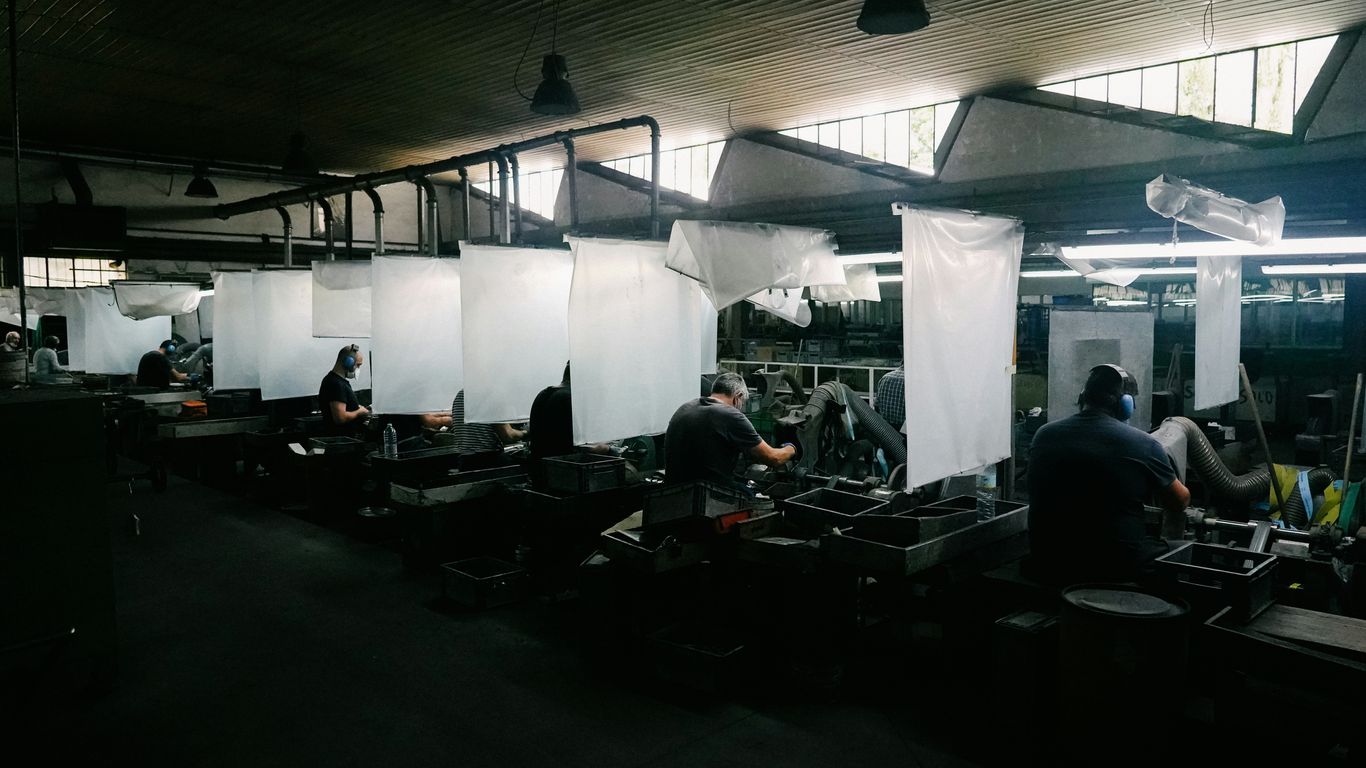
Some goods qualify because they are wholly obtained in Singapore, while others qualify because they are produced there under the relevant processing rule. The distinction matters for manufacturers, processors, and traders that buy finished goods from another source. Assembly, packing, sorting, or simple handling may not be enough if the applicable rule requires a more substantial process.
The analysis should identify who performed the production, where it occurred, and which materials entered the finished product. A certificate should not be requested merely because the last commercial activity took place in Singapore.
Regional value content and the applicable product rules
Where the rule uses regional value content, the exporter must calculate the relevant value using the prescribed method and inputs. The calculation may require reliable records for material costs, production costs, freight, and other permitted components. Do not substitute a general percentage used for another product or agreement.
A practical working file should show the product code, the selected origin criterion, the calculation, and the evidence supporting each material value. If a supplier’s declaration is incomplete, pause the calculation rather than filling the gap with an assumption.
Change in tariff classification and product-specific requirements
Some products may qualify through a change in tariff classification, subject to the specific rule for the finished good. That test compares the classification of non-originating inputs with the classification of the exported product. It must be applied at the level required by the rule, with attention to exclusions and additional conditions.
Classification should be resolved before the origin criterion is selected. An internal reference such as this HS classification archive can help teams organise the issue, but the final code should be supported by the product’s actual composition and use.
Direct consignment, minimal processing, and third-country involvement
The shipment must also satisfy the applicable consignment conditions. Transit through a third country may be acceptable in defined circumstances, but the goods should generally remain under customs control and should not undergo processing beyond permitted operations. Third-country invoicing, split transport, or warehousing can create questions even where the goods themselves qualify.
Map the route from Singapore to China, including transhipment points and document issuers. A short transport explanation, together with bills of lading or equivalent evidence, can make the consignment history easier to verify.
Information and documents needed for an application
A sound application is built from documents that agree on the shipment, the goods, and their origin. The exact file will depend on the product and application route, but missing or inconsistent evidence can delay review. Gather the commercial and manufacturing records before submitting the certificate request. This also gives the exporter time to correct a description or classification without disrupting the booking.

Commercial invoice, packing list, and transport documents
The commercial invoice normally provides the seller, buyer, goods, quantities, values, and terms needed to identify the transaction. The packing list adds package counts, marks, weights, and dimensions, while transport documents establish how the cargo moves. These documents should use compatible descriptions and shipment references.
A useful shipping documents checklist can help teams review the file before submission. The certificate should not contain a product description that cannot be reconciled with the invoice or packing list.
Manufacturing records, bills of materials, and supplier declarations
Manufacturers may need production records, bills of materials, cost information, and declarations from suppliers. These documents support the selected origin criterion and show how non-originating materials were treated. A trader relying on a manufacturer should obtain usable evidence rather than a broad statement that the goods are “local”.
The evidence should be dated and traceable to the product and shipment. Keep versions under control when a bill of materials changes, since an old calculation can otherwise be attached to a later application.
HS classification and product description requirements
The HS code and product description are central to both origin analysis and customs assessment. The description should be specific enough to identify the goods without introducing wording that conflicts with the invoice. Where a product has variants, record the model, material, or other distinguishing detail required for a clear comparison.
The classification decision should be checked by someone familiar with the goods and the destination requirements. A vague description can undermine an otherwise well-supported origin claim because the reviewer cannot tell which product rule was applied.
Supporting evidence for origin claims and customs verification
Supporting evidence should allow an issuer or customs authority to trace the claim from the finished goods back to the inputs and production process. It may include purchase records, production orders, inventory data, and transport evidence. The file should also explain unusual features such as third-country routing or a supplier-issued invoice.
For organisations building a repeatable process, an origin documentation archive provides a useful way to group classification, certificate, and customs materials. The archive is only effective if each shipment file remains complete and searchable.
How to apply for a Form E certificate in Singapore
The Singapore application process should be treated as a controlled sequence rather than a last-minute form submission. Confirm the applicant details, origin basis, shipment data, and supporting file before sending the request to the authorised issuing channel. Requirements can change according to the agreement and current administrative practice. Allow time for questions, amendments, and the final document to reach the exporter before cargo departure.

Checking exporter, manufacturer, and authorised issuer requirements
First confirm the exporter’s registration and any requirements applying to the manufacturer or producer. The applicant should know which authority or authorised body handles the certificate and what evidence it expects. The parties named on the certificate must be aligned with the commercial transaction and the origin records.
Singapore Customs and authorised issuing arrangements have distinct roles. A practical Singapore COO requirements guide can help clarify the difference between preferential and ordinary certificates before an application is lodged.
Preparing and submitting the certificate application
Prepare the certificate using the agreed shipment data and the selected origin criterion. Check the exporter and consignee information, HS code, goods description, package details, invoice reference, origin criterion, and transport information. Submit the application through the applicable Singapore process with the documents needed for review.
IMPORT.SG provides certificate of origin management and coordinates document intake and validation within an agreed scope. It does not replace Singapore Customs or an authorised issuing body; the issuer remains responsible for its own review and decision.
Reviewing the issued certificate before shipment
An issued certificate still requires a final check. Compare it against the invoice, packing list, booking, and transport details before the goods leave Singapore. Pay particular attention to spelling, quantities, values, package marks, HS codes, and dates because a small discrepancy can create work at import clearance.
The exporter should send the correct document version to the buyer and retain the final issued copy with the application file. If an error is found, resolve it through the proper issuing channel rather than editing the certificate informally.
Timing considerations for production, booking, and export clearance
Timing should connect production completion, origin evidence, certificate review, booking, and export clearance. An application made before the manufacturing records are stable may need to be amended; one made after departure may create presentation problems for the importer. Build a document cut-off into the shipment plan.
A short internal schedule can identify the owner for each step and the point at which missing evidence must be escalated. This is especially useful for urgent cargo or shipments assembled from several suppliers.
A video explanation can supplement the written process, but it should not replace checking the current official requirements for the shipment.
How Chinese importers use Form E to claim preferential treatment
The Chinese importer uses the certificate as part of the import clearance and preferential tariff claim. The importer, broker, and exporter should agree in advance on the required document format and delivery method. Import procedures may require additional information beyond the certificate itself. The claim should be prepared around the import declaration, not treated as an afterthought once the cargo arrives.
Presenting the certificate to China Customs
The importer presents the Form E through the applicable China Customs process with the import declaration and related shipment records. Customs may examine whether the certificate is valid, whether the goods match, and whether the origin criterion is supported. Presentation does not prevent a query or a request for further evidence.
The importer should retain the certificate and the associated commercial file. If the document is unavailable at the expected stage, the broker should confirm the available procedure rather than assume the preferential rate will be applied automatically.
Matching the certificate with the import declaration and shipping documents
The certificate, import declaration, invoice, packing list, and transport document should describe the same shipment. Key fields include the exporter and importer, goods description, HS code, quantity, value, package marks, invoice number, and route. A mismatch may lead to clarification, delay, or refusal of the preferential claim.
A simple pre-arrival comparison is often more effective than trying to repair several documents after customs submission. The exporter should also be told promptly when the importer identifies a discrepancy.
Calculating the potential duty savings
The potential saving is the difference between the ordinary applicable duty and the preferential duty, multiplied by the customs value used for assessment. The calculation must use the correct tariff line and any product-specific rate, not a general estimate. Other taxes, fees, and import requirements may remain payable.
| Calculation item | Question to confirm | Typical evidence |
|---|---|---|
| Customs value | What value will China Customs assess? | Commercial invoice and valuation records |
| Standard rate | What rate applies without preference? | Current tariff schedule |
| Preferential rate | Does the product qualify under Form E? | Form E and origin analysis |
| Estimated saving | What is the difference after assessment? | Duty calculation worksheet |
This comparison gives the importer a defensible estimate and shows whether correcting a document before arrival is commercially worthwhile. It should be refreshed when the classification, value, or tariff schedule changes.
Handling verification requests, late presentation, and replacement documents
A verification request should be answered with a coherent file linking the certificate to the goods and production records. Late presentation or a replacement document may be governed by specific customs procedures and deadlines. The importer should coordinate with the exporter and issuing authority, keeping a record of what was requested and supplied.
Do not create a replacement certificate by changing an issued document. Follow the authorised correction or reissuance route and ensure that the new document is clearly matched to the import declaration.
Common Form E errors and compliance risks
Most problems arise from a gap between the commercial file and the origin analysis. A certificate can look complete while still carrying the wrong code, criterion, or shipment information. The safest approach is to review the entire set as one record. Teams should also make ownership clear so that corrections are made before export or import filing.
Incorrect HS codes, origin criteria, or product descriptions
An incorrect HS code can point the application to the wrong product rule and affect the duty assessment. An origin criterion selected without supporting evidence is equally risky. Product descriptions should identify the goods accurately and consistently across the application and commercial documents.
IMPORT.SG can coordinate document validation within an agreed scope, helping the parties organise information before submission. This is coordination support, not a substitute for the exporter’s origin determination or the authority’s decision.
Inconsistent quantities, values, marks, and shipment details
Differences in package counts, net or gross weight, invoice values, marks, dates, or transport details can trigger questions. Some differences may be explainable, but unexplained inconsistencies weaken confidence in the file. Compare the certificate with the final commercial documents after packing is complete.
The following checks are particularly useful before release:
- Match the invoice number and date across all documents.
- Reconcile quantities, packages, marks, and weights with the packing list.
- Confirm the HS code and product description against the origin analysis.
- Check the route, consignee, exporter, and transport details.
These checks are simple, but they work best when assigned to a named reviewer and completed against final documents rather than draft booking data.
Split shipments, third-country transhipment, and back-to-back documents
Split shipments can create questions about which goods and documents belong together. Third-country transhipment should be documented carefully, particularly where goods are stored or handled before reaching China. Back-to-back invoicing and intermediary parties may also require closer review of the transaction structure and consignment conditions.
Record the route, custody, invoices, and shipment references for each movement. If the transaction does not fit the ordinary pattern, seek clarification before applying for the certificate.
Record retention, post-clearance audits, and corrective action
Origin records should be retained for the period required by the applicable rules and Singapore or China customs requirements. Files should be retrievable by shipment, product, invoice, and certificate number. A post-clearance query is easier to answer when the calculation and source documents were preserved at the time of export.
IMPORT.SG offers a single coordination point for trade documentation workflows within the agreed scope, while the exporter and importer remain responsible for the accuracy of their declarations. Where an error is discovered, document the issue, assess affected shipments, notify the relevant parties, and use the authorised correction process.
For a broader operational view, businesses can review trade facilitation support and consider requesting a quote when a shipment needs coordinated documentation assistance.
Conclusion
A Form E certificate of origin is most effective when it is supported by a clear origin analysis, accurate classification, consistent shipment documents, and timely presentation in China. Treating the certificate as one controlled part of the export and import workflow reduces avoidable queries and makes any preferential duty calculation easier to defend.
Frequently Asked Questions
What is a Form E certificate of origin?
It is a preferential certificate used to support eligible origin claims for trade between ASEAN member states and China under the relevant ASEAN–China arrangement.
Does shipping goods from Singapore make them Singapore-originating?
No. Shipment location, invoicing location, and preferential origin are separate matters. The goods must satisfy the applicable origin rule.
Can every Singapore product use Form E?
No. Eligibility depends on the product’s HS classification, the applicable product-specific rule, and the supporting evidence available for the claim.
What documents normally support a Form E application?
Typical documents include the commercial invoice, packing list, transport records, manufacturing records, bills of materials, supplier declarations, and the origin calculation or analysis.
Can goods transit through a third country?
Possibly, if the applicable consignment conditions are met and the route and handling can be evidenced. Unnecessary processing or unexplained custody changes may create problems.
What happens if the certificate contains an error?
The exporter and importer should contact the authorised issuing channel and follow its correction or replacement procedure. An issued certificate should not be altered informally.
How can an importer estimate the benefit of Form E?
Compare the applicable ordinary and preferential duty rates using the correct tariff classification and customs value, while allowing for other taxes, fees, and import requirements.