Freight Forwarding
Certificate of Origin Singapore: Application Support Guide for Exporters
Key Takeaways
A Certificate of Origin Singapore acts as a crucial document verifying the national status of your exported goods. Understanding these requirements ensures your business maintains seamless access to international markets.
- Certificates of Origin identify where goods are produced.
- Preferential certifications can reduce or eliminate customs duties.
- Electronic submission platforms are now the industry standard.
- Compliance requires accurate and consistent manufacturing records.
- Engaging professional support helps mitigate common documentation delays.
Understanding current requirements for Certificate of Origin Singapore
Every export operation requires a clear understanding of origin requirements to ensure goods clear customs without friction. A Certificate of Origin Singapore is a pivotal document that provides international authorities with verified information regarding the manufacturing location of a product. By establishing this base, exporters ensure transparency and legal accountability in global trade.
Definition and legal significance of the COO
The Certificate of Origin, or COO, serves as a formal declaration of the country of origin for specific goods. This document possesses significant legal standing, as it informs customs authorities about the eligibility of a product for particular treatment. Businesses that apply for trade document SG correctly reduce legal exposure and ensure that the origin certification for goods remains reliable across international borders. Proper documentation helps maintain the integrity of cross-border trade.
When exporters need to provide proof of origin
Exporters typically need to provide this documentation when requested by the destination country’s customs administration or when the buyer requires proof for banking clearances. Often, a Certificate of Origin Singapore serves as a necessary component within a wider package of Singapore export documentation. By maintaining a disciplined workflow, companies can ensure that they are prepared whenever these requests arise.
Trade agreements and preferential tariff treatment
Navigating international trade often involves leveraging Free Trade Agreements (FTAs) to gain a competitive advantage. When goods qualify under these frameworks, they may be eligible for reduced or zero import duties in the destination market. Understanding the export permits Singapore guide helps traders align their shipping strategy with current treaty benefits, ensuring that they maximize potential cost savings for their clients.
Key types of certificates for Singaporean goods
Selecting the correct certificate type is essential, as the wrong document can lead to significant delays at customs checkpoints. Choosing between non-preferential and preferential documents depends on the specific trade agreements existing between Singapore and the destination country. Whether you apply for trade document SG for a standard shipment or a treaty-eligible transaction, accuracy is paramount.
Ordinary certificates for non-preferential trade
An Ordinary Certificate of Origin covers goods that do not benefit from specific preferential duty reductions. These documents simply attest to the origin of the item, which is a standard requirement for many international importers and banking institutions. The following table highlights the differences between common transaction requirements:
| Certificate Type | Primary Use Case | Regulatory Driver |
|---|---|---|
| Ordinary COO | General commercial trade | Customs compliance |
| Preferential COO | FTA duty reduction | Trade agreements |
| Electronic COO | Rapid digital processing | Digital trade policy |
Traders must clearly distinguish these requirements during the initial shipment preparation phase to ensure the correct path is chosen.
Preferential certificates for free trade agreements
Preferential certificates are issued specifically to verify that products meet strict criteria set out in Free Trade Agreements. These documents are vital for businesses that aim to compete in markets where Singapore export documentation is the key to minimizing costs. Because these certificates carry direct financial implications, regulators maintain a close watch on the accuracy of the information provided.
Electronic certificates versus paper-based documentation
The shift towards digital transformation means that more authorities now mandate electronic submissions. Modern businesses rely on these platforms to streamline their Singapore export documentation, preferring digital efficiency over traditional paper processes. This transition helps firms track status in real-time, reducing the risk of administrative errors that can occur during manual handoffs.
Eligibility and regulatory compliance
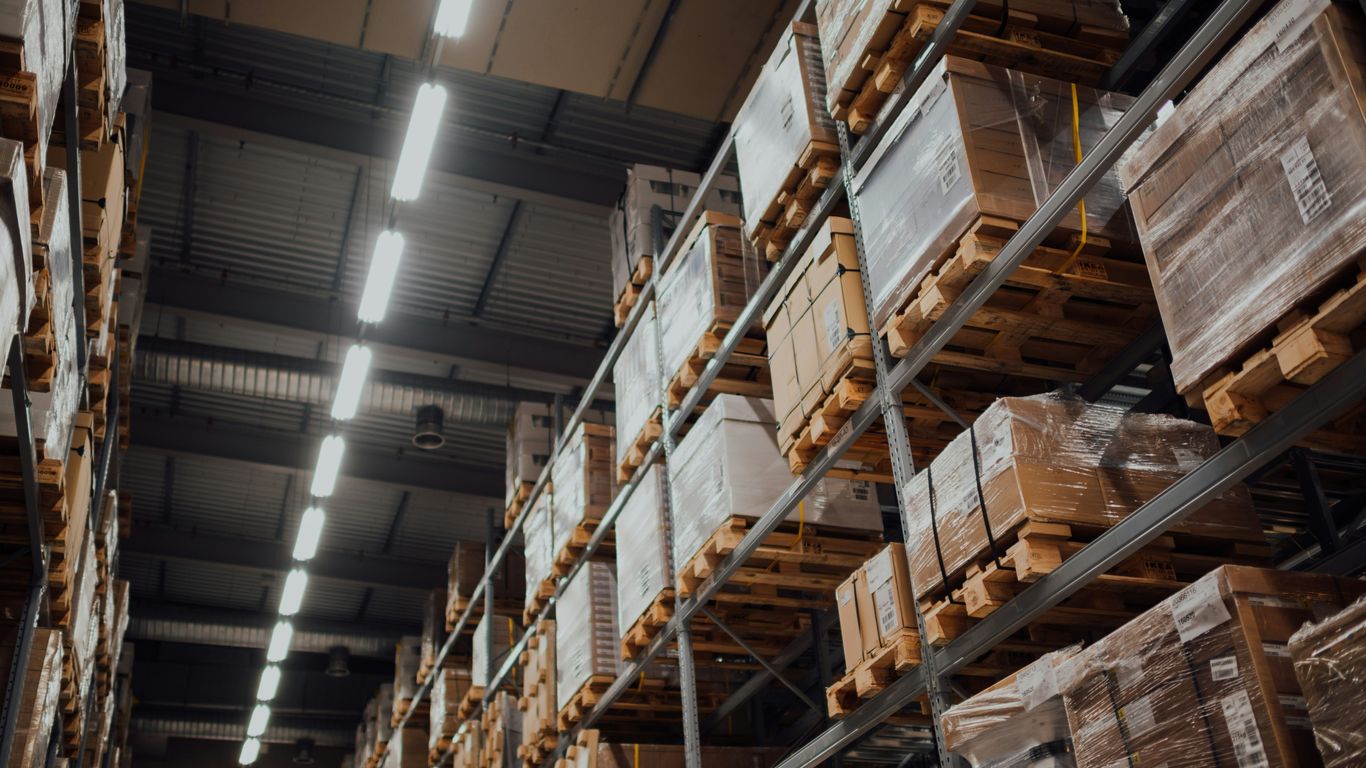
Compliance starts with understanding the origin status of your products, as the definition of manufacturing can be complex. Regulatory authorities require meticulous proof of manufacturing processes to allow the issuance of an origin certificate. Without these records, proving that a product is genuinely of local origin becomes impossible.
Determining the origin status of products
To determine if a good qualifies as local, you must look at its total manufacturing journey. This process involves evaluating whether the item was wholly obtained, or if it underwent significant, substantial transformation within the relevant territory. Assessing these criteria helps prevent misdeclaration and ensures you remain in good standing with customs authorities.
Rules of origin explained
Rules of origin define the threshold that a product must cross to be legally considered a product of a specific country. These rules are governed by internationally recognized standards that change based on the product’s classification and its destination. Businesses should consult the relevant handbooks to confirm that their goods meet the specific thresholds for each certificate application.
Maintaining accurate manufacturing records
Good record-keeping is the backbone of successful export compliance. By maintaining detailed logs of production materials, costs, and process flows, companies demonstrate transparency if an audit occurs. Organizing these files in a digital archive allows exporters to retrieve evidence quickly, which is a key recommendation found in the IMPORT.SG approach to trade operations.
Navigating the application process
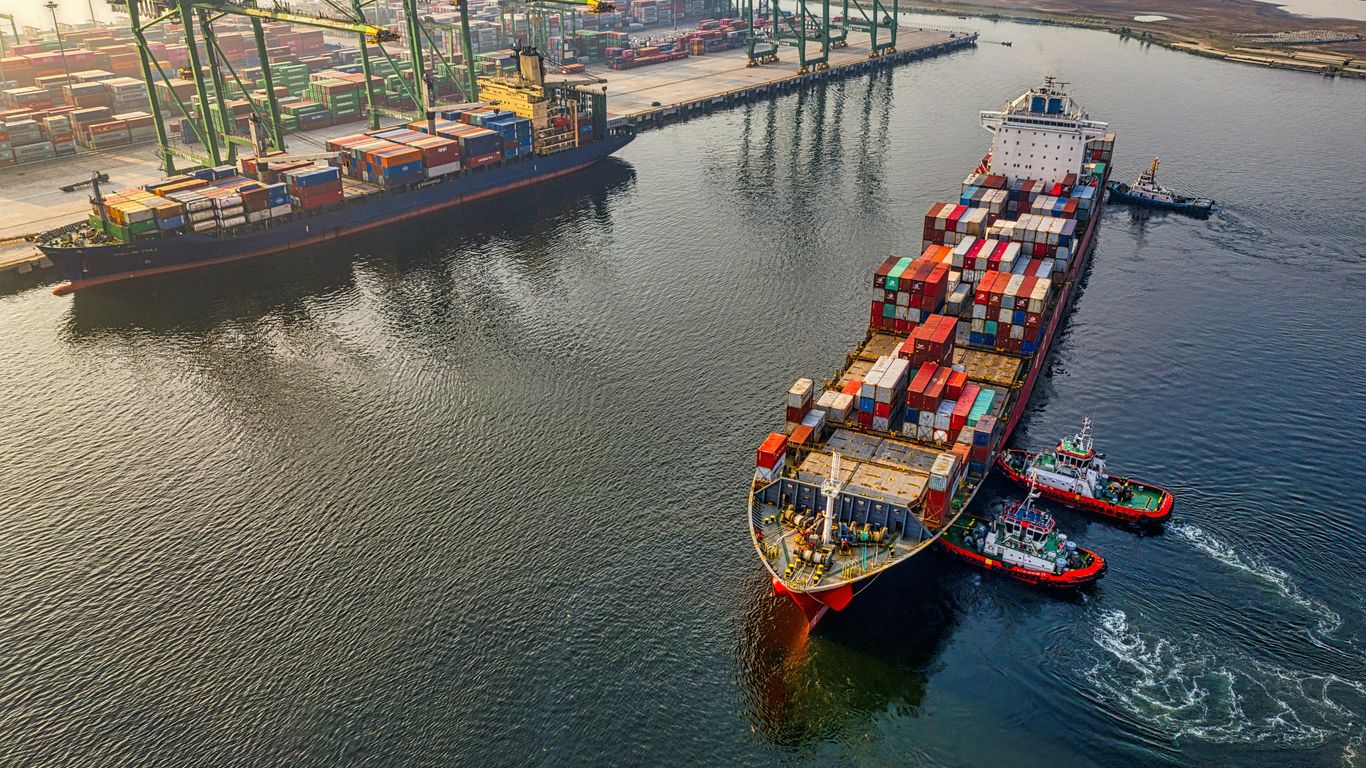
Understanding how to approach the application process is the difference between a smooth delivery and a stuck shipment. Many exporters find benefit in following a standardized, repeatable procedure. Consider the following steps to professionalize your workflow:
- Review the destination country import requirements.
- Collect necessary supporting documents like commercial invoices.
- Verify the product’s specific rules of origin.
- Complete the declaration in the official submission system.
Registering with an authorised body
The first step to how to get COO Singapore is to register with one of the authorized Chambers of Commerce or government agencies. Registration grants you the legal authority to sign and submit certificates on behalf of your business, ensuring that every document is stamped or endorsed by a trusted entity. Establishing this relationship early is a critical part of building your Singapore export documentation framework.
Preparing necessary supporting documentation
Preparation of supporting documents, such as supplier declarations and commercial invoices, must be done with extreme care. These records serve as your primary defense during an audit or verification exercise. Ensuring that these documents match the declarations made in your permit and certificate applications is mandatory for compliance.
Managing the declaration and submission stages
The declaration phase involves inputting precise data into the submission system. This stage requires diligence, as even minor discrepancies between the certificate content and the supporting documents can trigger rejection. By leveraging the integrated workflows offered by IMPORT.SG, firms can better manage these submission stages.
Choosing between digital platforms and authorised chambers
Digital platforms and chambers both play a role in the trade ecosystem, though their functions often differ depending on the technology stack in use. Exporters must identify the system that best matches their volume and the specific requirements of their importing market.
Using the CrimsonLogic TradeNet system
The TradeNet system serves as the primary national window for customs and trade document submissions. It integrates various government bodies into a single, cohesive electronic environment, allowing for rapid processing of permits and certificates. Frequent users benefit from the speed of the interface, which minimizes the time spent on manual administrative tasks.
Services provided by the Singapore International Chamber of Commerce
Working with an organization like the Singapore International Chamber of Commerce provides businesses with extra assurance when it comes to international acceptance. They offer expert guidance and endorsement for certificates, which is particularly useful for shipments bound for countries that place high value on traditional chamber-certified documentation. Their role in the ecosystem remains a staple for many exporters.
Role of Singapore Customs in verification
Singapore Customs provides the overarching framework and performs audits to protect the reputation of trade. They monitor compliance through post-export verification processes and regular spot-checks, ensuring that all businesses follow the established export permits Singapore guide. Their authority ensures that the integrity of the national certification process remains high, which in turn facilitates smoother transit for everyone.
Audits and managing documentation errors
Managing errors after a submission is a common, though stressful, part of the export cycle. While nobody aims for mistakes, having a clear policy on how to amend or rectify these issues is good practice. A methodical approach to fixing errors prevents long-term compliance issues.
Common reasons for application rejection
Rejections are frequently caused by missing information, inaccurate HS code classification, or discrepancies between documents. An application that does not match the commercial invoice is the most frequent culprit. Understanding these common pain points allows businesses to preemptively check their documentation before hitting submit.
Amending submitted certificates
If a mistake is spotted after submission, contact the certifying body immediately to assess if an amendment or cancellation is necessary. Acting quickly can often prevent the authorities from flagging the mistake during the processing stage. Proper documentation of the error and the subsequent fix is vital for your future audit trail.
Preparing for potential post-export verification
Post-export verification occurs when the destination country questions the origin of the goods. Exporters must be ready to provide original supporting records, including purchase orders and production logs, upon request. If the records are incomplete, the importing country may reject the goods or apply retroactive tariff adjustments, which can be costly.
Conclusion
Managing your export certifications effectively is a vital part of international trade. By maintaining accuracy in your documentation and choosing the right partners, such as those that provide expert Singapore export documentation support, you ensure your business remains compliant and agile in a competitive market.
Frequently Asked Questions
Do I always need a certificate for exports?
Not every shipment requires a certificate, but it is often mandated by the buyer, the destination country’s customs law, or as a requirement for certain trade agreements.
How does the preference system function?
Preferential status allows your goods to enter a market at a lower tariff or duty rate, provided you can prove the manufacturing meets the specific FTA rules for that region.
Can mistakes be fixed after export?
Correcting a document after the fact is difficult and often depends on the specific procedures of the destination country, potentially involving re-submission or formal communication with the authorities.
Who authorizes the issuance of these documents?
Authorized bodies include Singapore Customs, various Chambers of Commerce, and designated industry associations that are empowered to certify the origin of goods.
How long should I retain my records?
Standards typically suggest keeping all trade-supporting commercial and production records for at least five years to ensure you are fully prepared for potential audits.
Is electronic documentation accepted everywhere?
Most modern jurisdictions accept electronic documents, but you should always confirm with your buyer and your destination’s specific import regulations to be certain.
What happens if an audit finds an error?
Authorities may demand payment of back-dated duties, issue fines, or initiate investigations, which is why accurate and proactive record-keeping is essential for your business.