Customs Permits
Temporary Import Permit Singapore: Options for Goods That Will Be Re-Exported
Key Takeaways
A temporary import is planned around controlled entry and documented re-export, not simply a shipment that may leave Singapore later.
- Confirm whether the goods qualify for temporary admission before shipping.
- Choose between a Singapore Customs arrangement, an ATA Carnet or normal import treatment.
- Prepare consistent values, HS codes, descriptions, documents and shipment details.
- Keep goods identifiable and retain movement and export evidence throughout.
- Resolve amendments, extensions and discrepancies before the re-export deadline.
What a temporary import permit in Singapore is designed for
A temporary import permit Singapore arrangement is intended for goods entering Singapore for a defined purpose and leaving again within an approved period. The goods are not meant for ordinary local sale or consumption. The correct treatment depends on the goods, their intended use, the importer and the conditions attached to the declaration. Planning the outward movement at the same time as the inward shipment is therefore essential.
Temporary admission versus permanent import
Temporary admission keeps the customs purpose tied to a limited stay and a planned re-export. A permanent import, by contrast, generally treats the goods as entering the local market, with the applicable import taxes, controls and obligations. The distinction should be made before arrival, since a later intention to export does not automatically change the original import treatment.
The importer should be able to explain why the goods are entering, where they will be used, who will hold them and when they will leave. The re-export plan matters because it supports the requested customs treatment and the records needed to close it.
Goods and commercial situations that may qualify
Goods brought in for exhibitions, demonstrations, testing, repair, maintenance or short-term professional use may be suitable, subject to the relevant conditions. Examples can include display equipment, prototypes, tools, instruments and samples that are not intended for local sale. Controlled or restricted goods may require additional approval from the relevant Competent Authority.
The description should reflect the actual item rather than a broad commercial label. Serial numbers, model references, quantities and values are useful where they exist, particularly for high-value or technical cargo. A review of temporary import guidance can help frame the initial eligibility check, but the shipment still requires a fact-specific assessment.
Typical uses, including exhibitions, demonstrations and repairs
An exhibition shipment often has a fixed venue, event period and dismantling date, which makes the temporary purpose relatively clear. Demonstration equipment may be moved between sites, while repair goods may be imported for work and then returned to their owner. Each use creates a different record trail, even when the same customs arrangement is being considered.
Teams should align the commercial paperwork with the physical plan. A packing list that identifies each unit is more useful than a single line describing a mixed crate. For event teams, the exhibition import checklist offers a practical way to consider security, timing and handover records.
How re-export conditions affect the import arrangement
The approved period, permitted use and any security requirement are not administrative details to be left until the shipment is moving. They define what the importer must do while the goods are in Singapore. If the period needs to change, an extension or other approval may be required before the deadline rather than after it has passed.
The outward shipment should be planned against the original declaration, including the goods’ identity and quantities. If goods will be split across several consignments, the records must make each partial movement clear. The Temporary Import Scheme clarification is a useful reminder that unauthorised movements and missed procedural steps can create compliance exposure.
Compare the main options for temporary imports
There is no single route for every temporary shipment. The practical choice turns on eligibility, the countries involved, the number of border movements, the value of the goods and the evidence that can be maintained. Comparing the options early prevents a shipment from being presented under a treatment that does not match its purpose.
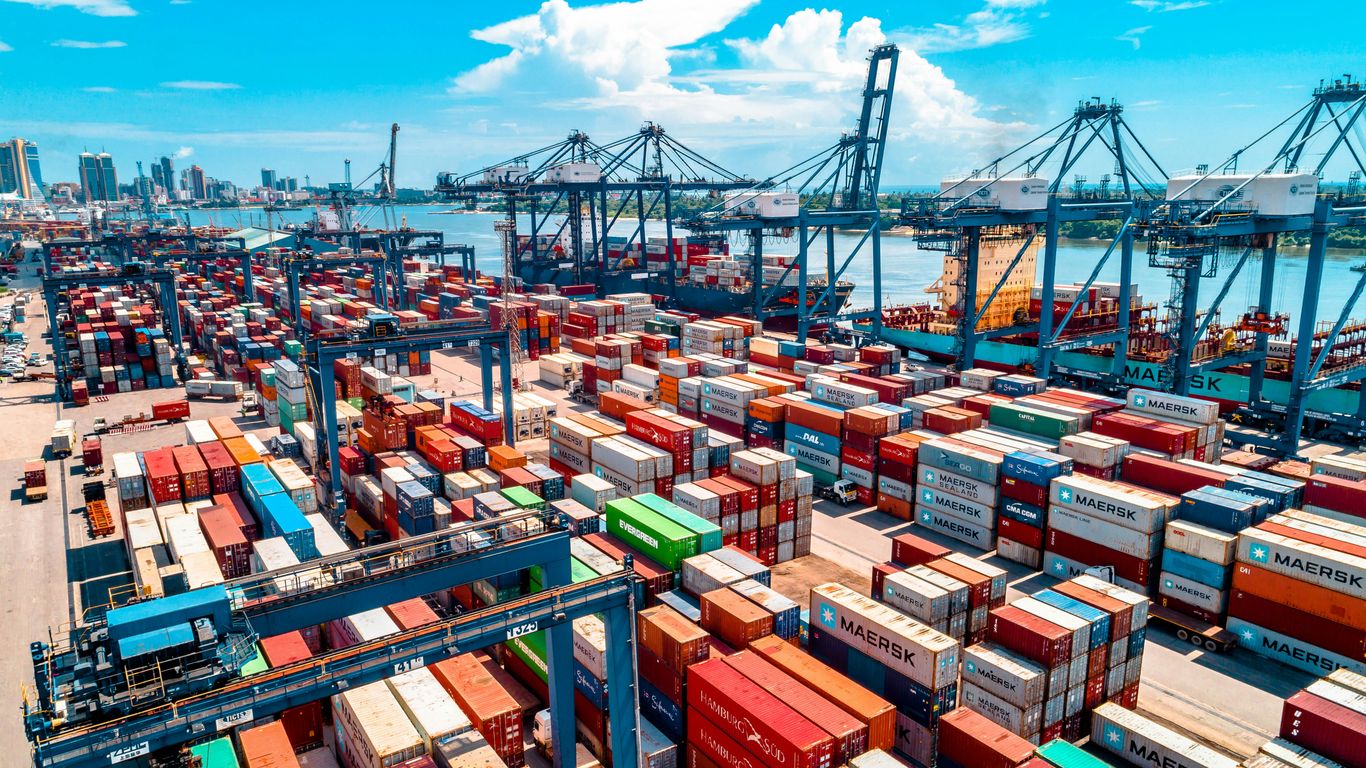
Singapore Customs temporary importation arrangements
Singapore Customs temporary importation arrangements may allow eligible goods to enter for approved purposes under specified conditions. Depending on the arrangement, duties and GST may be suspended or otherwise treated according to the scheme. The importer should verify the approved period, security, presentation and discharge requirements before relying on the arrangement.
A permit declaration remains a shipment-specific customs record. At IMPORT.SG, the Customs Permit Declaration service is positioned around preparing and coordinating that declaration within the agreed scope, rather than replacing Singapore Customs or another authority.
Using an ATA Carnet for eligible goods
An ATA Carnet can be useful where eligible goods will move through several participating customs territories under a recognised temporary-admission document. It may reduce the need for separate national import documents at each stage, but the carnet must be accepted for the goods and purpose concerned. Stamps, counterfoils and re-export evidence must also be handled correctly.
A carnet is not a blanket exemption from local controls. The holder should check the permitted categories, validity, route and presentation requirements before departure. A dedicated Carnet Application service may be considered where the shipment’s movements and supporting information fit that process.
Importing normally and exporting later
Normal import treatment may be appropriate where the goods do not qualify for temporary admission, where local sale or consumption is possible, or where the administrative simplicity outweighs a temporary scheme. Import taxes and other requirements then need to be budgeted and handled under the ordinary process. A later export is a separate customs event, not an automatic reversal of the import.
This route can be clearer for goods whose status may change in Singapore. It is less attractive when significant tax suspension or repeated temporary movements are central to the project. The decision should be documented rather than made solely on freight timing.
Choosing between a customs permit and a carnet
The choice should follow the shipment’s actual route and controls. A customs permit may suit a single Singapore entry with a clearly managed outward movement, while a carnet can be more practical for eligible goods travelling through multiple countries. Cost, security, validity, presentation and the ability to match goods at each border all matter.
| Consideration | Customs arrangement | ATA Carnet | Normal import |
|---|---|---|---|
| Main use | Temporary entry under Singapore conditions | Temporary movements through participating territories | Goods treated as ordinary imports |
| Key evidence | Permit, goods identity and export proof | Carnet entries and customs endorsements | Import and subsequent export records |
| Tax planning | May involve suspension if approved | Depends on acceptance and local rules | Import taxes normally considered |
| Best starting question | What Singapore treatment applies? | Are the goods and route carnet-eligible? | Is temporary treatment unavailable or unnecessary? |
The table is a starting comparison, not a substitute for checking the declaration requirements. The safest option is the one whose conditions the team can meet in practice and evidence after the goods leave.
Check eligibility and prepare before applying
Preparation is where many temporary shipments either become manageable or acquire avoidable risk. The importer should establish the commercial purpose, customs status and outward plan before the cargo is booked. It is also sensible to check whether another authority regulates the goods, since a customs permit may not be the only approval needed.
Confirm importer registration and declaring-agent requirements
The party responsible for the Singapore import should have the required business registration and activated customs access, or appoint a declaring agent where appropriate. Roles should be agreed in writing: who supplies the data, who reviews it, who submits the declaration and who retains the final records.
The importer remains responsible for the accuracy of information supplied for the declaration, even when an agent submits it. Singapore import regulations provide useful context on registration, TradeNet and controlled goods, but shipment-specific checks still need to be completed.
Identify the correct HS code and customs treatment
The HS code influences customs treatment, possible controls and the information expected in the declaration. Classification should reflect the goods as imported, not merely the company’s internal product name. Technical specifications, composition, function and condition may be needed to resolve uncertainty.
The same item can create different questions depending on whether it is for repair, demonstration, processing or sale. If the code or treatment is uncertain, resolve that uncertainty before dispatch and keep the reasoning with the shipment file.
Establish the goods’ value, origin and intended use
Customs value, origin, ownership and intended use should be consistent across the invoice, packing list, transport document and permit data. A nominal value does not remove the need for an accurate value. Likewise, “no commercial sale” does not mean the goods can be described without enough detail to identify them.
A clear internal summary can help the declaring party work from one source of truth. It should state the event or project, location, dates, owner, recipient, planned use and return route. The import permit application guide sets out the type of business and shipment information normally needed for a TradeNet submission.
Review security, GST and duty considerations
Temporary treatment may involve security, GST or duty conditions, depending on the arrangement and the goods. Before arrival, confirm whether a security must be lodged, how long it must remain valid and what evidence will discharge the obligation. Do not assume that temporary status means every cost or control disappears.
For a compact pre-shipment review, the team should confirm:
- the goods are eligible and not subject to an overlooked control;
- the importer or declaring agent can submit the required permit;
- the security, tax and fee position has been budgeted;
- the re-export date and route are realistic; and
- serial numbers, quantities and descriptions match every document.
This sequence turns a broad intention to “bring goods temporarily” into an operational file that can be checked by logistics, finance and customs stakeholders.
Apply for the required Singapore import permit
Once the treatment is selected, the permit application should be prepared as a controlled data exercise. The declaration must describe the actual shipment, its value and its intended customs purpose. Late changes to the commercial or transport plan should be assessed promptly rather than silently carried into the submission.
Gather invoices, packing lists and supporting documents
The core file commonly includes a commercial or pro forma invoice, detailed packing list and transport document, together with evidence of the event, repair or project where relevant. Controlled goods may need approvals or supporting documents from a Competent Authority. Keep copies of the versions used for submission.
The invoice and packing list should agree on quantities, descriptions, values and marks. Where the goods have serial numbers or model references, include them consistently. Good document control makes a later inspection or re-export match much easier.
Submit the declaration through TradeNet
Singapore import permits are generally submitted electronically through TradeNet by the importer or an authorised declaring agent. The submission should use the correct permit type, customs procedure, HS code, value, origin, parties and transport information. The Singapore import permit guide explains the role of the electronic declaration and supporting documents.
At IMPORT.SG, document intake and Customs Permit Declaration work can be coordinated as an agreed service scope, with the client providing the underlying shipment facts. That division of responsibility is useful because the declarant can check formatting and completeness while the importer confirms the commercial truth.
Include the re-export deadline and shipment details
The inward declaration should be planned alongside the outward movement. Record the approved or intended re-export deadline, arrival and departure points, consignee, owner, conveyance and any required customs presentation. If the shipment will move to an exhibition venue after clearance, retain the delivery and handover trail.
Dates should be realistic rather than optimistic. Build in dismantling, packing, carrier booking, weekends and possible inspections. If the goods cannot leave on time, seek guidance on the available process before the deadline expires.

Handle customs queries, inspections or permit amendments
A query or inspection is easier to manage when the file contains a clear explanation of the goods and their temporary purpose. Respond using the same descriptions and values as the declaration unless a formal correction is required. Any amendment should be recorded with its reason, approval status and effect on the outward plan.
Do not move, unpack, substitute or alter the goods in a way that conflicts with permit conditions without checking the applicable requirements. If an authority requests additional evidence, provide it through the responsible declarant and retain the response with the shipment record.
Manage temporarily imported goods while they are in Singapore
Clearance is only the start of the temporary-import obligation. The goods must remain traceable, be used within the approved purpose and leave under the relevant export process. Operational teams should treat the permit, packing list and movement log as live controls rather than paperwork filed away after arrival.
Keep goods identifiable and maintain movement records
Photographs, serial numbers, asset tags, storage locations and signed handovers can help demonstrate that the exported goods are the same goods that entered. The level of detail should match the value, risk and complexity of the shipment. A single consolidated record is preferable to disconnected notes held by several vendors.
For an exhibition, record delivery to the venue, movement to storage, installation, dismantling and collection. For repairs, record receipt by the workshop, work status and return packing. These records can also expose a missing item early enough to investigate it.
Understand permitted handling, display and use
Temporary goods should be handled only in ways consistent with the approved purpose. Display, demonstration, testing, repair or maintenance may each have different practical implications. Local sale, consumption, unauthorised processing or movement to another party may require a different customs treatment or prior approval.
Brief everyone who touches the shipment, including venue staff, technicians and transport providers. A short written instruction should identify what may be done, who may authorise changes and where the goods must remain until export.
Manage transfers, split shipments and partial re-exports
A change of warehouse, venue or transport route can affect the records needed to show control of the goods. Split shipments should be mapped against the original packing list, with each unit allocated to an export movement. Partial re-export may be possible under the applicable arrangement, but it should not be assumed without checking the permit conditions.
Use a simple movement register with the following fields: item identity, quantity, location, custodian, date moved, outward shipment reference and status. Reviewing it at each handover reduces the chance that one remaining item is overlooked.
Deal with damage, loss, repair or changes in ownership
Damage, loss, repair beyond the approved purpose or a proposed ownership change should be reported and assessed promptly. The correct response may involve an amended declaration, additional tax, a replacement arrangement, a claim under the security or another approval. Do not treat an irrecoverable item as re-exported merely because it appeared on the original list.
Keep photographs, repair reports, insurance correspondence and disposal or transfer evidence. If the facts change, the customs record should change through the proper channel as well.
Complete the re-export and close the temporary import
The outward movement is the event that completes the temporary arrangement. It requires more than placing the goods on a truck or aircraft: the export permit, transport documents, goods identity and customs evidence must align. Start the closing review before packing so discrepancies can be corrected while the goods are still accessible.
Arrange the export permit and transport documentation
Confirm whether an export or re-export permit is required for the goods, route and transaction. Singapore generally uses transaction-specific permits and approvals rather than one universal export licence, so the correct treatment depends on the shipment. The export permit requirements guide is useful when checking whether the outward movement needs an approval.
Prepare the commercial or re-export invoice, packing list, transport booking and any supporting permit references. The export data should carry forward the same descriptions, quantities and identifying marks used at import.
Match the re-exported goods to the original import
Before dispatch, reconcile the outward packing list to the original permit line by line. Confirm which units are leaving, which remain in Singapore and whether any item was repaired, replaced, consumed, damaged or lost. A mismatch should be resolved before the goods reach the checkpoint where possible.
Where a carnet is used, ensure the relevant customs endorsements are obtained. Where a Singapore permit arrangement is used, follow the procedure for presentation and discharge applicable to that arrangement. The objective is a clear chain from inward declaration to outward evidence.
Retain proof of export and customs records
Keep the approved permits, endorsed documents, bills of lading or air waybills, delivery records, inspection notes, correspondence and proof of export for the required retention period. The file should show what entered, what left, when it left and how any difference was handled.
A final closure checklist should be signed by the responsible importer or agent. At IMPORT.SG, the Carnet Application service and customs documentation work can be coordinated within the agreed scope, while the importer remains responsible for supplying accurate shipment information and following the applicable conditions.
Understand the consequences of late, incomplete or failed re-export
Late or incomplete re-export can lead to additional customs action, tax or duty exposure, security complications, penalties or difficulty using temporary arrangements in future. The exact consequence depends on the facts and the governing procedure. Early escalation is usually more useful than trying to recreate the evidence after the deadline.
If an item cannot leave as planned, pause the assumption that the file will close automatically. Ask the declaring agent or relevant authority what amendment, extension, payment or alternative declaration is required, and document the answer before taking further action.
Conclusion
A temporary import works best when eligibility, permit data, physical control and re-export evidence are planned as one process. By selecting the appropriate route, keeping descriptions consistent and addressing changes early, importers can reduce avoidable delays while meeting the conditions attached to the goods’ temporary stay.
Request coordinated support
If a shipment has a tight deadline or incomplete paperwork, request support from IMPORT.SG for coordinated customs declaration and trade documentation assistance within an agreed scope.
Frequently Asked Questions
What is a temporary import permit Singapore arrangement?
It is a customs arrangement for goods entering Singapore for an approved temporary purpose, with conditions requiring the goods to be re-exported within the applicable period.
Which goods may qualify for temporary admission?
Exhibition items, demonstration equipment, tools, samples, prototypes and goods sent for repair or testing may qualify, subject to the applicable scheme, controls and approvals.
Is an import permit still needed if the goods are not for sale?
Usually, goods entering Singapore must be declared under the relevant customs process even when they are not intended for local sale. The precise permit treatment depends on the goods and circumstances.
What is the difference between a temporary permit and an ATA Carnet?
A temporary permit is handled under the applicable Singapore customs process, while an ATA Carnet is a recognised temporary-admission document used for eligible goods and routes through participating customs territories.
Do temporary imports always avoid GST and duty?
No. Suspension or relief depends on the approved arrangement and its conditions. Security, taxes, duties and fees should be checked before shipment.
What records should be retained after re-export?
Retain permits, invoices, packing lists, transport documents, customs endorsements, inspection records, movement logs and proof that the exported goods correspond to the imported goods.
What should happen if the goods cannot be re-exported on time?
Contact the responsible declaring agent or relevant customs authority before the deadline and confirm whether an extension, amendment, payment or different declaration is required.