Classification
‘Ready for Customs Clearance’ Meaning: What Happens Next?
Key Takeaways
The tracking message “ready for customs clearance” usually means that a parcel has reached the stage where customs formalities can begin. It does not normally confirm that the shipment has been approved or released.
- The parcel may be waiting for declaration, assessment or further information.
- Customs may review the goods, value, origin and supporting documents.
- Import VAT, duty or handling charges may become payable.
- Delays are more likely when details are incomplete or goods are regulated.
- The carrier can usually confirm whether action is required from the recipient.
What ‘ready for customs clearance’ means
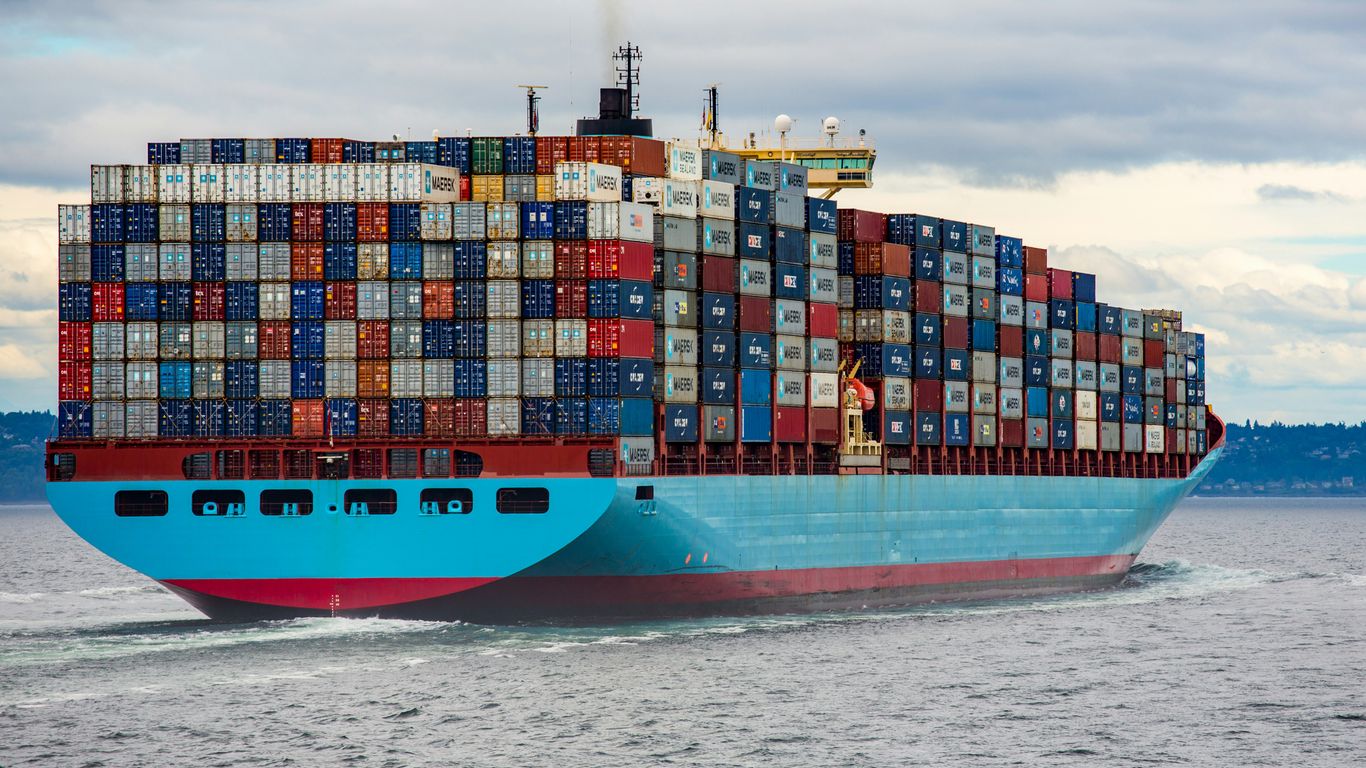
The phrase ready for customs clearance meaning is fairly straightforward, but tracking systems often use different wording for similar stages. In most cases, it indicates that the shipment is available for the customs process in the destination country. The parcel has not necessarily completed that process, so the next update may still depend on documents, payment or an inspection.
How the status differs from ‘customs cleared’
“Ready for customs clearance” describes a point before final approval. “Customs cleared” generally indicates that the relevant customs requirements have been accepted and the goods can proceed, subject to any remaining carrier arrangements. A tracking status alone may not show every administrative step, so the carrier’s detailed message is worth checking.
For a broader explanation of the distinction, see this customs clearance guide, which covers documentation, possible checks, duties and the meaning of completed clearance.
What the carrier or postal operator has confirmed
The carrier or postal operator has usually confirmed that the shipment has arrived at, or is being presented to, the destination-country clearance stage. This can mean that an arrival record, transport document or electronic notification has been received. It is not a guarantee that customs has accepted the declaration or that delivery is imminent.
The wording may also be generated automatically when a consignment enters a customs facility. It should therefore be read as a process marker rather than a personal request unless the message specifically asks for action.
Why the parcel may still be awaiting review
Customs authorities may need to compare the declared description and value with the accompanying paperwork. They can also assess whether the goods require a permit, licence or other approval. Where a query is raised, the carrier, a declaring agent or the recipient may need to supply clarification before the shipment can move forward.
The parcel may be physically present but still queued for document review. That is different from a formal seizure or refusal, although the tracking page may not explain the difference clearly.
When this status usually appears in tracking
This update commonly appears after an international shipment reaches its destination country and before the final customs decision. It can be shown before a declaration is submitted, while a declaration is being prepared, or while the shipment waits for an authority’s review. The exact timing depends on the carrier’s tracking terminology and the route involved.
How the customs clearance process works
Customs clearance is a sequence of administrative and regulatory steps rather than one single scan. The parties involved may include the carrier, importer, exporter, freight forwarder, declaring agent and relevant authorities. A useful overview of the customs clearance process can help identify which party owns each document and decision.
Arrival at the destination country
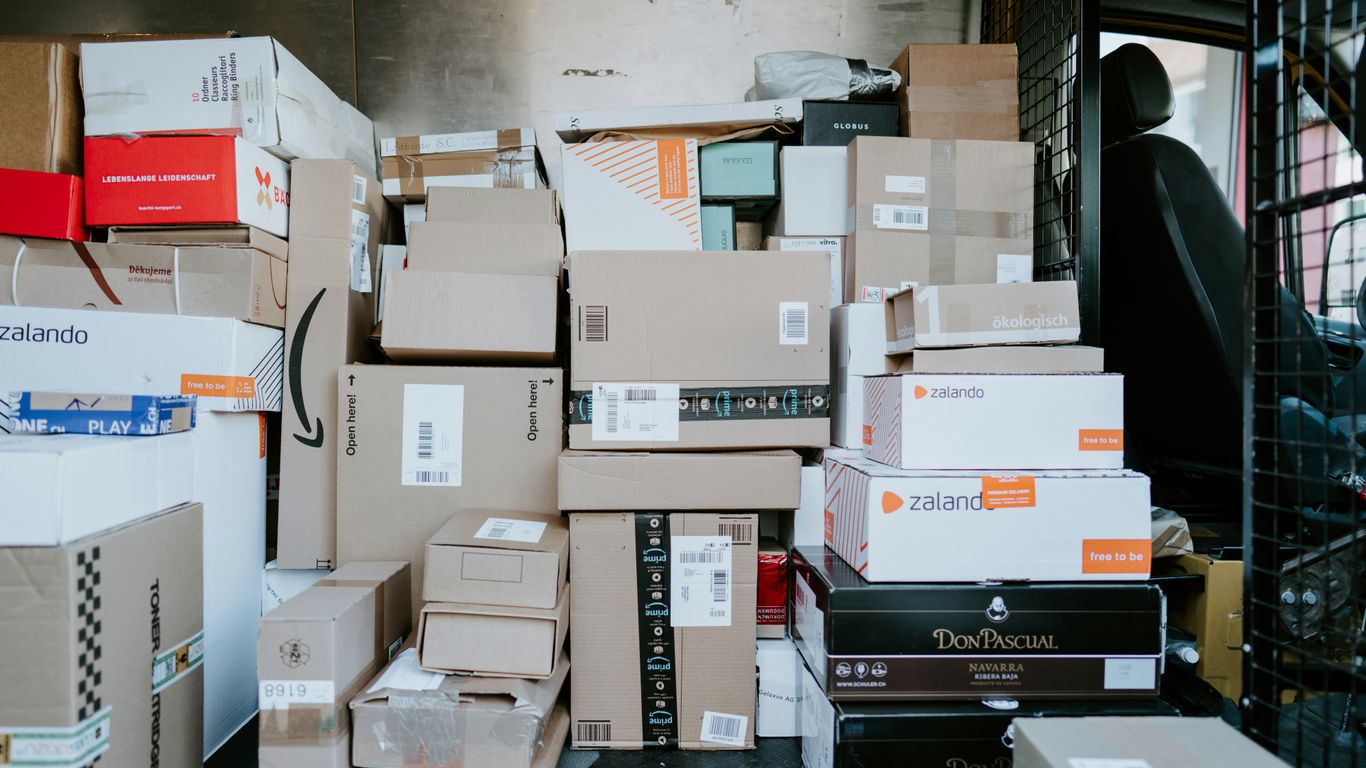
The shipment first arrives at a port, airport, postal hub or other designated location. The carrier records the arrival and may send an arrival notice or make the transport documents available. At this stage, the goods can remain under customs control while the required formalities are arranged.
Arrival does not automatically mean that the parcel is ready for final delivery. It simply places the shipment within the destination country’s import or transit process.
Submission of the customs declaration
A customs declaration provides information such as the goods description, quantity, value, commodity classification and country of origin. Supporting documents may include an invoice, packing list, transport record or relevant certificate. The declaration must be consistent with what is physically in the shipment.
For Singapore-related commercial shipments, IMPORT.SG provides customs declarations and trade documentation support within an agreed scope, including coordination of permits, origin applications and operational information. It does not replace Singapore Customs or control the authority’s decision.
Review of goods, value and documentation
Customs may assess the declaration and supporting paperwork, calculate applicable charges and determine whether additional checks are needed. A physical inspection is possible, but a document query or request for clarification may be enough to pause progress. The review is concerned with whether the shipment has been described and presented correctly under the applicable rules.
A consistent set of documents reduces avoidable questions. It does not remove the possibility of inspection or guarantee a particular clearance time.
Release to the delivery network
Once the required customs steps are completed, the shipment can be released for onward movement. The carrier may then move it to a local depot, delivery partner or final-mile route. A release scan and a delivery scan are separate events, so there may still be a short operational gap between them.
That handover is also where responsibility for the next movement becomes clearer. If the tracking page remains unchanged, the carrier can explain whether release has occurred but has not yet been scanned.
What happens after this tracking update
After the “ready” update, the shipment may move quickly or remain in review for a while. The next step depends on the declaration, the goods, the destination rules and whether any charges or documents are outstanding. Recipients should watch for a separate message rather than assuming that no action is needed.
Customs assessment and possible release
Customs may accept the information and release the shipment without contacting the recipient. Alternatively, an officer or processing system may identify a discrepancy, request supporting evidence or select the parcel for examination. The carrier’s tracking page may only display a general status while those checks take place.
A release decision comes from the relevant authority. A carrier or customs support provider can coordinate information, but cannot promise that the authority will approve a shipment.
Requests for information from the recipient
If more information is needed, the carrier may contact the recipient by email, text, telephone or through an online account. The request could relate to the purchase price, the contents, the intended use or the recipient’s identification. Use contact details shown on the carrier’s official website or existing shipment record when verifying a request.
Do not send sensitive documents to an unverified address. If the request is genuine, supplying a clear response promptly can prevent an otherwise avoidable pause.
Payment of import VAT, duty or handling charges
Depending on the destination, goods and shipping terms, the recipient or importer may need to pay import VAT, customs duty or a carrier handling fee. Government charges and carrier service fees are not necessarily the same thing. The amount and payer can also depend on the agreed commercial terms.
Before paying, confirm the parcel reference, the charge breakdown and the payment domain. A request that uses unusual payment methods, urgency or unrelated account details should be treated cautiously.
Handover to the local delivery company
Once customs has released the shipment and any required payment has been recorded, the carrier can hand it to the local delivery network. Tracking may then show an arrival at a depot, a delivery appointment or an estimated delivery date. The handover can take additional time if the parcel is transferred between operators.
This is why a customs release is encouraging but not identical to a doorstep delivery. The local carrier still has to sort and transport the parcel.
How long customs clearance can take
There is no universal clearance time for every parcel. A routine shipment with accurate paperwork may progress promptly, while a controlled item or unclear declaration can take considerably longer. For Singapore shipments, this clearance time guide explains how arrival, documentation, assessment and release can affect the timetable.

Typical timeframes for routine shipments
Straightforward consignments can sometimes clear within a working day, but that is not a promise for every route or shipment type. Postal parcels, express consignments and commercial cargo may follow different queues. The carrier’s service level may cover transport, while customs processing remains subject to external review.
If a delivery estimate was given before the parcel entered customs, treat it as provisional until the clearance stage is complete.
Factors that cause processing delays
Delays often arise from an incomplete declaration, missing documents, an unclear goods description or a question about value or classification. Controlled or regulated goods may require approvals before release. Physical inspection, storage arrangements and communication gaps between parties can also extend the process.
These issues are easier to understand when separated by their likely effect:
| Possible issue | What may happen | Useful response |
|---|---|---|
| Missing invoice or transport document | Processing pauses while evidence is requested | Provide a complete, readable copy |
| Unclear description or classification | Customs seeks clarification or reassesses the goods | Give precise product details and intended use |
| Controlled or regulated item | Additional approval may be required | Check the relevant licence or permit |
| Unpaid charge | Release may wait for payment confirmation | Verify and pay through the official channel |
The table is a practical diagnostic rather than a prediction. A carrier can confirm which, if any, of these situations applies to a particular shipment.
The impact of weekends, bank holidays and busy periods
Customs offices, carriers and warehouses may operate with reduced capacity during weekends, bank holidays and seasonal peaks. A parcel can therefore remain on the same status even when no problem has been identified. Time zones may add another working-day difference between a request being sent and a reply being recorded.
Allowing extra time around major sales periods or public holidays is sensible, especially for shipments with a fixed installation, event or production deadline.
When a lack of tracking updates becomes concerning
A short period without movement is not automatically evidence of a lost parcel. It becomes more concerning when the carrier’s published estimate has passed, a specific document request has gone unanswered, or the status remains unchanged for several working days without explanation. The appropriate threshold depends on the route, service and goods.
Keep the tracking history and all correspondence. Those records make it easier for the carrier to trace the shipment and identify where the delay sits.
What to do while your parcel is awaiting clearance
The best response is calm, specific and limited to verified information. Check the official tracking page, read every message attached to the shipment and keep the documents used for the purchase or dispatch nearby. If the shipment is commercial, a clear owner should be assigned for customs queries, charges and follow-up.
Check messages from the carrier or customs authority
Look for an arrival notice, document request, payment instruction or contact reference. Check spam and junk folders as well as the carrier’s online portal. Do not rely on a message that cannot be matched to the tracking number or that directs you to an unfamiliar payment page.
If the wording is vague, ask the carrier to state whether the shipment is awaiting a declaration, review, payment or physical release.
Prepare invoices, identification and product details
Keep the commercial or purchase invoice, proof of payment, packing information and transport reference available. Depending on the shipment, the recipient may also need identification or a precise explanation of what the goods are and how they will be used. The documents should agree on the description, quantity and value.
For businesses, declaration preparation is a useful way to organise the information before filing and to maintain a clear audit trail. Preparation cannot override a customs requirement, but it can reduce avoidable back-and-forth.
Pay legitimate charges through the correct channel
Verify the identity of the requesting carrier or authority before making any payment. Confirm what portion is tax or duty and what portion is a carrier or handling charge. Save the receipt and payment reference, since release may depend on the payment being matched to the consignment.
A genuine charge should be explainable against the shipment details. If it is not, contact the carrier using a trusted number rather than replying to the original message.
Contact the carrier if action is required
The carrier is usually best placed to say whether the parcel is in a customs queue, awaiting paperwork or held for a specific reason. Ask for the current status, the required action, the responsible office and any response deadline. A concise enquiry with the tracking number and relevant documents is more useful than repeated general messages.
For complex commercial movements, get customs support when document coordination or declaration assistance falls within the agreed scope. External authorities and carriers still retain control of their own decisions and timelines.
Common problems during customs clearance
Most clearance problems are practical rather than mysterious: the information supplied does not fully explain the shipment, or an additional control applies. The same parcel may pass through several systems, so small differences between the invoice, transport record and declaration can create questions. Reviewing the information as one connected set is often the quickest way to locate the issue.
Incorrect or incomplete declaration details
A declaration may be delayed when the quantity, value, origin or goods description is missing or inconsistent. An incorrect commodity code can also affect the assessment of duty, tax or regulatory requirements. Corrections may need to be submitted by the responsible declarant rather than by the recipient directly.
Do not guess at a correction. Ask the carrier or declaring party what information is required and whether a formal amendment is needed.
Missing paperwork or unclear item descriptions
Descriptions such as “parts”, “sample” or “gift” may not give customs enough information to assess the contents. An invoice that omits the seller, buyer, price or currency can create a similar problem. Supporting paperwork should describe the goods in ordinary, specific terms and correspond with the physical package.
If the shipment is commercial, IMPORT.SG can provide declaration and trade-documentation support within an agreed scope, including structured document review and coordination. The relevant authority remains responsible for reviewing and deciding the clearance.
Restricted, prohibited or regulated goods
Some goods require additional permits, certificates or approvals, while others cannot be imported or exported under particular conditions. Food, medicines, chemicals, animals, strategic items and other regulated categories may receive additional scrutiny. A parcel can therefore be delayed even when its invoice is complete.
Check the destination rules before dispatch where possible. If a permit is needed, establish who must apply for it and whether approval must be obtained before the shipment arrives.
Valuation, classification and country-of-origin issues
Customs may query whether the declared value reflects the transaction, whether the goods have been classified correctly or whether the stated origin is supported. Discounts, samples, bundled items and non-standard transactions can require clearer evidence. These questions may affect duties, taxes and eligibility for a preferential treatment.
A methodical record of invoices, product specifications and origin information helps the responsible party answer questions without introducing new inconsistencies. It also provides a better basis for correcting the declaration if required.
What to do if the status does not change
When a tracking message stays the same, begin with the shipment record rather than assuming the parcel is lost. The status may describe a queue that has not generated a new scan, or it may conceal an unanswered request. A structured follow-up should establish the physical location, the procedural stage and the next action.
Check the latest tracking information
Refresh the official tracking page and compare the newest event with earlier scans. Look for a separate message, attachment, reference number or estimated delivery change. Take a screenshot or record the date and time if the status appears to change and then revert.
Avoid relying on third-party tracking summaries when the carrier’s own record is available. The original operator generally has the most useful event detail.
Ask the carrier which customs office is handling the shipment
Contact the carrier through its verified support channel and ask which customs facility or processing team is handling the consignment. Request confirmation of whether the parcel has arrived, whether a declaration exists and whether an information request has been issued. This can distinguish a customs query from a transport-system delay.
Provide the tracking number, sender and recipient details, and the date of the last scan. Keep the enquiry factual and ask for a clear next step.
Find out whether the parcel is held or simply queued
“Held” may mean that a specific issue prevents movement, whereas “queued” may mean that processing has not yet begun or that the next scan is pending. Carriers do not always use those terms consistently, so ask what action, if any, is outstanding. If the shipment is waiting for documents, request the exact document type and submission method.
This distinction matters because waiting passively is reasonable for a normal queue, but not when a deadline has been set for a response.
Escalate an unresolved delay or request a refund
If the carrier cannot explain the delay after a reasonable follow-up, use its formal complaint or escalation route. For a time-sensitive commercial shipment, notify the sender, freight forwarder or responsible declaring party at the same time. A refund request may depend on the service terms and the cause of the delay, so retain receipts, tracking records and correspondence.
Escalation should seek a trace, explanation and remedy rather than assume that customs has made an error. The carrier can investigate its handling, while customs decisions remain with the relevant authority.
Next Steps for Customs Support
If a shipment needs organised document intake, permit coordination or declaration support, contact IMPORT.SG to discuss the shipment, timing and available paperwork. A quote can be assessed against the agreed scope, with one accountable contact for the relevant coordination.
Request a quote for practical customs and trade facilitation support.
Conclusion
“Ready for customs clearance” usually means that a parcel has reached the point where customs formalities can begin, not that it has already been approved. Check for requests, prepare consistent documents, verify any charges and ask the carrier whether the shipment is queued or held. With a clear record of the shipment and the next responsible party, most follow-up becomes more straightforward.
Frequently Asked Questions
Does ‘ready for customs clearance’ mean my parcel is in the destination country?
It often indicates that the shipment has reached, or is being presented to, the destination-country customs stage, but the exact wording varies by carrier. Check the latest scan and the carrier’s explanation for confirmation.
How long can a parcel stay ready for customs clearance?
It may remain at this status for part of a working day or several working days. The duration depends on the route, documents, goods, inspections, weekends, holidays and the workload of the relevant operators.
Will I have to pay customs charges?
Possibly. Import VAT, customs duty and carrier handling fees depend on the goods, value, origin, destination and shipping terms. Confirm the charge and payment channel before paying.
What documents might customs request?
Common requests include an invoice, proof of payment, transport details, product information, identification or a permit. The exact requirement depends on the shipment and the destination rules.
Can customs open or inspect my parcel?
Customs authorities may conduct a physical inspection or request further information. A tracking status does not usually reveal whether an inspection has been selected, so the carrier must confirm the specific position where possible.
What should I do if I receive no message?
Check the carrier’s official tracking page and contact the operator through a verified channel. Ask whether the parcel is waiting for a declaration, review, payment, documents or a new scan.
When should I worry about a missing tracking update?
Concern is more justified when the carrier’s estimate has passed, a response deadline has been missed or several working days have elapsed without a meaningful explanation. Keep the tracking history and escalate through the carrier’s formal support route if necessary.