Compliance Records
Phytosanitary Certificate Singapore: When Plant Products Need One
Key Takeaways
A phytosanitary certificate is a plant-health document used in international trade, but the exact requirement depends on the product, origin, destination and applicable conditions.
- Check the importing country’s plant-health conditions before arranging shipment.
- Live plants, seeds, fresh produce, soil and other regulated articles may need certification.
- The exporting country’s national plant protection authority issues the certificate.
- Import permits, inspections, treatments and additional declarations may apply alongside it.
- Match the certificate carefully with the permit, invoice, packing list and transport documents.
What a phytosanitary certificate means in Singapore
A phytosanitary certificate confirms that a consignment of plants, plant products or other regulated articles has been inspected under the applicable plant-health system. It is not a general customs document and does not replace an import permit or other approval. The requirement is determined by the relevant authorities and by the rules of the destination country.

The purpose of plant health certification
Plant-health certification helps demonstrate that an exported consignment meets the importing country’s plant-health requirements. It addresses the risk of introducing pests or diseases through international movement of plants and plant products. The certificate relates to the condition and compliance of the consignment, rather than proving commercial ownership or origin in the same way as a certificate of origin.
International guidance describes phytosanitary certificates as official documents issued within a national plant protection system. The plant health certification framework also distinguishes between certificates for export and those used for re-export.
Which authority issues and checks certificates
The certificate is issued by, or under the authority of, the exporting country’s national plant protection organisation. An exporter or private logistics provider may prepare information and coordinate an application, but the official authority remains responsible for inspection and issuance. Singapore’s receiving authorities may check the document against the shipment and the applicable import conditions.
This division of responsibility matters. A customs agent can help organise information, but cannot substitute for the official inspection or certification decision made by the competent plant-health authority.
How import and export requirements differ
For an import into Singapore, the key question is whether Singapore requires certification for the specific product from the specific source country. For an export from Singapore, the exporter must also consider the destination country’s rules and obtain any certificate or additional declaration that country requires. A re-export may involve a separate certificate process where goods have passed through Singapore.
The customs process sits alongside these plant-health steps. Importers can review the difference between an import permit and other approvals in this Singapore import permit guide, while exporters should check destination-specific conditions before dispatch.
Why requirements vary by plant product and destination
A living plant, a bag of untreated seed and a processed wooden article do not present identical pest risks. The country of origin, intended use, packaging, treatment history and final destination can all affect the conditions applied. Even similar products may be treated differently when they are for planting, consumption, processing or display.
That is why a broad assumption such as “all plant products need a certificate” is unreliable. The product description should be specific enough for the authority to classify the consignment correctly, while remaining consistent across every document.
Plant products that may need a certificate for import
Singapore importers should assess the actual contents of a shipment rather than relying only on a commercial description. Plant material can be regulated in several forms, including items intended for planting, consumption, decoration or industrial use. The following categories are common starting points, not automatic conclusions for every consignment.
Live plants, cuttings and planting material
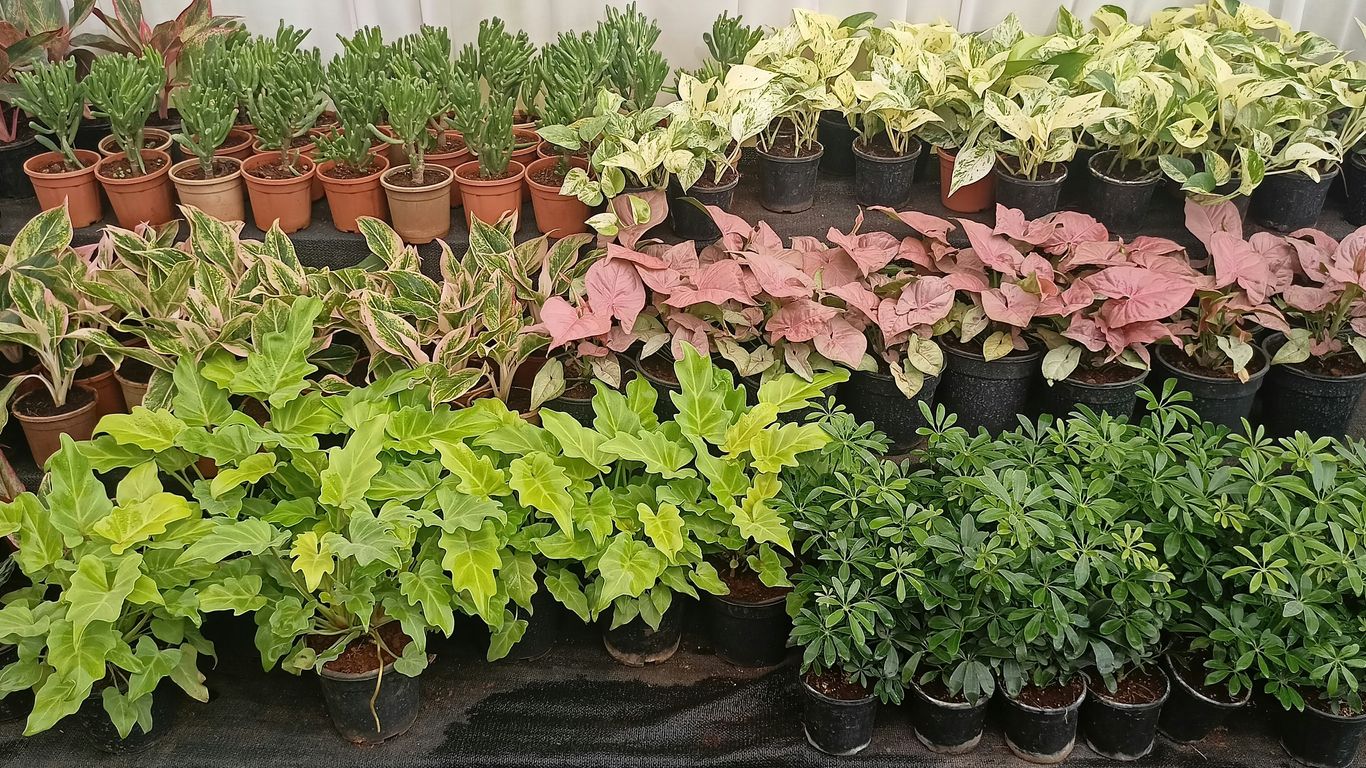
Live plants, cuttings, scions, grafting material and similar items can carry pests or diseases in leaves, stems, roots or attached growing material. They may therefore be subject to certification, import approval, inspection or conditions on packing and treatment. The scientific identity and intended use should be established before shipping.
A plant that appears healthy is not necessarily exempt. Visual appearance alone does not establish compliance with the importing country’s plant-health rules.
Seeds, bulbs, roots and other propagation materials
Seeds, bulbs, tubers, rhizomes and roots are often treated as propagation materials because they can introduce organisms capable of affecting crops or native plants. Requirements may depend on the species, quantity, origin and whether the material is commercially packed or intended for planting. Labels and supporting records should describe the material accurately.
Where a treatment has been required, the treatment record should correspond to the consignment and remain available for the authority or agent handling the shipment. A generic statement on an invoice is rarely a substitute for the prescribed documentation.
Fresh fruits, vegetables and cut flowers
Fresh produce and cut flowers may require plant-health certification because they can carry insects, fungi or other organisms. Separate food-safety or import controls may also apply, so a phytosanitary certificate should not be treated as the only document needed. Commercial importers should check both plant-health and food-import obligations before booking transport.
For broader clearance planning, the food import licence guidance can help identify when food-related approvals and transport documents may sit alongside plant-health paperwork. The two regulatory questions should be assessed separately.
Soil, growing media, wood and plant-based materials
Soil and growing media can present a particularly direct pathway for pests and diseases. Wood packaging, logs, bark, bamboo and other plant-based materials may also attract treatment, marking or inspection conditions, depending on their form and use. Processed articles can have a different risk profile, but “processed” does not by itself guarantee an exemption.
A useful preliminary review records the product, condition, use and packing method together. For a commercial consignment, the following details are especially helpful:
- The exact plant or material description and intended use.
- The country where the plant material was grown or produced.
- Whether soil, bark, leaves or untreated wood are present.
- Any treatment, sterilisation or inspection already completed.
These details give the relevant authority enough context to identify the applicable route. They also reduce the risk of a broad description being carried from the invoice into the permit and certificate.
When Singapore requires a phytosanitary certificate
The phrase “phytosanitary certificate Singapore” does not describe one universal rule for every plant-related shipment. The obligation usually follows the combination of product classification, origin, destination and official conditions. Importers should confirm the requirement before the consignment leaves the exporting country, because certification may need to precede dispatch.
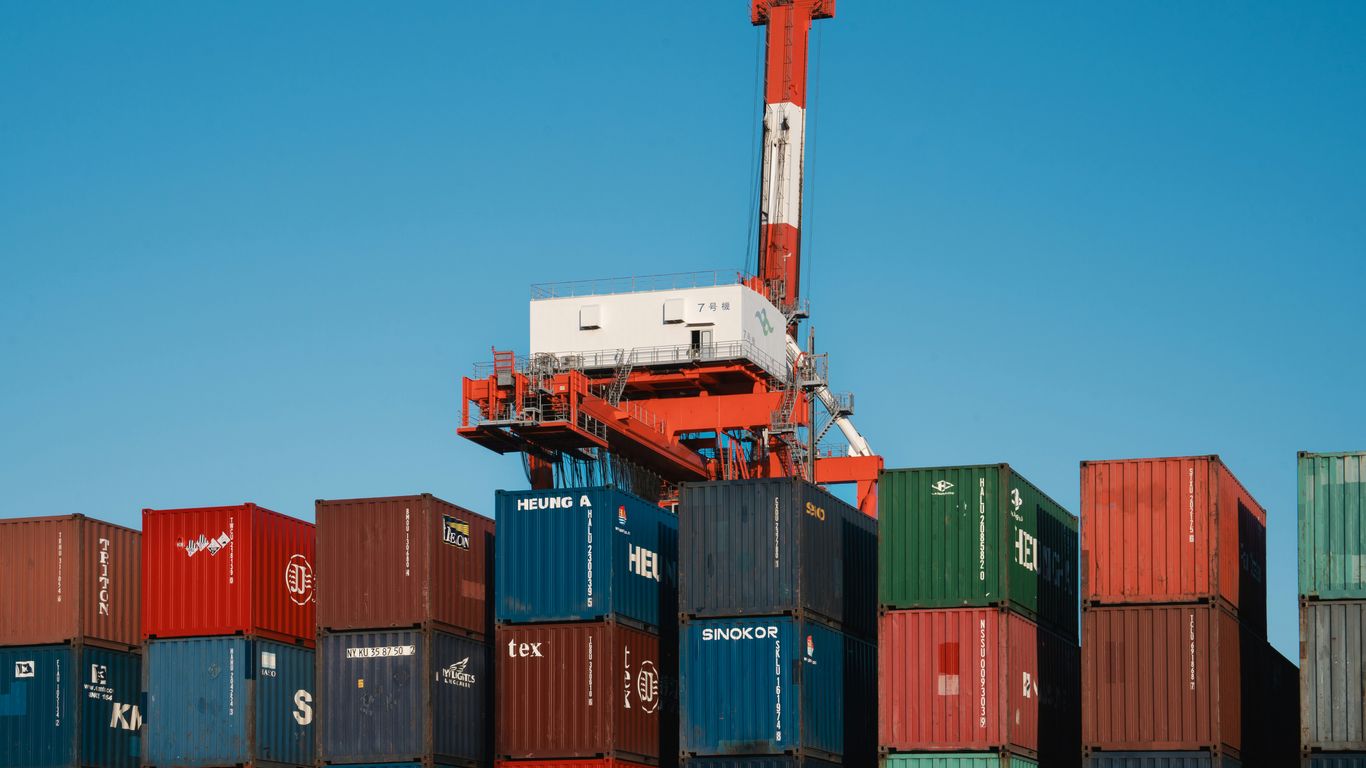
Importing regulated plants from another country
When Singapore regulates the imported plant product, the shipment may need an import permit, a phytosanitary certificate, inspection or specified treatment. The certificate is generally prepared in the exporting country by its national plant protection authority. It should be obtained in the form and within the timing required by the applicable conditions.
A customs import declaration alone does not settle the plant-health question. Importers should compare the product description and classification with the relevant permit instructions before the goods are handed to the carrier.
Re-exporting products that have passed through Singapore
A consignment that entered Singapore and is later sent to another country may be treated as a re-export. The destination country may ask for evidence of the original certification, proof that the consignment remained identifiable, or a re-export certificate issued through the relevant official process. The requirements will depend on the destination and on what happened to the goods in Singapore.
Re-export documentation should preserve the connection between the original consignment and the onward shipment. Changes in packaging, splitting of lots or storage conditions may affect what evidence is needed.
Meeting the destination country’s export conditions
Singapore exporters must work from the importing country’s conditions, not from assumptions based on Singapore’s own import rules. A destination may require a particular additional declaration, treatment, inspection window or wording on the certificate. The exporter should obtain those conditions early enough for the issuing authority to assess them.
This is separate from proof of commercial origin. Businesses dealing with origin paperwork may also consult the Certificate of Origin Singapore guidance, but a certificate of origin does not replace a phytosanitary certificate where plant-health certification is required.
Cases where permits, inspections or additional declarations apply
A phytosanitary certificate may be one part of a wider compliance sequence. Depending on the product, the shipment may also need an import permit, pre-export inspection, treatment record, laboratory information or an additional declaration addressing a named pest or condition.
International guidance states that additional declarations should be technically justified and that certificates must follow accepted official models. The re-export certificate guidance is useful when goods have been moved through an intermediate country or have undergone a change in shipment arrangements.
The practical lesson is to map the requirements before booking the shipment. A certificate obtained without the required declaration can still be unacceptable for the intended destination.
Situations where a certificate may not be required
Not every plant-derived product carries the same plant-health risk. Some goods have been processed to the point that pests are unlikely to survive, while others may fall within a narrowly defined exemption. These exceptions are product- and route-specific, so they should be treated as matters for confirmation rather than informal waivers.
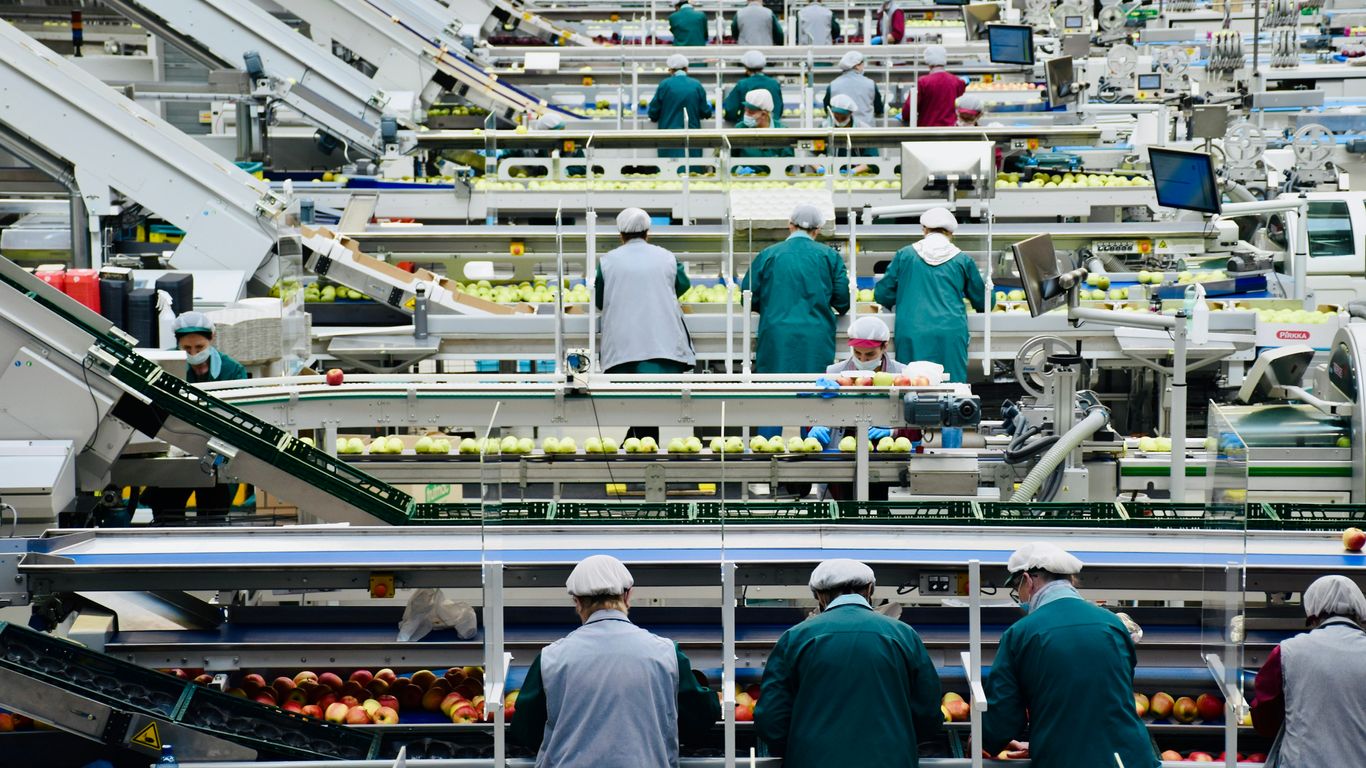
Processed plant products with minimal pest risk
Highly processed products may present less risk than fresh or living material. Examples can include certain manufactured plant products, depending on their treatment and final form. The relevant authority may still require a declaration, permit or supporting evidence, particularly where the product retains soil, bark, untreated wood or viable plant parts.
The key question is not simply whether an item is made from a plant. It is whether the product’s condition and processing remove or reduce the plant-health risk recognised by the applicable rules.
Small personal consignments and traveller baggage
Small quantities in personal baggage are not automatically outside plant-health controls. Travellers may face restrictions on plants, seeds, fruit, vegetables, flowers, soil and other biological material, even where the quantity is modest. Commercial and personal channels can also have different procedures.
A passenger should check the current requirements before packing the item. Declaring a product at arrival does not necessarily make an otherwise restricted item admissible.
Products covered by specific exemptions
An exemption may apply because of the product’s processing, packaging, intended use, quantity or origin. It may also depend on a list or condition published by the authority rather than on a general category such as “decorative” or “non-commercial”. The wording and limits of the exemption should be read carefully.
Other regulated-goods guidance can help explain how Singapore separates general permits from product-specific approvals. For example, the controlled goods requirements discuss the need to identify the relevant authority and match product details to the applicable authorisation.
Why an exemption should be confirmed before shipment
An incorrect exemption decision can result in inspection, storage, return or disposal, as well as extra transport and administrative costs. It can also be difficult to correct the position after the goods have left the exporting country. Written confirmation or a documented assessment is therefore preferable to relying on a supplier’s informal assurance.
Where the shipment is time-sensitive, the confirmation should be retained with the commercial and transport records. That creates a clear audit trail if the carrier, declaring agent or receiving authority asks why a certificate was not included.
How to obtain a phytosanitary certificate
The process normally begins with the importing country’s conditions and ends with an official inspection or certification decision in the exporting country. The exporter, importer, freight forwarder and issuing authority each have different responsibilities. Early coordination is particularly useful where the shipment contains several plant products or has a fixed sailing date.
Checking Singapore’s import and export conditions
Start by identifying the commodity, botanical identity, origin, destination and intended use. Then check whether Singapore requires an import permit or certificate, and whether the destination country has separate export conditions for shipments leaving Singapore. Importers can also review the import permit requirements before asking a supplier to dispatch regulated goods.
This preliminary check should happen before final packaging where possible. The packaging, treatment and inspection requirements may affect how the goods must be prepared.
Applying through the relevant national plant protection authority
The exporter generally applies to the national plant protection organisation in the country of export. That authority may set its own application method, lead time, inspection arrangements and fees. A private agent can coordinate the submission, but the official authority controls the inspection and issuance of the certificate.
For example, the official certificate issuance system illustrates how a national plant-health service can track inspections and certify compliance for exported agricultural products. The specific system used will depend on the exporting country.
Preparing product details, treatment records and supporting documents
The application should use precise product information that can be reconciled with the invoice, packing list and transport booking. Relevant material may include botanical names, quantities, country of origin, treatment details, packaging information and any destination-specific declaration. Where several lots are combined, the records should show how each lot is represented.
A practical document pack commonly includes:
- The importer’s permit or written import conditions, where applicable.
- A commercial invoice and packing list matching the intended shipment.
- Treatment, inspection or laboratory records required for the commodity.
- Transport details, consignee information and the proposed dispatch date.
After preparing the pack, check that names, quantities and addresses are used consistently. This is also where IMPORT.SG can coordinate a Customs Permit Declaration within the agreed scope, using the shipment information supplied by the client; it does not replace the plant-health authority’s certification decision.
Arranging inspection before dispatch
Some consignments must be inspected before the certificate is issued, and the authority may require access to the goods in their final or near-final packing. Inspection timing should allow for corrections, treatment or a second review if the shipment is not ready. Booking transport before this stage is complete creates avoidable pressure.
The certificate should be available in the form accepted by the destination and linked clearly to the inspected consignment. A carrier’s booking confirmation is not evidence that the official inspection requirement has been met.
What the certificate must contain
A certificate is useful only when it identifies the right consignment and communicates the required plant-health information clearly. The exact model and fields are controlled by the relevant official system, while the importer and exporter remain responsible for supplying accurate commercial details. Errors that appear minor on paper can cause a document to be rejected or held for clarification.
Correct botanical names and consignment details
The product description should identify the relevant plant or plant product with enough precision for the authority to understand what was inspected. Botanical names may be required for plants, seeds or propagation material, alongside the quantity, number of packages and distinguishing marks. The certificate should describe the consignment actually presented for inspection.
Vague terms such as “garden goods” or “mixed plants” can create uncertainty when the permit or destination conditions require a more specific description. Any abbreviated wording should be accepted by the relevant authority before issue.
Country of origin, quantity and packaging information
The certificate should align with the country of origin and the shipment’s physical details. Quantity, packaging, marks, consignee and destination information should correspond with the invoice, packing list and transport document. If the shipment changes after inspection, the exporter should ask the authority how the certificate must be amended or replaced.
The Singapore customs document checklist provides a useful general reminder that commercial and transport documents should be reconciled before submission. Plant-health paperwork requires the same discipline.
Additional declarations and treatment statements
Some importing countries specify additional declarations concerning a pest, disease, treatment or production condition. Such statements should be included only when supported by the applicable requirements and the authority’s evidence. Treatment details should identify the relevant treatment and consignment rather than relying on an unconnected supplier certificate.
A declaration that is incomplete, unsupported or copied from an old shipment can undermine an otherwise valid certificate. Confirm the wording against the current destination conditions before the application is submitted.
Original, electronic and replacement certificates
The receiving country may specify whether it accepts an original paper certificate, an electronic certificate or a particular exchange system. The exporter should not assume that a scanned copy has the same status as an official electronic certificate. If a certificate is lost, contains an error or must be replaced, the issuing authority should direct the correction process.
Keep the original application records and any correspondence about amendments. This makes it easier to explain the certificate’s history if the importer, carrier or authority raises a query.
Avoiding delays and compliance problems
Most preventable problems arise from a mismatch between what was approved, what was certified and what was shipped. A document can be complete in isolation yet fail when compared with the physical consignment or another part of the declaration. A short pre-dispatch reconciliation is often more effective than trying to repair the record after arrival.
Matching the certificate to the import permit and shipping documents
Compare the certificate with the import permit, invoice, packing list, bill of lading or airway bill and any treatment record. Check the consignee, exporter, commodity, quantity, country of origin, package marks and destination. If the shipment is split or consolidated, confirm how the certificate and permit should reflect that change.
IMPORT.SG may coordinate document intake and a Customs Permit Declaration within an agreed scope, but the importer remains responsible for supplying complete and accurate information. The official authority remains responsible for plant-health inspection and certification.
Preventing mismatches in names, quantities and addresses
Use one controlled set of shipment data wherever possible. A spelling difference in the consignee, an outdated address, a different botanical name or a changed package count can prompt questions. Those inconsistencies are especially risky when documents are prepared by separate suppliers, forwarders and agents.
Before release to the carrier, assign one person to compare the final versions. The check should cover both text and physical details, including marks on cartons, labels and treatment records.
Managing pests, soil contamination and non-compliant packaging
Goods should be presented in the condition required by the importing country. Visible pests, soil attached to roots, unauthorised growing media or unsuitable wood packaging may lead to inspection findings even where a certificate has been issued. Packaging should therefore be checked before loading, not only at the destination.
Where treatment or approved marking is required, retain the relevant evidence and confirm that it applies to the packaging actually used. A clean document cannot cure a physical non-compliance.
Consequences of missing or inaccurate certification
A missing, inaccurate or unacceptable certificate can result in a hold, further inspection, treatment, re-export or disposal, depending on the authority’s decision. It may also create storage, demurrage and missed-delivery costs. The commercial impact can exceed the administrative cost of arranging the correct document at the outset.
The safest approach is to identify the responsible party for each step and record the confirmation before dispatch. For wider export administration, the export permit guidance explains why destination, product classification and end use can affect obligations beyond the plant-health certificate itself.
Conclusion
A phytosanitary certificate is one part of a wider plant-health and customs process. Confirm the product-specific conditions early, use the exporting country’s official certification route, and reconcile the certificate with every shipment document before dispatch. For coordinated documentation and customs support, request shipment support from IMPORT.SG so the agreed scope, information and next steps can be reviewed in one place.
Frequently Asked Questions
Is a phytosanitary certificate always required for plants entering Singapore?
No. The requirement depends on the type and condition of the plant product, its origin and the applicable Singapore import conditions. Some products may be exempt, while others may require a certificate, permit, inspection or treatment.
Who issues a phytosanitary certificate?
The certificate is issued by, or under the authority of, the exporting country’s national plant protection organisation. A private agent may help prepare information or coordinate the application, but it does not replace the official authority.
Is a phytosanitary certificate the same as an import permit?
No. An import permit authorises or records the import under the relevant national system, while a phytosanitary certificate addresses plant-health compliance for the consignment. Both may be required for the same shipment.
Do seeds and bulbs need a phytosanitary certificate?
They may. Seeds, bulbs, tubers, roots and other propagation materials can carry pests or diseases, so the requirement depends on the species, origin, intended use and current import conditions.
Can processed plant products be exempt?
Some processed products may have minimal plant-health risk and fall within a specific exemption. The exemption should be checked against the exact product, processing method, packaging and destination rather than assumed from a general description.
What happens if the certificate contains an error?
The shipment may be delayed while the authority reviews the discrepancy, and the certificate may need to be corrected or replaced. Contact the issuing authority promptly and do not alter an official certificate without following its prescribed process.
Should the certificate be obtained before the goods are shipped?
Usually, the requirement should be confirmed and the certificate arranged before dispatch. Some authorities require pre-export inspection or particular certificate details that cannot be added reliably after the goods have left the exporting country.