Freight Forwarding
Logistics Manpower Support Singapore: Flexible Assistance for Freight Operations
Key Takeaways
Accessing reliable personnel for supply chain operations helps businesses remain agile in a volatile market. The following points summarize the essentials of managing external staffing for logistics in Singapore.
- Logistics manpower support helps firms manage spikes in volume without permanent headcount increases.
- Outsourcing recruitment processes significantly reduces the time and administrative burden of hiring.
- Agencies provide specialized staff capable of performing critical tasks like warehouse picking and freight movement.
- Selecting a compliant agency protects the business from employment regulations and workplace safety liabilities.
- Effective onboarding of temporary personnel is fundamental to maintaining service quality and operational safety.
The role of logistics manpower support in Singapore
Adapting to fluctuating demand in freight operations
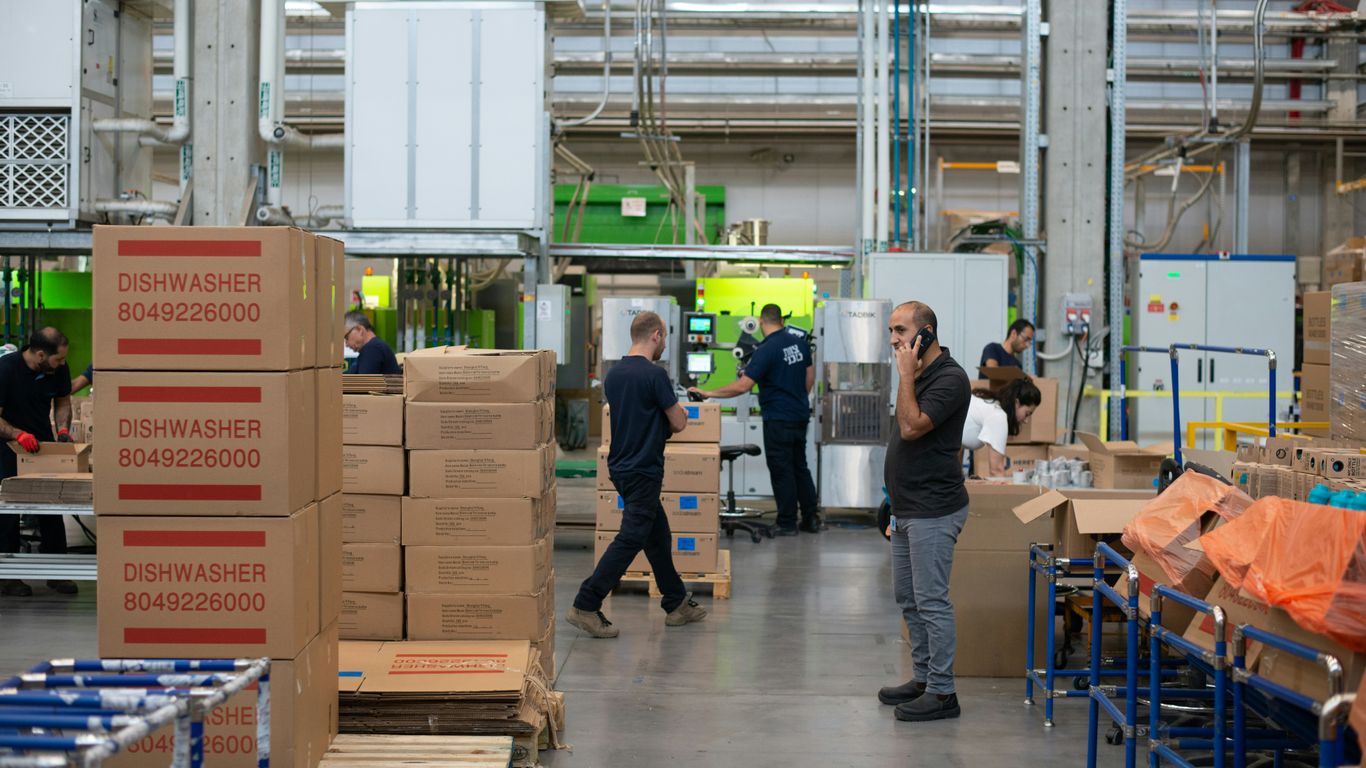
Businesses frequently encounter unpredictable surges in cargo volume that can quickly overwhelm existing internal teams. By using professional logistics manpower support Singapore, companies can scale their workforce up or down to align with these peaks. This flexibility ensures that cargo handling support is available exactly when required, preventing bottlenecks that may lead to operational downtime.
Addressing labour shortages in the local supply chain
Finding skilled workers remains an ongoing challenge in the local market, particularly for specialized roles in warehousing and transport. Deploying an on-demand logistics labour SG strategy allows firms to access pre-vetted talent pools without needing to run continuous recruitment campaigns. This approach provides a steady stream of personnel that helps bridge critical gaps in your operational capacity.
Strategic value of flexible staffing models
Adopting a flexible workforce for shipping Singapore allows management to focus resources on core business goals like expansion and process improvement. When tasks like cargo handling support are managed by external specialists, internal teams can dedicate their technical focus to complex trade decisions. For businesses integrating customs permit declaration or urgent trade operations into their routine, having a reliable support system acts as a foundation for broader growth.
Benefits of outsourcing freight operations staff
Cost reduction through variable staffing schedules
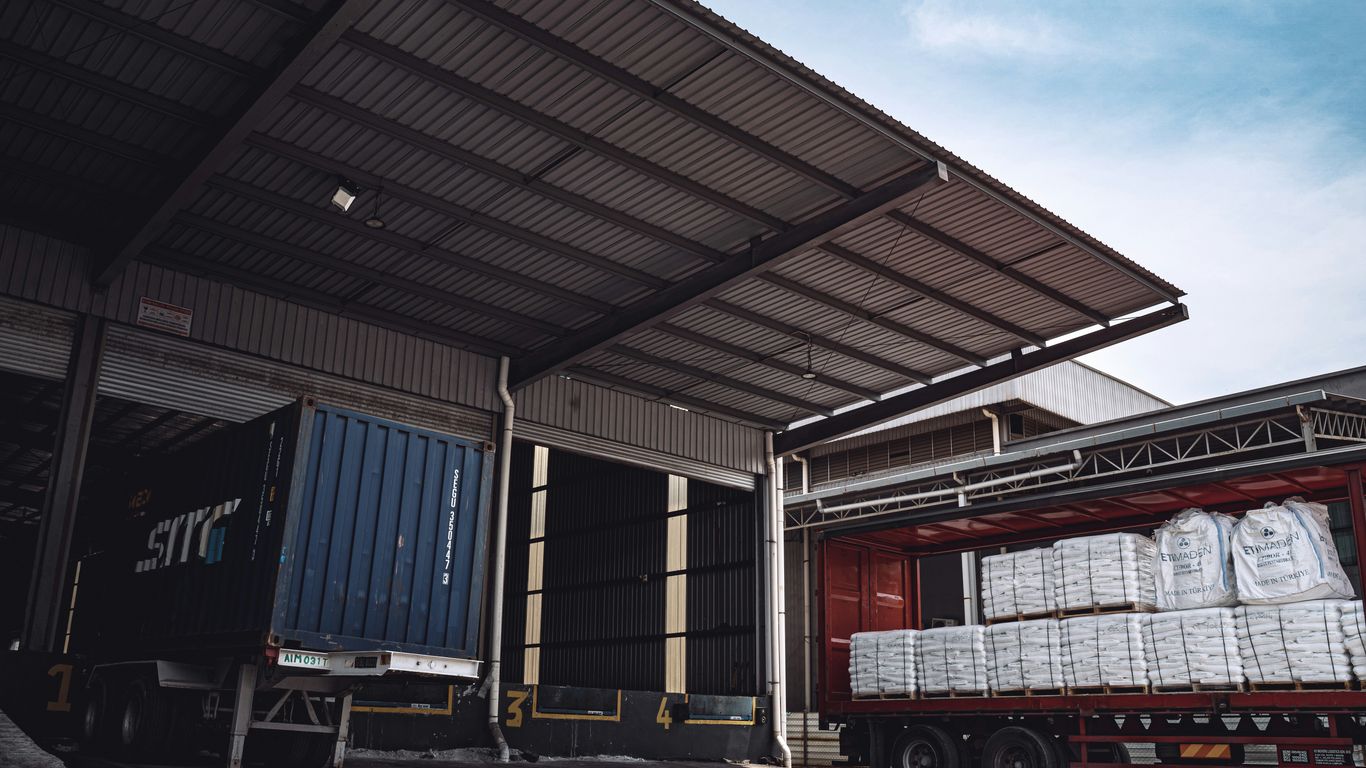
Outsourcing removes the heavy capital investment usually associated with permanent hiring and benefits administration. You pay for the hours or projects actually completed, which creates a more transparent line item in your accounting. This variable cost structure is particularly useful when you need to maintain lean overheads while still securing a fleet of transportation crew hire Singapore workers.
Minimising recruitment and onboarding timelines
Finding competent staff takes significant time from your HR team. Agencies usually maintain a ready database of workers who are already trained for tasks ranging from inventory management to freight coordination. This drastically speeds up the process, ensuring your warehouse staffing agency Singapore partner can deploy qualified personnel who hit the ground running.
Scalability during peak supply chain periods
During seasonal peaks or high-volume import months, traditional teams are often stretched beyond their limits. Contracting support staff allows for rapid scaling of warehouse manpower to meet shipment deadlines. This capacity keeps your operation resilient against delays, ensuring that goods reach their final destination without compromising on efficiency.
Access to trained personnel for niche operational tasks
Logistics requires specialized skills like cold-chain handling or hazardous material transport safety that aren’t common in all talent pools. Specialized agencies provide workers who are already trained to navigate these sensitive environments according to industry standards. This level of expertise is essential to minimize mistakes during high-stakes logistical tasks.
Types of roles available in temporary logistics staffing
Warehouse operations and inventory management
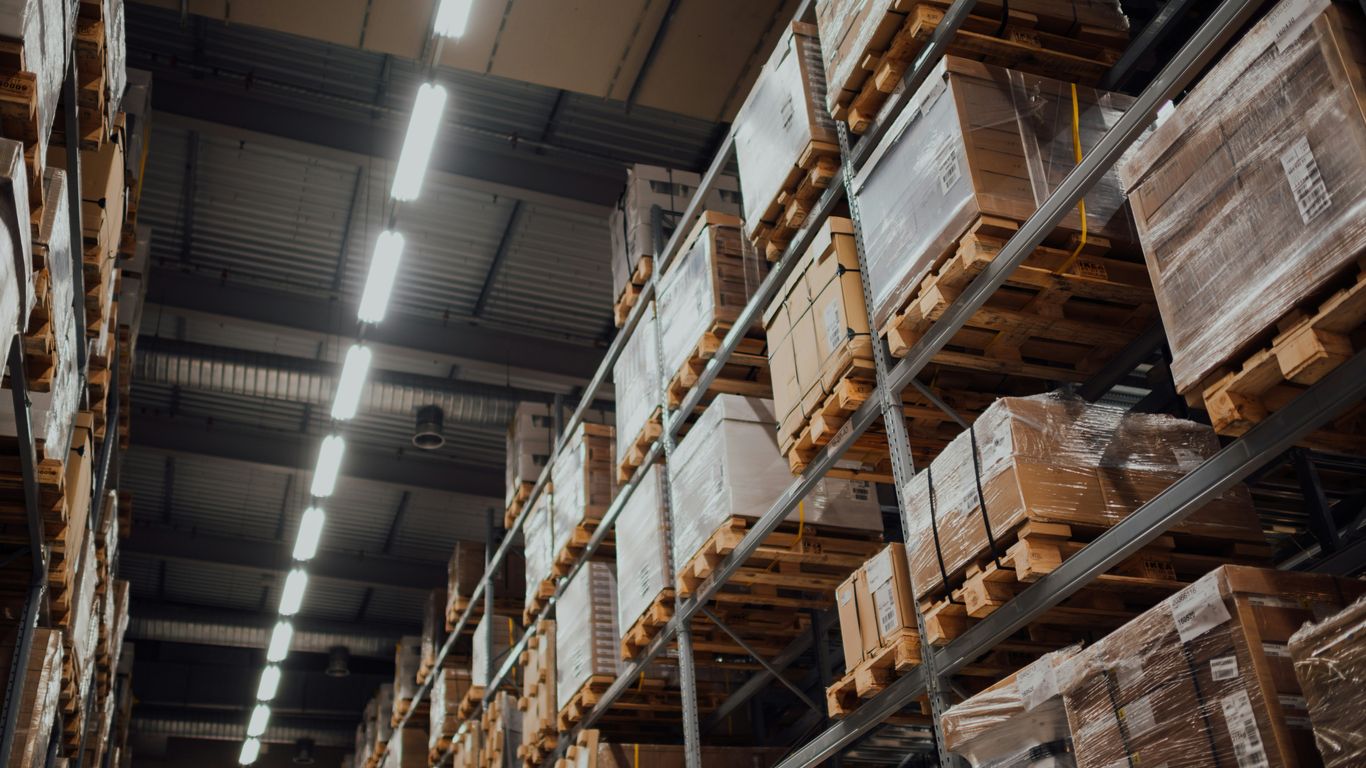
Warehouse operations require constant attention to detail to ensure that incoming goods are tracked correctly and outgoing orders are picked without errors. Whether you need workers for seasonal inventory counts or daily picking-and-packing, external staffing provides the necessary hands. Agencies often supply personnel who are well-versed in digital inventory software. The table below illustrates the roles available through warehouse manpower support services.
| Role Type | Primary Task | Skill Set Required |
|---|---|---|
| Order Picker | Inventory Retrieval | Scanner proficiency |
| Packer | Order Consolidation | Packaging compliance |
| Inventory Clerk | Data Entry | WMS software familiarisation |
Careful selection of these roles ensures your warehouse runs smoothly even during peak trading seasons.
Freight handling and ground transport support
Logistics operations depend on the movement of freight between ports and facilities, which requires careful manual handling and technical oversight. You can secure drivers and loading crew to ensure that your local distribution remains prompt. This ensures that freight staffing solutions Singapore providers help you manage the physical weight and complexity of moving bulk goods efficiently.
Last-mile delivery and logistical coordination
Last-mile success is often the biggest bottleneck for e-commerce companies in local supply chains. With access to temporary couriers and delivery coordinators, your brand can meet customer expectations for speed and precision. Using these services allows your logistics manpower support Singapore strategy to remain flexible regardless of geographic service range.
Administrative support for supply chain systems
Beyond manual labor, logistical efficiency requires back-office support for permit filing and document verification. Managing these administrative tasks requires a high level of accuracy to avoid documentation fines. IMPORT.SG provides professional services to centralize permit declarations and trade documentation, allowing your team to focus on overall operational planning.
Selecting a reliable manpower agency in Singapore

Evaluating the agency’s industry experience and reputation
An agency must demonstrate deep familiarity with the complexities of the logistics industry. Look for providers that have a proven tenure and positive testimonials from current clients. A reputable agency will have clear processes for every stage of staffing, from initial screening to conflict resolution.
Verifying compliance with Ministry of Manpower guidelines
The agency must be registered and fully compliant with Ministry of Manpower (MOM) standards to operate legally. You should request proof of valid licenses and check their track record regarding employee rights and safety. Working with licensed entities prevents unexpected regulatory issues and protects your brand from liability.
Assessing the quality of candidate screening and training
A strong agency does not just dispatch bodies; they evaluate if a worker is physically and mentally fit for specific logistics roles. Ask how they vet their candidates for relevant experience and aptitude. Proper training programs for safety and technical equipment proficiency are critical to reducing accidents on your floor.
Analysing pricing transparency and contract flexibility
Ensure that all costs, including insurance, statutory contributions, and management fees, are transparent. Hidden fees can quickly ruin the cost-saving benefits of outsourcing. Look for contracts that offer flexibility to scale your order size based on changing business reality without locking you into excessive long-term commitments.
Managing compliance and employment regulations
Adhering to the Employment Act in Singapore
Every worker you onboard, whether temporary or permanent, must reside under the protections offered by the Employment Act. This act covers essential areas like working hours, overtime pay, and leave eligibility. Failure to manage these aspects accurately can lead to severe fines and labor disputes.
Understanding work permit requirements for foreign staff
If you are hiring foreign temporary staff, you must strictly adhere to the specific work permit and local hiring quotas set by government authorities. Managing these requirements requires a firm focus on documentation and quota monitoring to avoid penalties.
Defining liability and workplace safety obligations
Workplace safety is arguably the most critical aspect of logistics staffing. According to standard operating protocols, you must ensure that external staff have been briefed on safety culture. Our approach to operational planning ensures that risk is proactively managed during all site activities. It is vital to prioritize safety across all logistical interactions.
Ensuring fair practices for temporary workers
Following fair standards isn’t just about compliance; it improves worker retention and the quality of performance on site.
- Maintain detailed records of all hours worked and tasks completed.
- Provide regular breaks to improve safety and focus throughout shifts.
- Implement transparent grievance channels for all personnel on your payroll.
- Ensure safety equipment and training are provided before work starts.
Maintaining these standards allows you to build a positive environment that discourages high turnover in your facility.
Best practices for integrating external staff into your workflow
Establishing clear communication frameworks for logistics teams
Communication is the glue that binds permanent and temporary staff together effectively. Establish a simple but reliable framework so that external personnel understand where they fit in the daily workflow. Use clear handovers and briefing sessions at the start of every shift to keep everyone informed.
Implementing standardised training for safety and efficiency
Every site has its own set of unique tools and procedural quirks. Never assume that incoming temporary staff know your specific operations. Run a short, intensive induction that covers site-specific safety rules, layout, and software usage effectively.
Monitoring performance KPIs for temporary personnel
Performance metrics provide a factual look at how your temporary staff are contributing to your business goals. Track throughput, error rates, and schedule adherence regularly. Use this data to provide constructive feedback to the agency partner so that they can refine their future candidate selections and training programs.
Ensuring cultural alignment during the onboarding process
Alignment goes beyond technical skill; it includes how staff interact with your internal culture and safety standards. When you request a quote from a trusted partner, ensure they understand your expectations for professionalism. Good alignment helps external workers integrate faster and work as part of the team rather than as outsiders.
Conclusion
Building an agile supply chain requires the right mix of internal knowledge and flexible human resources. By working with specialized agencies and using professional coordination for your documentation and administrative needs, you can maintain seamless operations even during intense periods of volatility.
Frequently Asked Questions
How does logistics manpower support improve warehouse efficiency?
It allows you to match staffing levels precisely to order volume, reducing both idle time and the pressure on permanent staff during peak hours.
Can temporary staff handle complex machinery?
Yes, provided they are properly vetted by an agency and undergo site-specific safety and operational training before starting their tasks.
Who is responsible for workplace safety for external staff?
Typically, both the host company and the manpower provider have shared statutory duties to ensure a safe environment for all workers onsite.
What happens if I have an unexpected surge in orders?
Reliable agencies often maintain standby personnel who can be deployed rapidly, allowing you to scale up capacity within hours to meet immediate demands.
Do I need separate insurance for temporary logistics workers?
Usually, the manpower agency handles statutory insurance, but it is essential to verify this in your contract to confirm the exact coverage for your facility.
How do I ensure my temporary staff know my safety rules?
Conduct a brief but mandatory onboarding session at the start of each assignment that covers the core safety drills and site-specific operational procedures.
What metrics should I use to track temporary worker performance?
Focus on key metrics like pieces processed per hour, error frequency in packing, and adherence to established workplace safety and hygiene protocols.