E-Commerce
E-Commerce Import Workflow Guide: How to Streamline Global Product Imports

Key Takeaways
Establishing a robust workflow is essential for scaling your retail operations, as it reduces administrative friction and prevents costly clearance delays. By standardizing your processes from procurement to final distribution, you can maintain better control over your cross-border supply chain.
- Standardise your product data collection to ensure consistency across all supplier communications.
- Implement a centralised platform for tracking every stage of your e-commerce import workflow.
- Prioritise accurate HS classification to avoid regulatory scrutiny and potential penalties at the border.
- Coordinate logistics capacity early to prevent warehouse bottlenecks during peak sales seasons.
- Audit your historical data regularly to identify recurring issues in your import process.
Setting up your e-commerce import strategy
Success in international retail starting with the right supplier foundation cannot be overstated. Developing a repeatable process for e-commerce import process management allows your team to focus on growth rather than constant administrative firefighting.
Identifying reliable international suppliers
Finding trade partners who value transparency is the first step in building a resilient supply chain. Vetting your partners involves more than just checking product quality; it requires assessing their capacity to provide detailed documentation consistently. Relying on IMPORT.SG for structured advice on trade documentation helps ensure you are asking suppliers for the right information from the start.
Establishing clear procurement timelines
Mapping your orders against transit times is critical for maintaining healthy stock levels. Planning your international e-commerce shipping needs requires accounting for seasonal demand spikes, production delays, and potential transit interruptions that could affect your cross-border e-commerce logistics.
Evaluating product quality and certification requirements
Ensuring compliance starts with verifying that your goods meet local market standards before they ever leave the origin country. When dealing with regulated items, you must ensure your e-commerce import strategy includes pre-checks for certifications and labelling. Retailers often benefit from adopting a structured approach to product data management for retailers to keep technical specifications accessible at all times.
Setting up a centralised procurement dashboard
Keeping your supply chain data organised in one location is a significant efficiency improvement for many businesses. When you use a dashboard to log order status, you gain visibility into transit progress and can better anticipate when new arrivals will hit your warehouse.
Managing essential shipping and import documentation

Accurate import documentation process is the backbone of efficient customs clearance. Providing your partners with clear, upfront requirements for invoices and packing lists ensures that your e-commerce customs compliance remains high, even when moving large volumes of inventory.
Understanding the commercial invoice and packing list
These documents are the primary records for customs authorities to verify the value, origin, and nature of your goods. Discrepancies between these files are the most frequent cause of preventable delays. You should standardise your document preparation to ensure every shipment flows through customs without unnecessary manual intervention.
Navigating certificate of origin requirements
Certificates of origin allow you to claim preferential duty rates if your goods qualify under specific trade agreements. Properly tracking these documents helps maintain your margins and shows customs authorities that you are managing your cross-border e-commerce import requirements with diligence.
Utilising HS codes for accurate duty assessment
Applying the correct HS code is not merely a formality; it directly affects the landed cost and the regulatory scrutiny your package receives. If you find classification confusing, consider the following key components for your assessment process:
| Attribute | Description | Impact |
|---|---|---|
| Material Composition | The core material of the item | Duty rate classification |
| Intended Function | How the end-user employs it | Customs risk profile |
| Value Threshold | Total declared commercial value | Tax and duty calculation |
After you have classified your items correctly, documenting the rationale for each code helps you defend your decisions during an audit, demonstrating that your e-commerce customs clearance process is founded on evidence rather than guesswork.
Preparing documents for customs authorities
Your preparation must be proactive rather than reactionary. By compiling a digital audit trail of every arrival, you build trust with clearance officials and streamline future handovers. Rely on the expertise at IMPORT.SG to refine your documentation habits and ensure all permits are prepared accurately.
Collaborating with freight forwarders and logistics partners
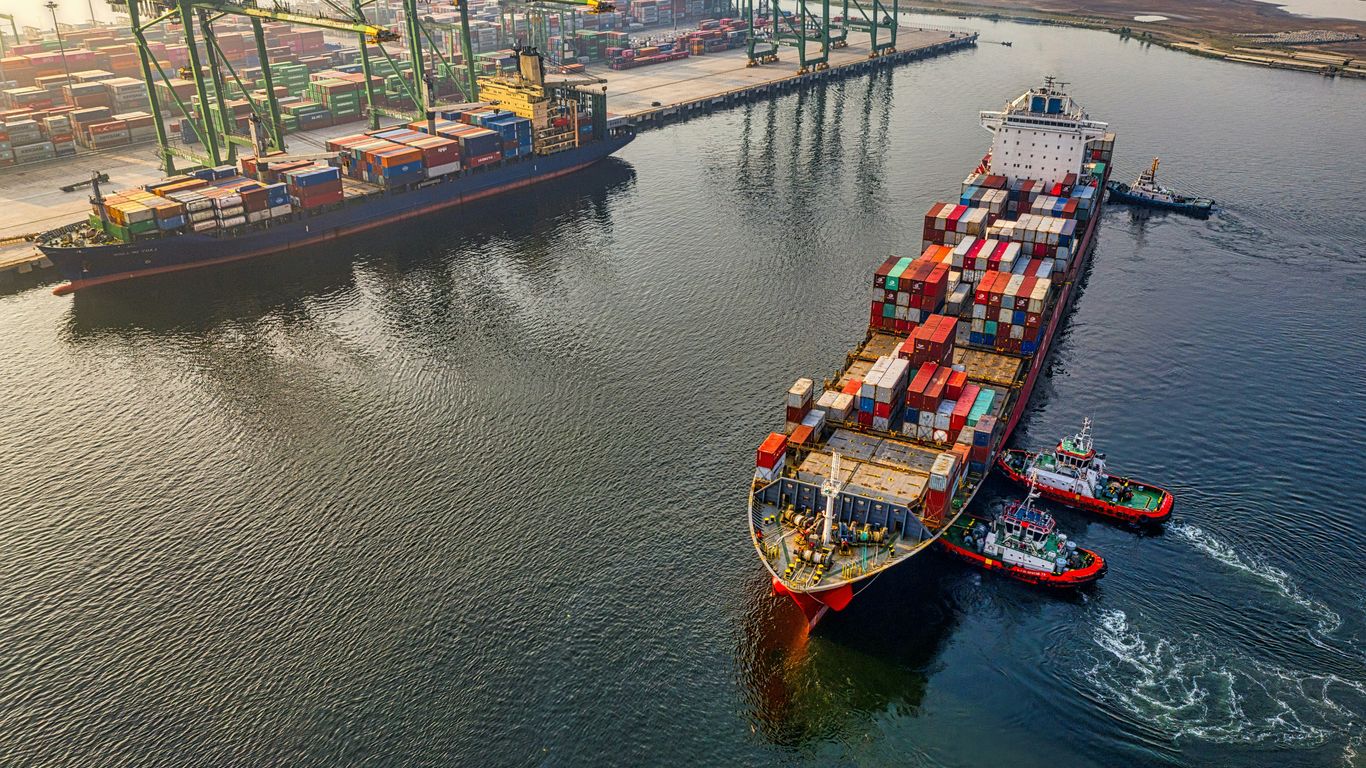
Strong relationships with logistics partners allow for smoother global retail logistics operations, particularly when dealing with complex or time-sensitive shipments. Clear communication regarding roles and responsibilities is essential to prevent costly standstills.
Deciding between air, sea, and rail freight
Choosing the right mode of transport depends on your specific product lifecycle and margin requirements. While sea freight is cost-effective for large, non-perishable stock, air freight is the standard for high-value items or urgent replenishment cycles where speed is the primary constraint.
Interpreting Incoterms for liability and risk
Understanding where your risk begins and ends is fundamental to managing your international shipments. Incoterms define the transfer of cost and responsibility, and you should ensure your contracts specify these terms clearly to avoid liability gaps during transit.
Integrating tracking data into your workflow
Visibility is a requirement for modern retail. By integrating shipment tracking directly into your import workflow automation tools, you gain the benefit of real-time alerts. This proactive monitoring allows you to address potential bottlenecks before they become critical issues for your retail operations.
Handling common logistics bottlenecks efficiently
Every logistics chain faces challenges, from port congestion to surprise custom inspections. Establishing a contingency plan for these events helps you stay in control.
- Establish clear escalation paths for communication with your forwarder.
- Create pre-built checklists for document corrections.
- Identify alternative storage or distribution paths if needed.
- Designate a single internal contact for logistics decision-making.
Using these steps keeps your team prepared for disruptions, ensuring that unexpected delays in one area do not cause your entire operation to fail.
Automating data entry and product uploads

Manually managing product data across multiple systems is a drain on resources and a common source of technical debt. Achieving seamless how to organise product data for international shipping depends on synchronising your digital records automatically.
Syncing supplier catalogues with e-commerce platforms
Automating your product ingestion means that updates to pricing, dimensions, or descriptions are reflected across your shop floor without manual re-entry. This reduces the risk of human error during bulk updates and helps maintain store accuracy.
Mapping product attributes for consistent data formatting
Consistent data formatting ensures that your inventory levels are always accurate and that customers have the correct product information. By mapping supplier attributes clearly, your import workflow remains reliable even as you add new catalog lines or expand into new international categories.
Automating stock level updates to prevent overselling
Maintaining accurate stock levels is vital, especially when your products are promoted across several channels. Real-time updates prevent you from promising items you no longer have, which protects your brand reputation and customer satisfaction.
Establishing data validation protocols for bulk uploads
Before pushing data live, your system should automatically validate the incoming records to ensure everything meets your formatting standards. This check acts as a final filter, ensuring that only clean, accurate product information reaches your customer-facing store.
Navigating customs clearance and fiscal compliance
Understanding the financial and regulatory aspects of the e-commerce import process is what separates successful retailers from those who struggle with fluctuating costs. Fiscal compliance requires a thorough understanding of your total landed cost, which includes hidden expenses often missed by beginners.
Calculating landed costs including VAT and duties
Your landed cost calculation must account for the full journey of your products. This includes duty, GST/VAT, and logistics overheads calculated at the point of entry.
Preparing for physical customs inspections
Physical inspections are a routine part of international trade, not necessarily a sign of a problem. Keeping your paperwork organised and cross-referenced with your shipment contents ensures inspectors reach a positive outcome quickly, keeping your customs workflow management moving without significant interruption.
Maintaining compliance with import restrictions and bans
Stay well-informed on local regulatory changes that might impact your product range. Importing controlled goods requires rigorous documentation and, in many cases, specific authorisation from local authorities. Use the insights available from IMPORT.SG to help guide your compliance strategy for these sensitive items.
Documenting import history for tax auditing
Keeping a detailed record of every transaction is essential for long-term tax readiness. A well-organised repository of permits, invoices, and payment proof provides the evidence needed for a smooth audit process.
Streamlining the post-import inventory flow
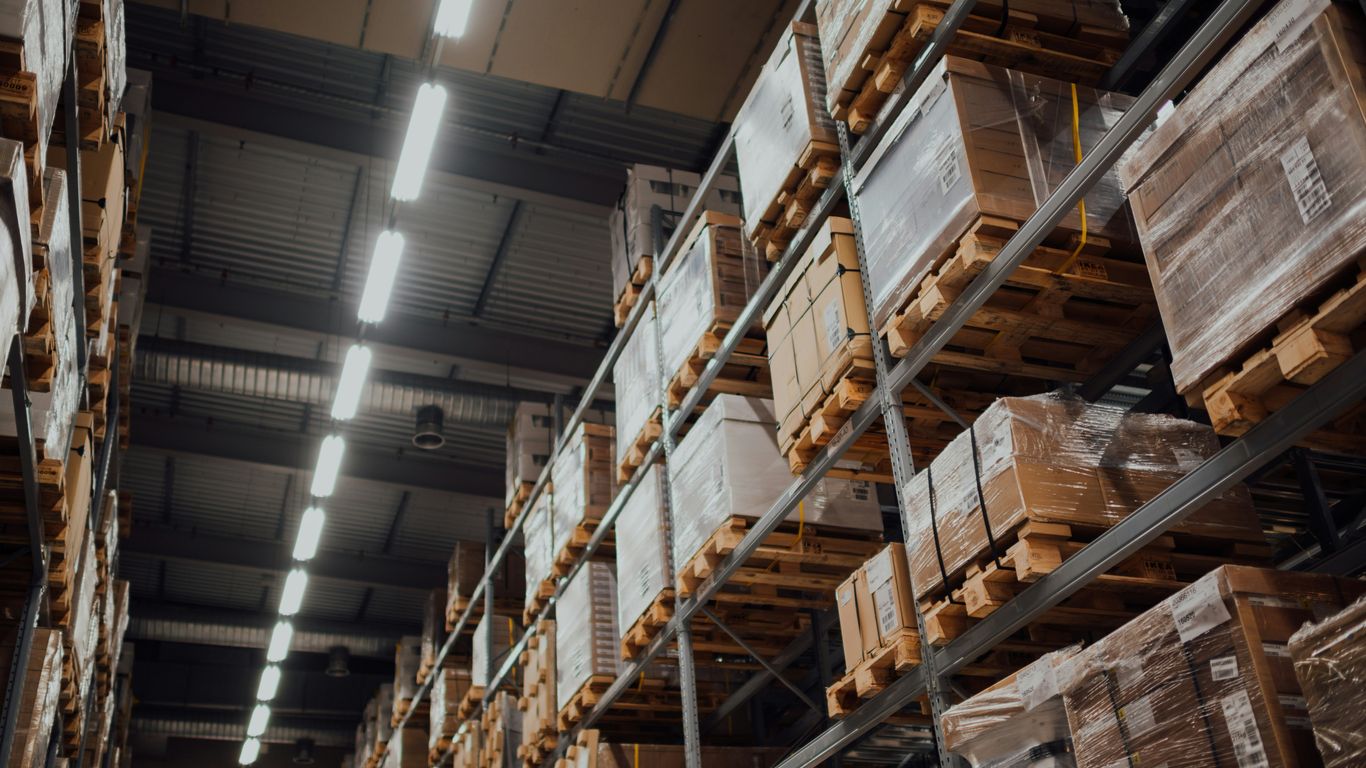
Once goods are cleared, your focus must shift to internal storage and distribution efficiency. A professional inventory intake process ensures that goods are available for sale as fast as possible upon arrival at your warehouse.
Coordinating arrivals with warehouse capacity
Aligning your inbound shipments with your staff capacity is simple yet vital. You should never schedule a massive delivery without ensuring your team has the floor space and the man-hours to complete a safe intake.
Implementing quality control checks after intake
Never send product directly to your shelves without verification. Opening sample crates to ensure the goods arrived in good condition allows you to address discrepancies with suppliers immediately, rather than discovering them when a customer returns a damaged item.
Optimising stock rotation and storage location assignment
An organised warehouse saves time every single day. By using a logical naming system for storage locations, your picking team can find and pack items more quickly, keeping your how to manage e-commerce imports efficiently goals on track.
Coordinating multi-channel distribution from your warehouse
Centralising your stock management ensures that orders from all your sales platforms are fulfilled correctly. This requires a strong central hub that can pull and update records as soon as an item is packed for dispatch, maintaining overall accuracy.
Conclusion
Optimising your international import process requires consistent attention to detail and a commitment to structured, proactive management across all logistical phases. By focusing on accurate documentation, automated data management, and strong partner communication, your business can navigate the complexities of global trade with confidence and agility.
Frequently Asked Questions
Why is HS classification so important for e-commerce imports?
Identifying the correct code dictates your duty rates and the regulatory requirements for your product, ensuring you pay the accurate tax amount and avoid customs scrutiny.
What does landed cost mean in an import context?
Landed cost is the full financial impact of bringing a product into your possession, including the purchase price, shipping, insurance, import duties, and taxes.
How often should I review my import documentation procedures?
You should review your procedures whenever you start a new product line, update your fulfillment software, or experience a significant change in local customs or tax laws.
What is the most common reason for import delays?
Incomplete or mismatched documentation, such as discrepancies between the commercial invoice and the packing list, is the most common reason for clearance hold-ups.
How can I make my warehouse inventory intake more efficient?
Improve intake by scheduling shipments to match your workforce capacity, performing spot checks upon delivery, and using a standardised storage labeling system.
What information should I demand from my international suppliers?
Ensure you always receive a clear commercial invoice, an accurate packing list, and the necessary certificates of origin to support your customs filings and duty claims.
What should I do if a shipment is held by customs?
Contact your carrier or customs agent immediately to identify the specific reason, provide any missing supporting documents promptly, and review your internal process to avoid a recurrence.
Request a Quote for Seamless Trade
Whether you are dealing with urgent logistics or general documentation needs, contact us to assess your specific requirements and receive a tailored proposal for your trade operations support. We provide a single contact point for managing your customs and trade compliance needs effectively.