Controlled Goods
Controlled Goods Screening Guide: How to Avoid Import Delays Before Shipment
Key Takeaways
Navigating international trade laws requires a systematic approach to identifying and documenting regulated inventory before it reaches the border. By following a structured compliance workflow, businesses can effectively mitigate the risks associated with cross-border shipments.
- Verification of export control classification is essential to determine if goods require special permits.
- Maintaining a consistent link between technical specifications and documentation prevents most common customs hold-ups.
- Automated screening processes significantly reduce manual errors and help stay current with shifting international sanction lists.
- Effective record-keeping creates a clear audit trail that simplifies future interactions with regulatory authorities.
- Proactive coordination with logistics partners ensures that documentation matches the actual goods being moved across frontiers.
Understanding the regulatory framework for controlled goods
Operating in global trade requires a deep understanding of the diverse mandates governing the movement of sensitive items. Rather than viewing compliance as a static checkbox, professionals must treat it as an evolving requirement dictated by international treaties and domestic policy. Importing technical equipment or sensitive materials often demands rigorous attention to both the origin and the intended end-use of the items to ensure they meet the criteria for legal transit.
Identifying relevant international export control regimes
International frameworks are built on multilateral agreements designed to prevent the proliferation of illicit technology and military capability. These regimes often harmonise how nations agree to monitor items that have both civilian and defense applications. When handling a controlled goods import, it is critical to understand that these international agreements set the baseline, which local jurisdictions then adopt and often refine with specific domestic requirements.
Differences between military and dual-use items
Distinguishing between purely military hardware and dual-use technology is a fundamental step in pre-shipment screening. Military items are primarily designed for combat, while dual-use goods have standard commercial functions but could be weaponised or enhance military capacity. Acknowledging this distinction allows companies to apply the correct level of scrutiny, preventing the misclassification of items like advanced sensors or specific industrial chemicals that are subject to strict export control regulations.
Assessing the impact of national legislation on imports
National laws represent the final authority on what enters or exits a territory, often imposing stricter rules than international baselines. Companies must consult the specific import permit requirements for their local port of entry to see how these reflect current geopolitical priorities. IMPORT.SG provides expert guidance to navigate these complex regulatory environments, ensuring that operational planning accounts for local nuances. Ensuring your business aligns with national protocols effectively reduces the risk of goods being detained upon arrival.
Identifying goods subject to export control screening
Accurate identification starts with looking beyond marketing brochures and digging into the actual technical capabilities of a product. Many companies struggle during the customs approval process because they identify items using vague commercial names rather than technical standards. By establishing a rigorous method for controlled goods screening, businesses can identify which of their assets require special handling before they ever book freight.
Determining Export Control Classification Numbers (ECCN)
Classification numbers provide a precise technical language for identifying items on controlled trade lists. By assigning the correct ECCN, exporters can immediately identify the need for specific licenses. Using product datasheets remains the most reliable way to confirm these specifications, avoiding reliance on general trade descriptions that might be deemed insufficient by customs officers.
Using product datasheets to confirm technical specifications
Technical datasheets serve as the evidentiary foundation for every classification decision. When an item is contested at the border, the documentation provided in these sheets acts as the primary defense for the classification chosen. It is vital to maintain updated files that capture the precise material composition, internal operating mechanisms, and intended use as stated by the original manufacturer.
Consulting the consolidated screening lists for restricted entities
Screening lists are updated frequently to reflect changes in international relations and security risks. Before shipping any regulated goods shipping, you must check the parties involved—including the buyer, the end-user, and the freight forwarders—against these lists. Failing to conduct this due diligence can result in severe legal consequences if your goods are delivered to a restricted entity.
The technical process of controlled goods screening
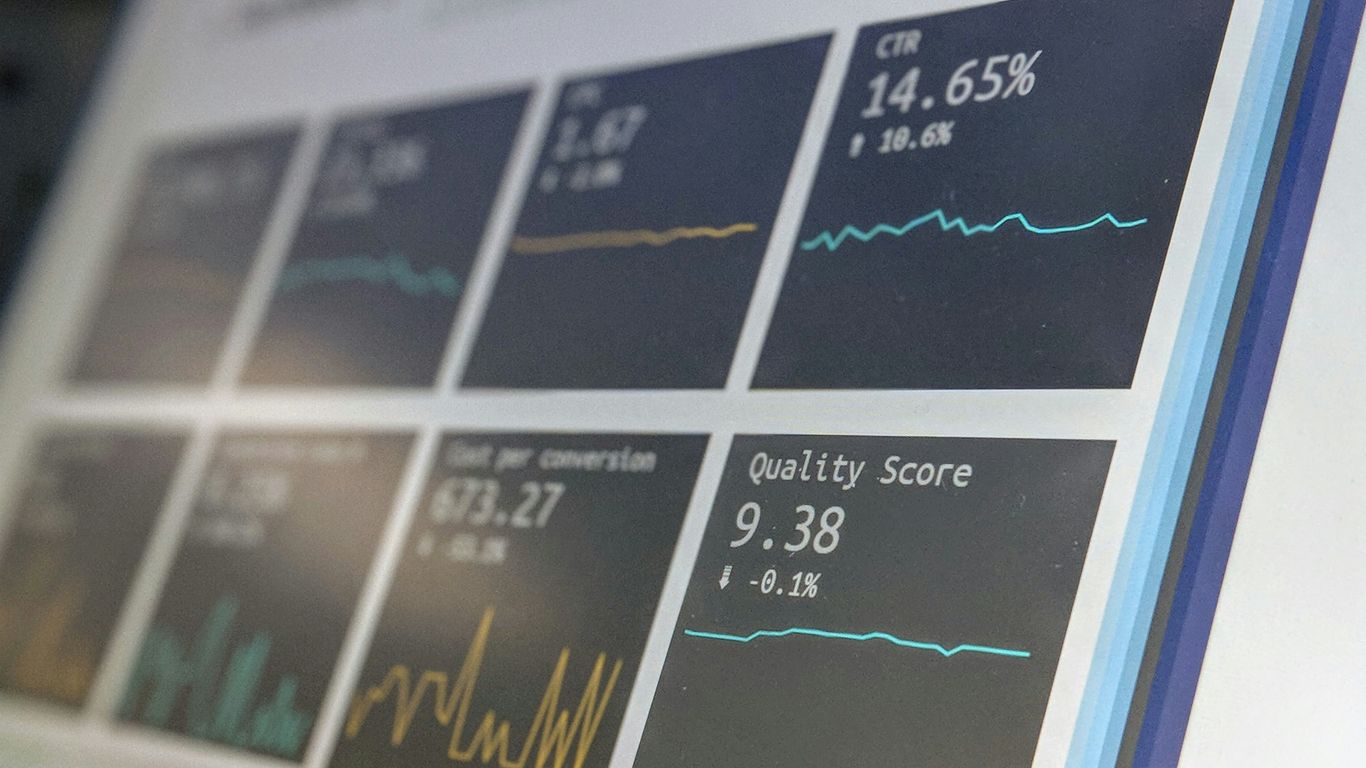
Technical screening is an integration step that belongs in the earliest phases of the shipping cycle. It moves from general compliance checks for international shipping into specific verification tasks. An effective process ensures that risk assessment is finished long before the physical goods leave the warehouse.
Screening against prohibited end-user lists
This step involves systematic verification of the individuals or companies receiving the shipment. Even if the item itself is not restricted, an embargo on the end-user can create a compliance breach. Modern businesses use technology to compare address and name entries against master databases of prohibited parties to eliminate human error.
Verifying destination-based embargoes and sanctions
Embargoes can shift rapidly due to changing geopolitical tensions. A destination that was open one month might face severe restrictions the next, requiring firms to monitor official bulletins from trade departments. If your business experiences difficulties with documentation, IMPORT.SG offers structured review and support to resolve these operational issues efficiently.
Integrating screening protocols into the pre-shipment workflow
Consistency is improved when compliance checks are built directly into the logistical workflow. The following table illustrates the key verification steps required during the pre-shipment phase:
| Compliance Step | Required Action | Responsibility |
|---|---|---|
| Entity Screening | Verify receiver on lists | Compliance Officer |
| ECCN Validation | Confirm classification code | Technical Lead |
| Destination Check | Audit current sanctions status | Logistics Coordinator |
After ensuring these steps are integrated, teams should focus on refining the internal handover to reduce the time spent waiting for customs clearing.
Avoiding common causes of shipment delays
Delays often occur due to simple oversights rather than fundamental non-compliance. When documentation is incomplete or inaccurate, customs authorities have no choice but to hold the shipment, creating a costly bottleneck in your supply chain. Implementing a trade compliance checklist helps teams verify every requirement before the cargo is moved to the port.

Managing missing or incomplete end-user statements
End-user statements are vital proofs of intent that clarify why a controlled item is being purchased. If the statement is vague or lacks necessary details like signatures from authorized personnel, the shipment will be marked as incomplete. Always require clear, detailed statements from the buyer, as customs authorities prioritize these documents when assessing a controlled goods permit requirements.
Addressing inaccurate classification of technical data and equipment
Data and equipment often carry complex specifications that are prone to misinterpretation if described too broadly. To avoid this, businesses should maintain a documented system of classifying items, ensuring that the precise technical description matches the code used on the declaration. Adopting this standard is a critical step in streamlining your controlled goods compliance efforts.
Resolving mismatched documentation between shippers and customs brokers
Coordination between your company and your logistics partners is the final line of defense against delays. When broker documentation fails to match the packing list or invoice, the inconsistency forces a manual review by customs officers. IMPORT.SG provides a centralised approach to manage trade documentation, which is pivotal for keeping partner information aligned throughout the lifecycle of the shipment.
Strategic documentation and record-keeping
Compliance depends on the ability to prove historical due diligence when asked by regulators. Maintaining records for at least five years ensures that even an unexpected audit does not compromise your operational integrity. Documentation should be consolidated into a format that allows for rapid retrieval during an inspection.
Maintaining a comprehensive audit trail of screenings
Every search conducted against a restricted list must be recorded and stored for future reference. This trail proves that you acted in good faith and followed all required procedures before dispatching the goods. These logs are often requested during routine inspections to verify that automated or manual screening tools were actually used.
I recommend that all logistics staff adopt the following practices for better record organization:
- Store all permits and invoices in secure, centralized digital folders.
- Ensure naming conventions allow for instant identification of shipment dates.
- Include original manufacturer documentation alongside the customs declaration.
- Designate a lead individual responsible for updating and verifying the archives.
By following these orderly steps, businesses can ensure that essential information remains accessible when needed.
Standardising documentation for customs authorities
Customs officers benefit from clear, standardized submissions that follow established formats. Avoid using internal jargon or unconventional naming practices that could confuse stakeholders during the customs approval process. Consistency is key to being viewed as a reliable trade partner, which can expedite your clearance times in the long term.
Establishing internal compliance manuals for logistics staff
An internal manual acts as a living document that captures your organization’s specific policies on screening and documentation. By providing staff with a clear reference for handling controlled items, you minimize the risk of individual errors that accumulate across a busy logistics department.
Streamlining compliance with automated screening tools
Manual classification processes are often inefficient and prone to errors that put a company at risk. Automated tools allow for real-time risk assessment during the initial booking stage, significantly reducing the burden on human staff. When technology handles the bulk of list filtering, experts can focus their attention on resolving complex exceptions.
Selecting software for real-time risk assessment
Choose software that updates daily with the latest global trade data. The tool should provide immediate alerts if a shipment appears to fall under new restrictions, allowing you to pause, investigate, and correct the issue before export. Request a quote for integrated trade support services to see how these automated systems work alongside professional coordination.
Configuring automated alerts for regulatory updates
Regulations change without notice, making it difficult for teams to keep up manually. Automated alerts ensure that your compliance department is notified immediately when a classification code or sanction list is modified. This proactive posture allows you to adjust your internal procedures before your next how to avoid customs delays for controlled items cycle begins.
Reducing human error in manual classification processes
By layering automation over existing manual checks, businesses can create a double-check system that catches discrepancies. The combination of human technical knowledge and machine precision provides a robust defense against common classification errors. This approach makes it easier to maintain accuracy throughout the entire shipping process.
Conclusion
Successful compliance in controlled goods screening relies on the marriage of accurate data, well-documented processes, and proactive risk mitigation. By centralizing documentation and integrating systematic classification methods, businesses not only fulfill their legal obligations but also gain operational consistency that prevents costly delays. Moving beyond fragmented, reactive approaches towards a structured trade strategy ensures that every shipment moves efficiently, safely, and transparently across borders.
Frequently Asked Questions
What are the most common consequences of failing to screen controlled goods?
Failing to perform proper screening often leads to shipments being seized at the border, heavy financial penalties, or even the potential loss of future export privileges. Businesses may also suffer lasting reputational damage, which can make it harder to secure logistics partnerships or trade finance in the future.
Are there specific software tools recommended for managing export control lists?
While there are many software solutions available that update with international sanction lists, the best tools are those that integrate seamlessly with your existing enterprise resource planning (ERP) or logistics management software. It is important to look for providers who guarantee daily updates to their databases to ensure you are seeing the latest global trade information.
How often should my company perform an audit of its compliance documentation?
Best practice suggests that a thorough compliance audit should be conducted at least annually, or immediately after any significant changes to national trade legislation or international treaties. Regular reviews identify gaps in your record-keeping and help ensure that all logistics operations remain aligned with the current legal requirements.
Can dual-use items really be restricted if they have a non-military purpose?
Yes, dual-use items are heavily regulated even when intended for an entirely civilian application. Regulators focus on the inherent technical capability of the item, and the risk that it could be redirected for military or prohibited use, regardless of the stated commercial end-use in your current documentation.
What steps should be taken if an item is misclassified after it has already cleared customs?
If you discover an error after clearance, you should immediately document the discrepancy, inform your customs broker, and proactively notify the relevant authorities. Admitting and correcting the error voluntarily is far more favourable than having it come to light during a forced regulatory inspection later.
Is it necessary to screen logistics partners if they are reputable international freight forwarders?
Yes, screening every entity in the supply chain is a critical part of due diligence. Even if a freight forwarder has a positive reputation, they could occasionally act as an agent for companies that appear on restricted lists, so you must confirm their status as part of your comprehensive compliance program.
What exactly is the role of an end-user statement in preventing customs delays?
An end-user statement confirms precisely who will receive the item and strictly outlines how it will be used. When this document is clear and signed, it provides customs authorities with the assurance they need to approve the movement of controlled goods without searching for further information, thereby minimizing the chance of an unexpected hold-up.