Customs Permits
Customs Duty Singapore: What Businesses Pay and When
Key Takeaways
Singapore import costs usually involve GST, while customs and excise duties apply to particular categories of goods. The practical answer depends on classification, customs value, permits and the intended customs procedure.
- Import GST generally applies even when customs duty does not.
- Liquor, tobacco, motor vehicles and petroleum products require closer duty assessment.
- Customs value may include freight, insurance and other relevant costs.
- Import permits and supporting documents must be prepared before clearance.
- Accurate records and a controlled declaration process help reduce delays and corrections.
1. How customs duty works in Singapore
Businesses assessing customs duty singapore should separate three questions: whether the goods are dutiable, how their customs value is established and when the relevant amount becomes payable. Singapore is a major trading hub, so many imported goods enter without customs duty, although import GST may still apply. The exact treatment depends on the goods, their classification and the customs procedure used.
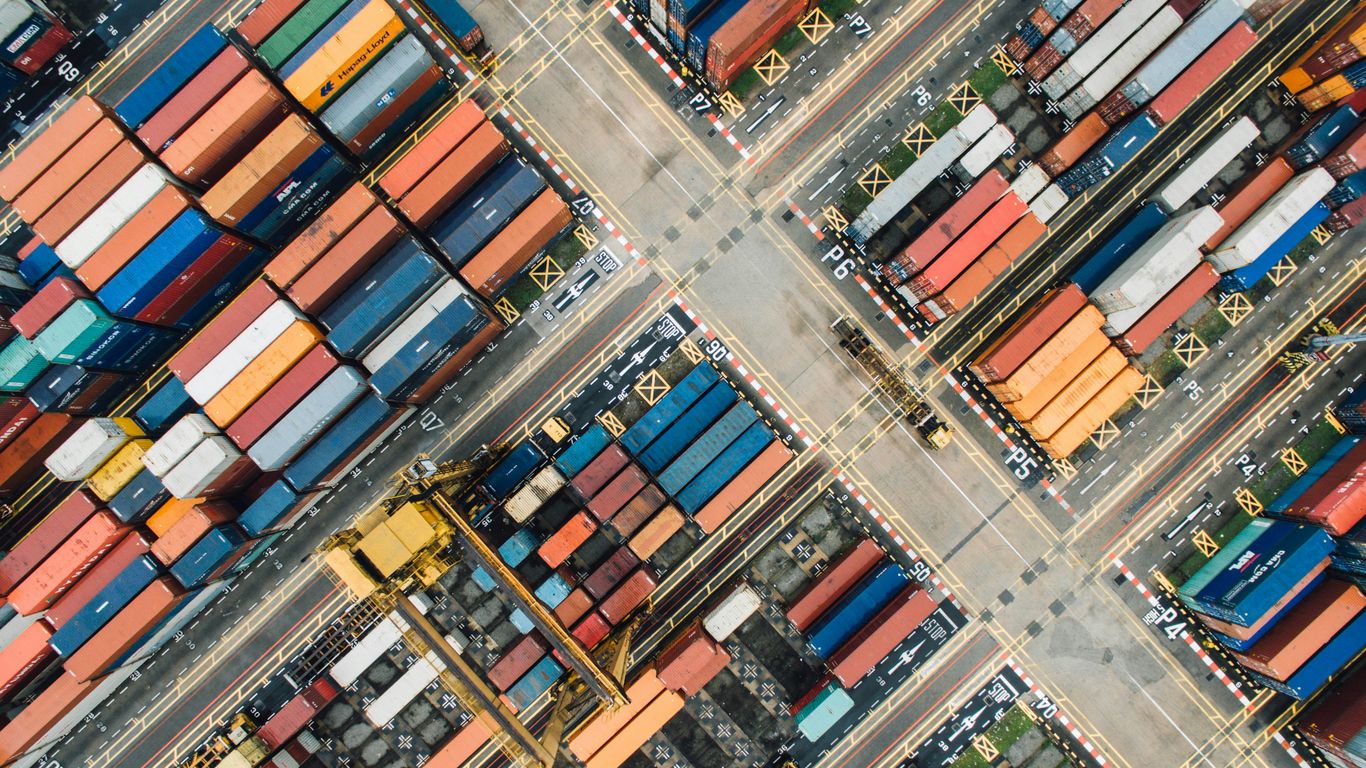
Customs duty versus import GST
Customs duty is a border charge imposed on specified imported goods. Import GST is a consumption tax assessed on most imported goods, generally by reference to the customs value together with any customs duty payable. They are separate liabilities, even when they appear together on an import calculation.
Businesses should therefore avoid treating a duty-free import as tax-free. The GST import guidance explains that GST is commonly calculated on the cost, insurance and freight value plus any customs duty due. The applicable treatment can also depend on the mode of transport and the circumstances of the shipment.
Which imported goods are dutiable
Singapore’s principal dutiable categories are intoxicating liquor, tobacco products, motor vehicles and petroleum products. Some goods may attract customs duty, excise duty or both, depending on their tariff treatment and classification. A product description alone is not enough to establish the liability.
For a practical overview of the categories and declaration considerations, businesses can consult this dutiable goods guide. It is useful to check the product composition, quantity, intended use and packaging before a permit is prepared.
Why most imported goods do not attract customs duty
Singapore’s free-port model means that most imported goods are not subject to customs duty. That does not remove the need for a customs declaration, and it does not generally remove import GST. Goods can also be subject to controls, permit requirements or other charges even where the duty rate is zero.
This distinction matters for budgeting. A shipment that appears to have no duty may still create GST, permit, handling, storage or regulatory costs, particularly if its paperwork is incomplete or the goods require approval from another authority.
How Singapore Customs determines liability
Singapore Customs considers the goods’ HS classification, customs value, quantity, origin and the procedure under which they are imported. The importer remains responsible for ensuring that the declaration is accurate, even where a freight forwarder or declaring agent submits it.
A useful internal review asks whether the invoice description matches the physical goods, whether the HS code is defensible and whether the declared value includes all relevant elements. These checks should be completed before cargo reaches the checkpoint rather than after a query is raised.
2. The goods and charges businesses need to assess
The largest mistakes often arise when a business looks only at the supplier’s invoice. Import costs can include GST, customs or excise duty, permit fees, agent charges and other regulatory amounts. A shipment-level review should identify each possible charge before the goods move.
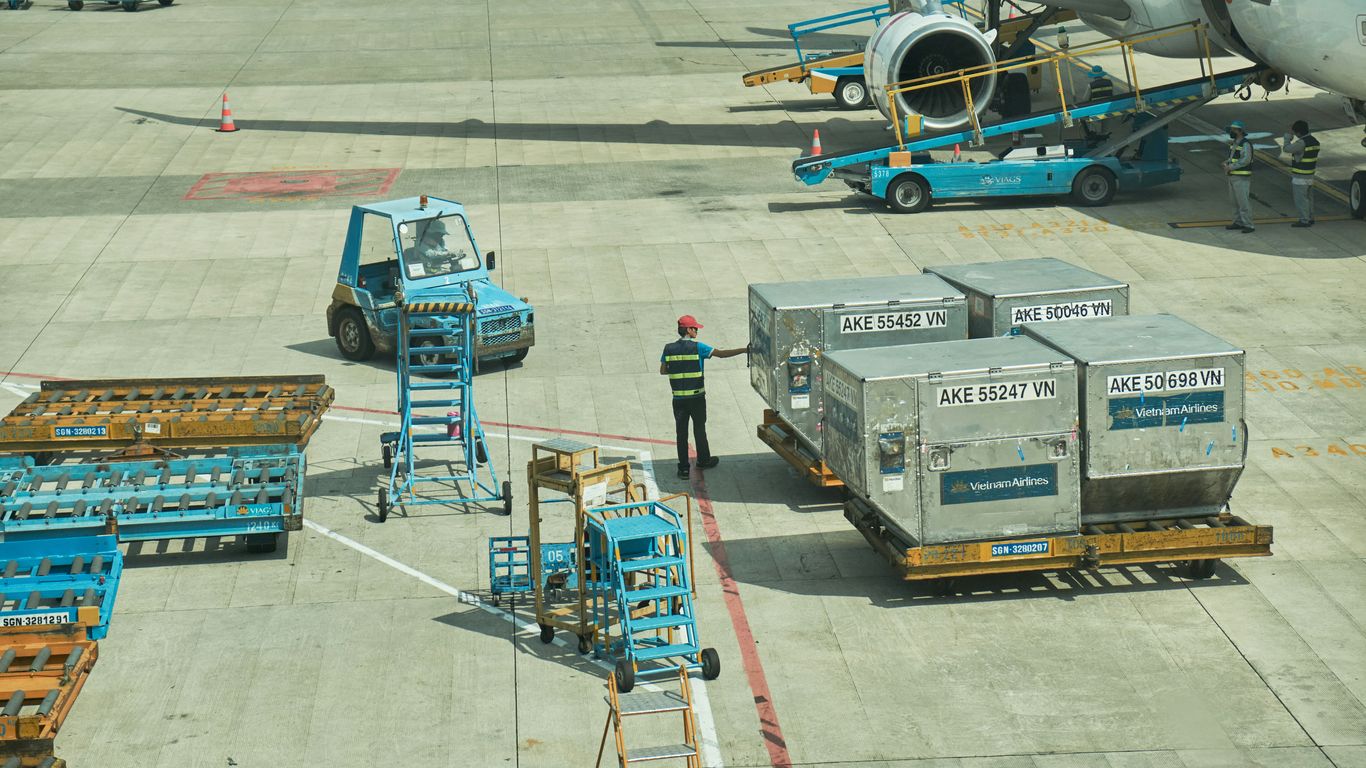
Liquor, tobacco, motor vehicles and petroleum products
These four categories deserve particular care because duty or excise calculations may use different bases. Depending on the goods, the calculation may refer to quantity, alcohol strength, engine capacity, vehicle characteristics or the volume of petroleum product rather than simply the invoice price.
The excise duty explanation is a useful reminder that excise duty is distinct from GST and customs duty. Product specifications should be collected early, especially when a shipment contains mixed goods or commercially unfamiliar formulations.
Customs duty rates and product classifications
The HS code provides the framework for identifying the applicable tariff treatment. A small change in product composition, function or presentation can affect classification, so businesses should not rely on a supplier’s overseas tariff code without checking its relevance to Singapore.
Rates may be ad valorem, based on a percentage of customs value, or specific, based on a quantity or other stated measure. The import tax overview gives useful context on the relationship between customs value, GST and duty, but the declaration should still be checked against current official requirements.
GST on non-dutiable imports
GST commonly remains payable when customs duty is not. For commercial imports, the calculation generally uses the customs value, freight and insurance elements where relevant, together with any customs duty payable. The GST rate should be checked at the time of declaration because tax rates and administrative rules can change.
A business should also distinguish import GST from GST charged by an overseas supplier or an online marketplace. Those are separate transactions, and the accounting treatment should follow the documents supporting the particular movement of goods.
Additional levies, excise duties and regulatory charges
Beyond duty and GST, a shipment may involve permit fees, inspection costs, storage, terminal handling, transport surcharges or charges imposed under a separate regulatory regime. Controlled goods may require approval from a Competent Authority before release.
The following pre-declaration checks help prevent an apparently low-cost shipment from becoming expensive at the point of clearance:
- Confirm whether the goods fall within a controlled or restricted category.
- Check whether the shipment requires a licence, certificate or supporting approval.
- Separate government taxes from carrier, warehouse and agent charges.
- Confirm who is responsible for each payment and document in the shipment file.
These checks do not replace an official assessment, but they create a clearer landed-cost estimate and give the operations team time to resolve gaps.
3. How Singapore calculates customs duty and import GST
A reliable calculation starts with consistent shipment data. The commercial invoice, transport document, packing list and permit should describe the same goods, quantities, currency and parties. Where those records conflict, clearance can slow and the business may need to explain or amend the declaration.

Determining the customs value of goods
Customs value is not always identical to the invoice total. The transaction value method generally begins with the price paid or payable, subject to the required adjustments and conditions. Related-party transactions, free-of-charge goods, assists and unusual commercial arrangements may need further review.
The customs valuation guide sets out the distinction between invoice value, customs value and landed cost. Keeping those concepts separate helps the finance team reconcile the declaration without assuming that every logistics cost has the same tax treatment.
Using the correct HS code and product description
Classification should be supported by a plain description that identifies what the goods are and, where relevant, their material, composition, function or model. Descriptions such as “parts”, “samples” or “general merchandise” may be too vague to support a confident assessment.
An importer should retain the reasoning behind a classification decision, especially for recurring products. If the goods change, the classification should be reviewed rather than copied automatically from an earlier shipment.
Including freight, insurance and other dutiable costs
Freight and insurance can form part of the value used to calculate import GST, and relevant costs may also affect customs value or duty depending on the rule being applied. Currency conversion must use the applicable Singapore Customs exchange rate for the declaration, not simply the rate shown by a bank on a later date.
The Singapore Customs exchange-rate guide explains why the official rate matters. A disciplined calculation records the source currency, conversion rate, freight, insurance, assists and any other adjustment so another reviewer can reproduce it.
Worked examples for common business imports
Suppose goods have a customs value of S$10,000 and the shipment attracts no customs duty. At a 9% GST rate, the import GST would be S$900, subject to the applicable rules and value basis. If the same goods attracted S$500 in customs duty, GST would generally be assessed on S$10,500, producing S$945 at 9%.
These figures are illustrations rather than quotations. The result can change with the goods’ classification, valuation method, currency conversion and any relief or special procedure. EarnBill is relevant only as an example of software content about GST structures and calculations; it does not determine Singapore import liability.
4. When businesses pay customs duty in Singapore
Payment timing is tied to the customs procedure and the permit, not simply to the date an order is placed. In many ordinary imports, duties and taxes must be accounted for before the goods are released. A business should therefore align payment authority, document review and cargo arrival rather than treating them as separate tasks.
Import permits and payment before goods are released
An import permit normally records the goods, value, classification, quantities, transport details and tax treatment. Where duty or GST is payable, the relevant payment or approved arrangement must be in place for clearance to proceed. A missing permit can hold up release even if the goods themselves are lawful.
The customs declaration requirements explain why permits remain important for duty-exempt goods as well as dutiable goods. The declaration establishes the legal movement of the cargo and the basis on which authorities can assess it.
Declaring goods moved through sea, air and land checkpoints
The transport mode affects the supporting documents, timing and operational hand-offs, although the core need for accurate declaration remains. Sea freight may involve bills of lading and consolidated cargo, while air and land movements often work to tighter arrival deadlines.
The importer should confirm the checkpoint, arrival details and responsible declaring party before submission. If the shipment is transhipped or moved under a temporary procedure, the permit type should match that movement rather than an ordinary local import.
Payment arrangements for licensed and authorised businesses
Some businesses use approved account arrangements or appoint declaring agents to submit permits and coordinate payment. The arrangement should be documented clearly: who funds the payment, who reviews the declaration and who receives notices or requests for supporting evidence.
This is an operational control, not a transfer of legal responsibility. The importer should retain oversight of product information, values and approvals even when another party handles the electronic submission.
How warehousing and temporary import procedures affect timing
Goods placed in a customs-controlled warehouse or moved temporarily may not follow the same timing as goods imported for local use. Relief or deferred treatment depends on meeting the conditions of the particular scheme and completing the later movement, re-export or conversion correctly.
Businesses should record the permitted period, goods identity and closing action at the start. A temporary shipment that is not properly discharged can create an avoidable compliance issue long after the original event.
5. Import permits, documentation and clearance
Customs clearance is a document process as much as a transport process. The declaration, invoice, packing list and transport record should tell one consistent story about the shipment. Clear ownership of each document reduces the risk of a last-minute submission based on assumptions.
Applying through TradeNet
TradeNet is the electronic channel used for many Singapore trade permit applications. The applicant or declaring agent enters the shipment details, attaches or retains the required supporting information and responds to any rejection or query according to the applicable process.
Before submission, review the importer’s UEN, HS code, customs value, quantities, country details and permit type. The TradeNet permit guide is helpful for understanding applications, controlled goods, rejected permits and post-approval documentation.
Commercial invoices, packing lists and transport documents
A commercial invoice should show the seller, buyer, goods description, quantity, price, currency and agreed terms. The packing list should allow the physical packages to be identified, while the bill of lading, air waybill or other transport document should align with the shipment details.
Small inconsistencies can matter. Different quantities, abbreviated product descriptions or unexplained price adjustments may prompt a query even when the goods are routine.
Supporting documents for controlled or restricted goods
Controlled goods may require licences, certificates, test reports or approvals from a Competent Authority. The relevant requirement depends on the product, so businesses should check before dispatch rather than waiting for the permit application to fail.
A compliance guide such as the MSP Compliance Guide is about managed-service-provider obligations rather than Singapore import permits; it illustrates why businesses should keep regulatory subject areas separate instead of treating one general compliance document as evidence for another.
Correcting errors in declarations after submission
If an error is found after submission, the business should determine whether an amendment, cancellation, refund request or other formal action is required. It should not quietly substitute documents while leaving an inaccurate declaration on record.
Keep the original information, the corrected information and the reason for the change together. A documented correction trail gives the importer and its declaring agent a common reference if Singapore Customs asks how the figures or classification were updated.
6. Customs duty reliefs, exemptions and special schemes
Relief is conditional, not automatic. A shipment may qualify because it is temporary, remains in a controlled area, is re-exported or meets the requirements of an approved scheme. The business must be able to demonstrate that the goods and movement satisfy the relevant conditions.
Temporary imports for repair, exhibitions or testing
Temporary imports may cover goods brought in for repair, exhibition, demonstration or testing, subject to the applicable procedure and supporting records. The goods should be identifiable, and the business should know the deadline and action needed to close the movement.
A carnet or similar documentation may be relevant for some temporary movements. The Carnet Application service is a practical example of a document-led process, but eligibility and acceptance remain subject to the rules governing the shipment.
Goods brought into free trade zones
Goods entering a free trade zone may receive different treatment from goods entered for local consumption. Duty and GST consequences depend on what happens next, including whether the goods are stored, processed, transferred or released into Singapore.
Records should show when the goods entered the zone, who controlled them and how they eventually left or were entered for local use. Zone treatment should not be used as a substitute for checking the final movement.
Re-exports, transhipments and returned goods
Re-exports and transhipments are not ordinary local imports. The permit, routing information and evidence of onward movement must match the intended procedure. Returned goods may also require careful treatment because the reason for return, original export details and condition of the goods can affect the available relief.
The clearance support guide provides a useful overview of the different responsibilities involved in import, export and transhipment clearance. Businesses should agree in advance who will close each permit and retain the proof of movement.
Reliefs for approved industries and qualifying transactions
Industry-specific reliefs and qualifying transactions should be assessed against their precise conditions. Approval, end use, supporting evidence and record retention may all matter, and a general expectation that goods are “for business use” is not enough.
When a relief is claimed, write down the legal or procedural basis, the goods covered and the evidence supporting it. This makes the claim reviewable and reduces the chance that a relief is carried forward to a shipment that does not qualify.
7. Managing customs duty compliance and costs
Good customs management is repeatable. Businesses should treat classification, valuation, permits, documents and payment as connected controls, with named owners and a record of decisions. That approach is particularly useful for distributors, manufacturers and freight operators handling frequent or time-sensitive shipments.
Keeping records for audits and inspections
Retain invoices, packing lists, transport documents, permits, approvals, payment records and classification or valuation notes for the required period. Records should be easy to retrieve by shipment, product and declaration reference.
For specialist products, unrelated documents can be misleading. For example, a water filtration product page may support a purchasing decision, but it is not a substitute for the invoice, technical specification or customs evidence needed for an import declaration.
Avoiding incorrect classification and undervaluation
Incorrect classification can lead to underpaid duty, overpaid GST, delayed clearance or a request for further information. Undervaluation carries similar risks and may arise from omitted assists, unrecorded charges, related-party pricing or an invoice that does not reflect the full commercial arrangement.
Use a second review for new products, unusual discounts and free-of-charge shipments. Consistent source documents make that review faster and give the business a clearer response if the declaration is questioned.
Working with freight forwarders and declaring agents
A freight forwarder may coordinate transport and documents, while a declaring agent may submit the permit. Their responsibilities should be set out in writing, including who checks HS codes, confirms values, obtains approvals and communicates a rejection.
IMPORT.SG provides Customs Permit Declaration support within an agreed scope, so an importer can coordinate document intake and declaration tasks through one accountable contact. The business should still approve the commercial facts and remain aware that external authorities and carriers control their own decisions and timelines.
Building customs duty into landed-cost calculations
Landed cost should include the purchase price, freight, insurance, duty, GST, permit fees, handling, storage, agent charges and other known costs. It should also allow for the operational cost of delay where missing documents prevent timely release.
A simple cost model should show which amounts are recoverable, which are sunk costs and which vary by shipment. This gives purchasing and sales teams a more realistic margin view than using the supplier invoice alone.
Reviewing changes to Singapore Customs requirements
Requirements, rates, forms and controlled-goods rules can change. Assign someone to review official notices and update the internal product and permit instructions when a change affects the business.
IMPORT.SG also offers Certificate of Origin (COO) coordination as a documented service, which can be relevant where origin documentation forms part of a broader trade-document workflow. For health-related shipments, even a STI testing visit guide is a reminder that sector-specific documentation must be checked against the correct authority rather than reused from another process.
Prepare Your Shipment
If a shipment involves uncertain classification, incomplete paperwork or a tight dispatch deadline, contact IMPORT.SG to discuss the permit declaration and trade-document support required within the agreed scope.
Conclusion
Customs duty in Singapore is only one part of the import calculation. Businesses that classify goods carefully, establish the correct customs value, prepare permits early and retain consistent evidence are better placed to pay the right charges and keep cargo moving through the proper procedure.
Frequently Asked Questions
Do all imports into Singapore attract customs duty?
No. Most imported goods do not attract customs duty, but import GST generally applies and specific categories such as liquor, tobacco, motor vehicles and petroleum products require closer assessment.
What is the difference between customs duty and import GST?
Customs duty applies to specified dutiable goods, while import GST is a consumption tax generally charged on most imported goods. GST may be payable even when the customs duty rate is zero.
Which goods are commonly dutiable in Singapore?
The main categories are intoxicating liquor, tobacco products, motor vehicles and petroleum products. The exact liability depends on the product classification, quantity, value and applicable rules.
Is customs duty calculated from the invoice total?
Not necessarily. Customs value may require adjustments and may differ from both the invoice total and the final landed cost. Freight, insurance, assists and other factors may need to be considered.
When must import GST or duty be paid?
For an ordinary import for local use, the relevant taxes and duties generally need to be accounted for before the goods are released. Special procedures may change the timing if their conditions are met.
Is an import permit required for duty-free goods?
A permit may still be required even when no customs duty is payable. The requirement depends on the movement, goods, transport route, controls and applicable customs procedure.
What should a business do if a declaration contains an error?
Review the error promptly and determine whether a formal amendment, cancellation, refund or other action is required. Keep the original and corrected records together with an explanation of the change.