Classification
Excise Duty in Singapore: Which Goods Are Dutiable?

Key Takeaways
Excise duty applies to selected goods and is separate from GST, although both may be payable on an import. The correct liability depends on the product, classification, quantity, value and intended movement.
- Singapore’s main excise-duty categories are liquor, tobacco, motor vehicles and petroleum products.
- Duty may be calculated using a specific rate, an ad valorem rate, or a combination of factors.
- The HS code and product details determine the applicable treatment.
- Personal allowances, temporary imports, warehouses and re-exports may receive different treatment.
- Importers remain responsible for accurate declarations, permits, records and payment.
What excise duty means in Singapore
Excise duty is a tax imposed on particular goods rather than on imports generally. In Singapore, it is most commonly associated with alcohol, tobacco, motor vehicles and petroleum products. Whether a shipment is dutiable depends on the goods and the customs treatment being requested. It should therefore be assessed before shipping, not only when cargo reaches the checkpoint.
How excise duty differs from GST and customs duty
Excise duty is product-specific. GST is a broad consumption tax that may apply to imported goods, while customs duty is a border charge applying to particular imported goods under the relevant tariff treatment. An import can therefore involve more than one charge, and one charge does not automatically replace another. For a wider explanation of import tax components, see this guide to Singapore import tax.
Why Singapore imposes excise duty
Excise duty raises public revenue and places a charge on goods that policymakers may wish to regulate because of health, social or environmental considerations. It also creates a structured fiscal treatment for products that are traded, stored and consumed in Singapore. The policy reason does not remove the need for a precise declaration: the practical question for an importer is still which goods are covered and at what rate.
When excise duty becomes payable
The point at which duty becomes payable depends on the customs procedure and the movement of the goods. Goods released for local use will generally need the applicable duties and taxes dealt with before release, while approved warehousing or temporary arrangements may defer or alter the immediate payment position. The permit type, declared end use and supporting documents should all be checked together.
The role of Singapore Customs
Singapore Customs administers the customs framework, including permits, classification, valuation and the collection of duties and taxes. An importer or declaring agent submits the relevant information, but the authority determines treatment under the applicable rules. Businesses can use this practical guide to dutiable goods as a starting point, then confirm the current official requirements for the shipment.
Which goods are subject to excise duty
Singapore’s principal excise-duty categories are clearly defined, but the product description alone may not settle the question. Composition, packaging, capacity, engine specifications and intended use can affect classification. A commercial import may remain dutiable even when the goods are intended for business use rather than personal consumption.

Intoxicating liquors and alcoholic products
Beer, wine, spirits and other intoxicating liquors can attract excise duty. The rate may depend on the type of beverage and the quantity or alcohol-related measure used in the schedule. A product marketed under an unusual name should not be assumed to fall outside the liquor categories; its ingredients, strength and presentation may need review.
Tobacco products and smoking products
Cigarettes, cigars and other manufactured tobacco products are commonly dutiable. Smoking products can also require careful classification where their form, tobacco content or packaging differs from a conventional cigarette. The importer should provide a clear product description rather than relying on a broad commercial label.
Motor vehicles
Motor vehicles form a separate dutiable category, with treatment influenced by the vehicle’s specifications and valuation. Passenger cars, commercial vehicles and other vehicle types may not be treated identically. The vehicle documentation should be consistent across the invoice, shipping records and permit declaration.
Petroleum products
Petrol, diesel and other petroleum products may be subject to excise duty according to their type and use. Fuel classification can be particularly sensitive because similar products may have different treatment depending on specification or intended application. Product data sheets and technical descriptions are useful when confirming the appropriate tariff line.
How excise duty is calculated
There is no single calculation that applies to every dutiable product. The relevant schedule may refer to a fixed amount, a percentage of value, a physical quantity or a product-specific characteristic. Classification comes first: an apparently precise calculation is still wrong if the underlying tariff treatment is wrong.
Ad valorem and specific duty rates
A specific duty is charged by reference to a unit such as a litre, kilogram or other stated measure. An ad valorem duty is calculated as a percentage of the relevant customs value. Some products may involve several inputs, so the importer should read the applicable schedule rather than assume that the invoice price alone determines the result.
Product classification and HS codes
The HS code provides the framework for identifying the goods and locating the applicable rate or control. Classification should reflect the product’s actual characteristics, not merely the supplier’s preferred description. Where the goods are unusual or technically complex, retain the supporting specification used to reach the classification decision.
Quantity, value and engine capacity considerations
Quantity is central to many liquor, tobacco and petroleum calculations, while value is relevant to ad valorem treatment and vehicle assessment. For motor vehicles, engine capacity and other vehicle details can affect the applicable calculation. The declared figures should be traceable to commercial and technical documents.
A short working check can prevent avoidable errors:
- Confirm the HS code against the goods actually shipped.
- Identify whether the rate is specific, ad valorem or mixed.
- Reconcile quantities, values and technical specifications.
- Check whether GST or another charge is calculated on a related customs value.
This sequence does not replace the current tariff schedule, but it gives the importer a sensible order for reviewing the figures before submission.
Checking the latest rates and schedules
Rates and administrative requirements can change, so an old calculation should not be reused without verification. Check Singapore Customs information and any relevant authority guidance before the permit is filed. A customs documentation partner such as IMPORT.SG can coordinate the information required within an agreed Customs Permit Declaration scope, while the importer remains responsible for the accuracy of the underlying data.

Excise duty on liquor and tobacco products
Liquor and tobacco require particular care because product categories can be broad while duty schedules are specific. Small differences in strength, form, packaging or quantity may affect the result. Importers should establish the classification and documentary requirements before booking transport.
Beer, wine, spirits and other alcoholic beverages
Beer, wine and spirits are distinct commercial products, but the customs treatment must be based on the applicable definitions and rates rather than the marketing description. Other alcoholic beverages may need additional review where they combine alcohol with flavourings, concentrates or unusual packaging. The invoice should identify the product plainly and state relevant quantities and strength where required.
Cigarettes, cigars and other tobacco products
Cigarettes and cigars are not interchangeable for duty purposes, and other tobacco products may have their own treatment. Packaging, unit count and product composition should be recorded consistently. A shipment that contains several tobacco formats should not be declared under one generic description if the items fall into different categories.
Differentiating duty by product type
Duty schedules distinguish products by characteristics that matter for taxation. A beverage’s type and strength, or a tobacco product’s form and quantity, may change the applicable calculation. Where the classification is uncertain, obtain clarification before import rather than correcting an under-declaration after release.
Labelling, packaging and import requirements
Duty payment is only one part of compliance. Controlled or regulated goods may also require approvals, prescribed labels or other product-specific conditions. Importers should compare the physical packaging with the invoice and permit data; inconsistencies can lead to inspection questions even where the amount of duty appears correct.
For context on the wider discipline of preparing declarations for valuable goods, businesses may also find this material on international jewellery shipping useful, although the product rules are different. The same principle applies: describe the goods accurately and retain evidence for the declared treatment.
Excise duty on motor vehicles and petroleum products
Vehicles and petroleum products involve technical details that can materially change the duty calculation. A model name or fuel label may be insufficient where the schedule relies on specifications. The safest approach is to assemble the commercial, technical and transport information before submitting the permit.
Dutiable vehicle categories
Motor vehicles may be grouped by their intended function, body type or other customs characteristics. A passenger vehicle, commercial vehicle or specialised vehicle should not be assumed to share the same treatment. The importer should confirm the category from the vehicle documents and the applicable tariff information.
Engine capacity and vehicle valuation
Engine capacity can be relevant to the treatment of a vehicle, while valuation affects calculations that use the vehicle’s customs value. The declared value should be supported by the commercial invoice and any other records relevant to the transaction. Accessories, freight and insurance may also require consideration under the applicable valuation rules.
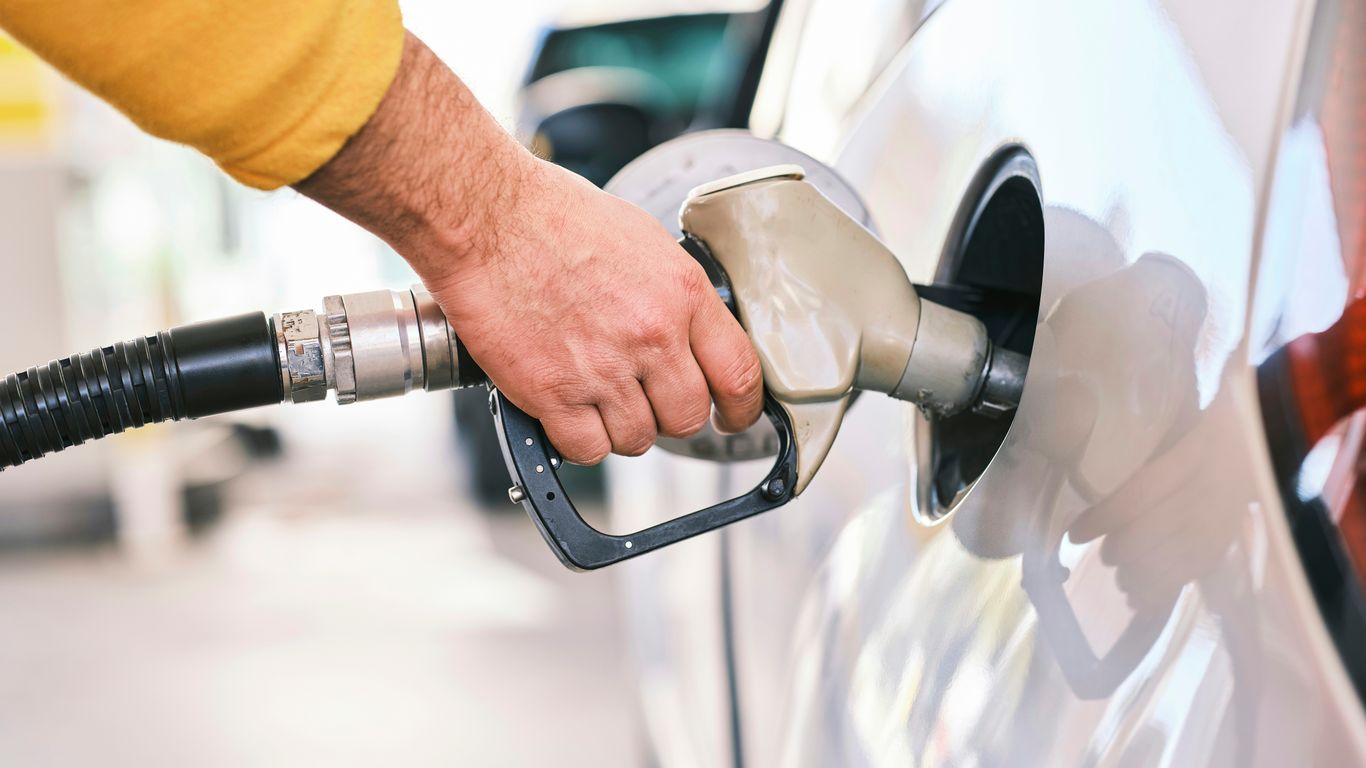
Petrol, diesel and other petroleum products
Petrol, diesel and other petroleum products may attract duty according to their product type, quantity and intended use. Technical specifications should be sufficiently clear to distinguish the product from neighbouring tariff categories. Bulk shipments also require careful reconciliation between the invoice, tank or delivery records and the permit.
How vehicle and fuel duties interact with other charges
Excise duty is only one component of the landed cost. GST, registration-related charges, permit fees and other applicable costs may arise separately, depending on the transaction and goods. A cost estimate should therefore show each charge distinctly rather than presenting one combined figure without explanation.
Situations involving relief, exemption or different treatment
Not every movement of dutiable goods has the same immediate payment outcome. Relief or suspension normally depends on conditions, approvals and the precise customs procedure. An importer should not treat a personal allowance, temporary movement or re-export as an automatic exemption.
Travellers’ allowances and personal imports
Travellers may benefit from allowances for certain personal goods, subject to the applicable conditions and limits. Commercial quantities, goods carried for another person or items intended for resale may not receive the same treatment. When in doubt, the traveller or importer should declare the goods and confirm the relevant allowance before arrival.
Temporary imports and approved uses
Goods brought in temporarily for an approved purpose, such as an event, project or repair, may be handled differently from goods intended for local consumption. The procedure usually depends on the stated end use, period of stay and ability to identify the goods. Conditions must be met throughout the movement, including when the goods leave Singapore.
Licensed warehouses and duty-suspended movements
Licensed warehouse arrangements can allow eligible goods to remain under customs control without immediate release for local use. Duty suspension is procedural, not a permanent waiver. Records of receipt, storage, movement and eventual release or export must remain accurate and available for review.
Re-exports, transhipments and goods in transit
Goods that are re-exported, transhipped or kept in transit may receive different customs treatment from goods entered for local use. The correct permit and movement details are essential, particularly where cargo changes conveyance or remains under customs control. Businesses can review export and re-export requirements before arranging the movement.
Importer responsibilities and compliance
The importer remains responsible for providing complete and accurate information, even where a declaring agent or logistics provider submits the permit. Responsibility covers classification, valuation, quantities, approvals and the requested customs procedure. A documented review process is especially valuable when several parties contribute shipment data.
Obtaining the relevant customs permits
Most commercial movements require the appropriate customs permit, and controlled goods may need additional approval from a Competent Authority. Applications are submitted through the relevant customs systems, including TradeNet where applicable. Businesses should establish their registration and authorisation arrangements before the shipment is dispatched.
Declaring goods accurately
The declaration should match the goods physically shipped and the evidence held by the importer. Avoid vague descriptions such as “parts” or “samples” where a more precise description is available. Product name, quantity, value, origin, end use and technical details should be checked as one connected set.
Keeping records and supporting documents
Commercial invoices, packing lists, bills of lading, permits and technical documents should be retained in an organised file. The records should explain how the HS code, value and quantity were determined. A consistent document trail makes it easier to respond to queries and identify the source of an error.
The following records are particularly useful for a dutiable shipment:
- The final commercial invoice and packing list.
- Transport documents and freight or insurance details.
- Product specifications, photographs or technical sheets.
- Permit approvals, licences and correspondence supporting the declaration.
Keeping these records together reduces the risk that different documents present conflicting descriptions. It also gives the importer a defensible basis for reviewing the calculation later.
Penalties for underpayment or non-compliance
Underpaid duty, inaccurate declarations and missing approvals can lead to additional payment, penalties, delays or seizure of goods, depending on the circumstances. Treating a correction as an administrative detail can make the position worse if the underlying records are incomplete. Promptly investigate discrepancies and keep a written account of the corrective action.
Where to verify rates and product eligibility
Singapore Customs is the primary place to verify current rates, permit procedures and customs treatment. Product-specific questions may also require the relevant Competent Authority. Businesses should use a current import compliance checklist and verify the live requirements before shipment, rather than relying on an old quotation or informal assumption.
For organisations coordinating several declarations, IMPORT.SG provides a single point of contact for document intake, validation and coordination within the agreed scope. The service does not replace Singapore Customs or other authorities; it helps keep the information flow and task ownership organised.
Conclusion
Excise duty in Singapore is best managed as a classification and documentation exercise: identify the goods, confirm the HS code and current rate, calculate the relevant quantity or value, and obtain the correct permit before movement. Where the shipment is urgent or the paperwork is fragmented, request a quote from IMPORT.SG for coordinated customs declaration and trade documentation support within an agreed scope.
Frequently Asked Questions
What is excise duty in Singapore?
Excise duty is a tax imposed on selected goods, commonly including liquor, tobacco, motor vehicles and petroleum products. It is separate from GST, although both may apply to the same import.
Which goods are generally dutiable?
The main categories are intoxicating liquors and alcoholic products, tobacco products, motor vehicles and petroleum products. The exact treatment depends on classification and the current schedule.
Is excise duty the same as GST?
No. GST is a broad consumption tax, while excise duty applies to specified goods. An import may be liable for both charges.
How is excise duty calculated?
The calculation may use a specific rate, an ad valorem rate, quantity, value or product characteristics such as engine capacity. The applicable HS code and current rate schedule must be confirmed first.
Can personal imports be exempt?
Some travellers’ personal goods may fall within allowances, subject to conditions and limits. Commercial quantities or goods intended for resale may be treated differently.
Are temporary imports free from duty?
Not automatically. An approved temporary-import procedure may suspend or alter payment when its conditions are met, including the required end use and re-export arrangements.
Where can current rates be checked?
Current rates, permit requirements and product eligibility should be checked with Singapore Customs and any relevant Competent Authority before the shipment moves.