Urgent Logistics
On-Board Courier Service Guide: What to Prepare for Urgent International Shipments
Key Takeaways
This article outlines essential considerations for managing time-critical logistics through manual transport. Effective preparation is the foundation for successfully delivering urgent goods through an international courier.
- Define the urgency and specific transport requirements early.
- Ensure all commercial documentation is complete before transit begins.
- Vet couriers for international travel compliance and security.
- Establish clear chain-of-custody protocols for high-value items.
- Plan customs clearance in advance to avoid border delays.
Understanding the on-board courier service model

Defining hand-carry logistics in international trade
Hand-carry logistics involves a dedicated professional acting as an accompanying courier for time-sensitive goods on commercial flights. This method ensures that shipments remain in the continuous possession of a human agent from pickup to final door-to-door delivery. Unlike traditional cargo that travels through airport warehouses and manifest sorting systems, these items are often checked as luggage or carried into the cabin, thereby reducing dwell time significantly. Businesses often turn to expert urgent logistics solutions provided by professionals to ensure operational continuity.
Typical use cases for time-critical shipments
Industries facing line-down emergencies or supply chain disruptions frequently require immediate transport solutions. Common applications include the delivery of essential automotive parts, critical medical supplies, electronic prototypes, or sensitive legal documents. The priority is bypassing standard transit bottlenecks. The following table illustrates when different logistical methods are typically preferred based on urgency and risk profile.
| Service Type | Typical Transit Window | Best Used For | Risk Profile |
|---|---|---|---|
| Air Freight | 3-7 Days | Standard inventory | Routine shipments |
| Express Cargo | 24-48 Hours | Urgent commercial parts | Moderate delays |
| On-board Courier | 6-24 Hours | Critical line-down parts | Minimal handling |
Selecting the correct mode depends heavily on the cost to the business of the item’s absence. When a project is delayed by the lack of a single component, the budget allocated to professional courier transport often yields a much higher return on investment than a delayed production run.
When to choose an on-board courier service over standard air freight
An on-board courier service becomes the optimal choice when the shipment value or the cost of delay outweighs the premium pricing of a dedicated hand-carry service. Standard air freight often involves multiple transshipment points and shared hold space, which increases the time and probability of handling errors. In contrast, this approach utilizes a direct, human-escorted journey, which offers superior reliability for items requiring constant supervision. When coordination becomes complex, IMPORT.SG facilitates the necessary documentation to ensure that importers and exporters stay within a controlled operating model.
Critical documentation for international compliance
Passport and visa requirements for couriers
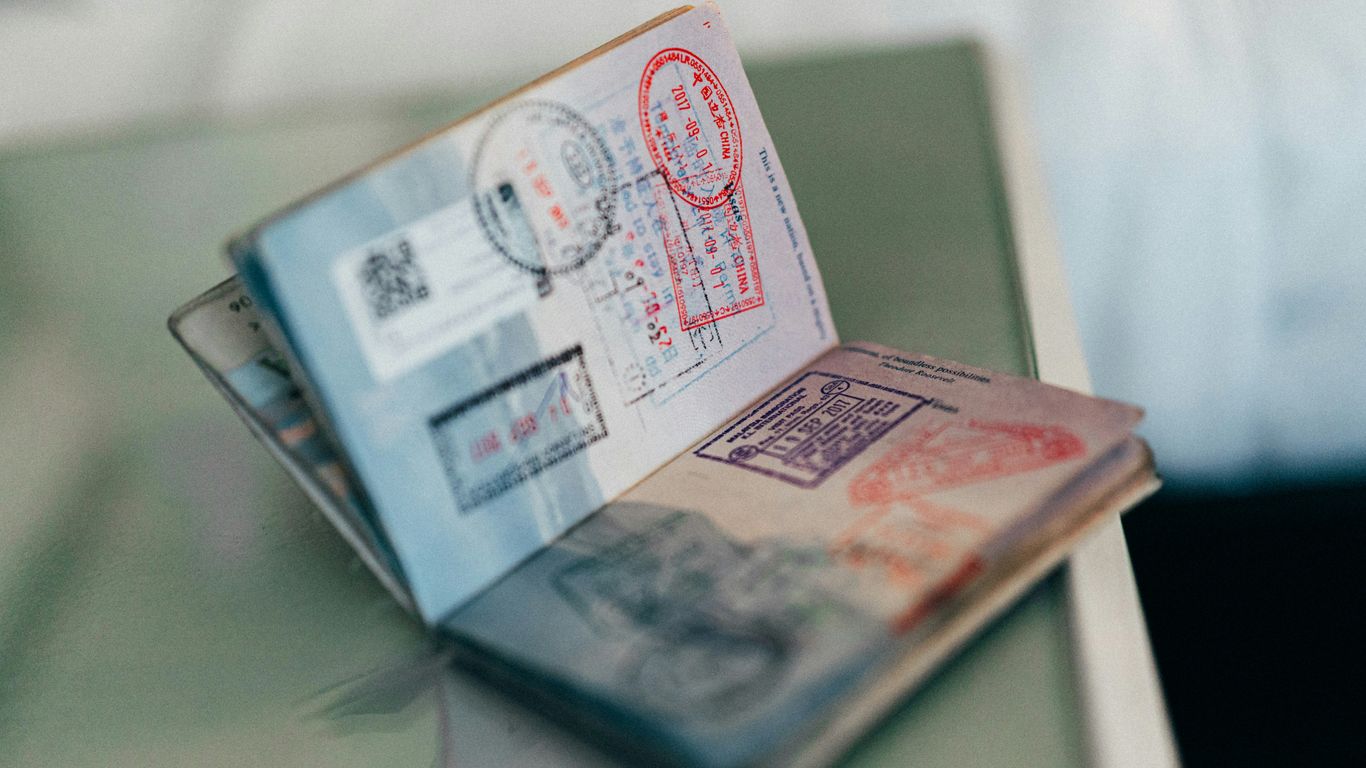
Professional couriers must maintain active passports with sufficient validity to meet the entry requirements of destination countries on extremely short notice. Navigating these requirements demands a proactive team that manages flight availability alongside visa prerequisites. Without pre-verified travel documentation, the risk of a courier being denied entry at the border turns an urgent delivery into a failed logistical operation.
Preparing commercial invoices and packing lists
Documentation accuracy is mandatory for bypassing customs detention, especially during expedited shipments. Every invoice must explicitly state the shipment’s nature, quantity, and value, while packing lists should provide granularity for identifying contents during manual screening. When managing your customs clearance process, ensure these documents are ready for immediate electronic submission to the relevant authorities as the courier initiates the transit.
Managing customs declarations and ATA carnets
For temporary exports such as tradeshow equipment or test tools, the ATA Carnet remains the industry standard for avoiding duties and taxes. Managing these documents requires careful synchronization between the item’s departure and its scheduled return. If you are handling sensitive equipment, consulting a temporary export guide ensures that you follow established best practices for securing bonds and maintaining compliance throughout the movement.
Navigating security regulations and restricted items

Understanding aviation security and screening protocols
Every piece of cargo carried by a courier must comply with strict aviation security screening. Couriers must be prepared to have their cargo opened and inspected by relevant authorities at both departure and arrival airports. Because screening is mandatory, declaring items accurately beforehand prevents unforeseen complications at the security gate.
Limitations on hazardous materials and lithium batteries
Most commercial flight regulations strictly prohibit specific dangerous goods, including high-capacity lithium batteries or chemical samples, regardless of the urgent nature of the delivery. Couriers are trained to understand these limitations, but shippers must provide accurate material safety data sheets. Misrepresenting these items can force sudden cancellation at the boarding area, leading to significant delays.
Protocols for transporting sensitive or high-value technology
Transporting sensitive technology requires a chain of custody that is meticulously documented from the moment of collection. This includes verifying the integrity of seals and maintaining strict contact logs. Implementing a process where every step is logged helps businesses minimize the inherent risks associated with carrying high-value items through public transportation hubs.
The lifecycle of an on-board courier shipment

Booking and logistical coordination processes
Success in hand-carry starts with comprehensive information gathering before the courier is ever dispatched. A single, accountable point of contact helps coordinate flight logistics, customs requirements, and personnel scheduling. Businesses should follow these operational steps to ensure a smooth shipment cycle:
- Define the delivery deadline and secondary contact information.
- Obtain detailed inventory lists and commercial documentation.
- Secure airline booking on the most direct flight route.
- Provide the carrier with clear transport and handling instructions.
Following these steps reduces fragmentation in vendor management and ensures that the courier service is aligned with the business’s internal operational timelines.
Pickup procedures and chain-of-custody protocols
Upon arrival at the pickup location, the courier verifies the condition of the cargo against the provided manifest. This is the stage where individual item check-in occurs. The courier assumes responsibility for the movement, meaning they must maintain constant awareness of the shipment’s location until it is signed for by the final recipient. This continuous oversight is the primary advantage of a managed on-board courier service.
Real-time tracking and delivery confirmation procedures
Delivery is not complete until the courier obtains a proof-of-delivery signature from the destination representative. Throughout the journey, the management team provides status updates to stakeholders. This transparency ensures that any logistical exceptions, such as flight delays, can be managed with professional communication rather than silence.
Evaluating and selecting an on-board courier provider
Assessing global network reach and response times
A provider’s capability to move goods hinges on their network of professional couriers positioned near major transit hubs. When evaluating a service, look for partners who can provide a detailed quote within a narrow time window, demonstrating their familiarity with urgent international routes. Reliability is often correlated with the depth of their global network.
Checking insurance coverage and liability policies
Even with a secure custodial approach, understanding the provider’s liability policy for items in transit is necessary. Verify that their insurance covers the total value of your on-board courier service shipment through its entire journey, including any required customs hold periods. Review these policies to ensure they align with your internal risk management standards.
Reviewing experience with specific industry sectors
Experience matters, particularly when handling specific cargo types like electronics or automotive components. A provider with a history of serving particular industries will have a more intuitive understanding of the customs documentation and packing needs required to transit these items without issue. Discuss your industry’s unique requirements during the initial vetting phase for any prospective partner.
Managing costs for urgent shipments
Understanding pricing structures for hand-carry services
Pricing typically incorporates a flat agency coordination fee, the courier’s airfare, and localized travel expenses such as ground transport at origin and destination. Understanding how these separate costs integrate allows for better budget predictability. Because these services are dynamic, prices often reflect the current market fluctuations in airfare.
Factors that influence emergency shipping surcharges
Last-minute bookings often command surcharges due to the cost of purchasing full-fare, flexible air tickets on short notice. Other factors, such as complex customs entry requirements or the need for oversized baggage fees, also impact total costs. Budgeting for immediate logistical needs should account for these unpredictable, yet necessary, operational expenses.
Weighing the trade-off between speed and shipment volume
Hand-carry is fundamentally designed for small, discrete items that can be safely managed by an individual. As volume increases, the economies of scale decrease, and the logistical burden of coordinating multiple couriers grows. Determine if your shipment truly requires the high speed of a hand-carry delivery or if it can be broken down to take advantage of more traditional expedited freight solutions.
Conclusion
Successfully utilizing an on-board courier service requires a focus on documentation, proactive communication, and clear oversight. By consolidating your procurement of these services under a single point of accountability, your team can effectively balance the critical need for speed against the complexities of international trade compliance, ensuring your most essential goods reach their destination on time.
Frequently Asked Questions
What items are restricted from being transported via on-board courier?
Courier services typically refuse hazardous materials, precious metals, large sums of cash, and weapons. Certain countries also prohibit the import of specific food or biological items through carry-on luggage, so you must confirm your shipment’s contents with the courier provider prior to booking.
How fast can an on-board courier be dispatched?
In most global commercial hubs, a professional courier can be dispatched within a few hours of receiving the shipment documentation and flight confirmation. Speed is dependent on the availability of commercial airline seats and the time required for regulatory document preparation.
Is the courier responsible for customs clearance?
While the courier carries the documentation, they generally do not act as the formal importer of record or customs broker. They assist by presenting necessary paperwork at the port of entry, but the shipper and consignee must ensure that all permits and declarations are accurate and filed in advance.
Can on-board couriers handle lithium batteries?
Lithium batteries are heavily regulated by aviation authorities and are often restricted from passenger flights used by couriers, or are subject to strict capacity limits. You must explicitly declare the battery type and wattage to your provider to determine if the item can be legally and safely transported.
How is the safety of the shipment guaranteed?
Safety is maintained through a continuous, documented chain of custody where the courier never leaves the shipment unattended in public spaces. Each handover point, from pickup to flight boarding and final delivery, is tracked and recorded to ensure the integrity of the contents.
What happens if the courier misses a connecting flight?
The provider is responsible for immediately coordinating a new route and communicating the adjusted delivery ETA to the consignee. Professional agencies maintain 24/7 support teams specifically to manage such contingencies and provide ongoing updates until the shipment is successfully delivered.
Are there weight limits for on-board courier shipments?
Yes, weight limits are primarily determined by airline baggage allowances and the physical capacity of the courier to move the item through an airport. Most shipments should fit within standard checked luggage dimensions, though some exceptions can be made for specially coordinated cargo.