Local Courier
Local Courier Booking Checklist for Faster and Smoother Deliveries

Key Takeaways
Optimising your logistics relies on thorough preparation and precise information management when dealing with courier bookings. Adhering to these principles ensures that your shipments reach their destination reliably.
- Standardising packaging ensures uniform protection for all parcels.
- Clear address formatting eliminates delivery ambiguity and errors.
- Automated booking workflows reduce manual entry and overhead costs.
- Proactive documentation management prevents regulatory hold-ups.
- Standard operating procedures for hand-overs increase operational speed.
Preparing your parcel for local courier service Singapore

Properly preparing items for transport mitigates the risk of damage during transit across the island. Taking time to pack securely facilitates efficient handling by drivers who manage high volumes of goods daily. Maintaining consistent standards across all outgoing shipments ensures that your logistics remain predictable and professional.
Choosing the right packaging materials
Selecting durable materials is the first step in successful parcel transport. Use corrugated cardboard boxes for general items, ensuring that the box integrity is sufficient for the weight of your goods. Always utilise void-fill materials like bubble wrap or packing peanuts to hold contents firmly in place, which prevents movement and accidental damage.
Measuring and weighing your package accurately
Providing precise dimensions and weight values is essential for accurate cost estimation and vehicle allocation. Inaccurate reporting can lead to surcharges or, worse, parcel rejection by the courier when the item exceeds the vehicle’s capacity. Always use calibrated scales and a measuring tape to capture the correct volume and mass.
Securing fragile items for transit
Delicate goods require extra care beyond standard packaging. Wrap items individually in protective layers and reinforce the outer box with high-strength packing tape. Ensure that the package is clearly marked with ‘Fragile’ labels, though this should augment—and not replace—the fundamental reliance on robust, shock-absorbent cushioning.
Selecting the right delivery tier
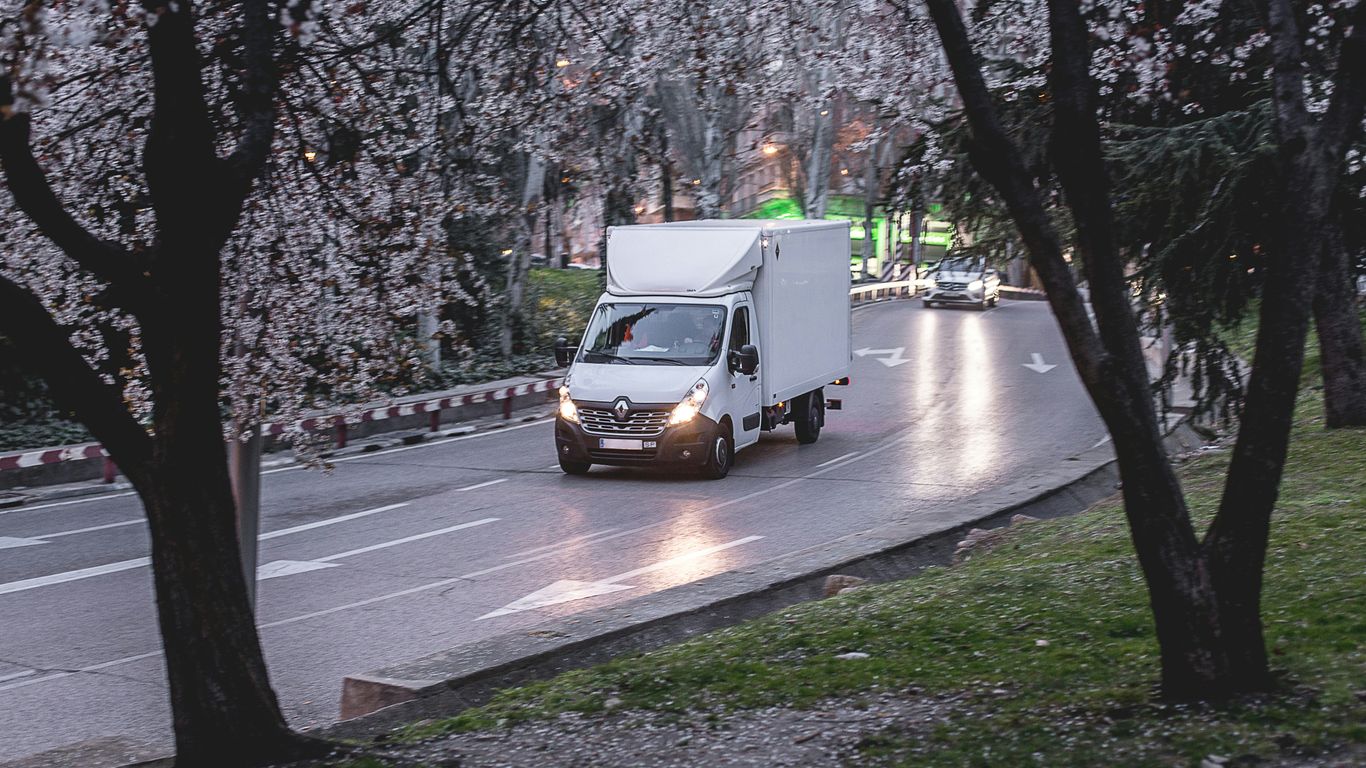
Choosing the correct service tier balances delivery speed, cost, and budget constraints effectively. An understanding of the service landscape allows businesses to match specific needs to the appropriate express courier service model. Consistency in tier selection contributes to a reliable, repeatable shipping cycle.
Comparing same-day and next-day options
Deciding between speed levels depends on the urgency of the document or parcel. Same-day options are ideal for time-sensitive business materials, while next-day services offer a cost-effective solution for non-urgent shipments. Companies often use both types depending on business courier service needs.
Understanding service level agreements
Reviewing service level agreements clarifies delivery performance expectations and defines the scope of liability. These documents detail the promised timeframes and the courier’s responsibilities during transit. When you book a reliable courier service, understanding these terms helps align internal expectations with actual delivery outcomes.
Factoring in urgent delivery requirements
For immediate logistical needs, specific processes must be followed to avoid bottlenecks. When shipping something that mandates an urgent courier delivery Singapore status, ensure all necessary documentation is pre-filled to prevent pauses in the dispatch process. IMPORT.SG offers structured support to consolidate these urgent logistics workflows.
| Tier | Typical Delivery Window | Best For |
|---|---|---|
| Same-Day | 2-4 Hours | Immediate docs/parcels |
| Next-Day | 8-24 Hours | Routine dispatch |
| Off-Peak | 24-48 Hours | Bulk, low-priority cargo |
The choice above reflects standard industry tiers for local distribution in Singapore. Selecting the correct tier allows you to balance speed against operational expenditure effectively.
Entering accurate delivery information

Accurate delivery data is the foundation of a successful hand-over to the courier. Incorrect or missing details are the most frequent causes of failed attempts, making rigorous data verification standard practice. Use Booking a local courier best practices to ensure that every field in your booking system is populated with complete and verified information.
Formatting addresses for Singapore postal codes
Singapore’s 6-digit postal code system is highly efficient if used correctly. Ensure the postal code is always verified against the building name and unit number to avoid errors. This code determines the routing logic for the courier’s system, so precision here is paramount.
Including contact details for recipients
Including a direct contact number for the recipient is essential for successful delivery. If a driver cannot locate an entrance, a quick communication helps resolve the issue immediately. Omitting this information often leads to unnecessary shipment returns or delays at the collection point.
Adding specific drop-off instructions or unit details
Providing specific entry instructions, such as suite numbers or loading dock locations, simplifies the final stage of delivery. This is especially important for business campuses or industrial estates where access might be complex. You can help by providing these details:
- Exact unit or floor number
- Primary building entrance for large items
- After-hours access protocols
- Security clearance requirements
Providing this context prevents drivers from losing time at the final destination.
Integrating technology for seamless booking

Technology integration transforms manual, error-prone tasks into streamlined, automated workflows. By leveraging digital platforms, businesses can gain transparency and reduce the administrative load of managing multiple local delivery service bookings. IMPORT.SG advocates for this digital synchronisation to assist teams in maintaining better operational control.
Leveraging automated booking platforms
Automated systems allow teams to book shipments instantly without phoning or emailing support teams. These platforms maintain a record of all historical bookings, making it easy to review performance or troubleshoot issues retroactively. Automated data entry also reduces the human error common in manual typed forms.
Utilizing tracking features for real-time visibility
Real-time GPS visibility is standard in modern logistics, allowing for proactive incident management. When a shipment is trackable, you can provide accurate updates to your own customers regarding their delivery status. This capability significantly improves professional reliability and reduces inquiry volume from stakeholders.
Syncing your store’s inventory with courier systems
Direct integration between your e-commerce inventory and courier software ensures that labels are generated automatically upon order placement. This eliminates the delay between receiving an order and triggering the dispatch process. Ensuring your business systems communicate seamlessly leads to a frictionless parcel collection and delivery operation.
Managing documentation and labels
Proper documentation is the bedrock of compliance and smooth logistics. Incomplete paperwork can stall urgent shipments, even before they leave your custody. Maintaining a clear, physical, and digital trail is vital for document delivery service Singapore operations where accuracy is non-negotiable.
Best practices for printing shipping labels
Labels must be printed clearly, ensuring the barcode is sharp enough for automated scanners to read. Use high-quality adhesive paper and apply the label to a flat surface, avoiding corners or folds where the scanner might fail. A clear, well-placed label prevents misrouting during automated sorting.
Essential paperwork for sensitive goods
Sensitive or high-value goods often require specific declarations to move through the network safely. Ensure that any necessary customs or insurance documents are attached securely to the package. IMPORT.SG assists in preparing these essential documents to ensure all requirements are satisfied before dispatch.
Ensuring barcodes and recipient details are legible
Check that all text on the label is legible before handing the shipment to the driver. Faded ink or blurred printing can lead to manual processing delays. Always perform a final inspection of all labels against the digital booking entry.
Optimising the hand-over process
Efficiency at the point of hand-over relies on preparation and clear communication. Drivers are generally on tight schedules, and any delay during the collection phase impacts the rest of their delivery route. Establishing a routine for your team ensures that parcel collection and delivery is handled in seconds rather than minutes.
Scheduling efficient pick-up times
Set pick-up windows that provide your team with sufficient time to have shipments fully ready. If you coordinate with drivers to arrive during quiet periods, you reduce the congestion at your loading bay. Consistent scheduling helps build a better relationship with your fleet.
Organising packages for quick processing by drivers
Arrange shipments in your holding area by destination or service priority so the driver can scan them in order. If boxes are stacked haphazardly, the driver must sort them before departure, which slows down the entire operation. Clearly staging outgoing cargo demonstrates professional readiness.
Communicating hand-over protocols to your team
Ensure that every staff member involved in the process understands the correct hand-over procedures. This includes knowing where to place parcels, who signs the collection forms, and how to report any immediate issues. A unified team approach prevents mistakes at this final stage of the dispatch.
Handling exceptions and troubleshooting
Exceptions are an inevitable part of large-scale logistics and require structured resolution workflows. Having predefined procedures ready means your team can react to problems without panic. Effective troubleshooting is the hallmark of a business courier service checklist Singapore designed for resilience.
Procedures for failed delivery attempts
If the courier cannot deliver, follow the established re-delivery process immediately. Contacting the recipient to verify address details while the package is still in the courier’s network is safer than waiting for a return-to-sender loop. Document every failure to help identify patterns or recurring address inaccuracies.
Redirecting parcels while in transit
Unexpected changes sometimes arise after a parcel has entered the network. Immediate communication with the courier is required to attempt a redirection. If your business courier service allows for in-transit modifications, initiate these changes through your digital dashboard as soon as the need is identified.
Managing insurance claims for delayed or damaged goods
In cases where items are damaged, retain all photographic evidence of the parcel’s condition immediately upon arrival. Documentation is the most critical component of a successful insurance claim. Following the courier’s specific claims process accurately ensures that IMPORT.SG and other professional partners can advocate effectively for your recovery.
Conclusion
Mastering the local courier booking process creates a sustainable competitive advantage through timing and operational precision. By standardising your preparation, embracing digital integration, and maintaining clear documentation, you ensure that every shipment reflects your business’s commitment to quality.
Frequently Asked Questions
How can I ensure my parcel is delivered successfully the first time?
To maximise success, provide precise address details including unit numbers, ensure your labels are clearly visible and uncrinkled, and always provide a valid contact number for the recipient.
What should I do if my urgent parcel is delayed in transit?
Contact the courier’s support team using your tracking number immediately to identify the status, and check if your business system allows for a real-time update or redirection if the arrival time is critical.
Why does accurate weight and dimension measurement matter?
Couriers use these metrics to determine vehicle allocation and route capacity, so providing incorrect data often triggers surcharges or, in some cases, a service refusal for non-compatible items.
Can I request a specific pick-up window for my shipments?
Most providers allow you to specify preferred collection timeframes during the booking process, which assists in keeping your internal dispatch workflows regular and predictable.
What are the most common reasons for failed courier deliveries?
Failed attempts usually stem from incomplete address information, unreachable recipients, or inaccessible delivery locations where access instructions were not pre-provided for the driver.
Should I always add insurance to my local courier booking?
Adding insurance is recommended for high-value items or sensitive business documents, especially if your standard service level agreement does not provide full replacement coverage in the event of loss or damage.
How do I handle a parcel that needs special handling requirements?
Clearly communicate your handling needs at the booking stage and ensure the packaging itself is bolstered with appropriate protective materials to survive the transit environment safely.